L-1011-100
Lockheed
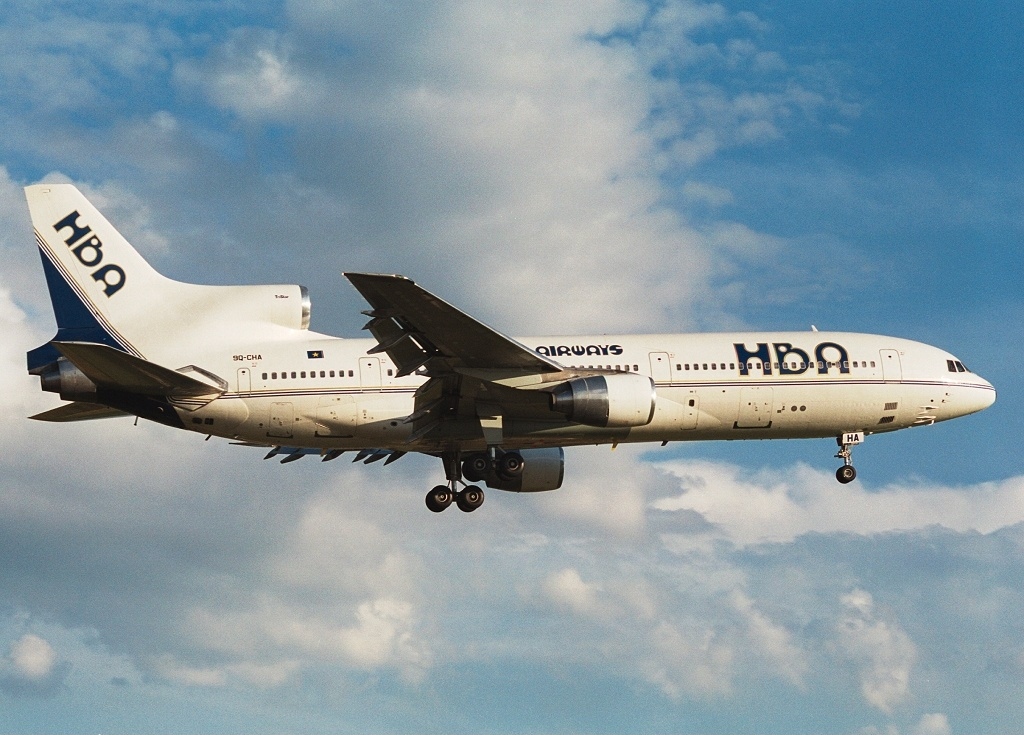
Historical Context & Origins
The Lockheed L-1011 TriStar was born in the 1960s, as a response to the growing demand for wide-body aircraft for medium-long range routes. Lockheed aimed to create a technologically advanced three-engined aircraft, competitive against the Boeing 747 and the McDonnell Douglas DC-10.
The initial model, the L-1011-1, first flew in 1970 and entered service in 1972. It offered superior comfort and significant innovations for its time.
The L-1011-100 was developed in response to airline requests for a longer operating range, thanks to increased fuel capacity. Its first flight occurred in 1975, marking an important evolution of the TriStar family.
Architecture & Technological Design
The L-1011 was notable for its three-engine configuration, with the central thruster integrated into the tail via an innovative S-duct. This design reduced drag and noise.
The engine chosen was the powerful Rolls-Royce RB211-22B turbofan, a cutting-edge engine for efficiency and performance. Its introduction was crucial to the success of the project.
The structure of the aircraft incorporated advanced materials for the time, ensuring strength and lightness. The wings were designed with a supercritical profile, improving aerodynamic efficiency at high speeds.
The flight control system was extremely sophisticated, offering Autoland (Autoland) CAT IIIc capability. This allowed operations in almost zero weather conditions, a true revolution.
Onboard Specifications
- ◆Automatic Landing System (Autoland) CAT IIIc for zero visibility
- ◆Lower deck kitchen with hoist for efficient service
- ◆Noise Suppression System of the RB211 engine, for a quieter experience
Operational Career & Operators
The L-1011-100 soon found use by major global airlines, appreciated for its reliability and the comfort offered to passengers. Early operators include Eastern Air Lines, Delta Air Lines and TWA.
It has effectively served transcontinental and international medium-haul routes, becoming a mainstay of many airlines' fleets. British Airways also employed it extensively.
Despite its excellent qualities, the L-1011 faced stiff competition from the DC-10 and the Boeing 747. This limited his overall production.
- ◆*Lockheed** eventually withdrew from the commercial aircraft market after the TriStar program. However, the aircraft continued to fly for decades, a testament to its inherent robustness.
Legacy & Cultural Impact
The L-1011 TriStar is remembered as a technological pioneer, introducing many innovations later adopted in the aviation industry. Its Autoland CAT IIIc system was a benchmark for safety.
It is considered one of the safest wide-body aircraft ever built, with an outstanding safety record. This earned him the trust of passengers and crew.
The TriStar is still loved by many aviation enthusiasts and former employees for its graceful flight and distinctive design. It represents a glorious chapter of American aeronautical engineering.
Its history is inextricably linked to the "tri-motor wars" with the DC-10, a rivalry that drove innovation throughout the industry. The L-1011-100 remains a symbol of engineering excellence.
Telemetria Specs (HUD)
Hangar Trivia & Curiosità
- 💡The L-1011 was one of the first wide-body aircraft to receive Category IIIA certification for automatic landings, enabling operations in very low visibility.
- 💡It featured a unique S-duct design for its tail-mounted third engine, which contributed to better aerodynamics and reduced cabin noise.
- 💡The L-1011-100 variant specifically offered increased fuel capacity and higher maximum takeoff weight compared to the original -1 model.
Archivio Avvistamenti Spotter
Immagini scattate dalla community in tutto il mondo