Timeline Storica
Esplora l'evoluzione tecnologica dei velivoli civili dal 1910 a oggi, catalogati in base alle epoche chiave del volo.
Rivoluzione dei Jet
1958 - 1999La velocità cancella i confini geografici. I turbogetti aprono le porte al turismo di massa globale, culminando con la comparsa del Boeing 747 Jumbo Jet e il mito del volo civile supersonico del Concorde.
🏆 PIETRE MILIARI DELL'ERA
Il Boeing 707 entra in servizio regolare transatlantico con Pan Am, inaugurando la Jet Age di massa.
Il Concorde supersonico e il Boeing 747 'Jumbo Jet' effettuano i loro primi storici voli.
Il Concorde entra ufficialmente in servizio commerciale contemporaneamente con British Airways ed Air France.
Il Boeing 747-400 vola per la prima volta, introducendo l'era dei voli ultra-lunghi ad alta capacità.
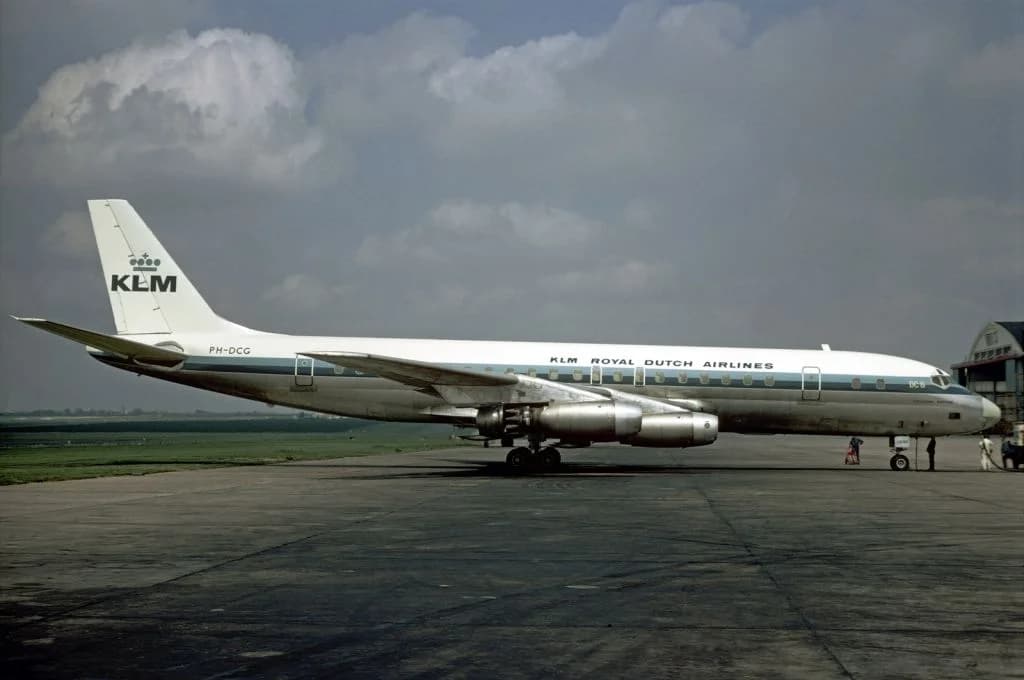
DC-8 Series 30
Effettuò il primo volo nel 1958 entrando successivamente in servizio attivo.
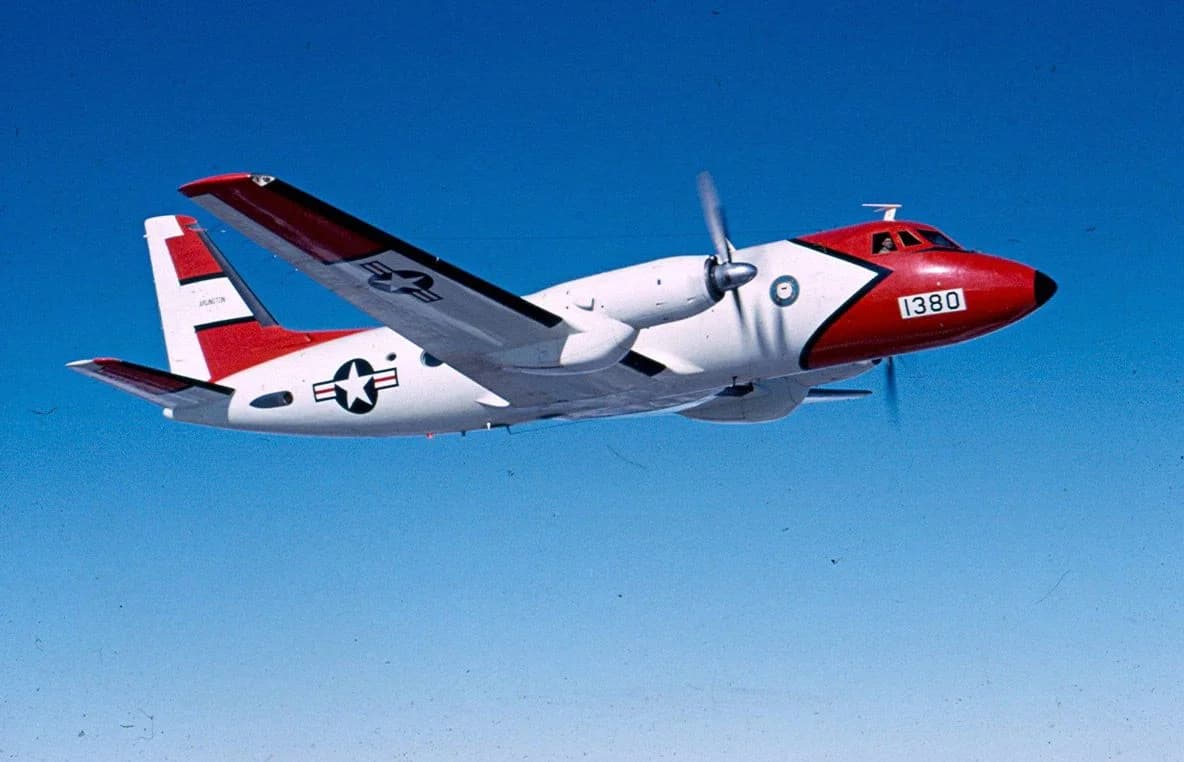
Gulfstream I (G-159)
Effettuò il primo volo nel 1958 entrando successivamente in servizio attivo.
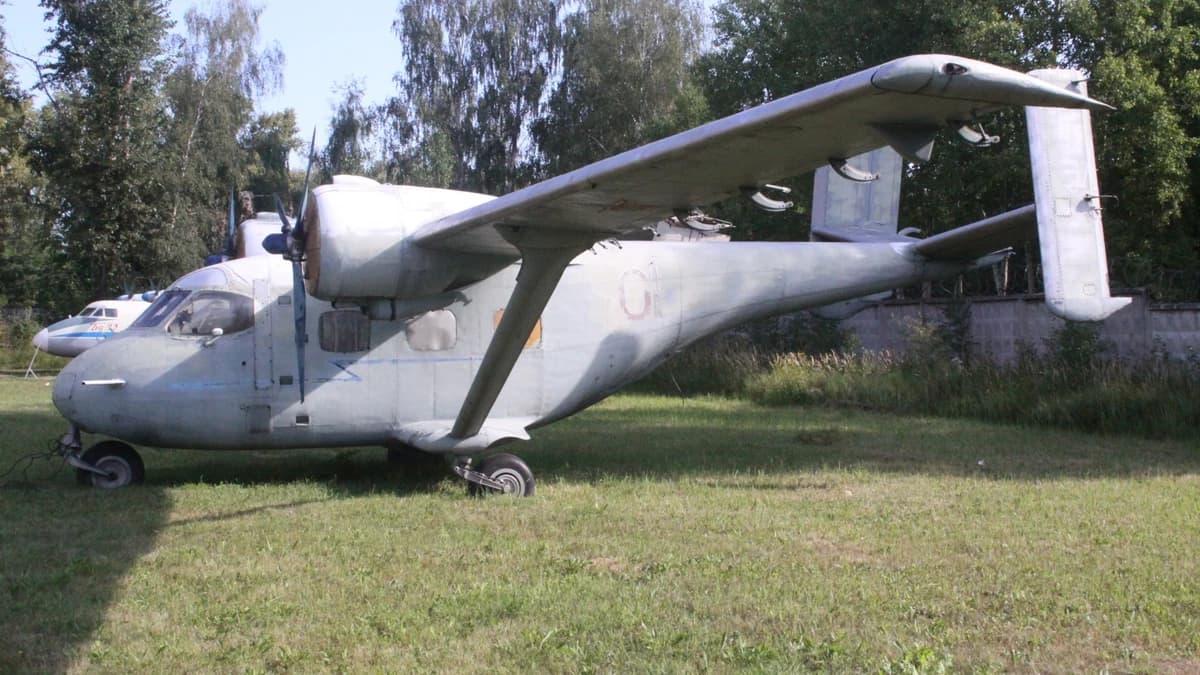
An-14
Effettuò il primo volo nel 1958 entrando successivamente in servizio attivo.
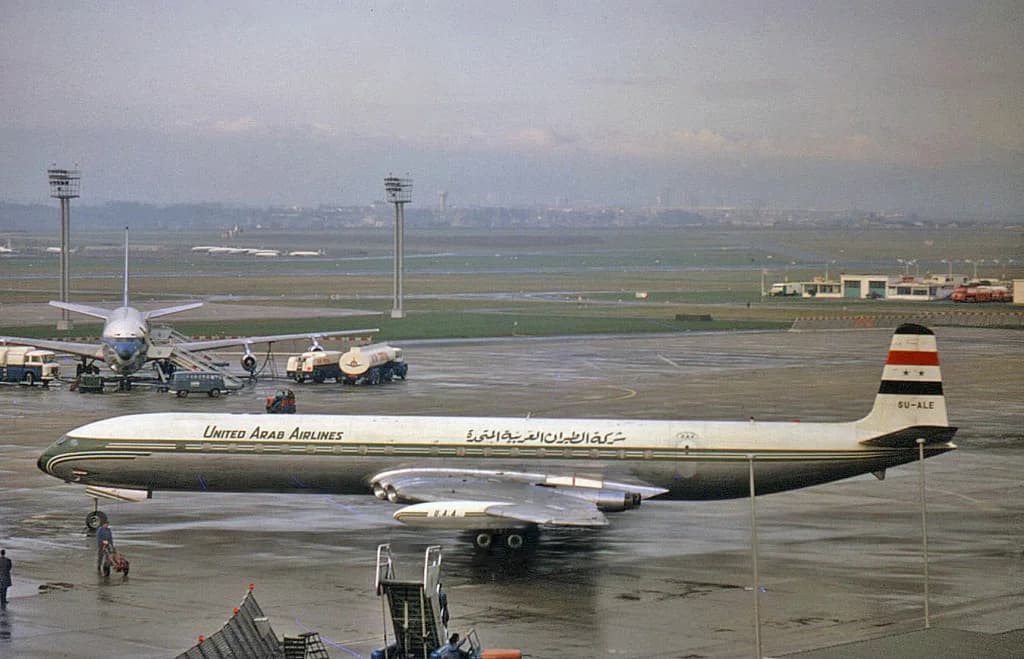
Comet 4
Effettuò il primo volo nel 1958 entrando successivamente in servizio attivo.
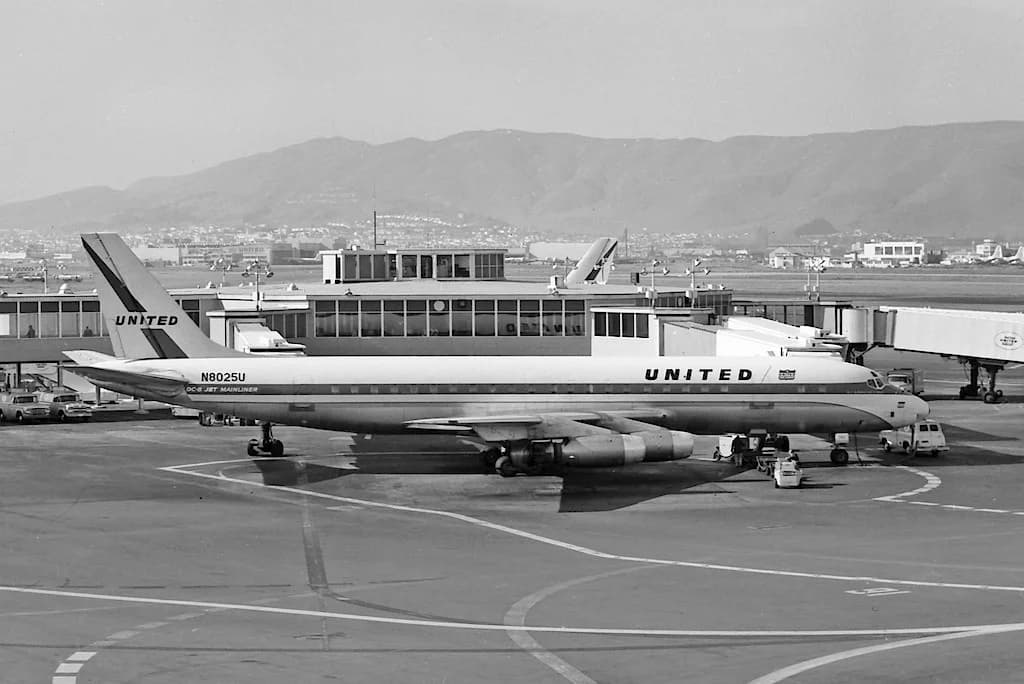
DC-8 Series 20
Effettuò il primo volo nel 1958 entrando successivamente in servizio attivo.
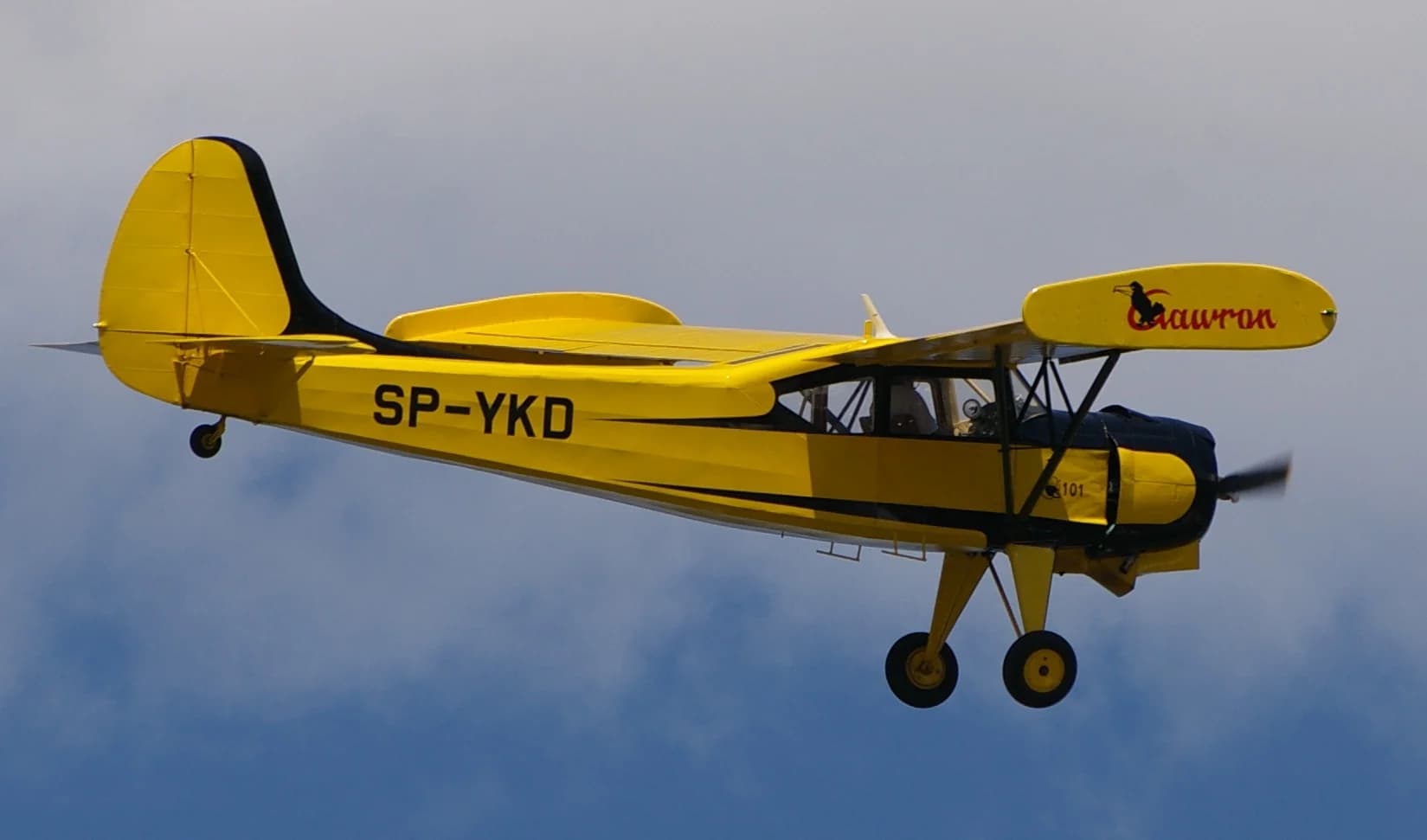
PZL-101 Gawron
Sviluppato a partire dal celebre aereo da collegamento sovietico Yakovlev Yak-12.
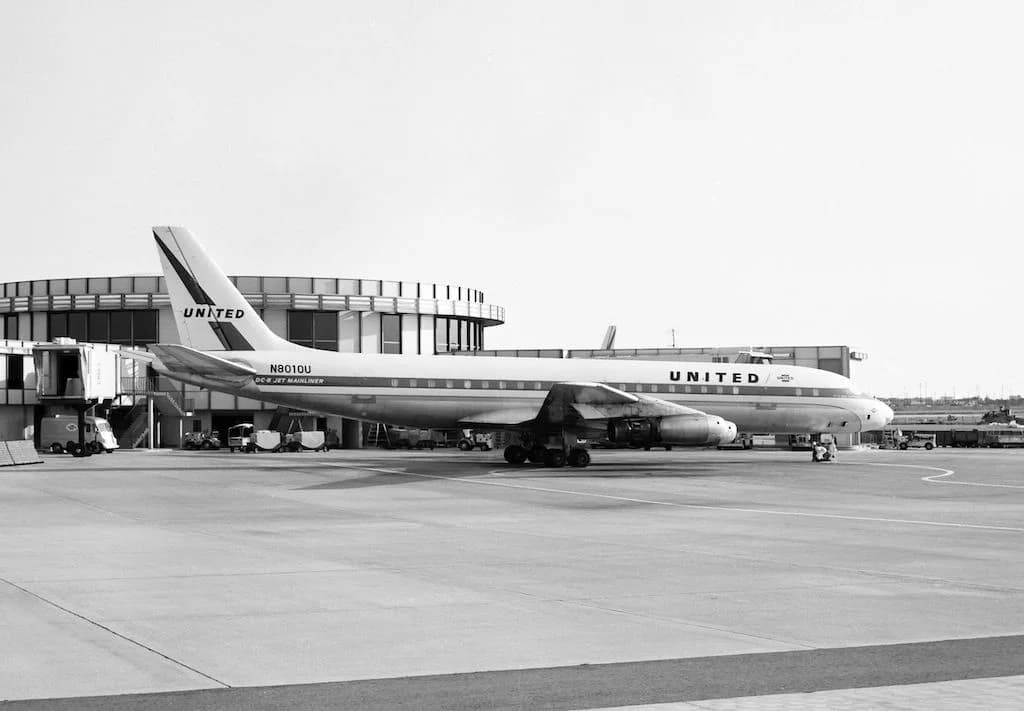
DC-8 Series 10
Effettuò il primo volo nel 1958 entrando successivamente in servizio attivo.
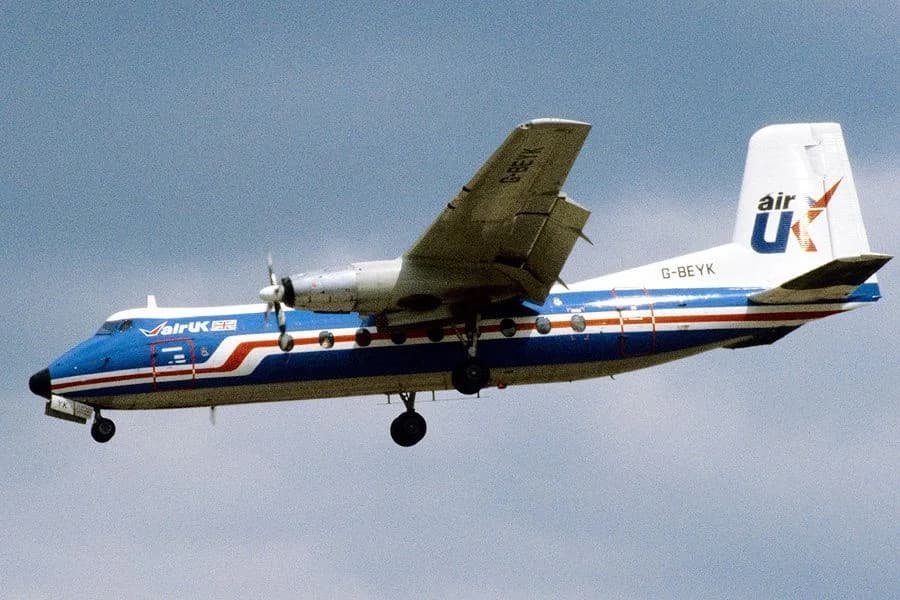
Dart Herald
Effettuò il primo volo nel 1958 entrando successivamente in servizio attivo.
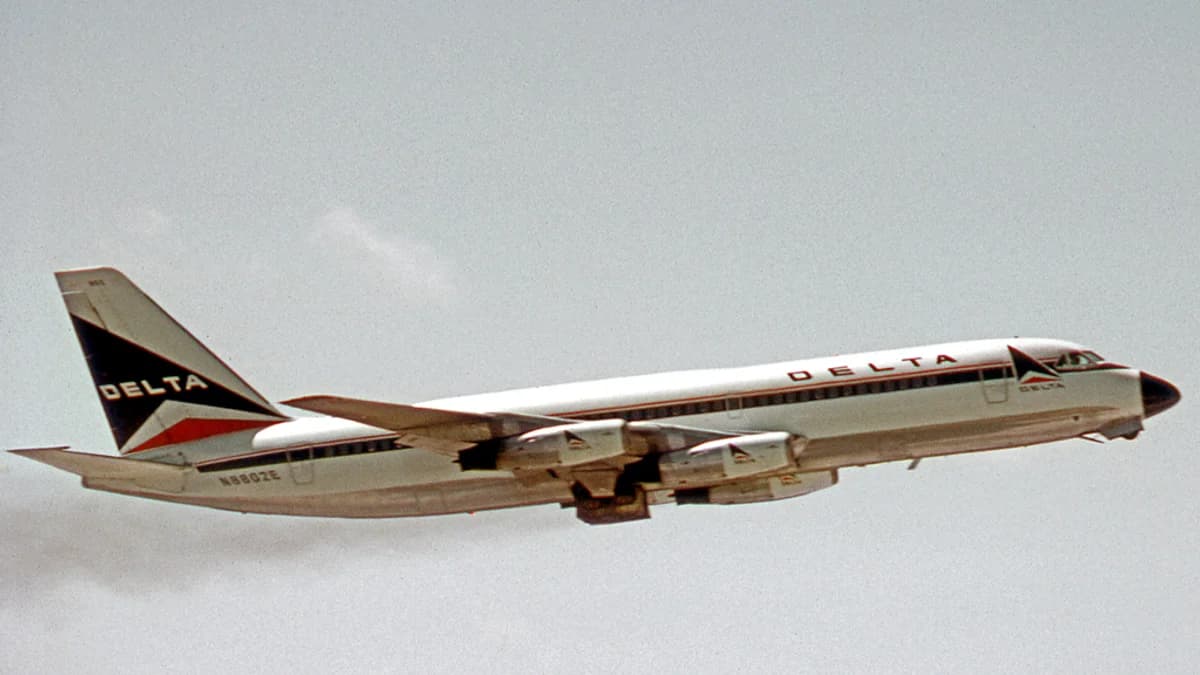
CV-880
Effettuò il primo volo nel 1959 entrando successivamente in servizio attivo.
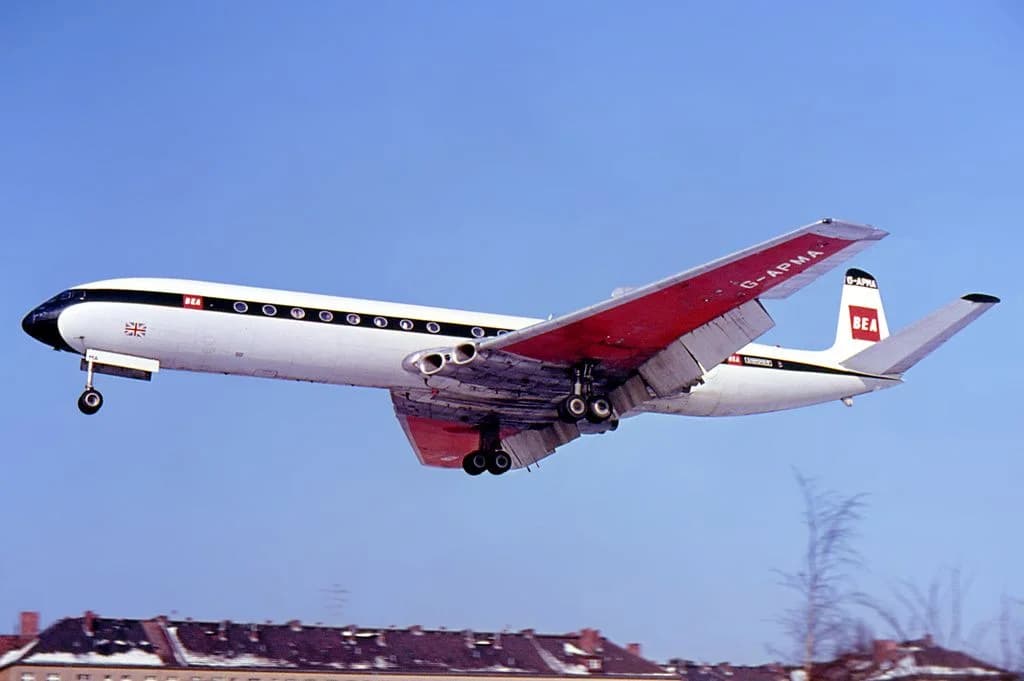
Comet 4B
Effettuò il primo volo nel 1959 entrando successivamente in servizio attivo.
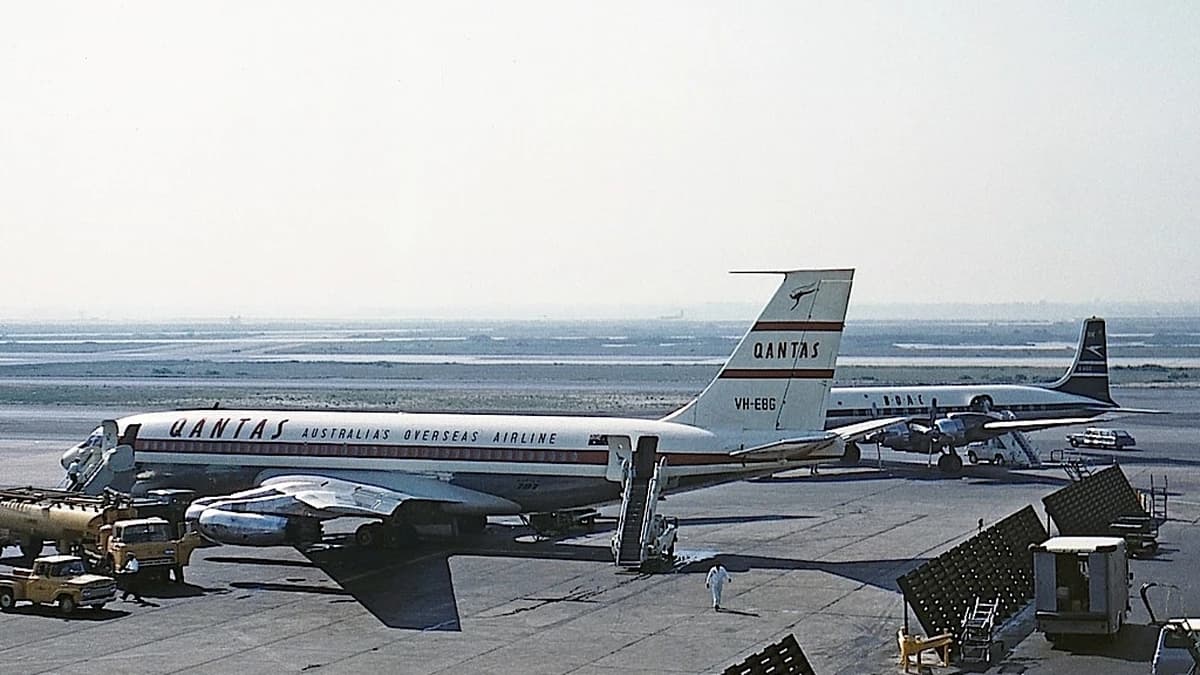
707-138
Effettuò il primo volo nel 1959 entrando successivamente in servizio attivo.
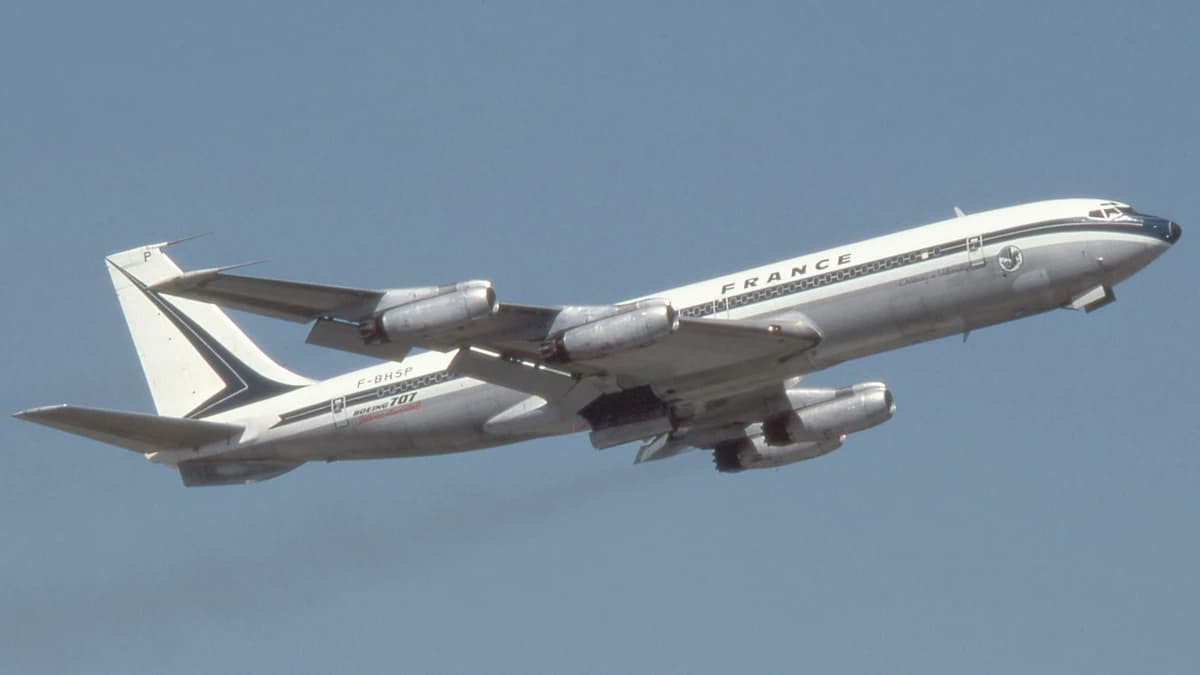
707-320
Effettuò il primo volo nel 1959 entrando successivamente in servizio attivo.
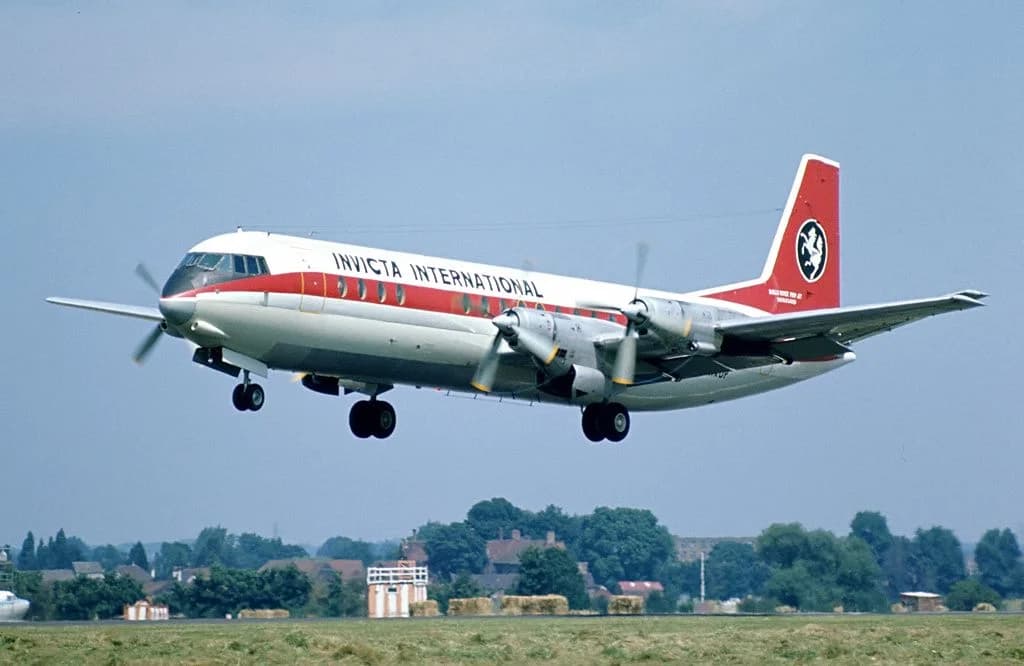
Vanguard
Effettuò il primo volo nel 1959 entrando successivamente in servizio attivo.
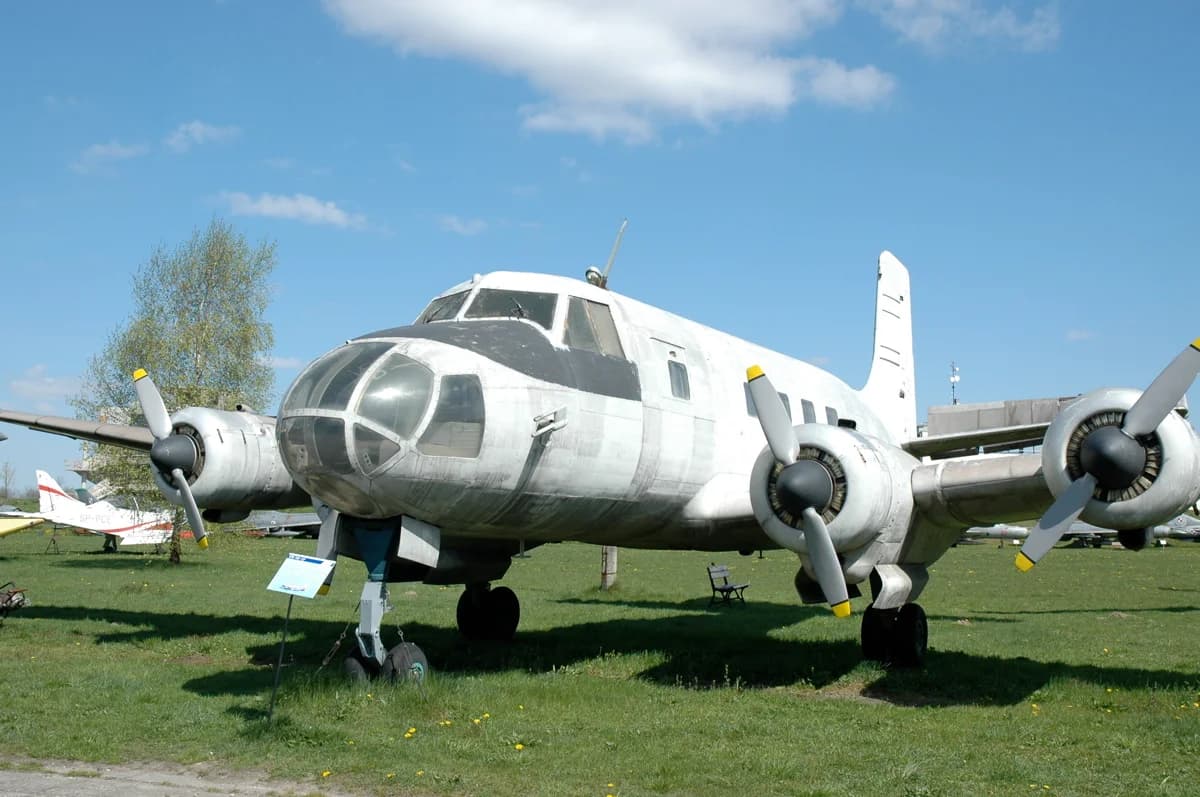
MD-12
Fu il primo aereo di linea quadrimotore polacco del dopoguerra, progettato per rotte passeggeri nazionali di LOT Polish Airlines.
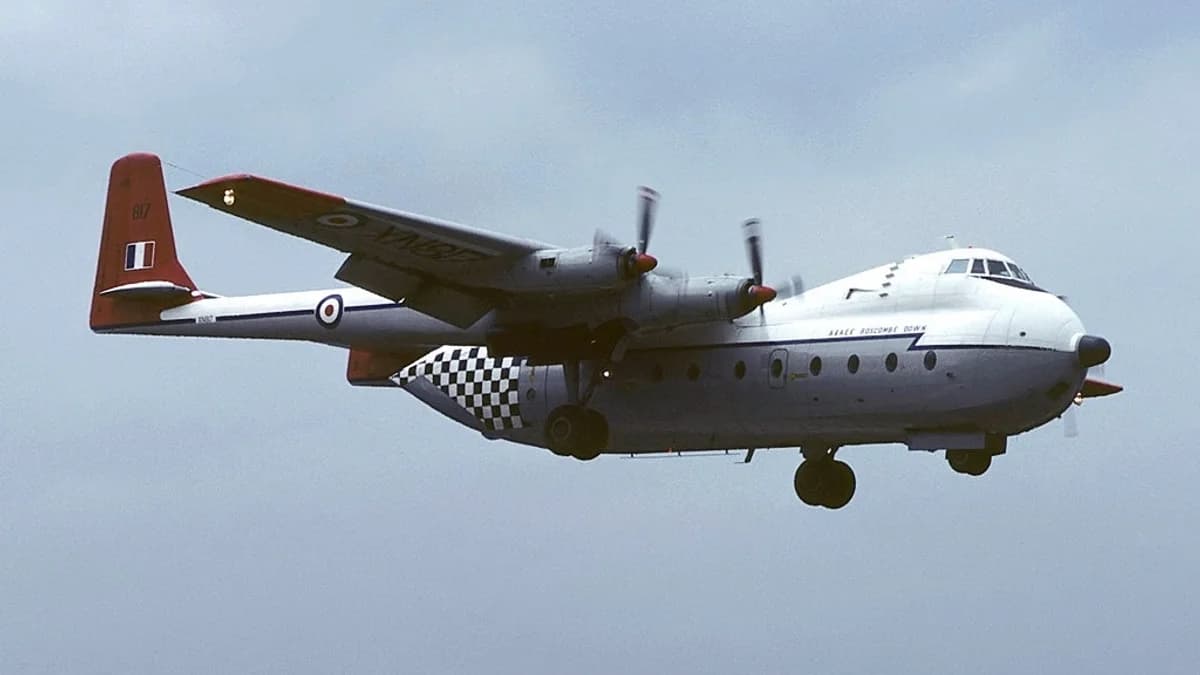
AW.650 Argosy
Effettuò il primo volo nel 1959 entrando successivamente in servizio attivo.
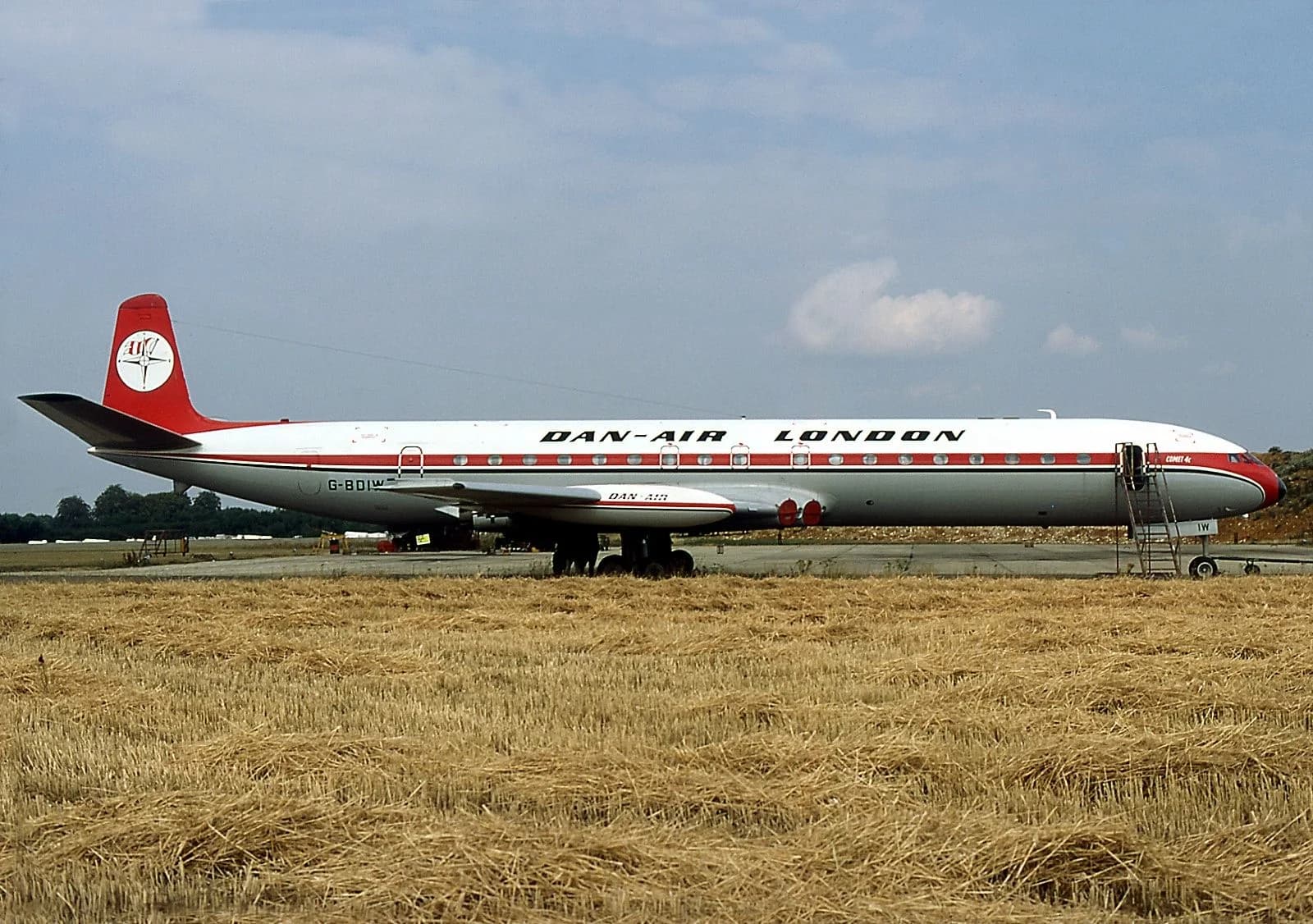
Comet 4C
Effettuò il primo volo nel 1959 entrando successivamente in servizio attivo.
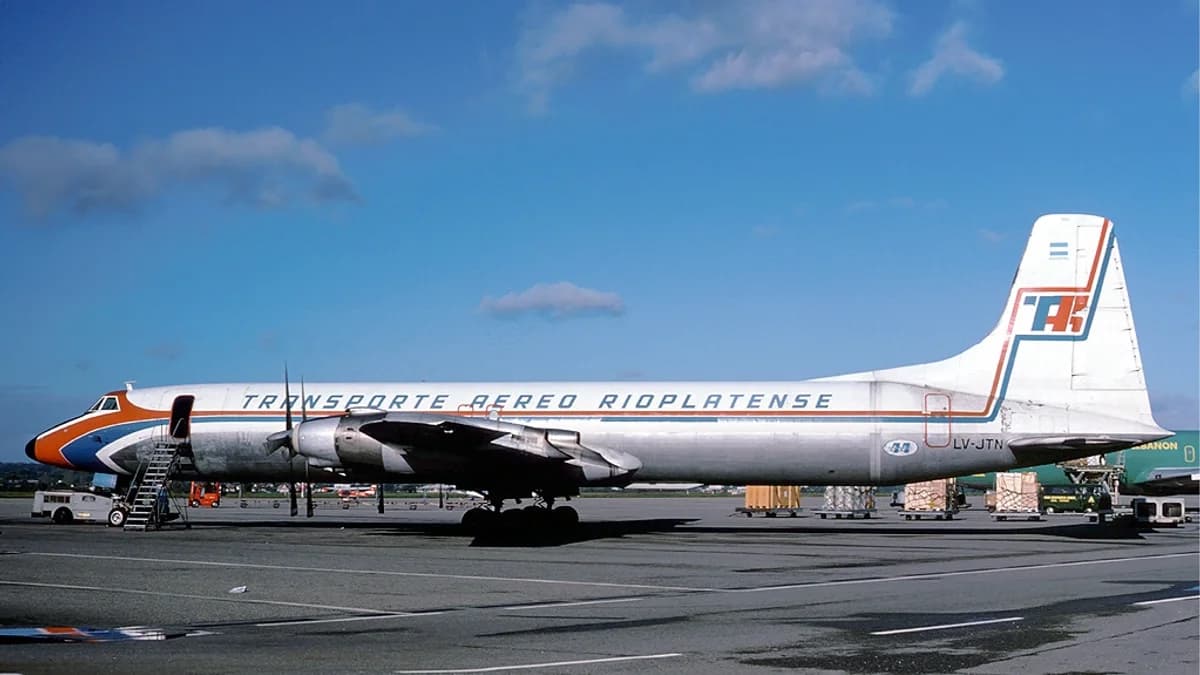
CL-44
Effettuò il primo volo nel 1959 entrando successivamente in servizio attivo.
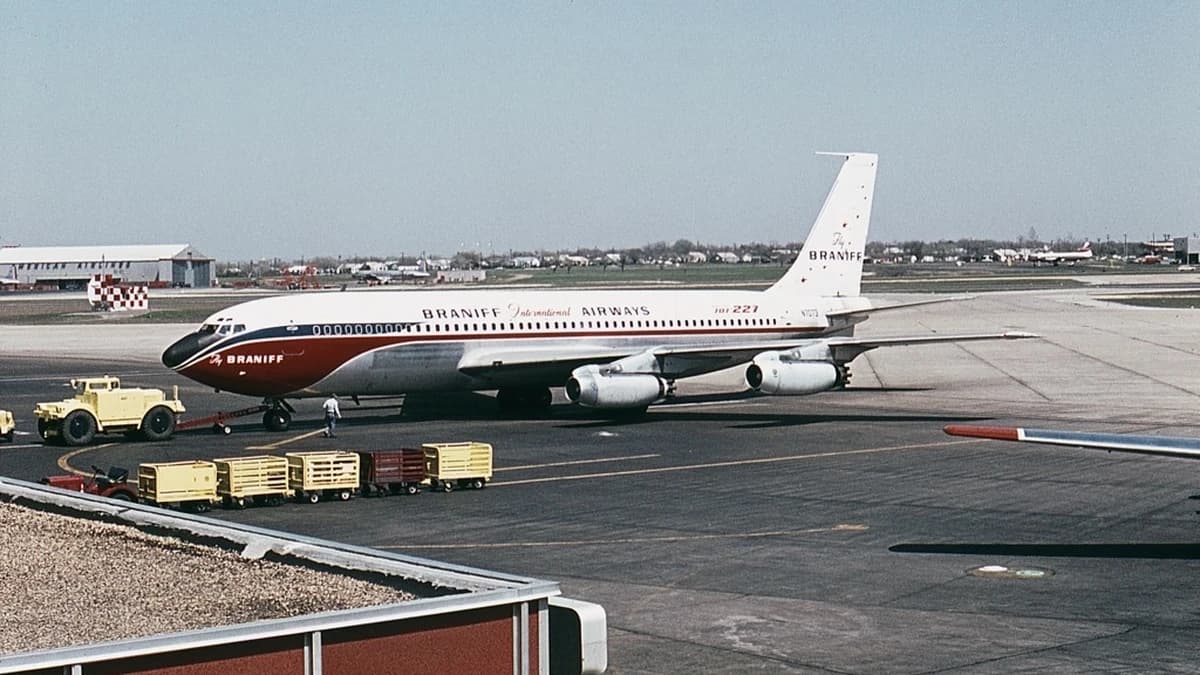
707-220
Effettuò il primo volo nel 1959 entrando successivamente in servizio attivo.
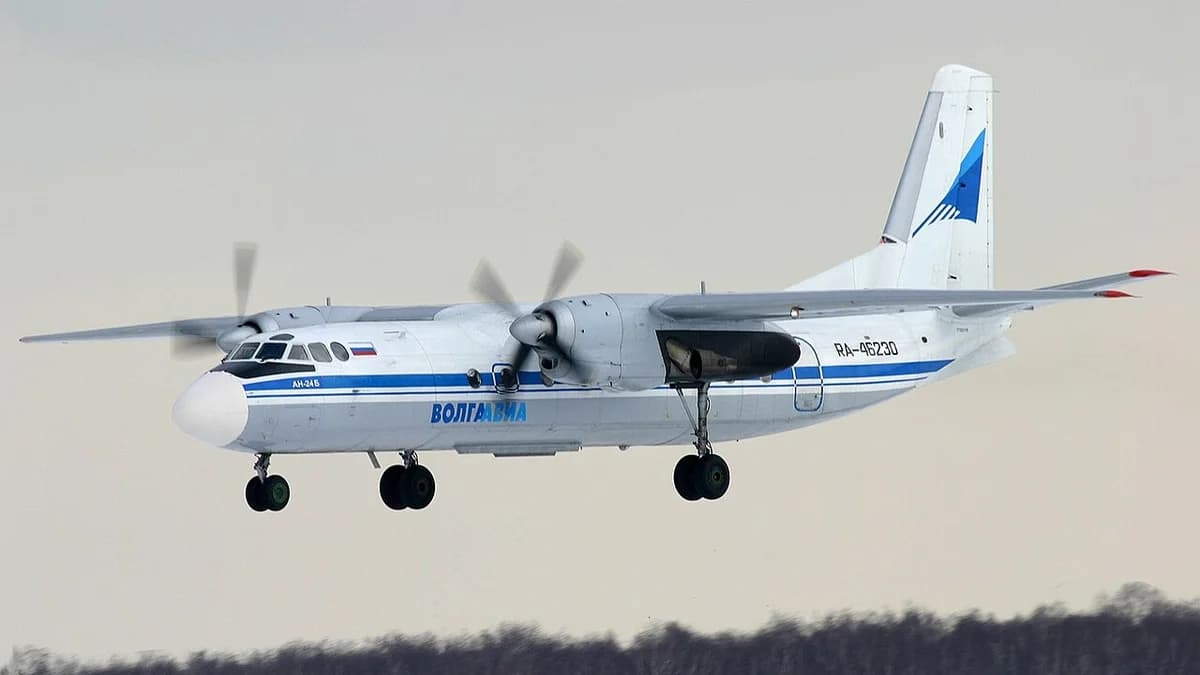
An-24
Effettuò il primo volo nel 1959 entrando successivamente in servizio attivo.
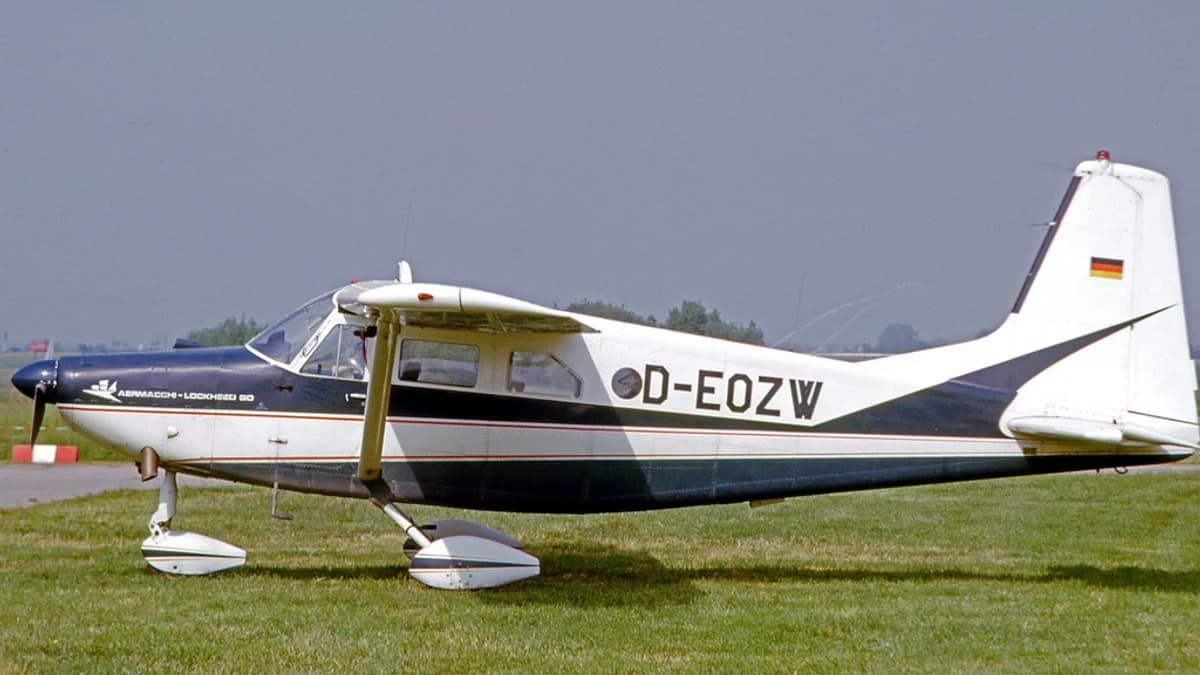
AL-60B Santa Maria
Effettuò il primo volo nel 1959 entrando successivamente in servizio attivo.
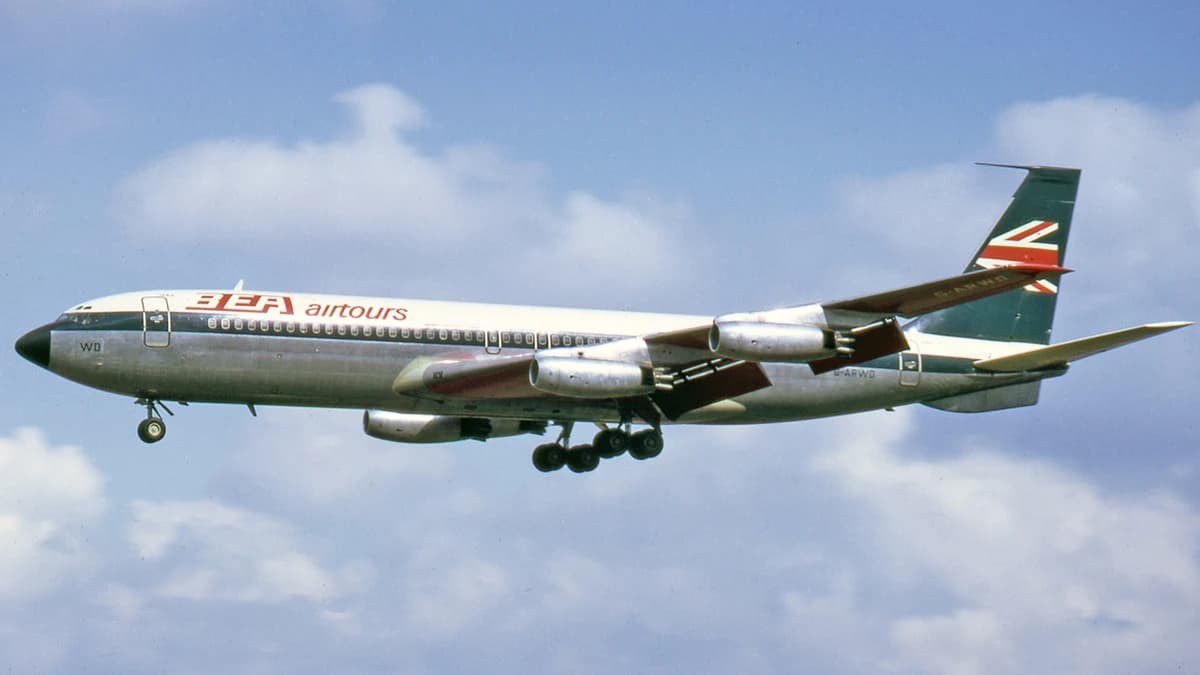
707-420
Effettuò il primo volo nel 1959 entrando successivamente in servizio attivo.
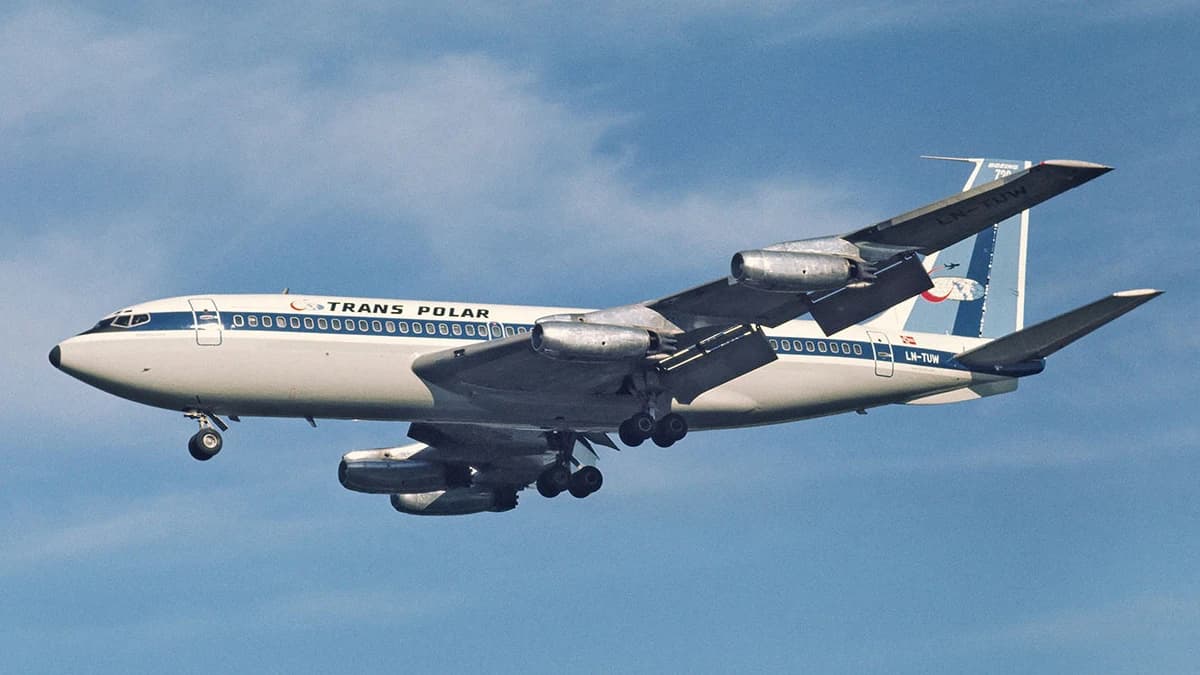
720
Effettuò il primo volo nel 1959 entrando successivamente in servizio attivo.
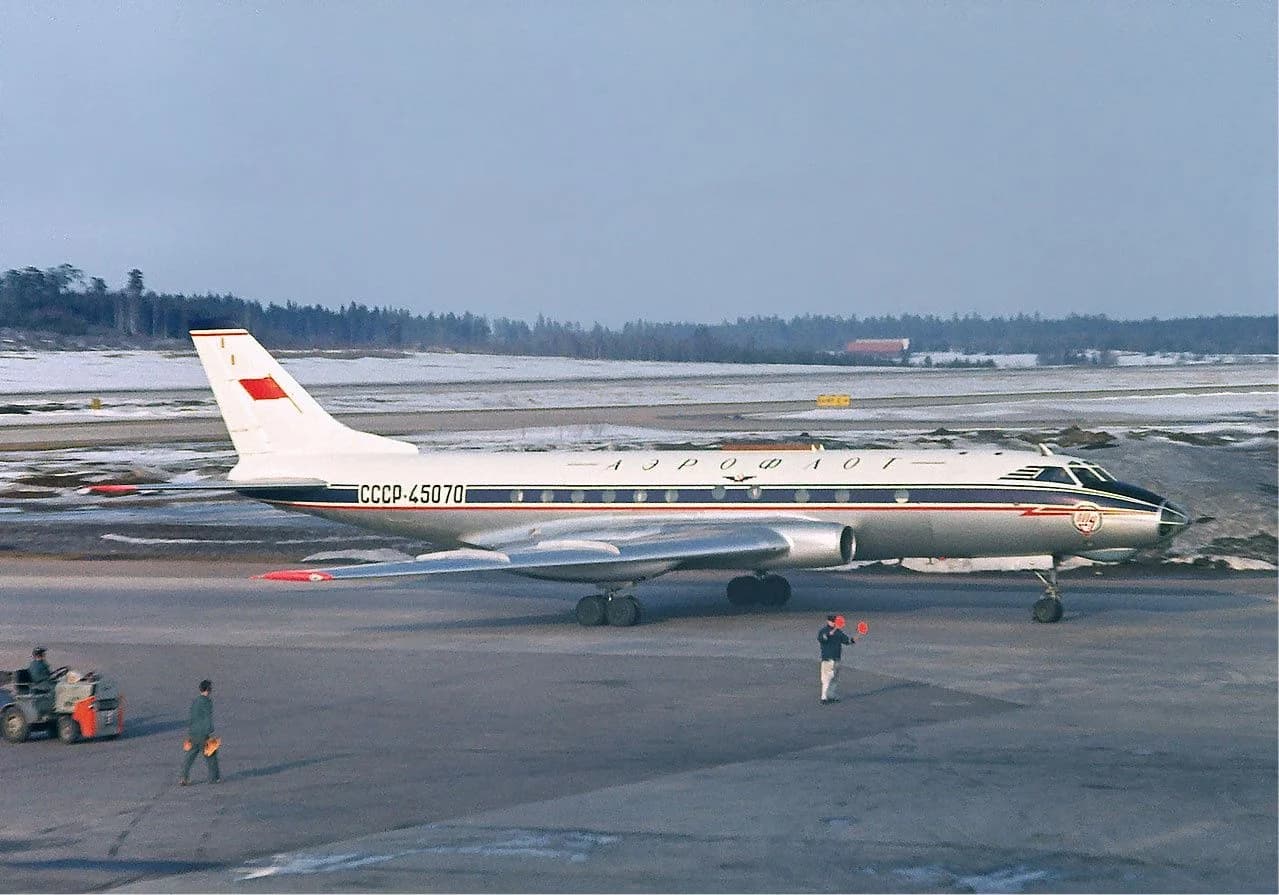
Tu-124
Effettuò il primo volo nel 1960 entrando successivamente in servizio attivo.
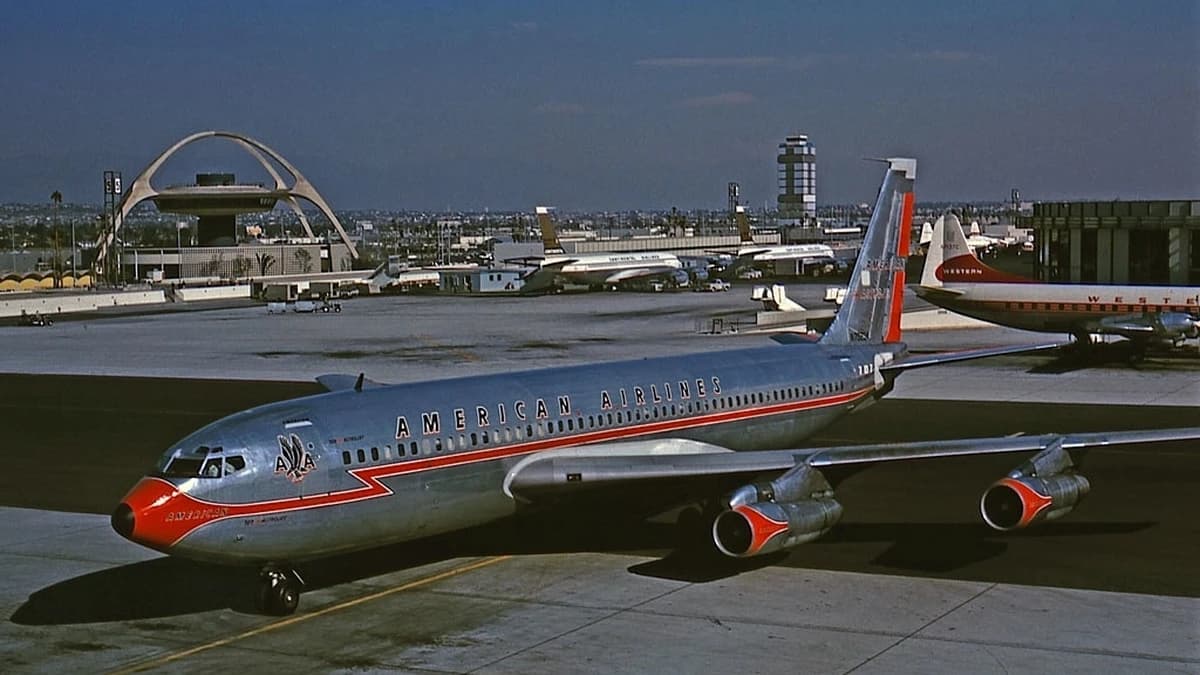
707-120B
Effettuò il primo volo nel 1960 entrando successivamente in servizio attivo.
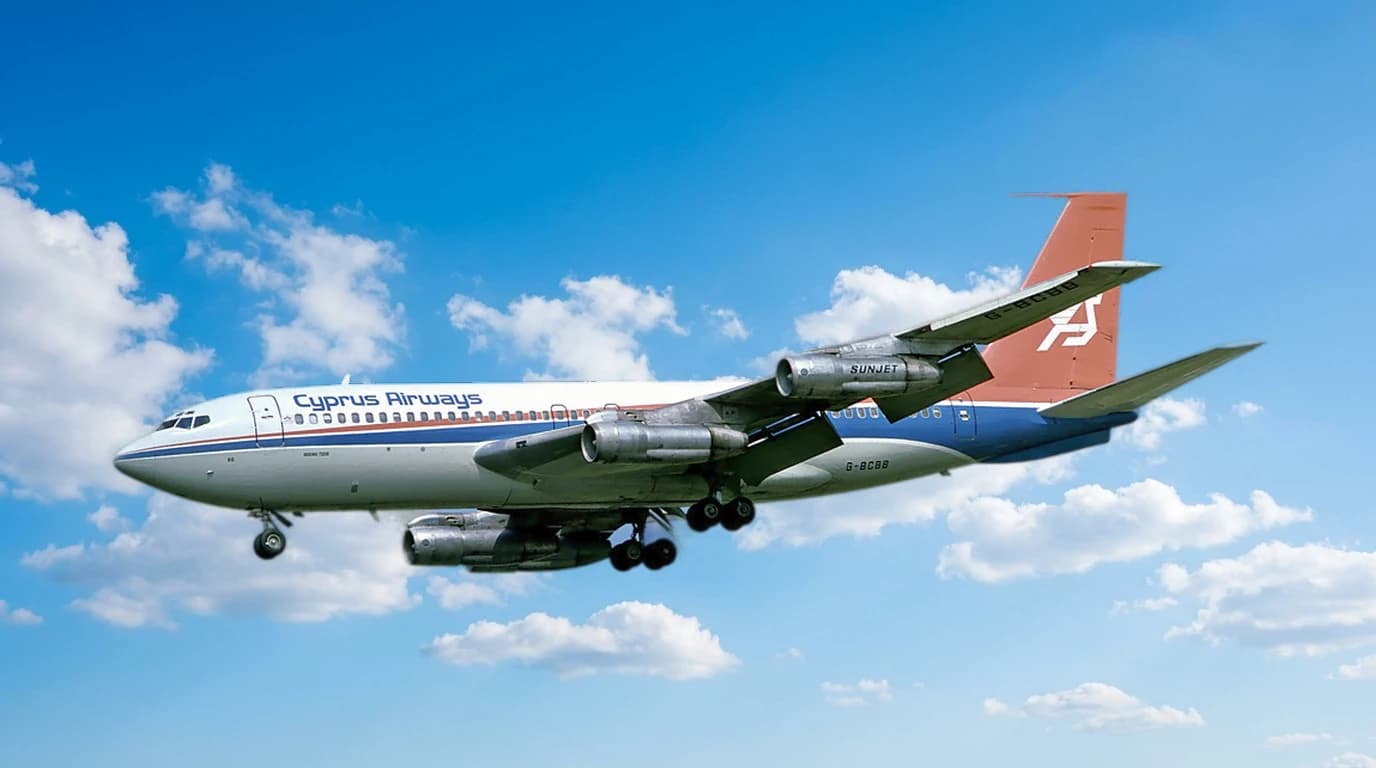
720B
Effettuò il primo volo nel 1960 entrando successivamente in servizio attivo.
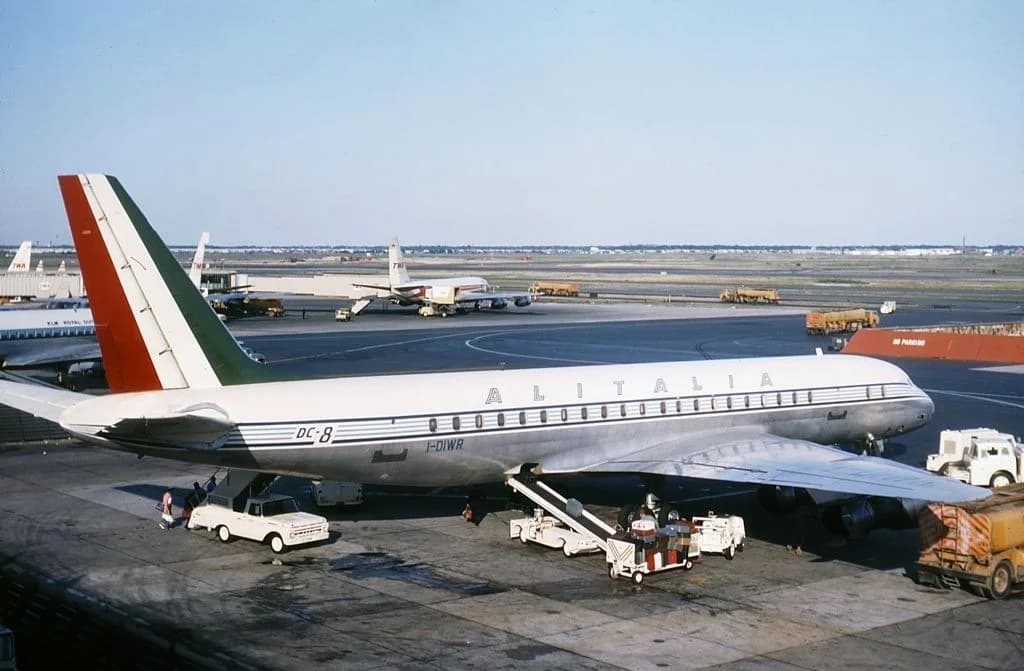
DC-8 Series 40
Effettuò il primo volo nel 1960 entrando successivamente in servizio attivo.
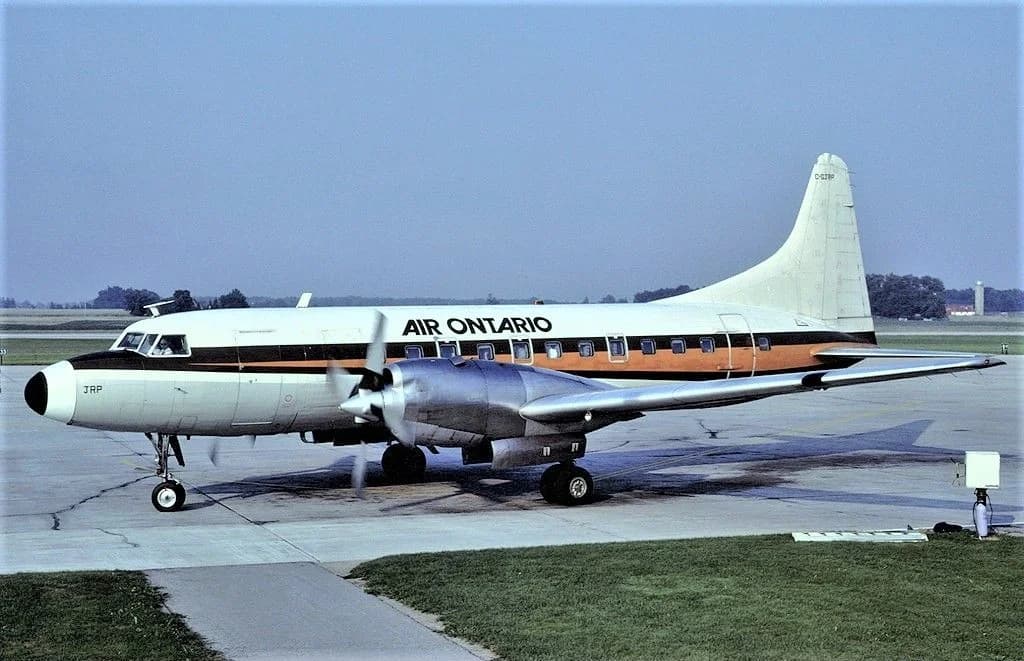
CV-580
Effettuò il primo volo nel 1960 entrando successivamente in servizio attivo.
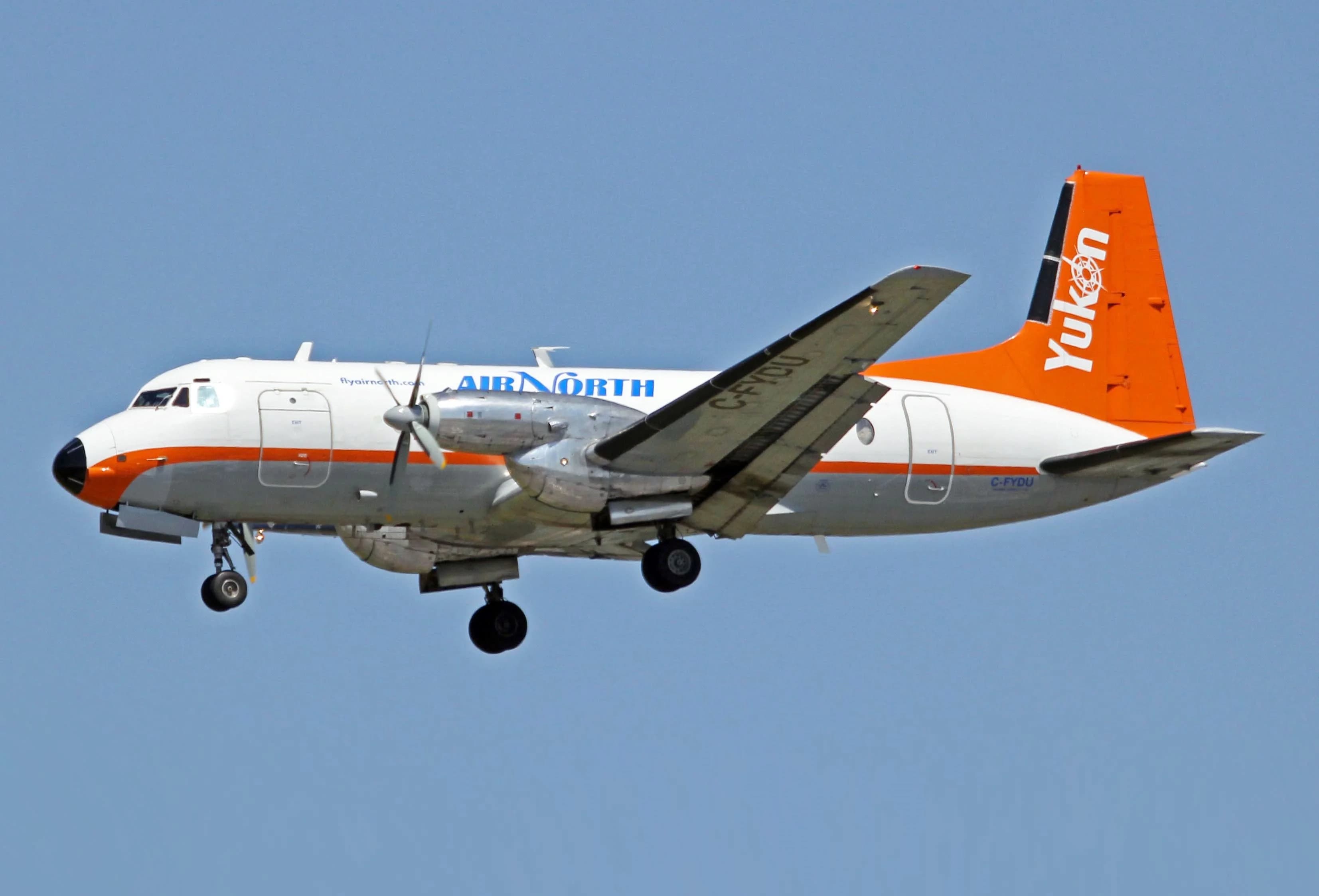
HS 748
Effettuò il primo volo nel 1960 entrando successivamente in servizio attivo.
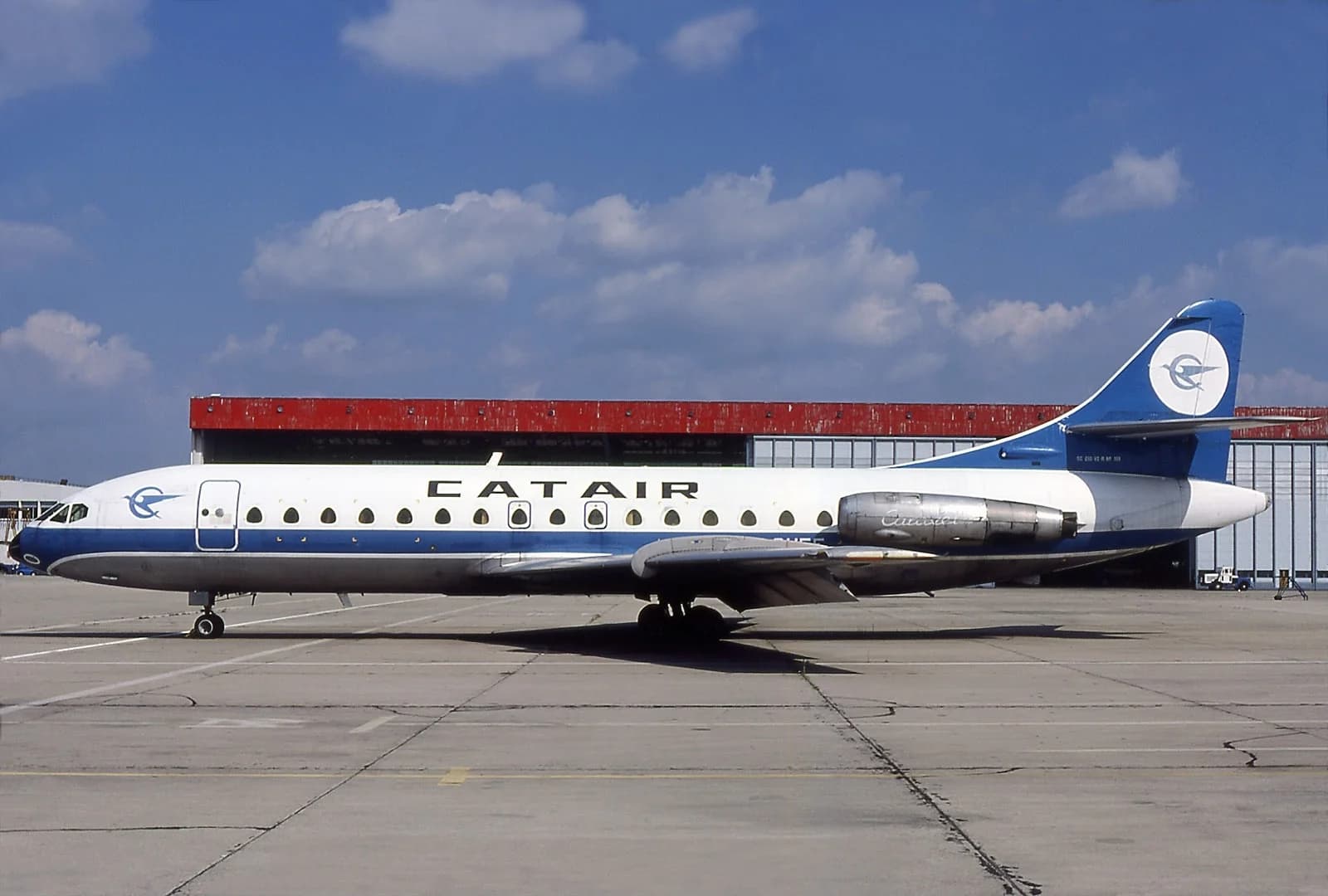
Caravelle VI
Fu un'evoluzione di successo del Caravelle originale dotata di motori Rolls-Royce Avon più potenti.
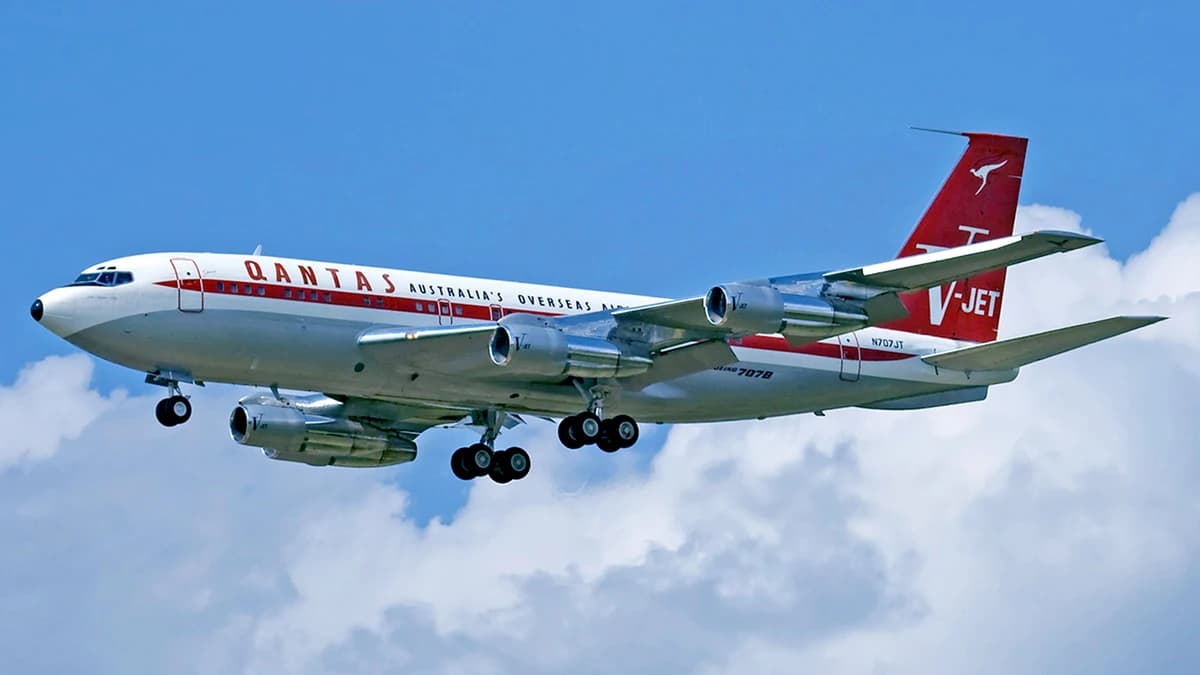
707-138B
Effettuò il primo volo nel 1961 entrando successivamente in servizio attivo.
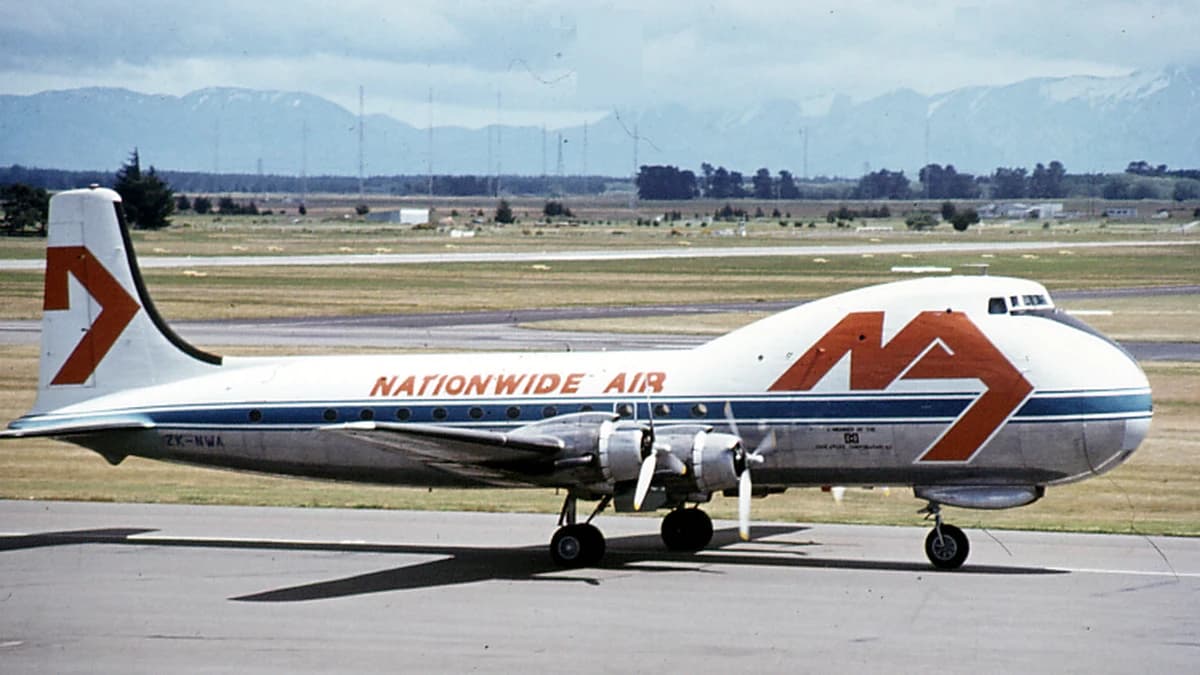
ATL-98 Carvair
Effettuò il primo volo nel 1961 entrando successivamente in servizio attivo.
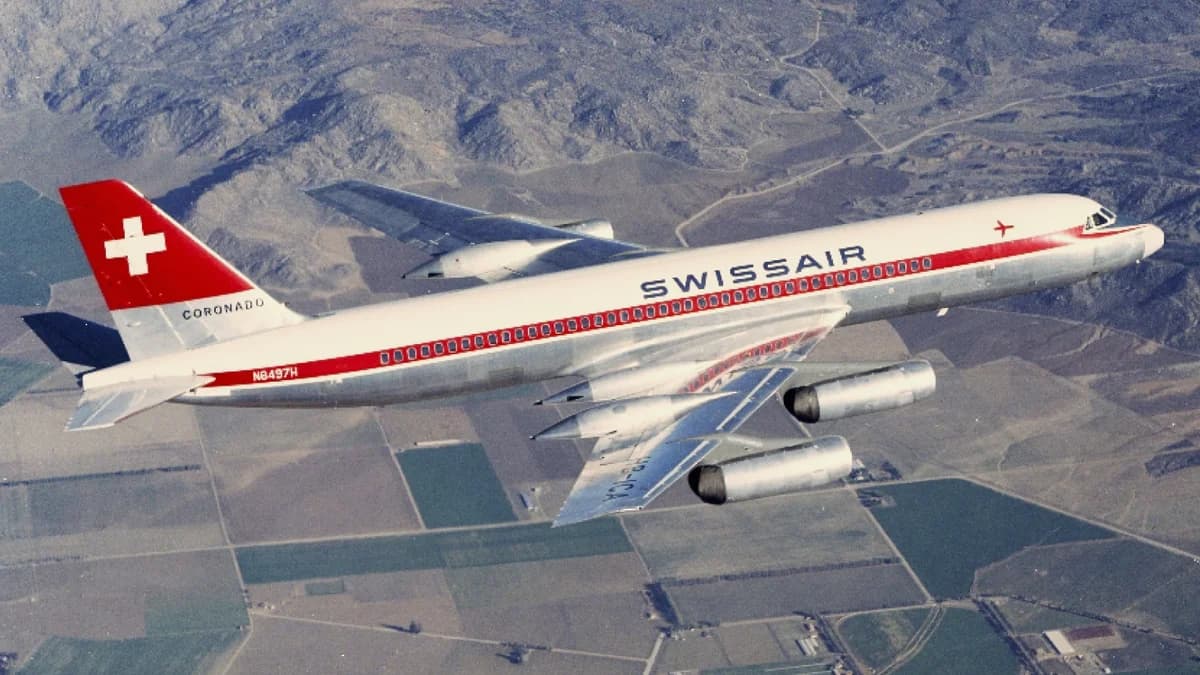
CV-990 Coronado
Effettuò il primo volo nel 1961 entrando successivamente in servizio attivo.
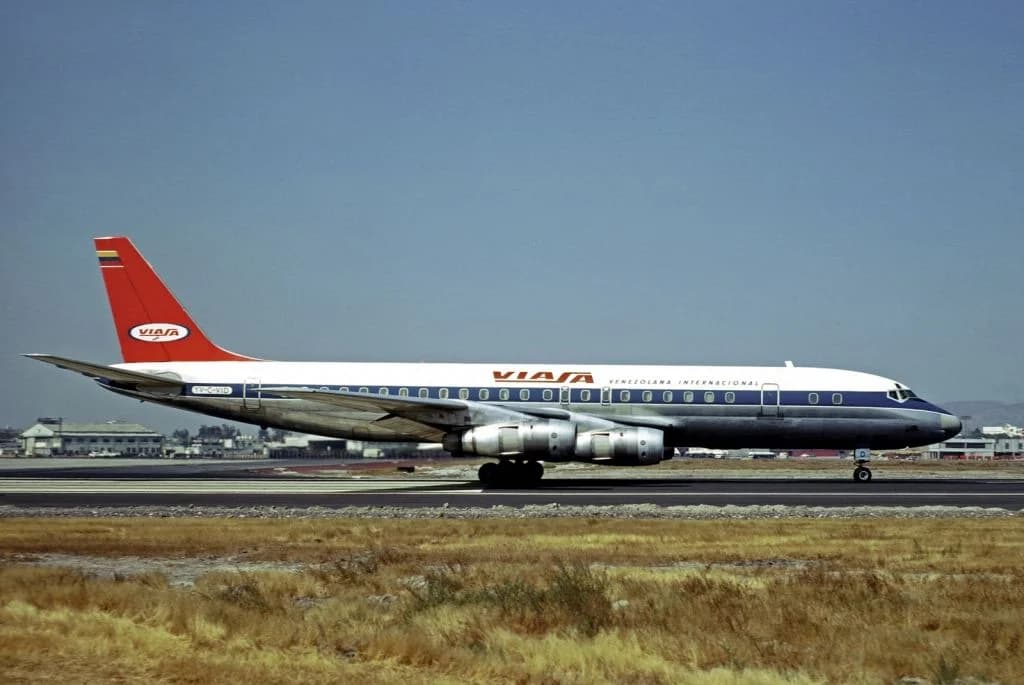
DC-8 Series 50
Effettuò il primo volo nel 1961 entrando successivamente in servizio attivo.
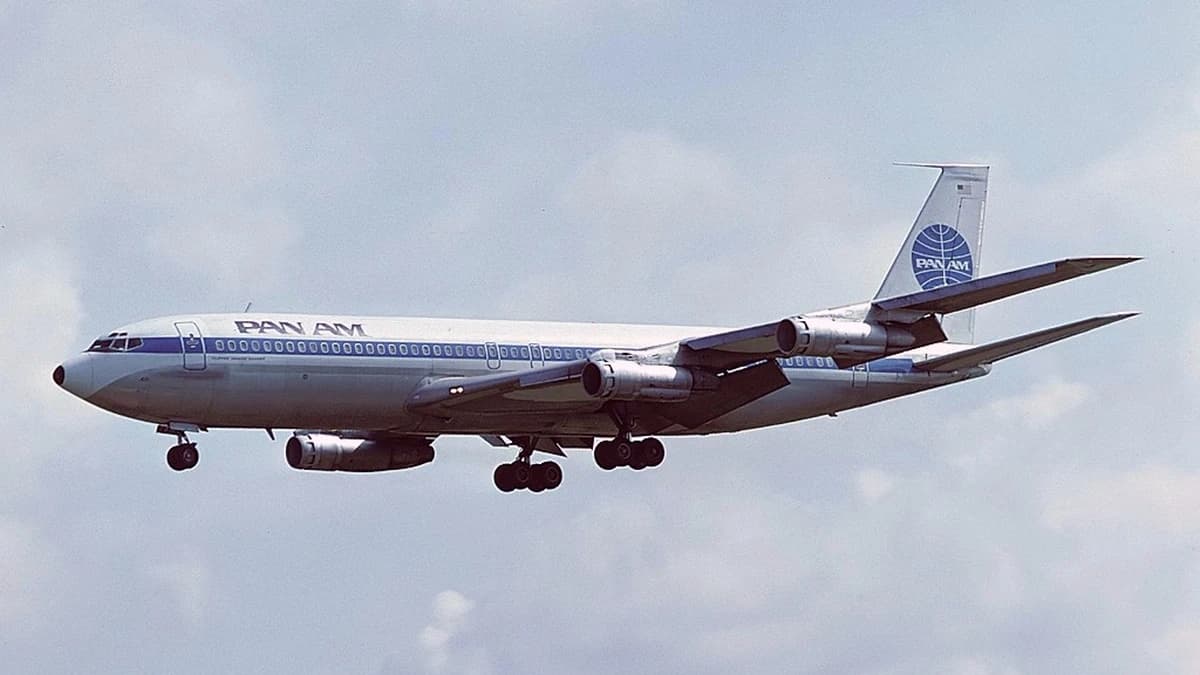
707-320B
Effettuò il primo volo nel 1962 entrando successivamente in servizio attivo.
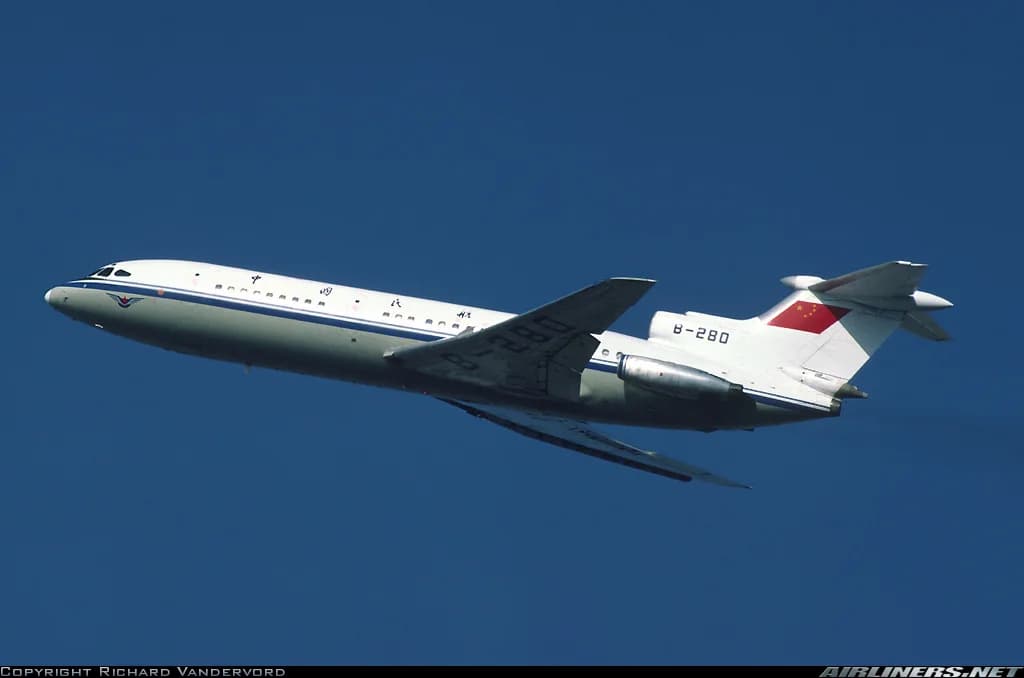
Trident
Effettuò il primo volo nel 1962 entrando successivamente in servizio attivo.
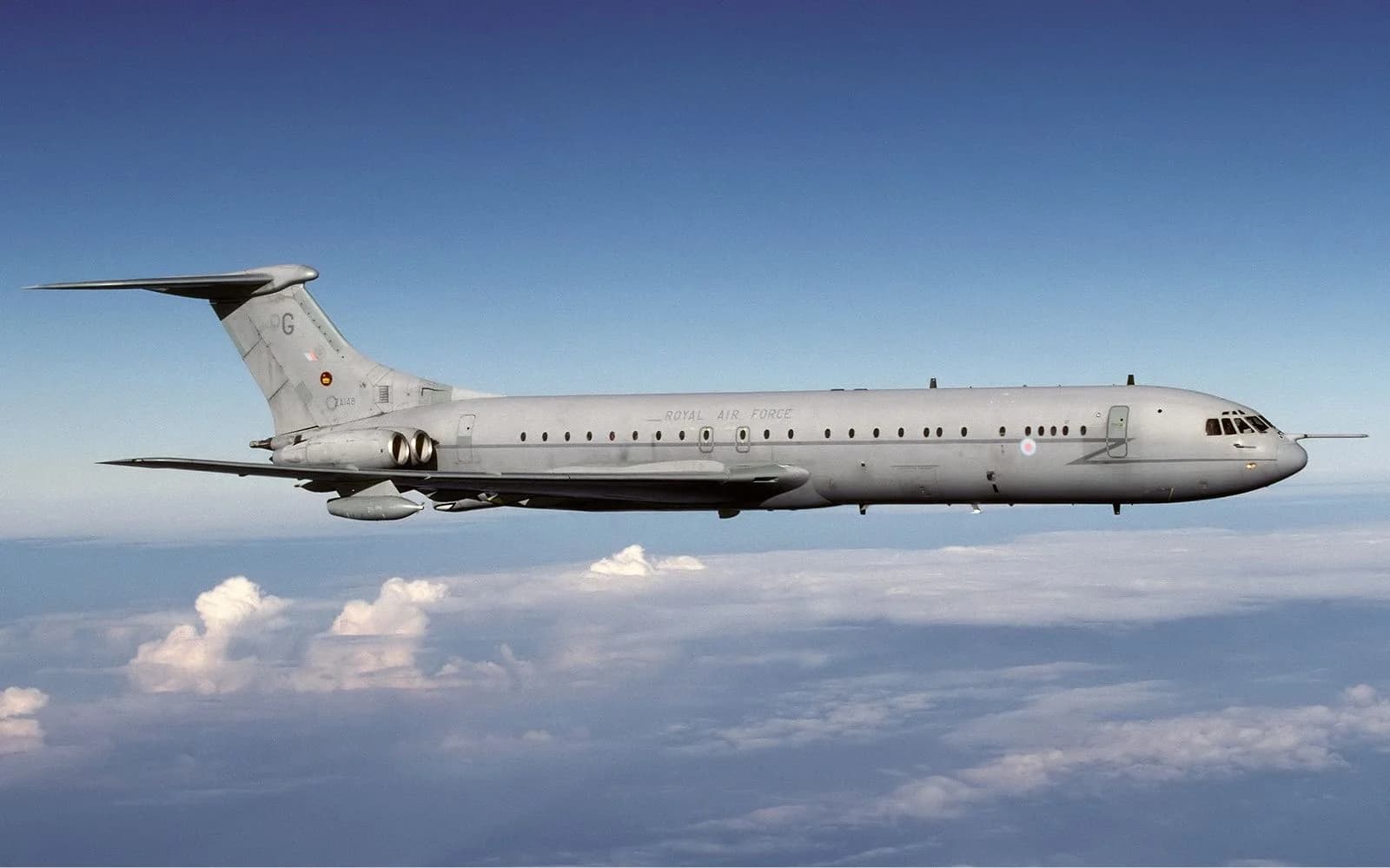
VC10 Standard
Effettuò il primo volo nel 1962 entrando successivamente in servizio attivo.
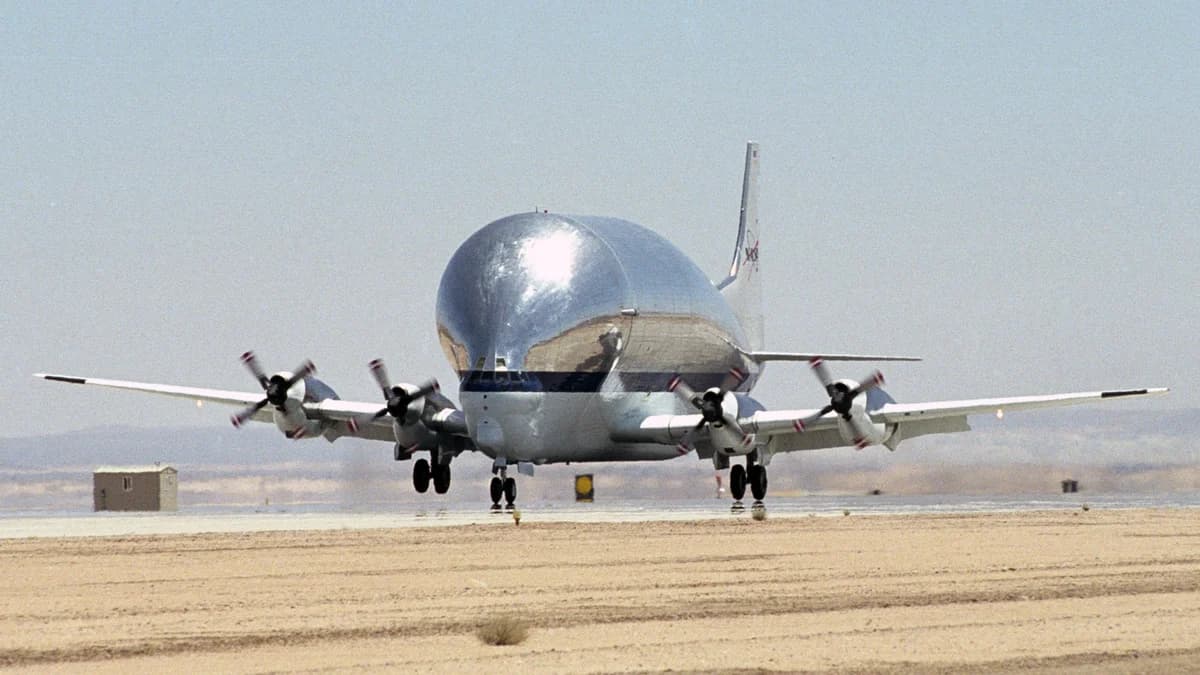
Super Guppy
Effettuò il primo volo nel 1962 entrando successivamente in servizio attivo.
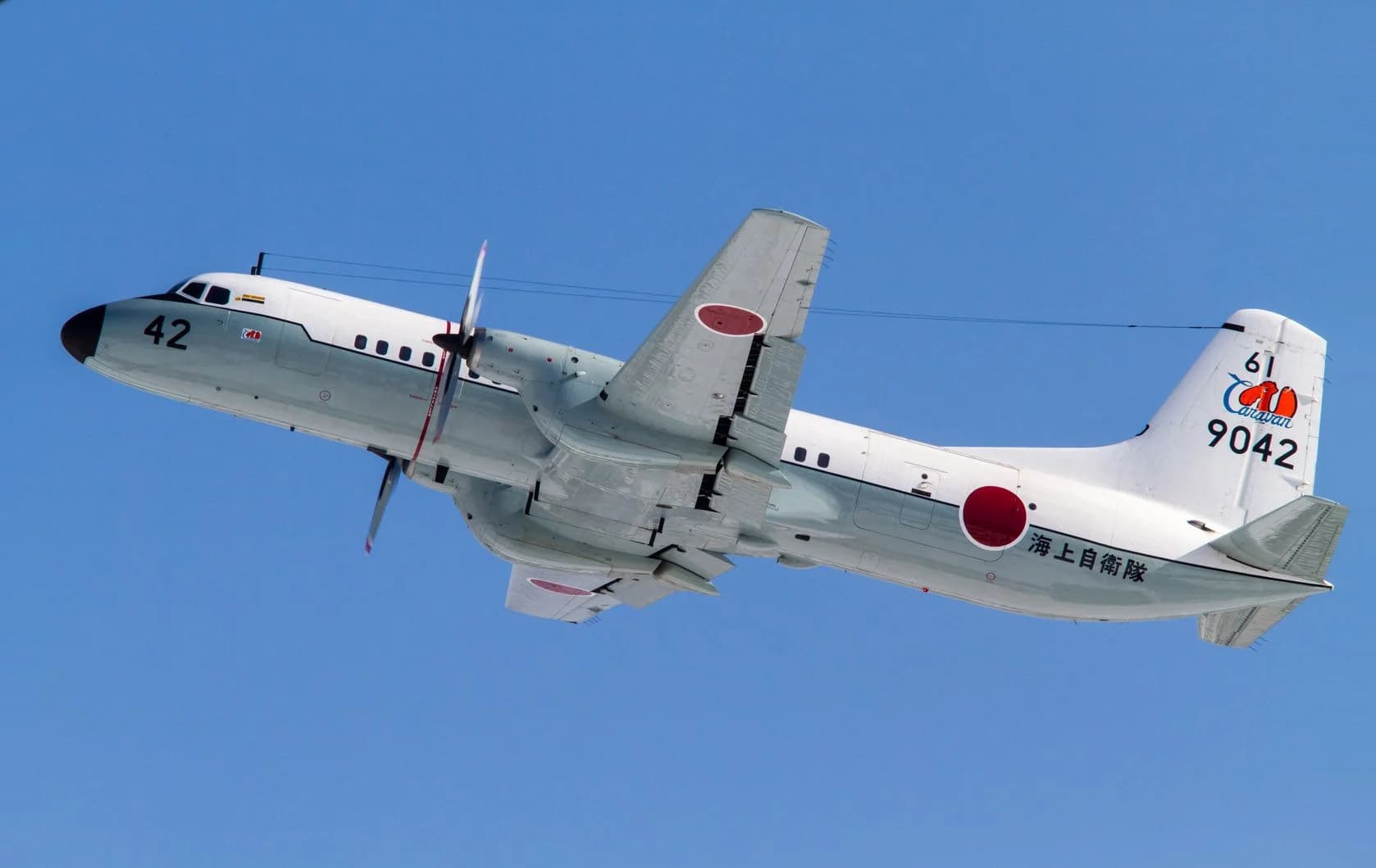
YS-11
Effettuò il primo volo nel 1962 entrando successivamente in servizio attivo.
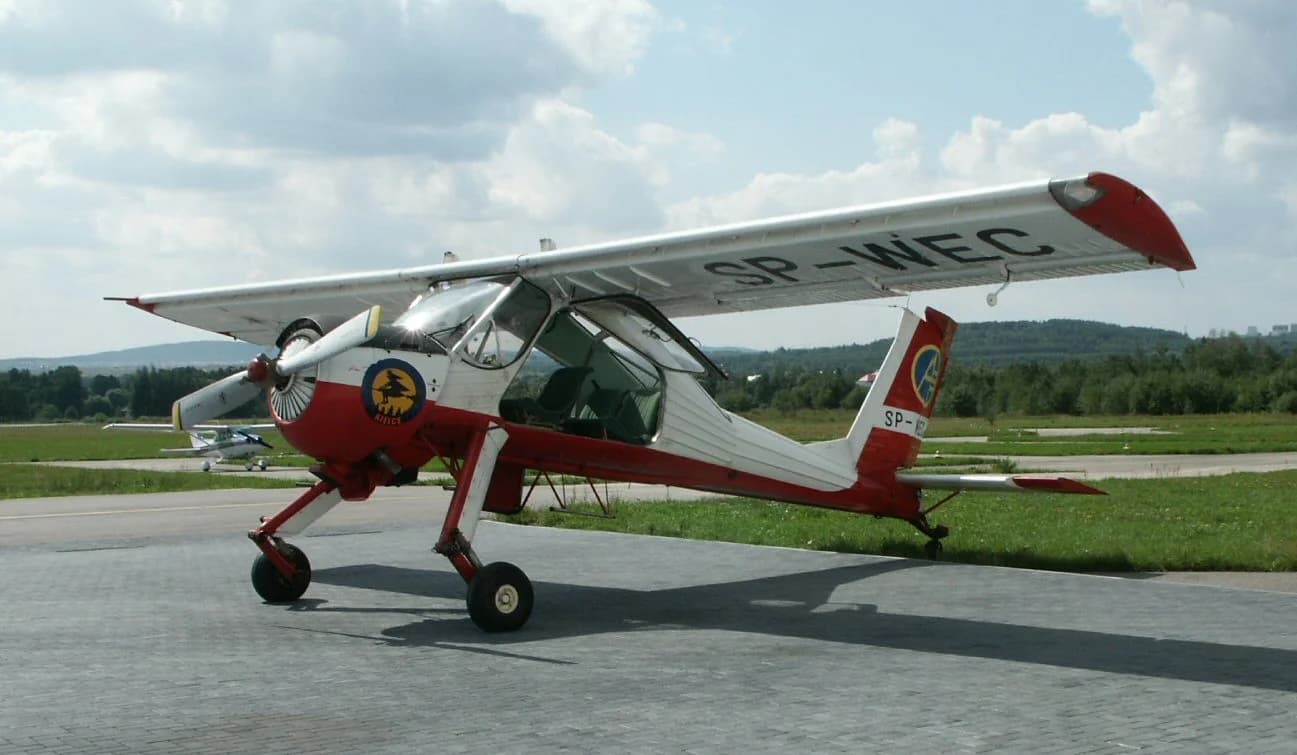
PZL-104 Wilga
Celeberrimo aereo da traino alianti e collegamento leggero ad ala alta con carrello d'atterraggio molto ammortizzato.
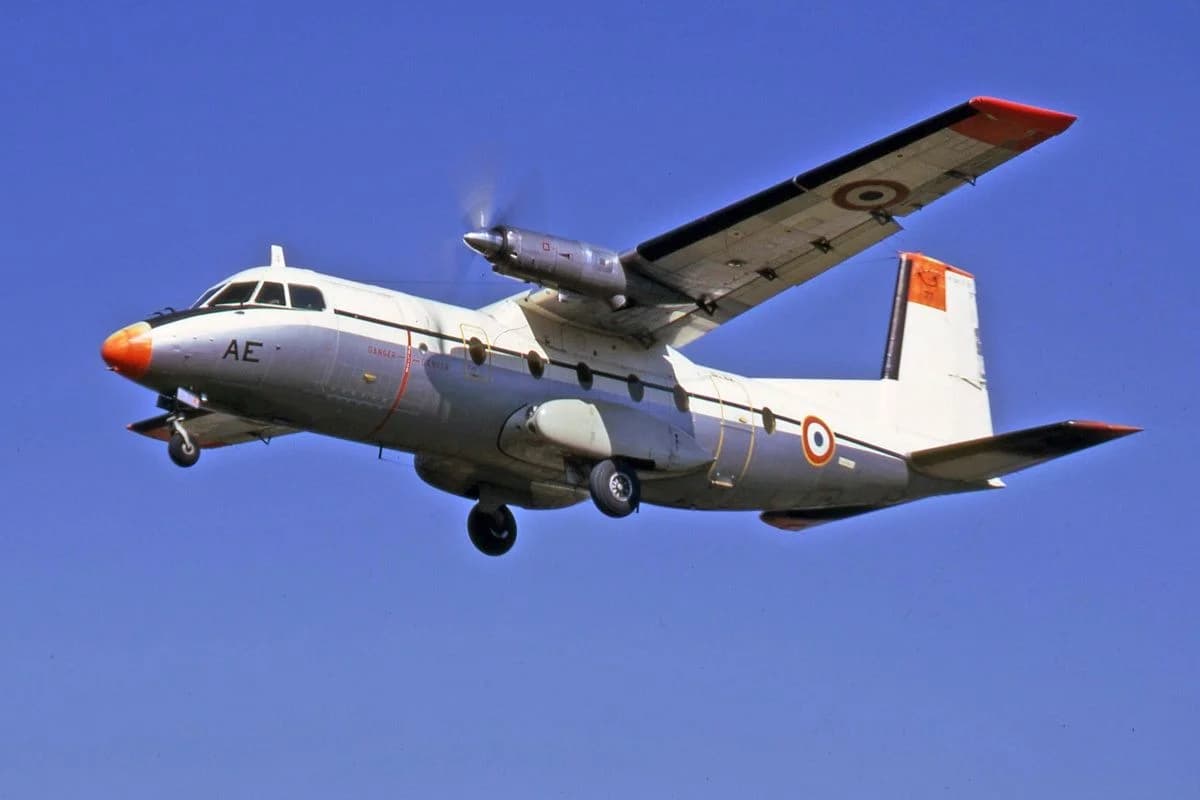
Nord 262
Effettuò il primo volo nel 1962 entrando successivamente in servizio attivo.
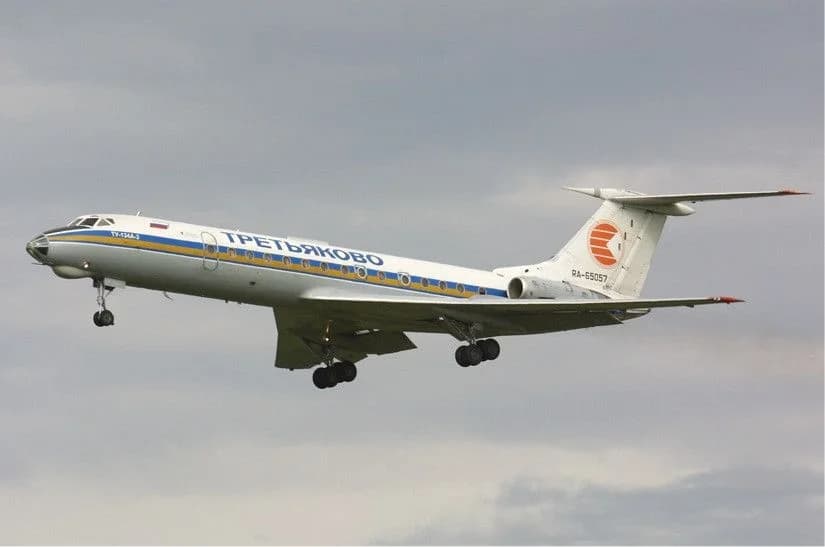
Tu-134
Effettuò il primo volo nel 1963 entrando successivamente in servizio attivo.
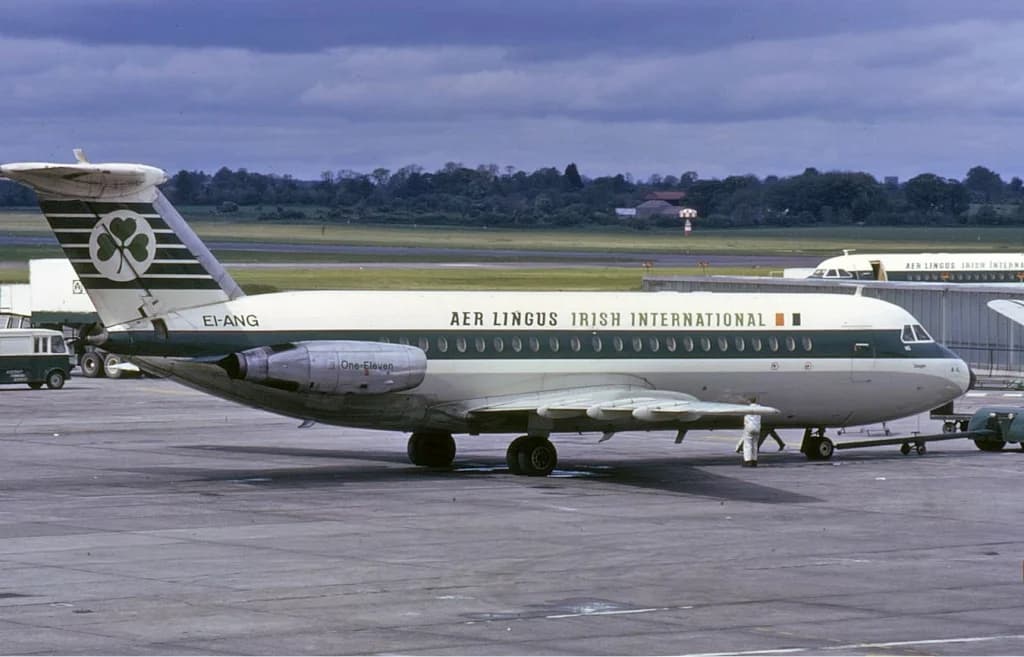
One-Eleven 200
Effettuò il primo volo nel 1963 entrando successivamente in servizio attivo.
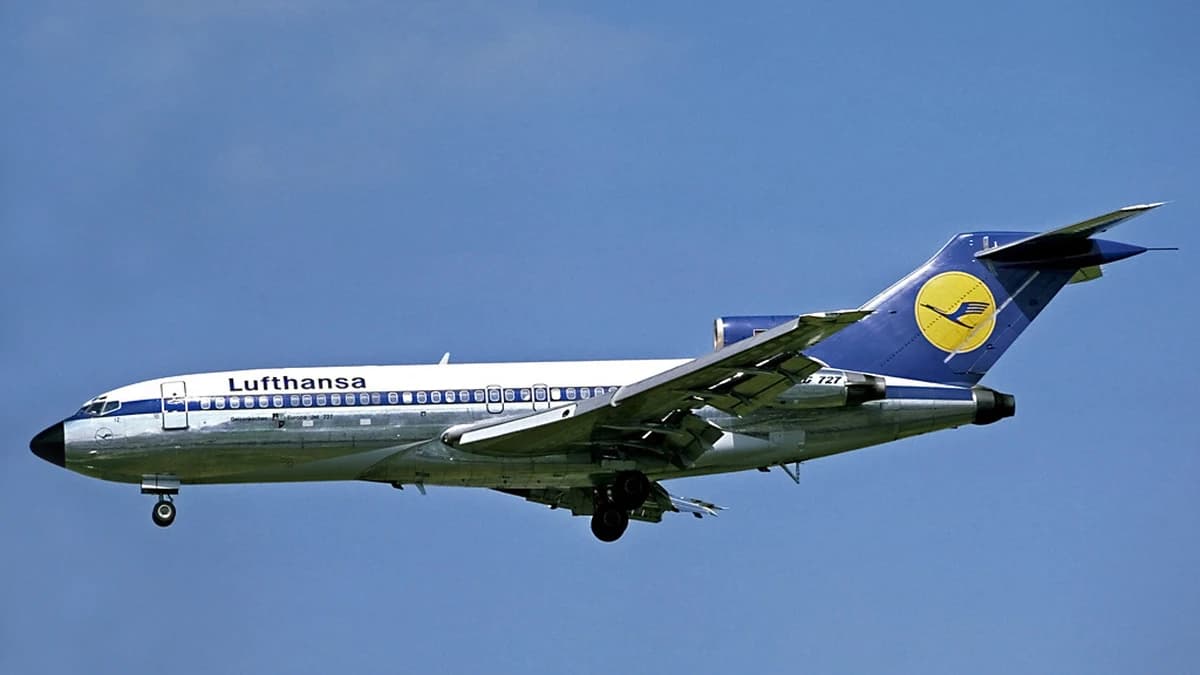
727-100
Effettuò il primo volo nel 1963 entrando successivamente in servizio attivo.

MU-2
Effettuò il primo volo nel 1963 entrando successivamente in servizio attivo.
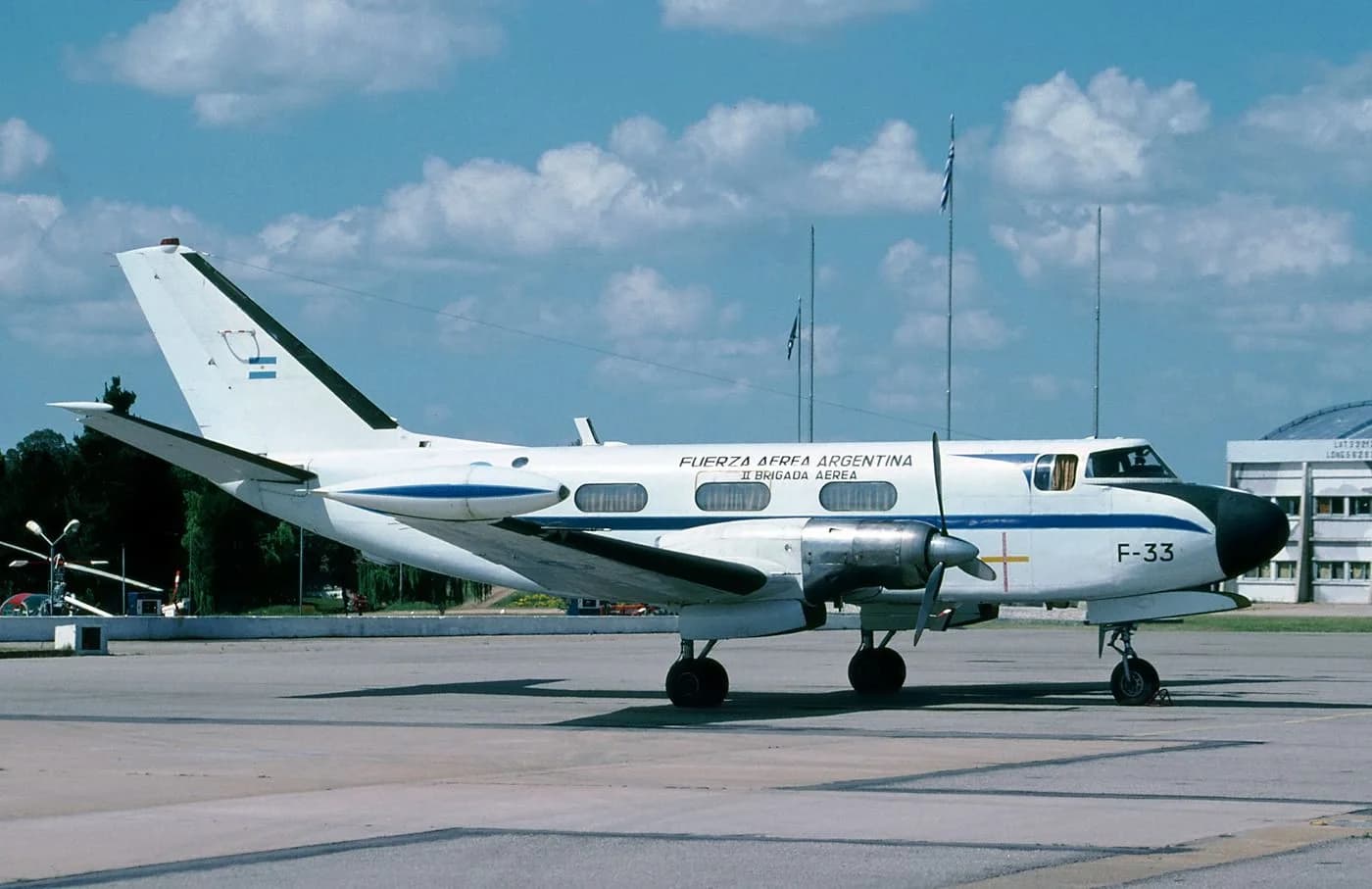
IA 50 Guaraní II
Effettuò il primo volo nel 1963 entrando successivamente in servizio attivo.
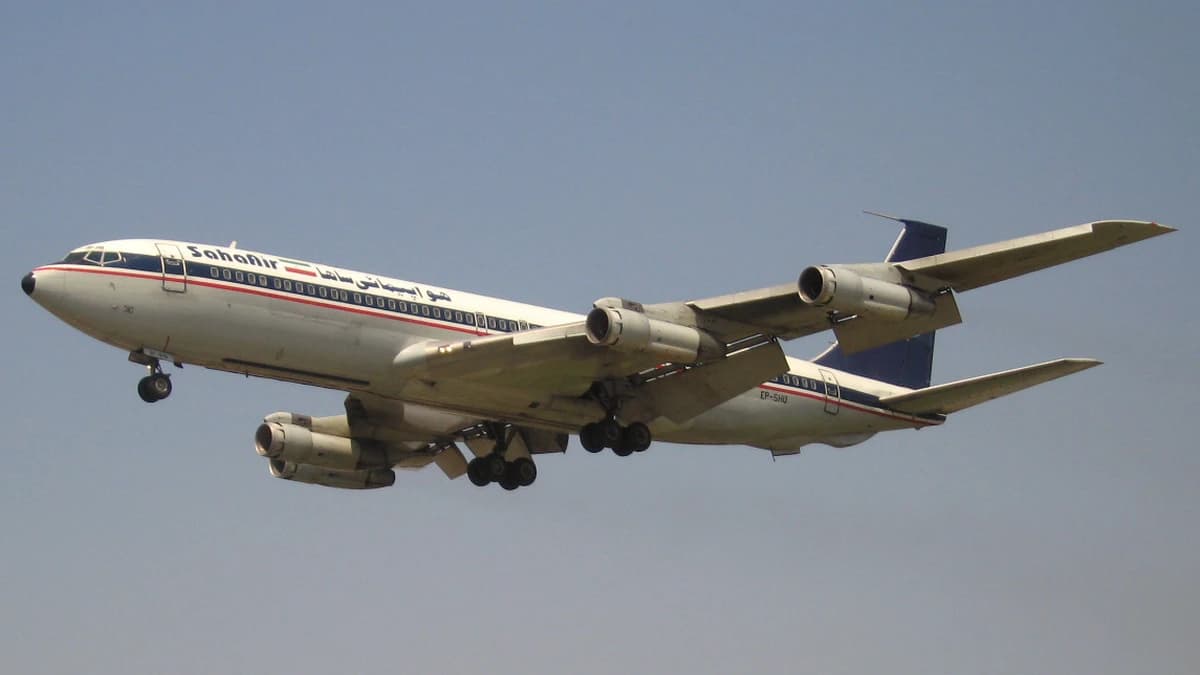
707-320C
Effettuò il primo volo nel 1963 entrando successivamente in servizio attivo.
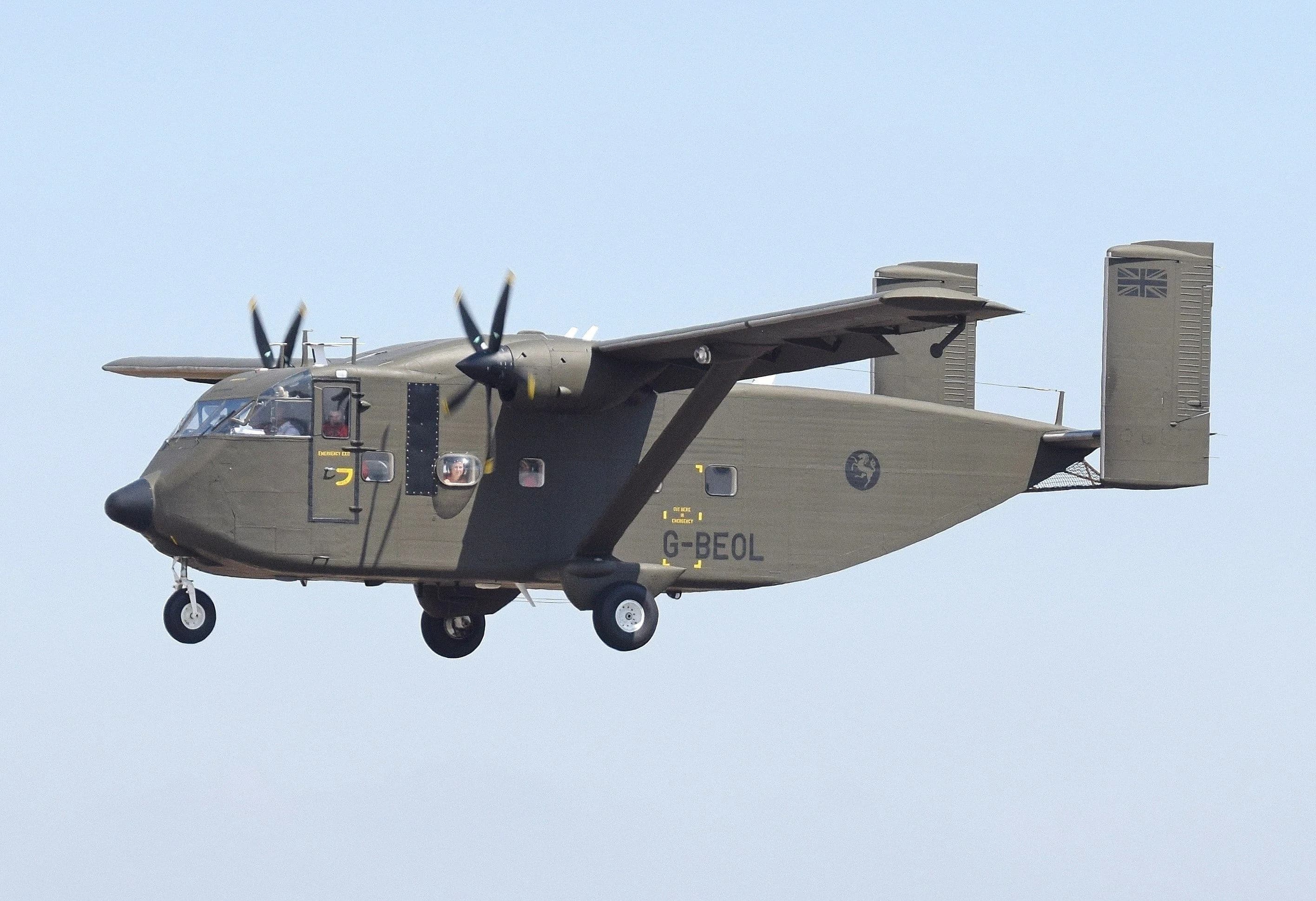
SC.7 Skyvan
Effettuò il primo volo nel 1963 entrando successivamente in servizio attivo.
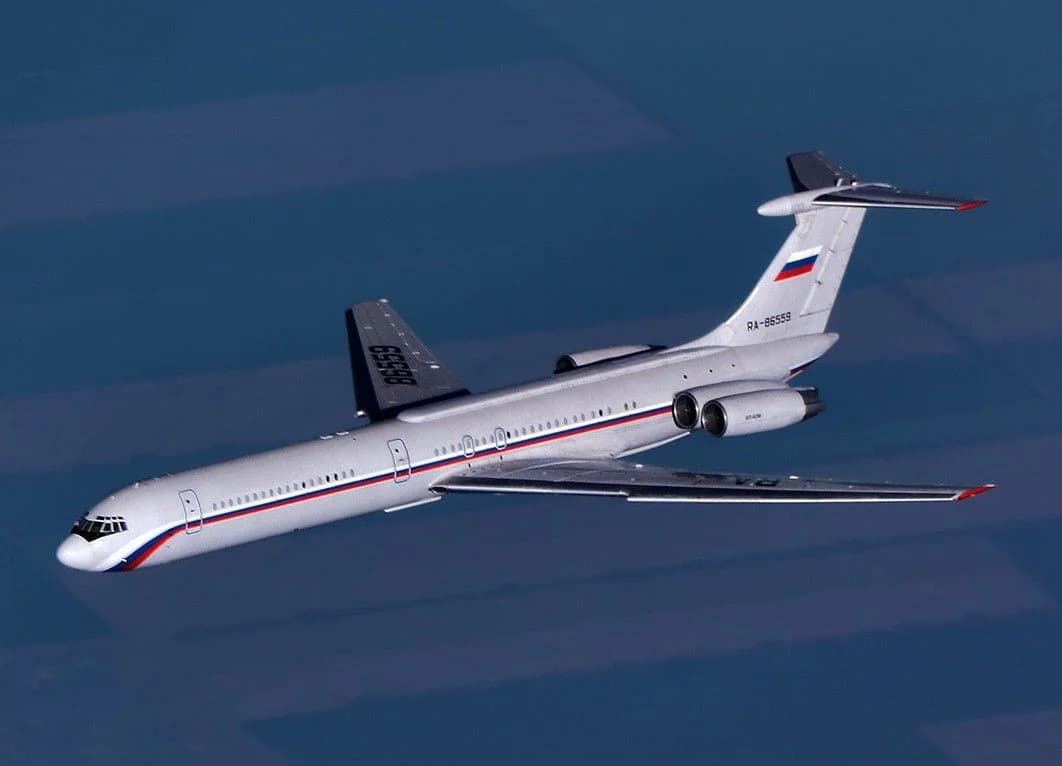
Il-62
Effettuò il primo volo nel 1963 entrando successivamente in servizio attivo.
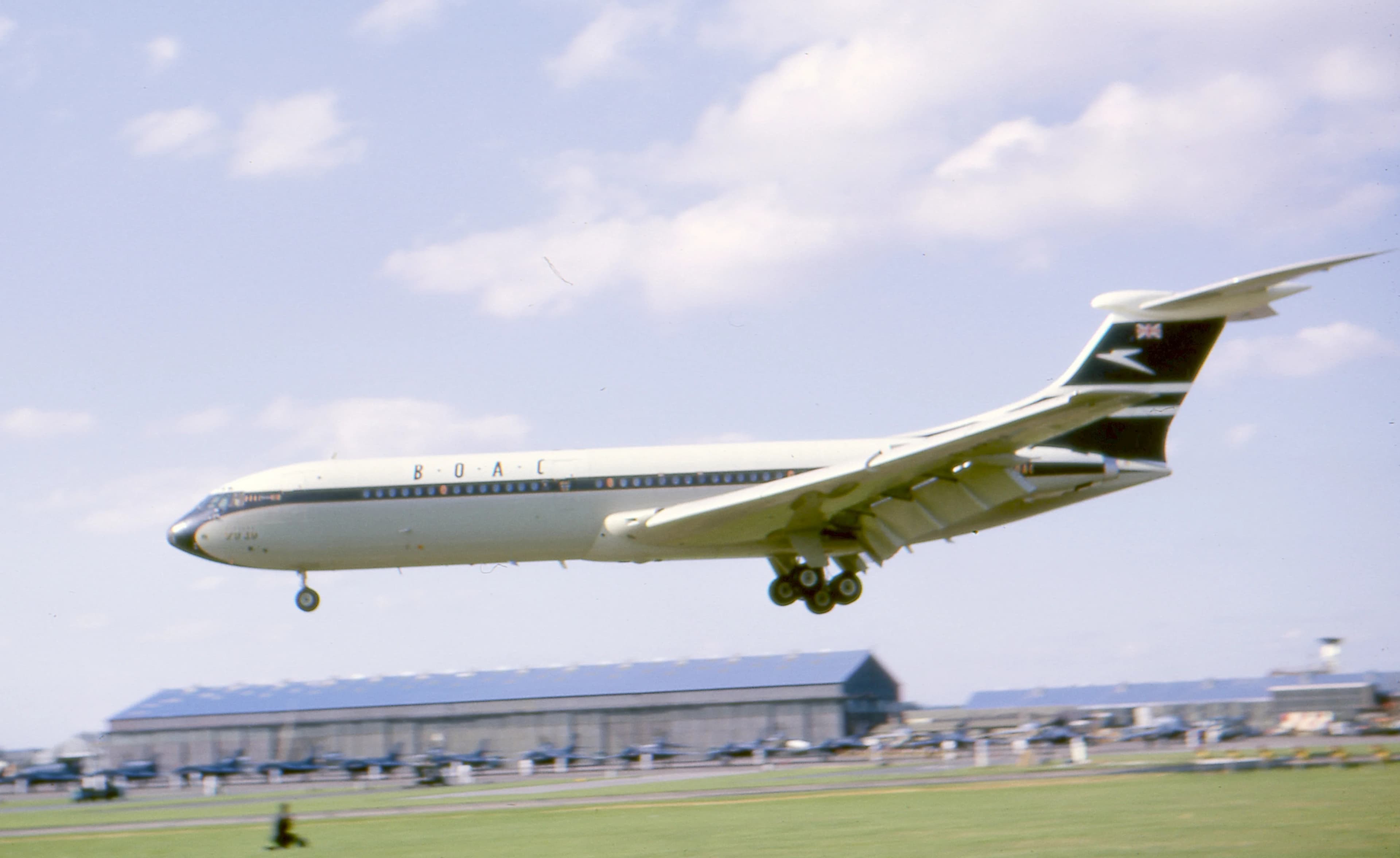
Super VC10
Progettato con motori raggruppati a coppie sulla parte posteriore della fusoliera per mantenere un'ala pulita ed efficiente.
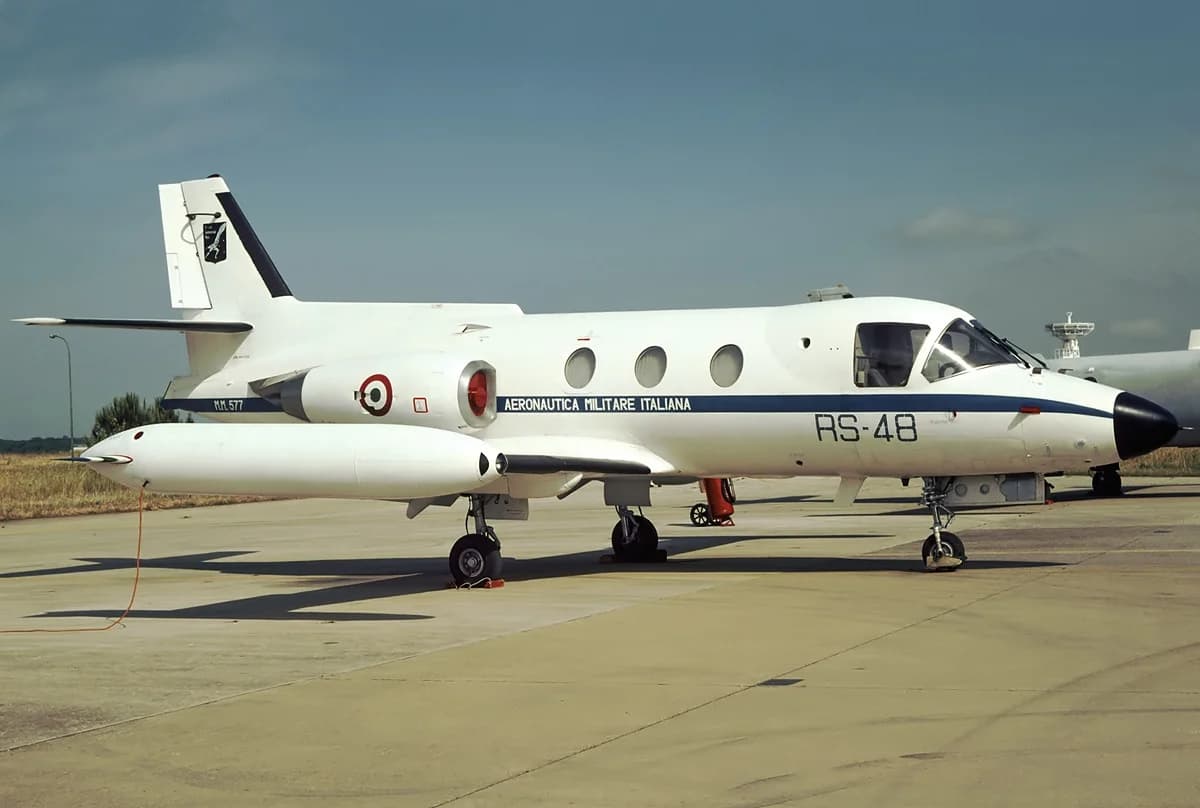
Piaggio-Douglas PD.808
Effettuò il primo volo nel 1964 entrando successivamente in servizio attivo.
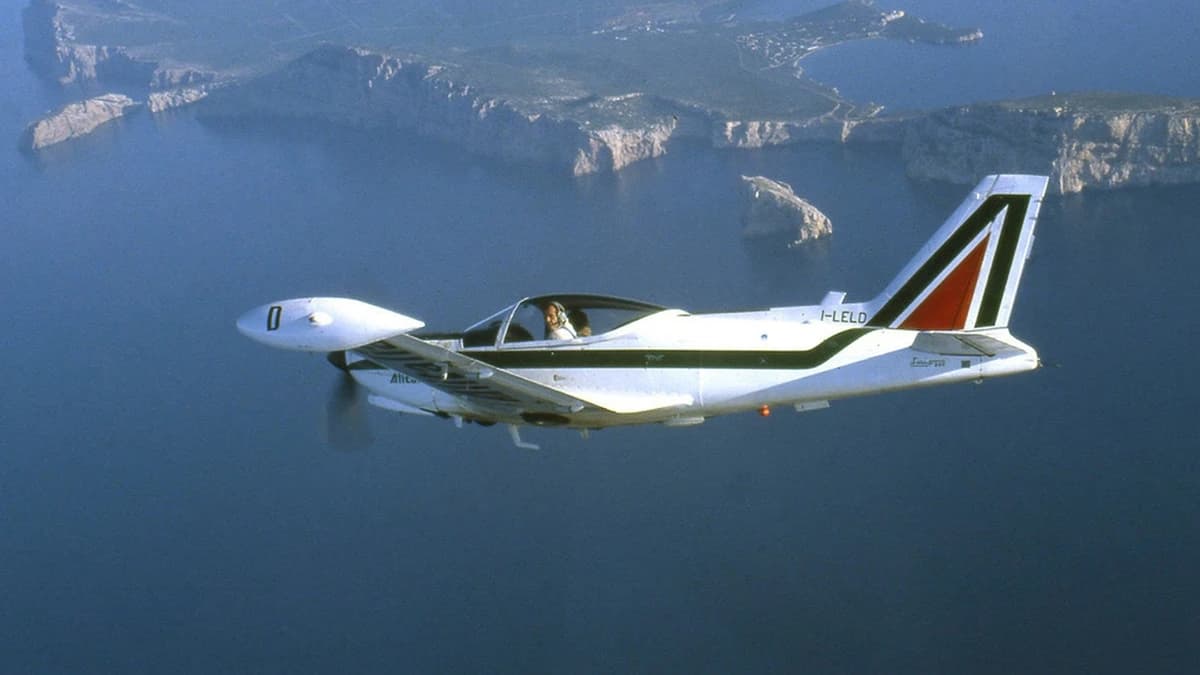
SF-260
Effettuò il primo volo nel 1964 entrando successivamente in servizio attivo.
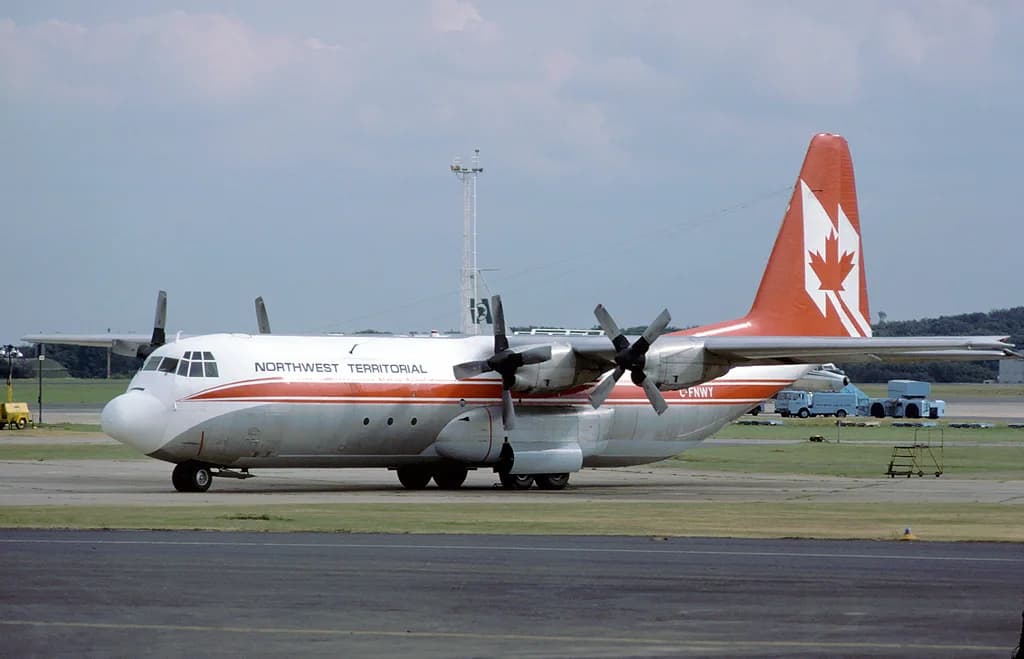
L-100 Hercules
È la variante commerciale e demilitarizzata del leggendario aereo da trasporto militare C-130 Hercules.
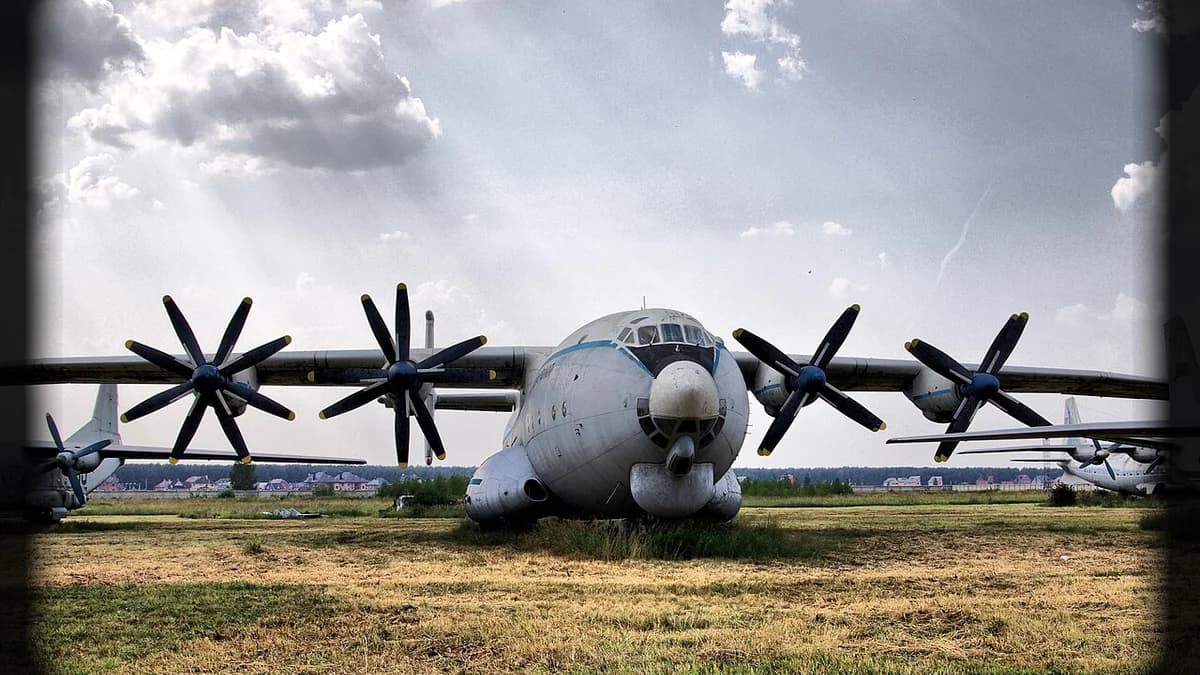
An-22 Antei
Effettuò il primo volo nel 1965 entrando successivamente in servizio attivo.
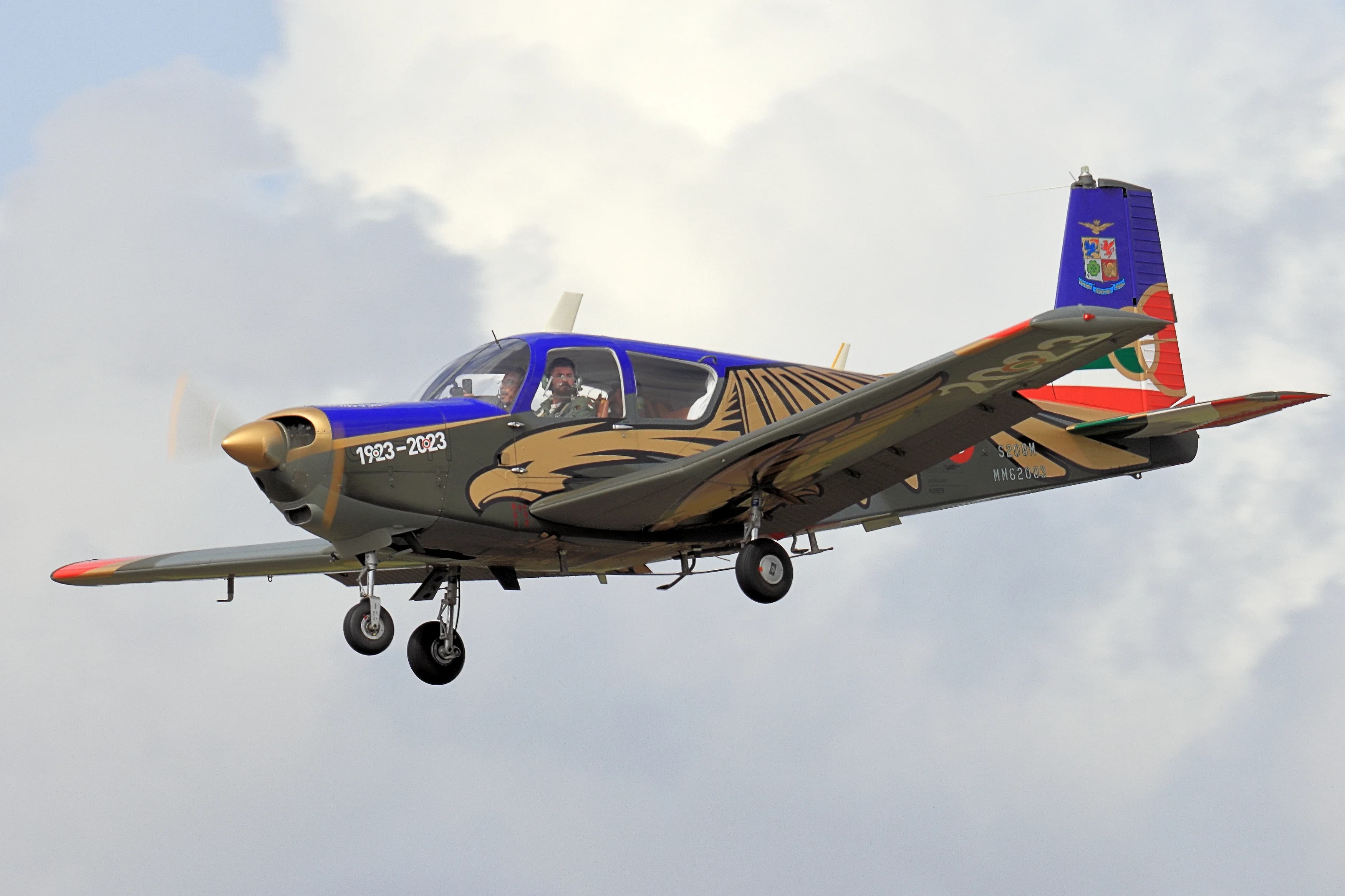
S.205
Fu un aereo da turismo leggero quadriposto ad ala bassa di grande successo commerciale progettato dall'ingegner Alessandro Brena.
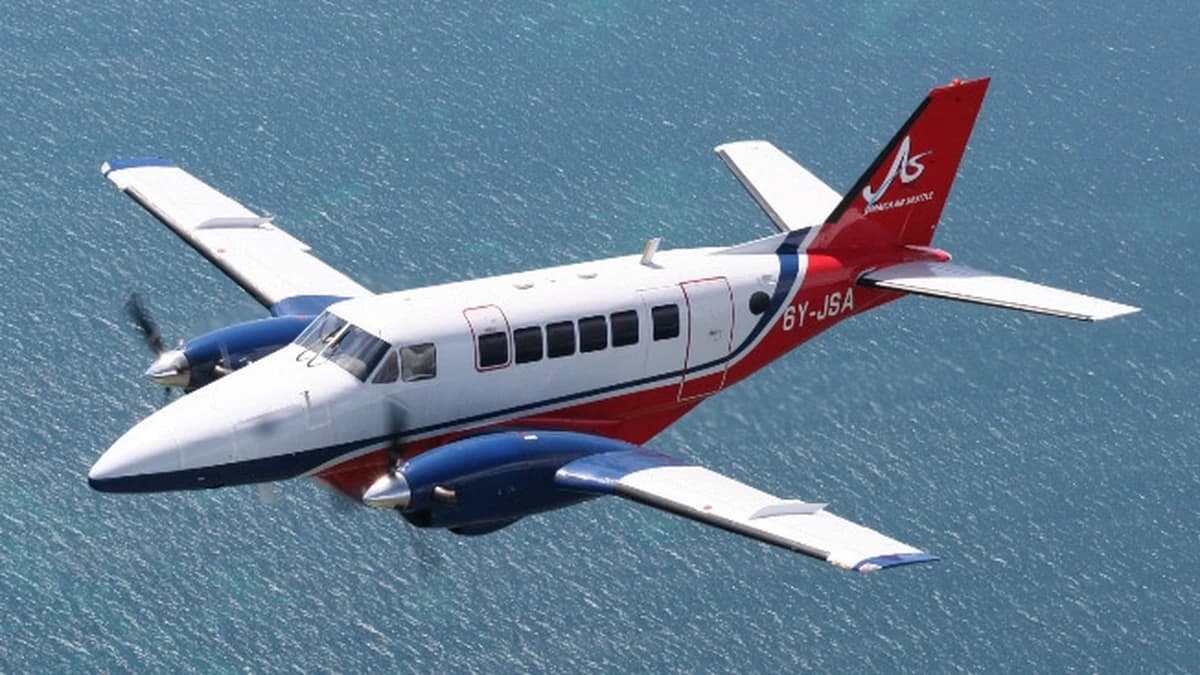
Model 99
Effettuò il primo volo nel 1965 entrando successivamente in servizio attivo.
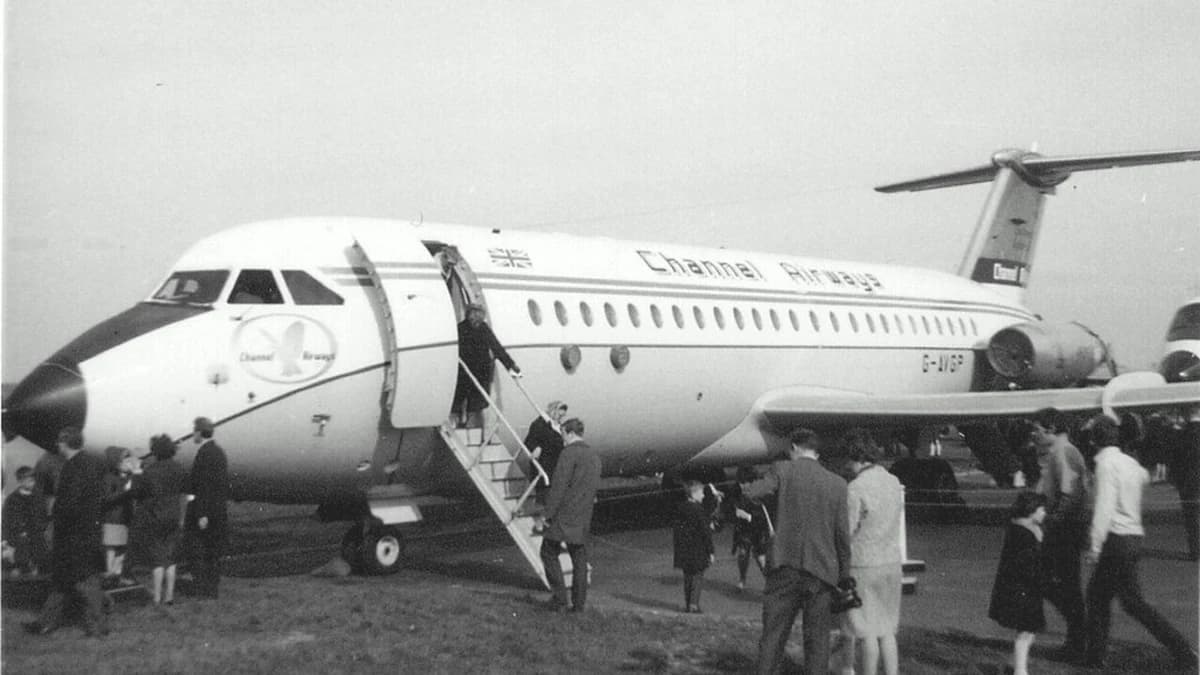
One-Eleven 400
Effettuò il primo volo nel 1965 entrando successivamente in servizio attivo.
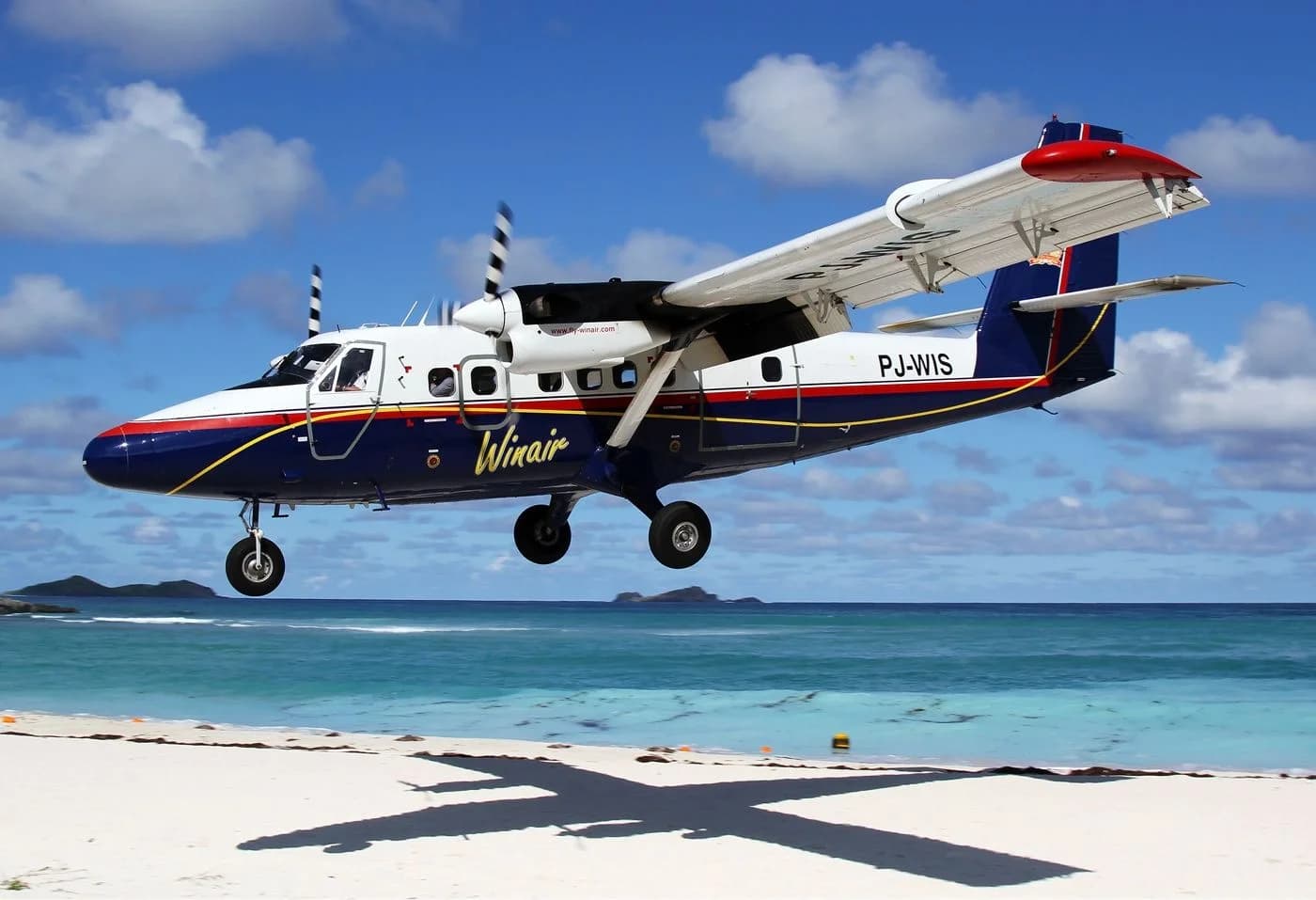
DHC-6 Twin Otter
Effettuò il primo volo nel 1965 entrando successivamente in servizio attivo.
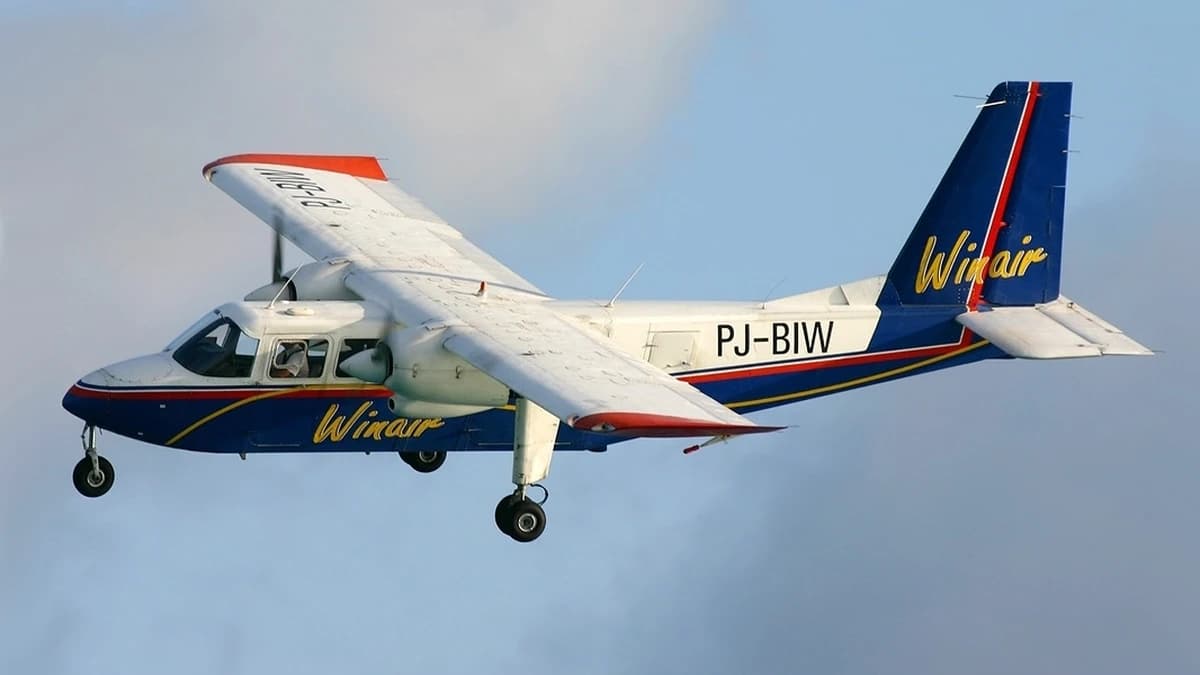
BN-2 Islander
Effettuò il primo volo nel 1965 entrando successivamente in servizio attivo.
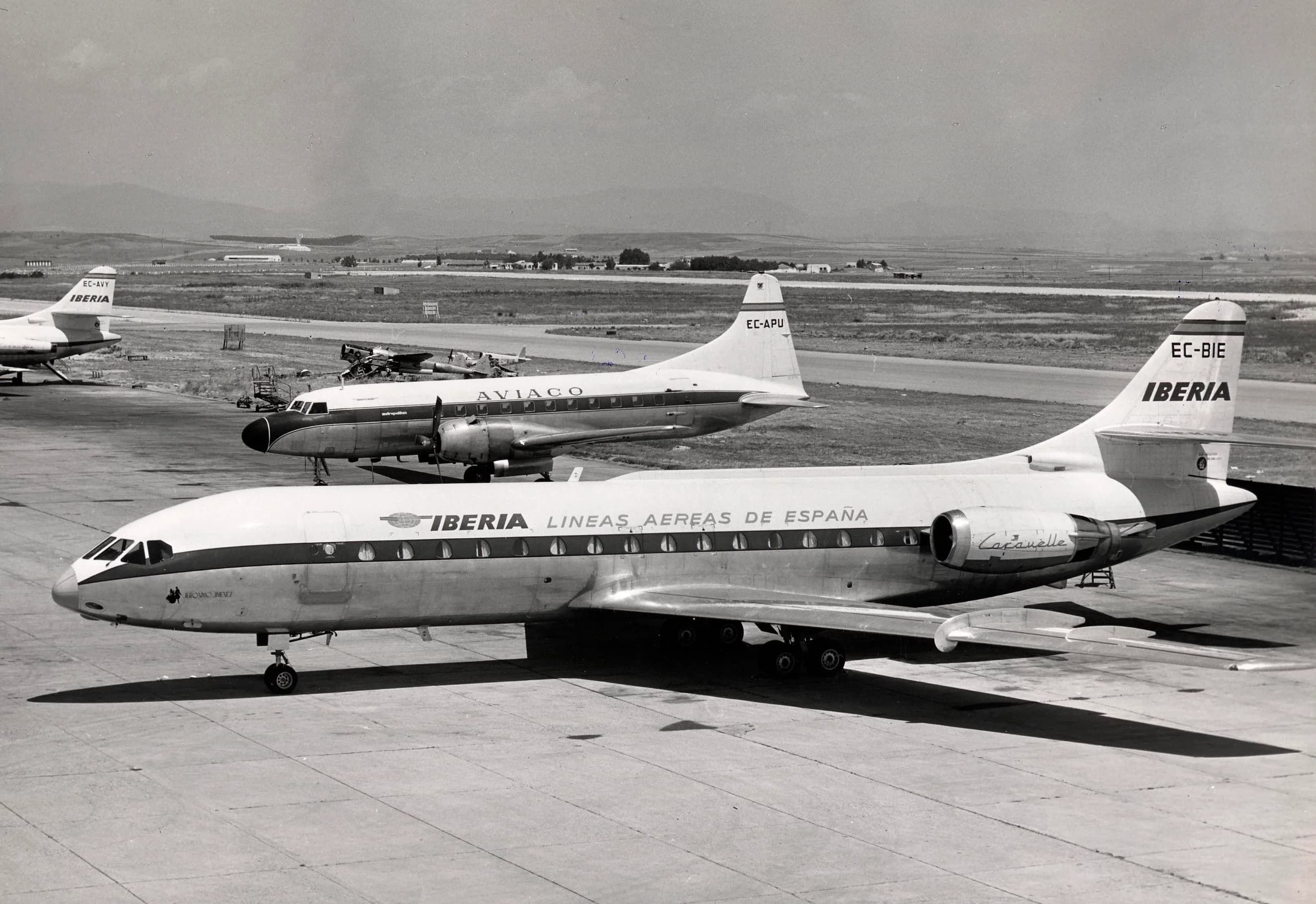
Caravelle 10 / 11R
Effettuò il primo volo nel 1965 entrando successivamente in servizio attivo.
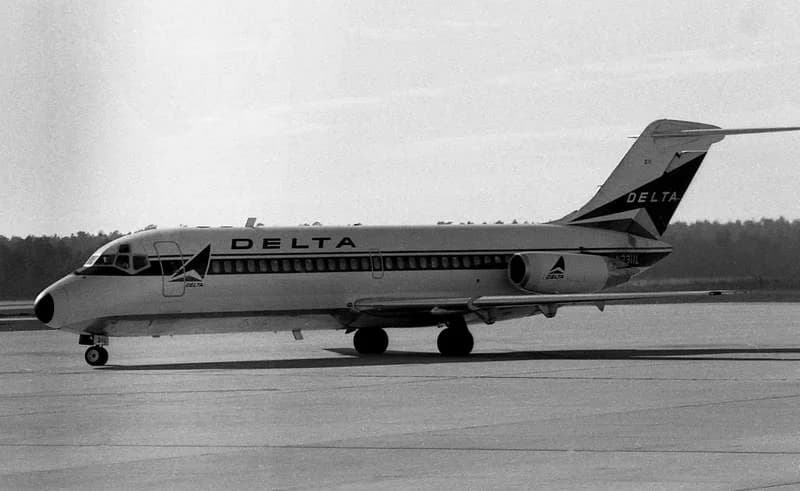
DC-9-10
Fu la prima versione di lancio a corto raggio del DC-9, con fusoliera corta e ali senza alette ipersentatrici d'attacco.
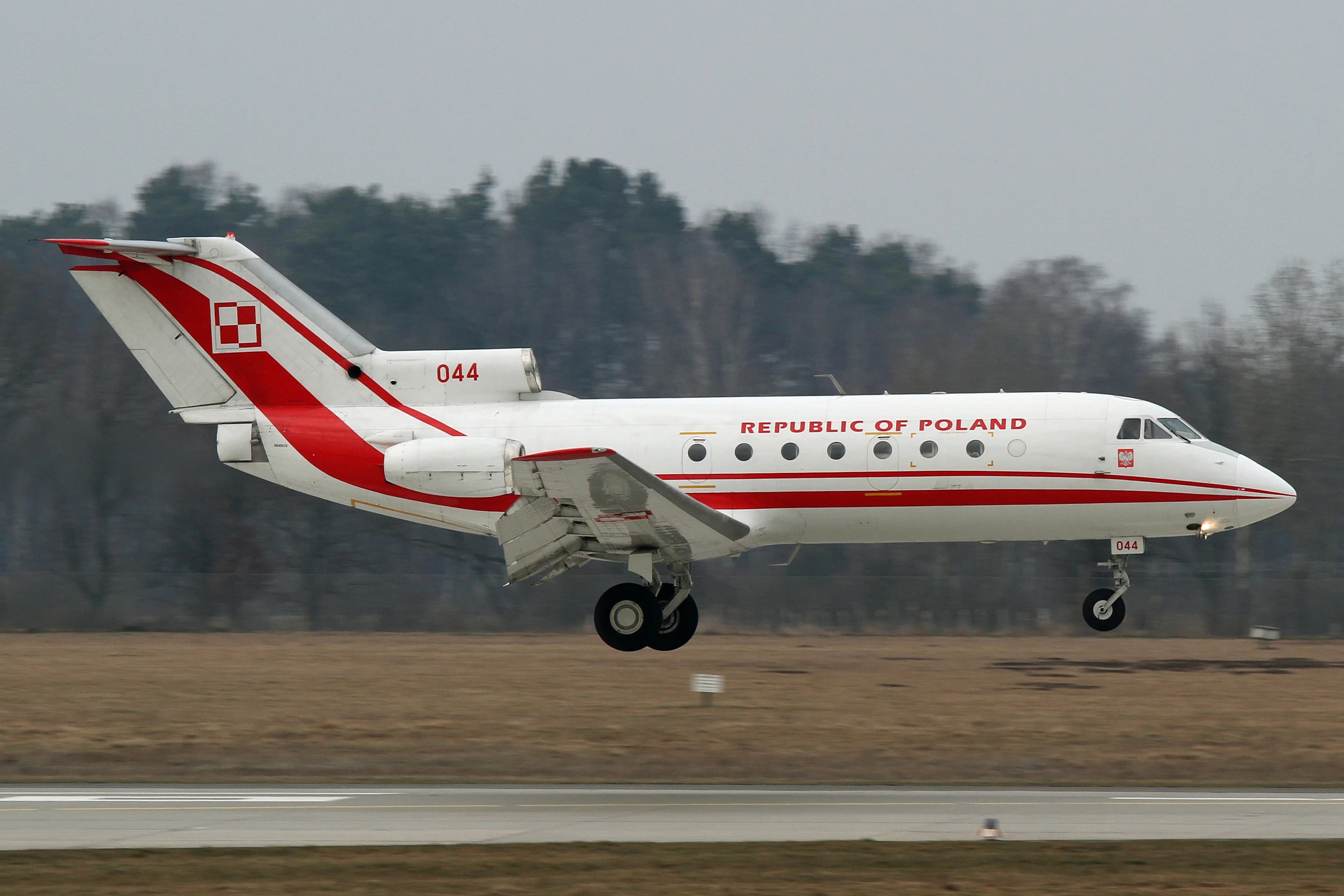
Yak-40
Effettuò il primo volo nel 1966 entrando successivamente in servizio attivo.
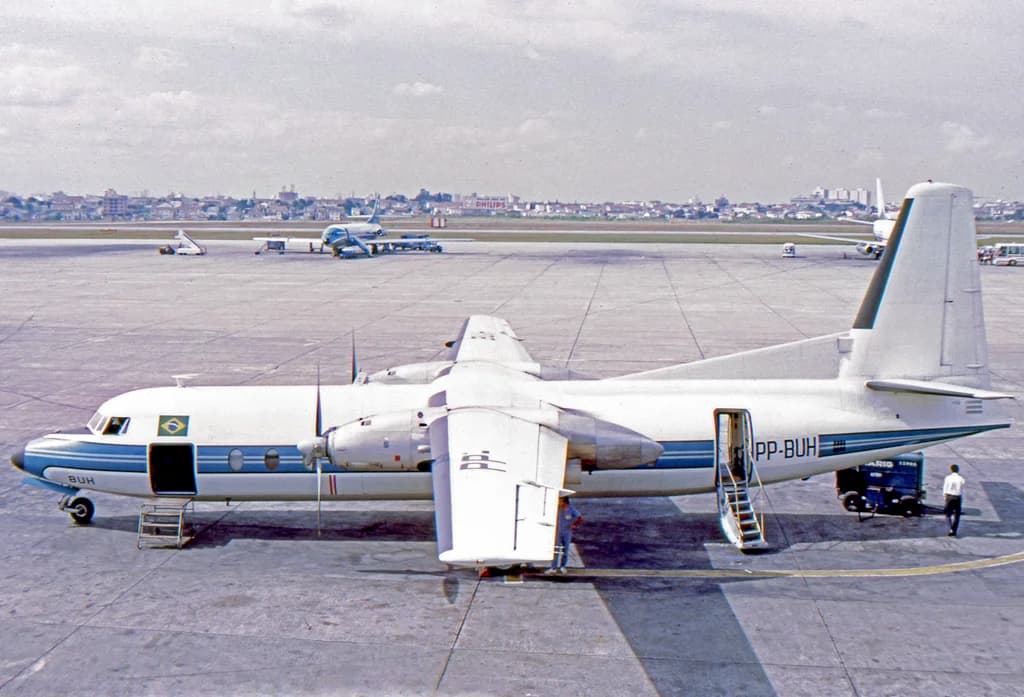
FH-227
Effettuò il primo volo nel 1966 entrando successivamente in servizio attivo.
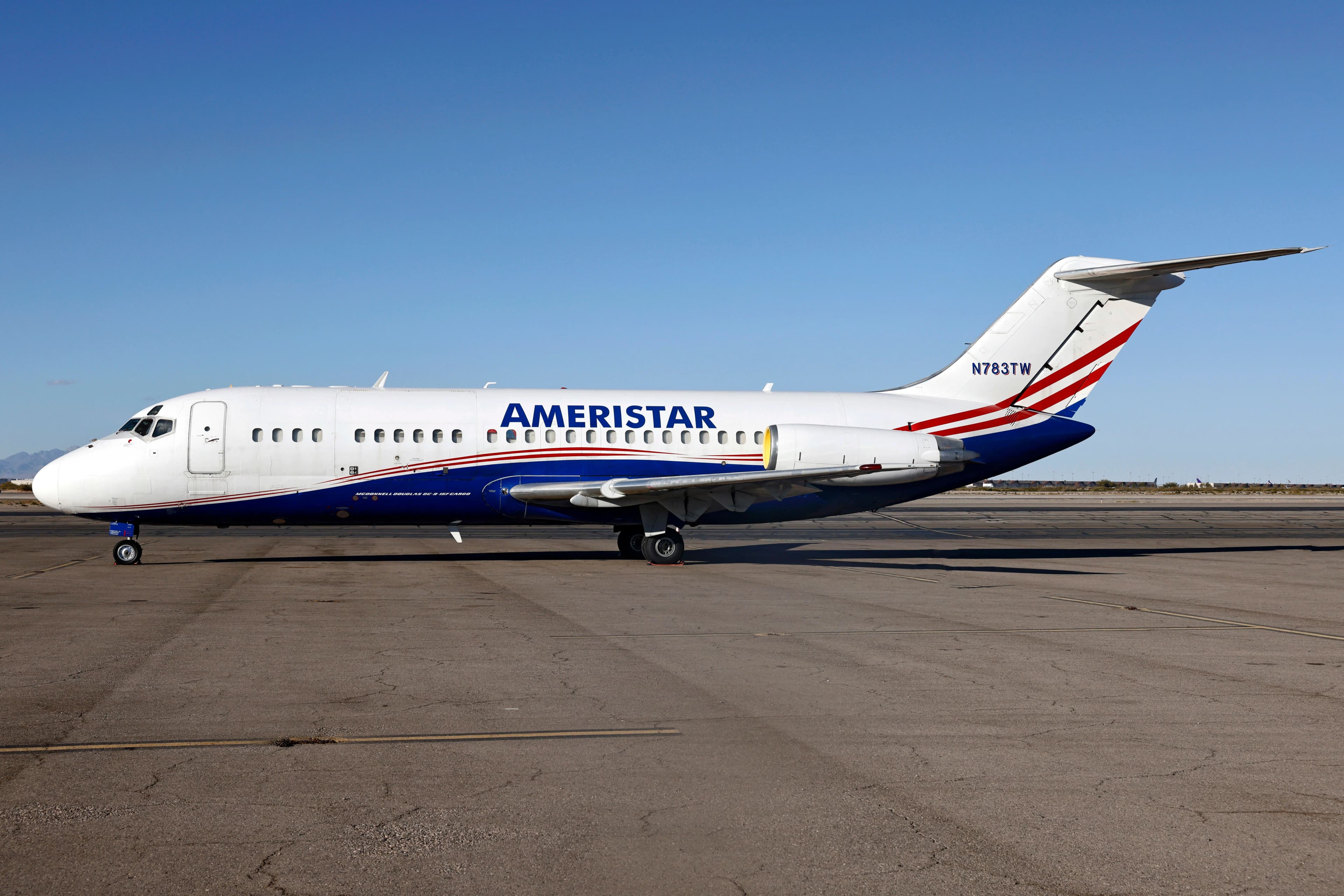
DC-9-30
Rappresenta la versione di maggior successo commerciale dell'intera famiglia DC-9, con 662 esemplari prodotti.
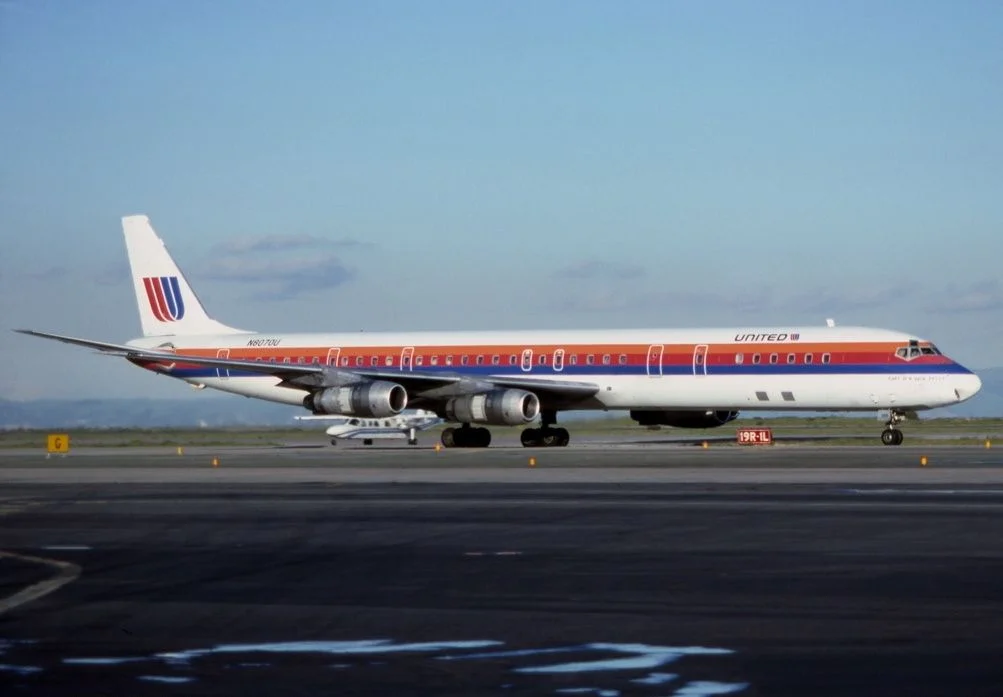
DC-8 Super 61
Effettuò il primo volo nel 1966 entrando successivamente in servizio attivo.
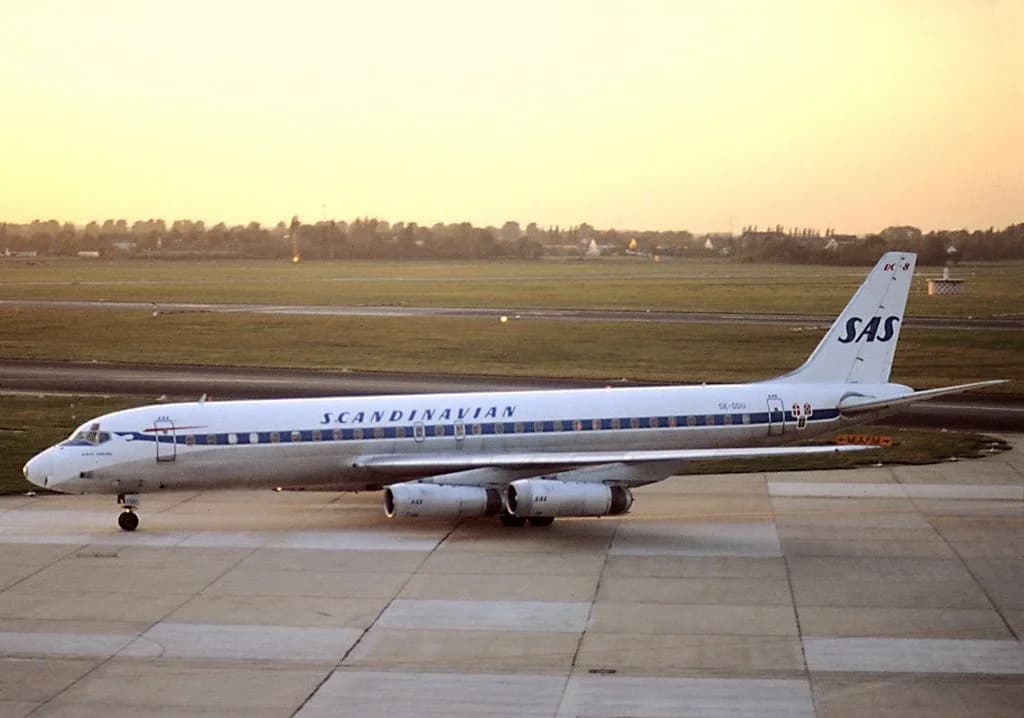
DC-8 Super 62
Effettuò il primo volo nel 1966 entrando successivamente in servizio attivo.
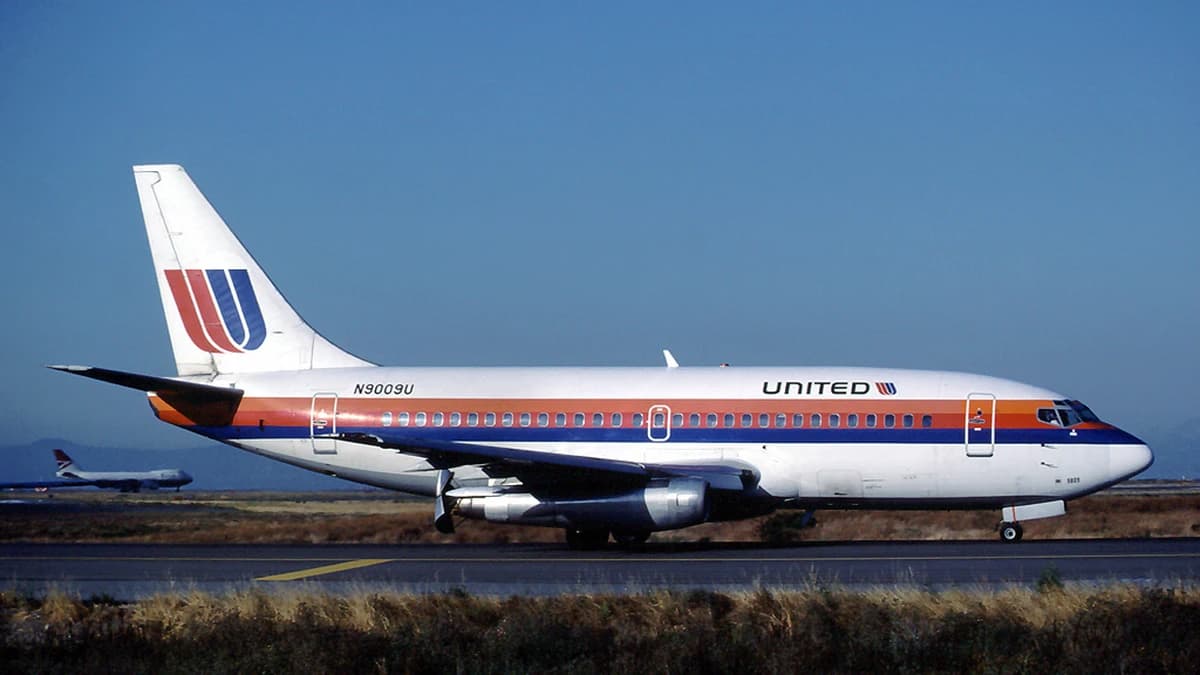
737-200
Effettuò il primo volo nel 1967 entrando successivamente in servizio attivo.
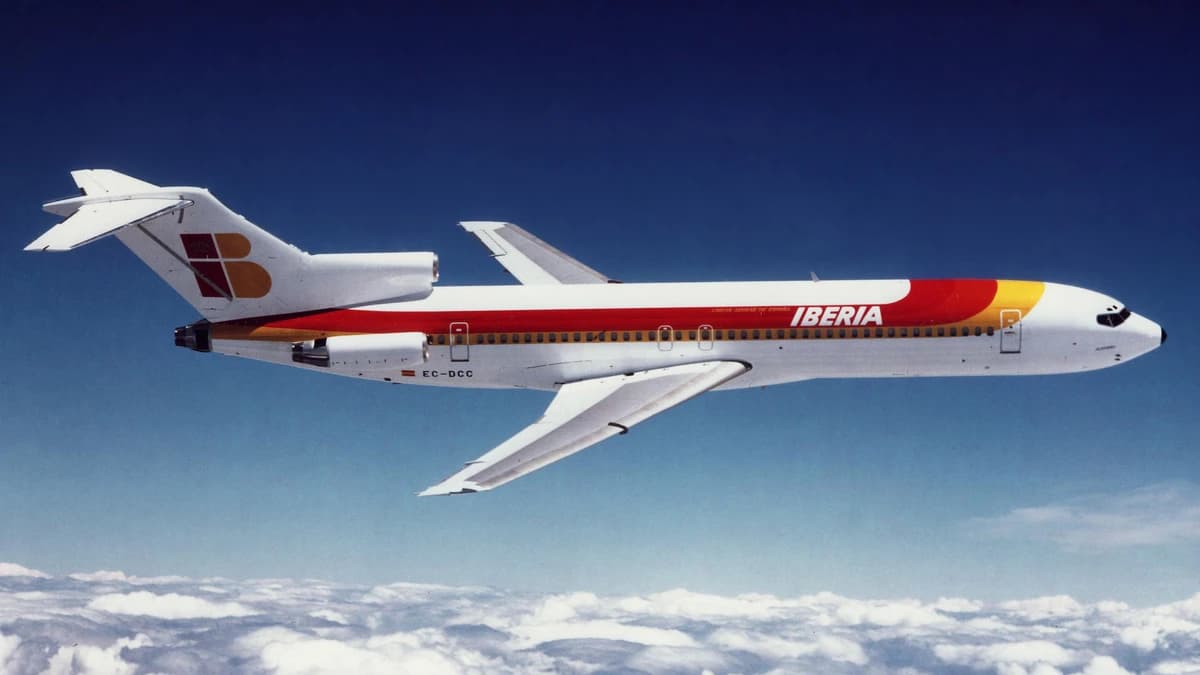
727-200
Effettuò il primo volo nel 1967 entrando successivamente in servizio attivo.
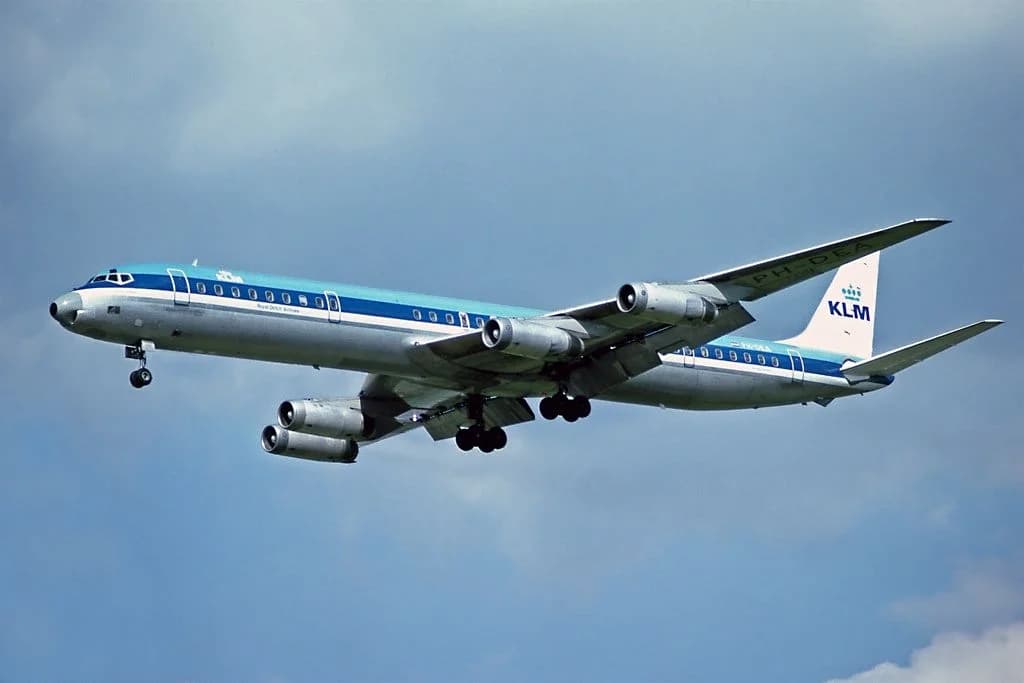
DC-8 Super 63
Effettuò il primo volo nel 1967 entrando successivamente in servizio attivo.
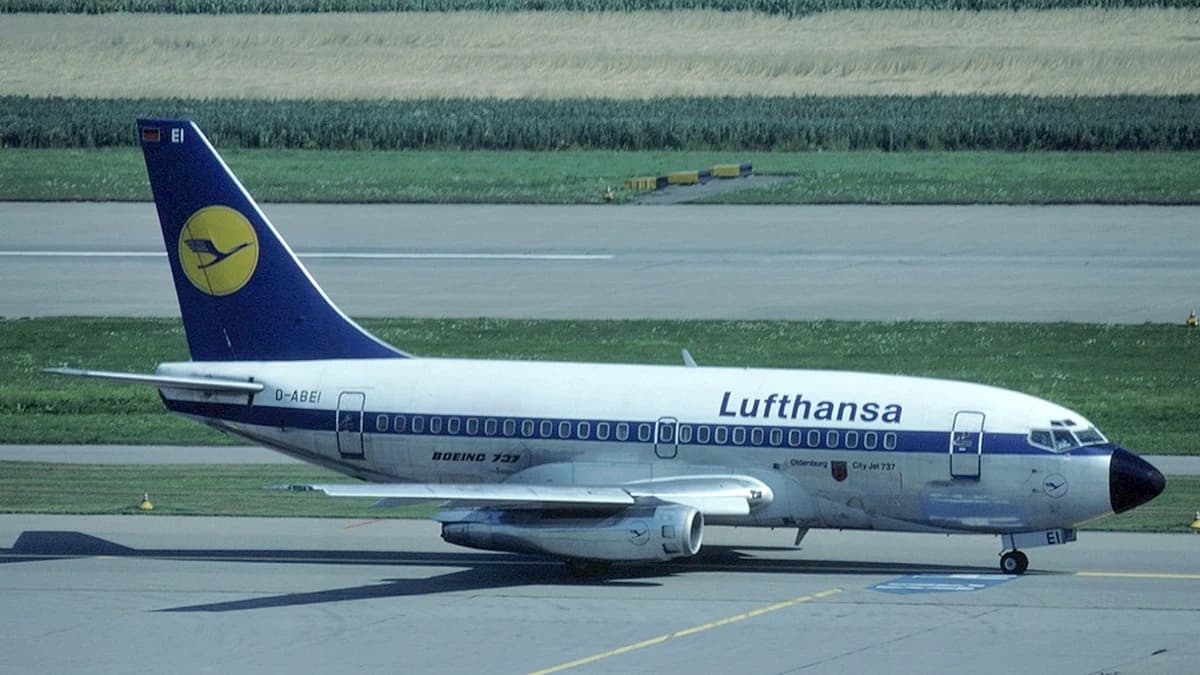
737-100
Effettuò il primo volo nel 1967 entrando successivamente in servizio attivo.
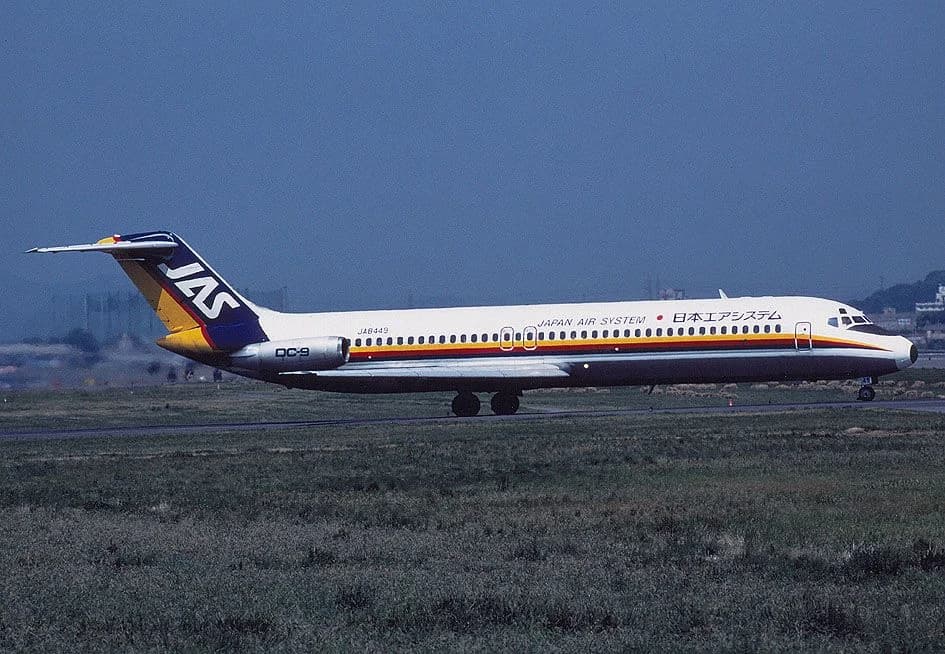
DC-9-40
Fu sviluppato su richiesta specifica di Scandinavian Airlines (SAS) per disporre di maggiore capacità passeggeri rispetto alla serie -30.
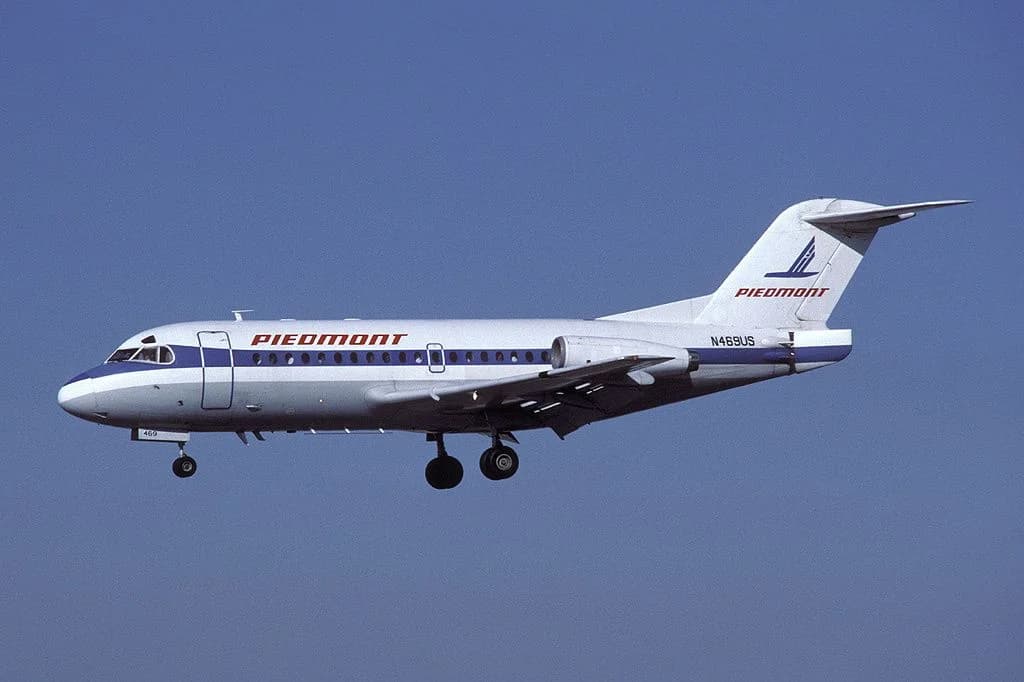
F28 Fellowship
Effettuò il primo volo nel 1967 entrando successivamente in servizio attivo.
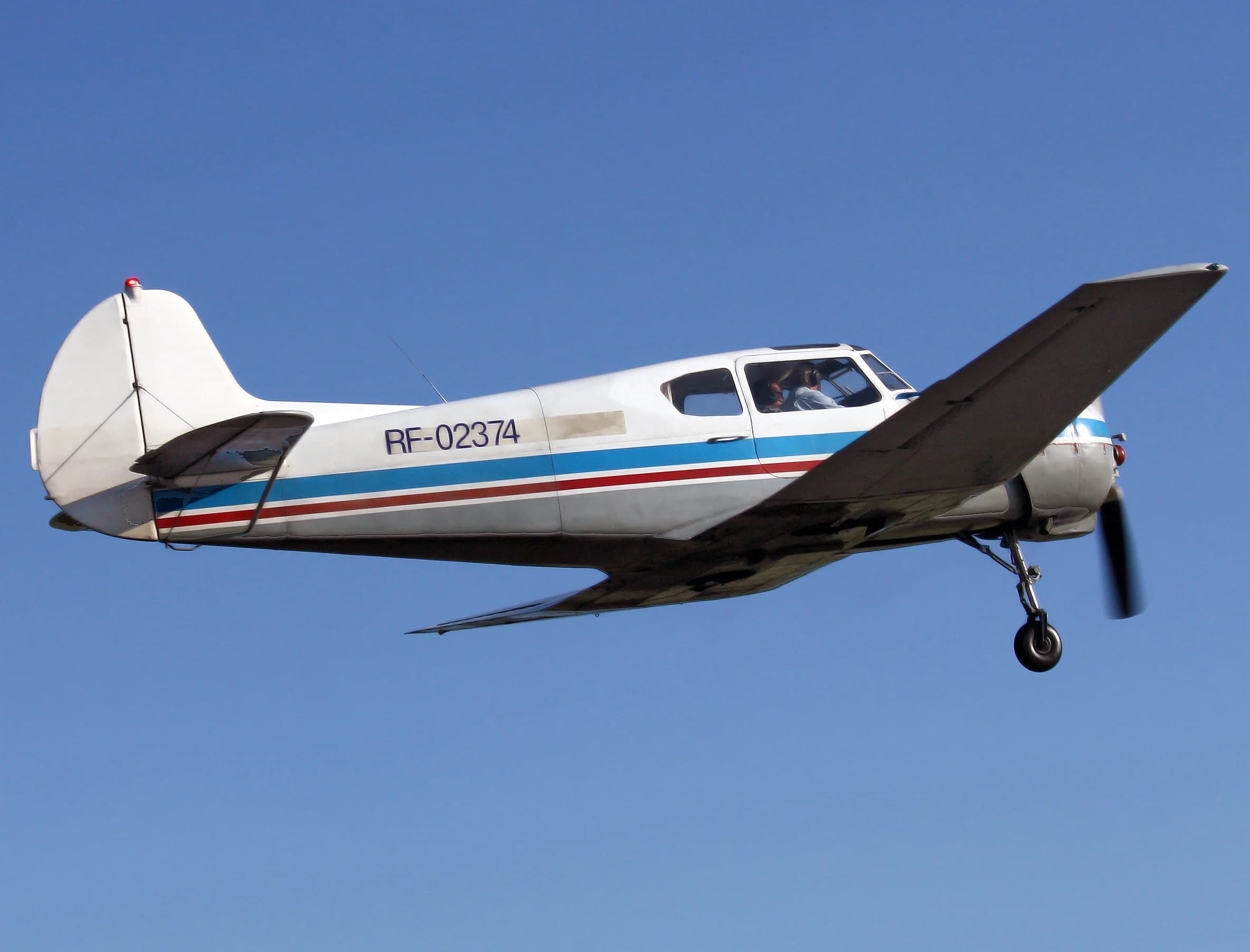
Yak-18T
Fu introdotto come addestratore di volo di base standard per la scuola di volo civile sovietica di Aeroflot.
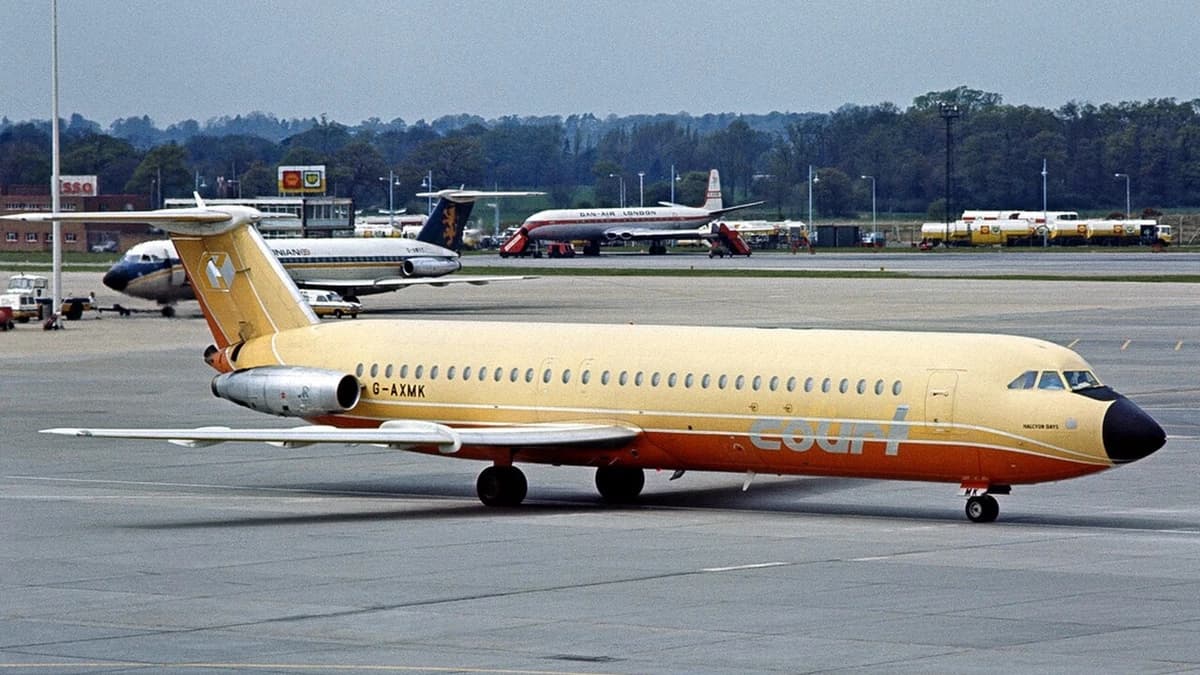
One-Eleven 500
Effettuò il primo volo nel 1967 entrando successivamente in servizio attivo.
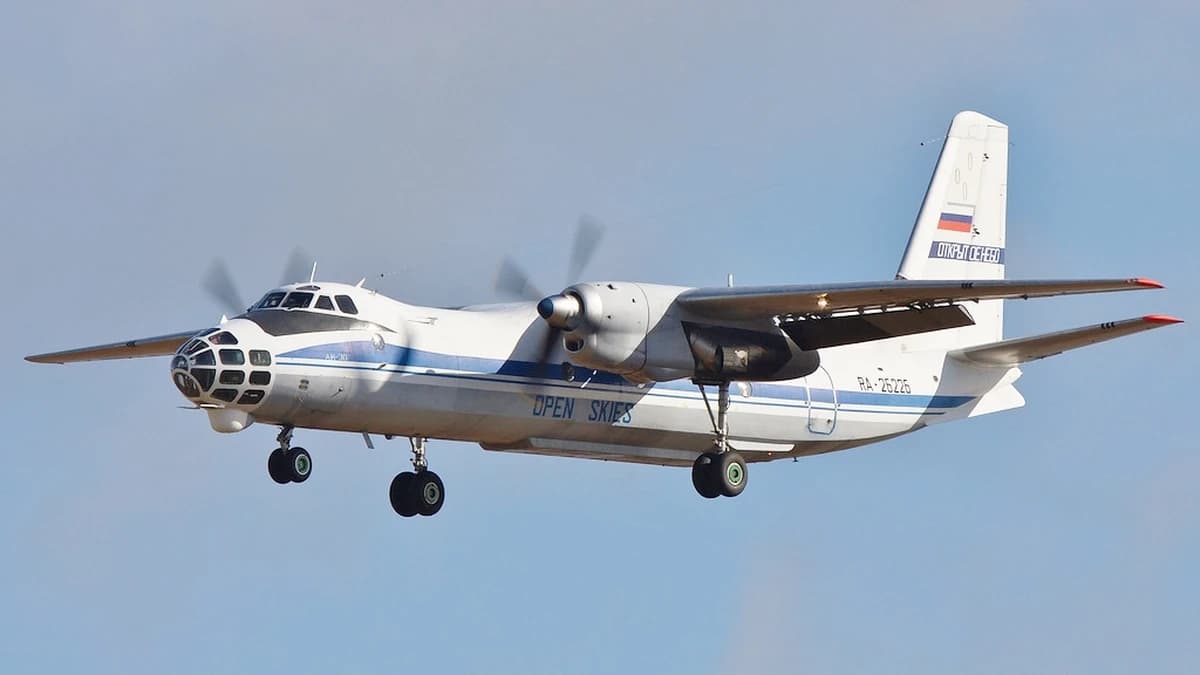
An-30
Effettuò il primo volo nel 1967 entrando successivamente in servizio attivo.
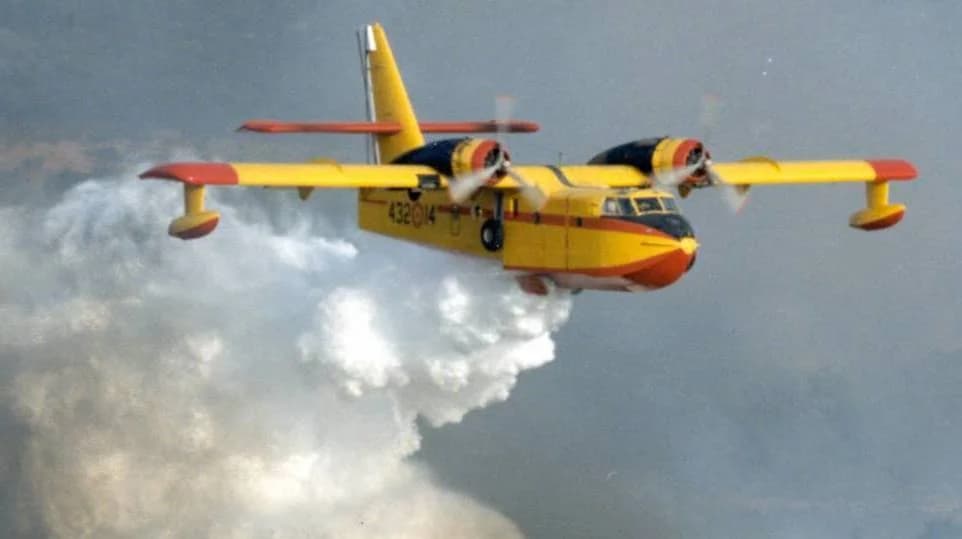
CL-215
Effettuò il primo volo nel 1967 entrando successivamente in servizio attivo.
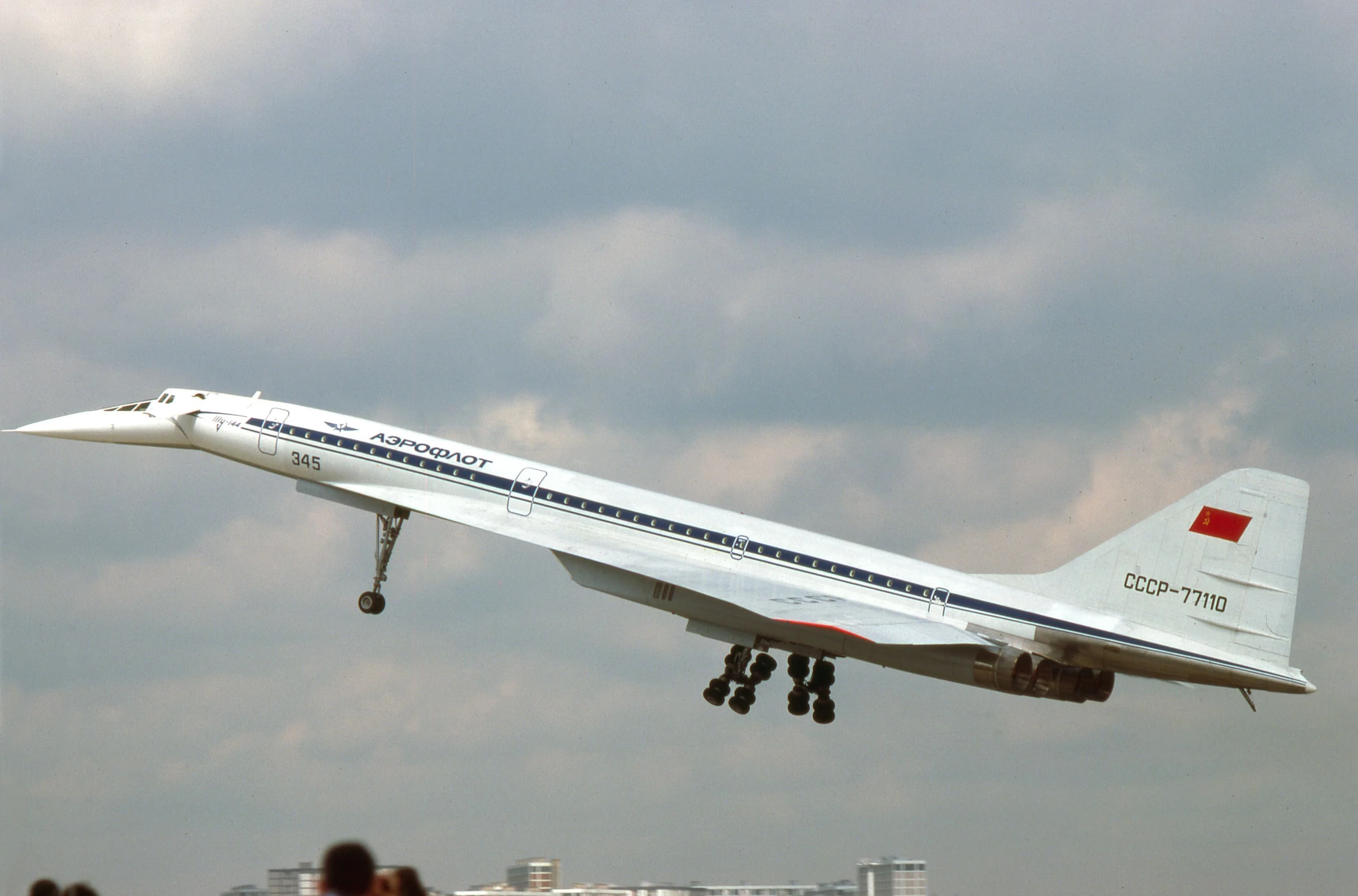
Tu-144
Effettuò il primo volo nel 1968 entrando successivamente in servizio attivo.
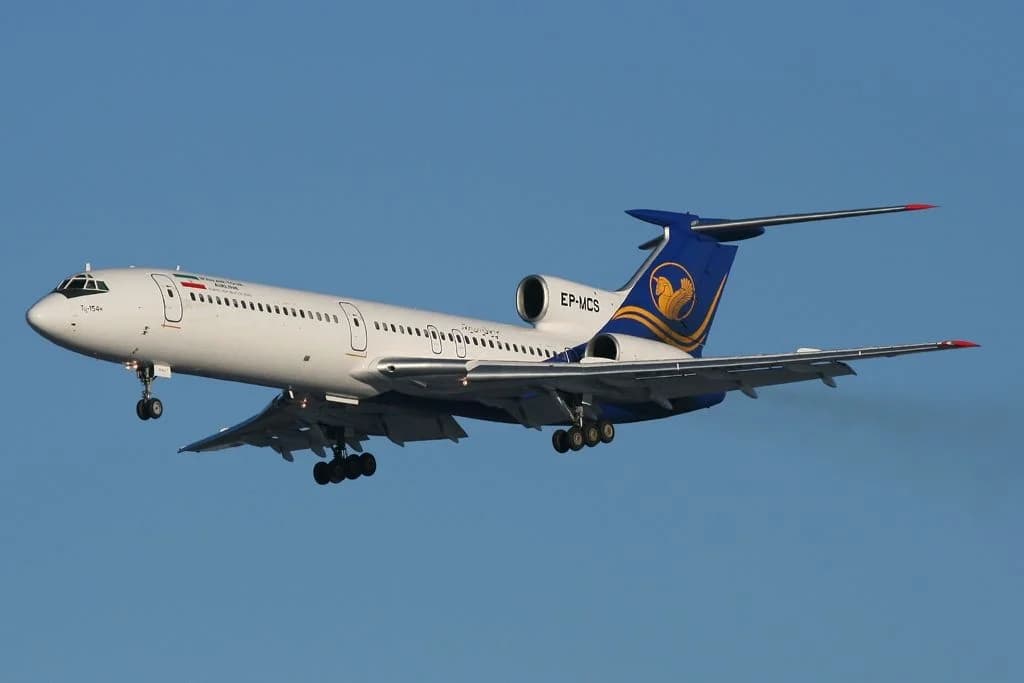
Tu-154
È stato la spina dorsale del trasporto aereo civile in Unione Sovietica ed Europa orientale per oltre tre decenni, con oltre 1.000 esemplari prodotti.
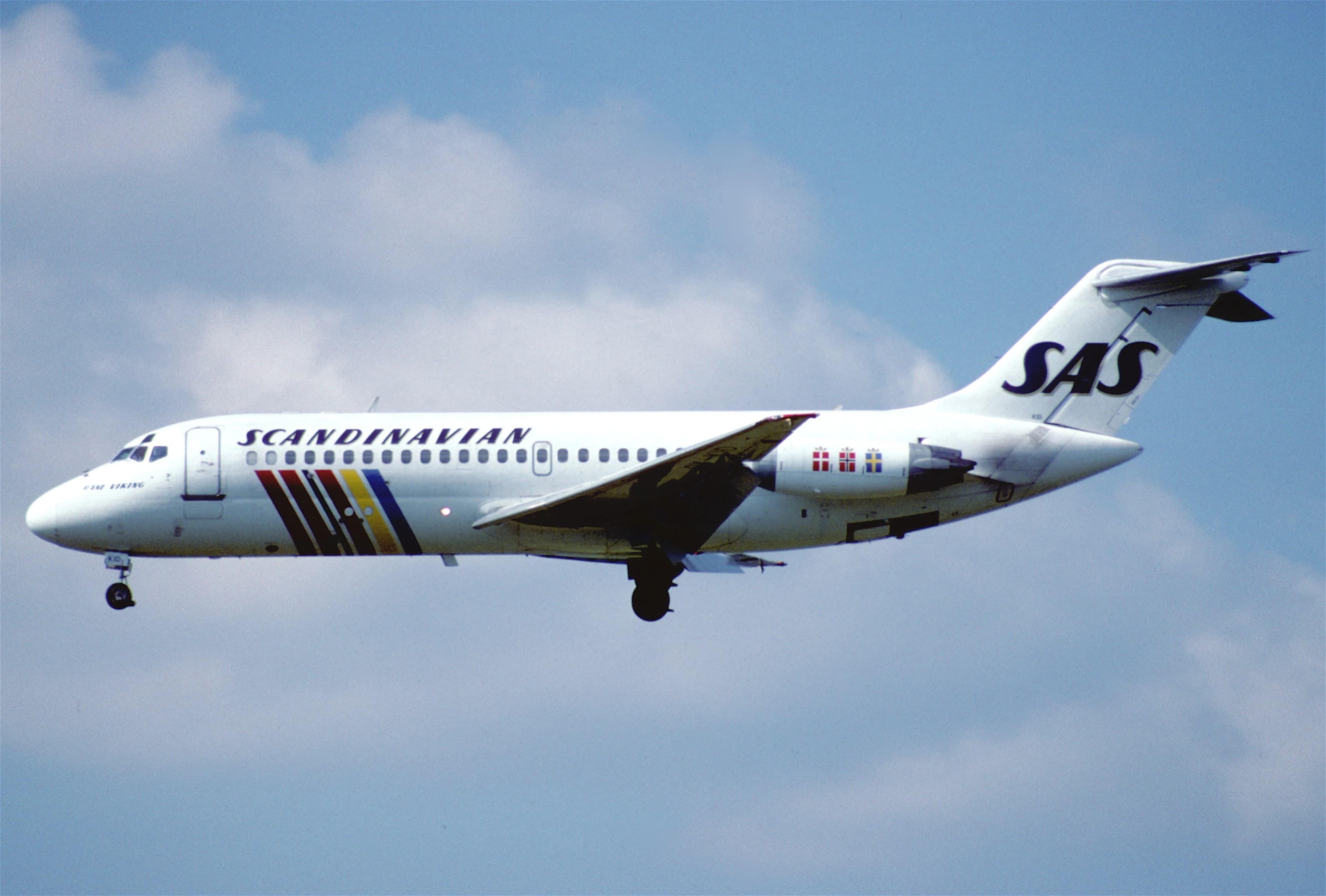
DC-9-20
Fu una versione speciale progettata per operazioni su piste corte (STOL) in climi freddi, combinando la fusoliera corta con l'ala allungata.
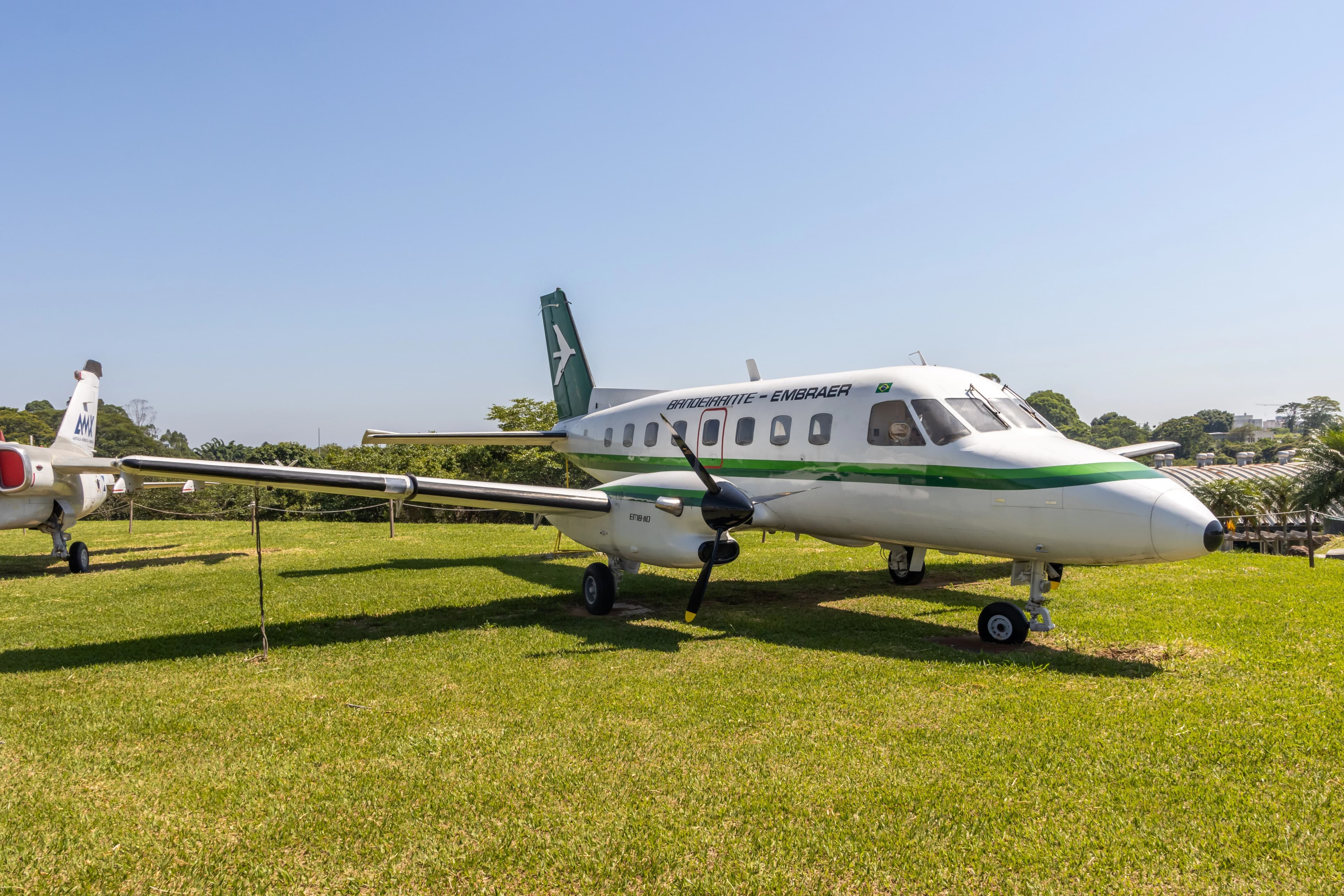
EMB 110 Bandeirante
Effettuò il primo volo nel 1968 entrando successivamente in servizio attivo.
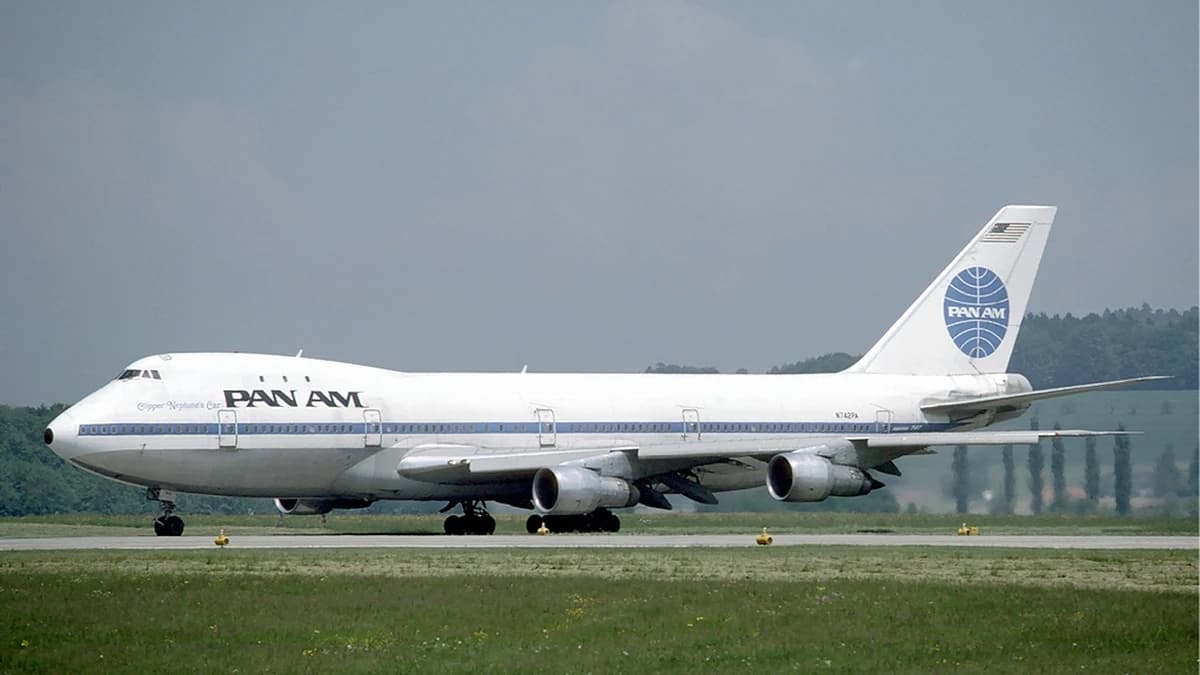
747-100
Effettuò il primo volo nel 1969 entrando successivamente in servizio attivo.
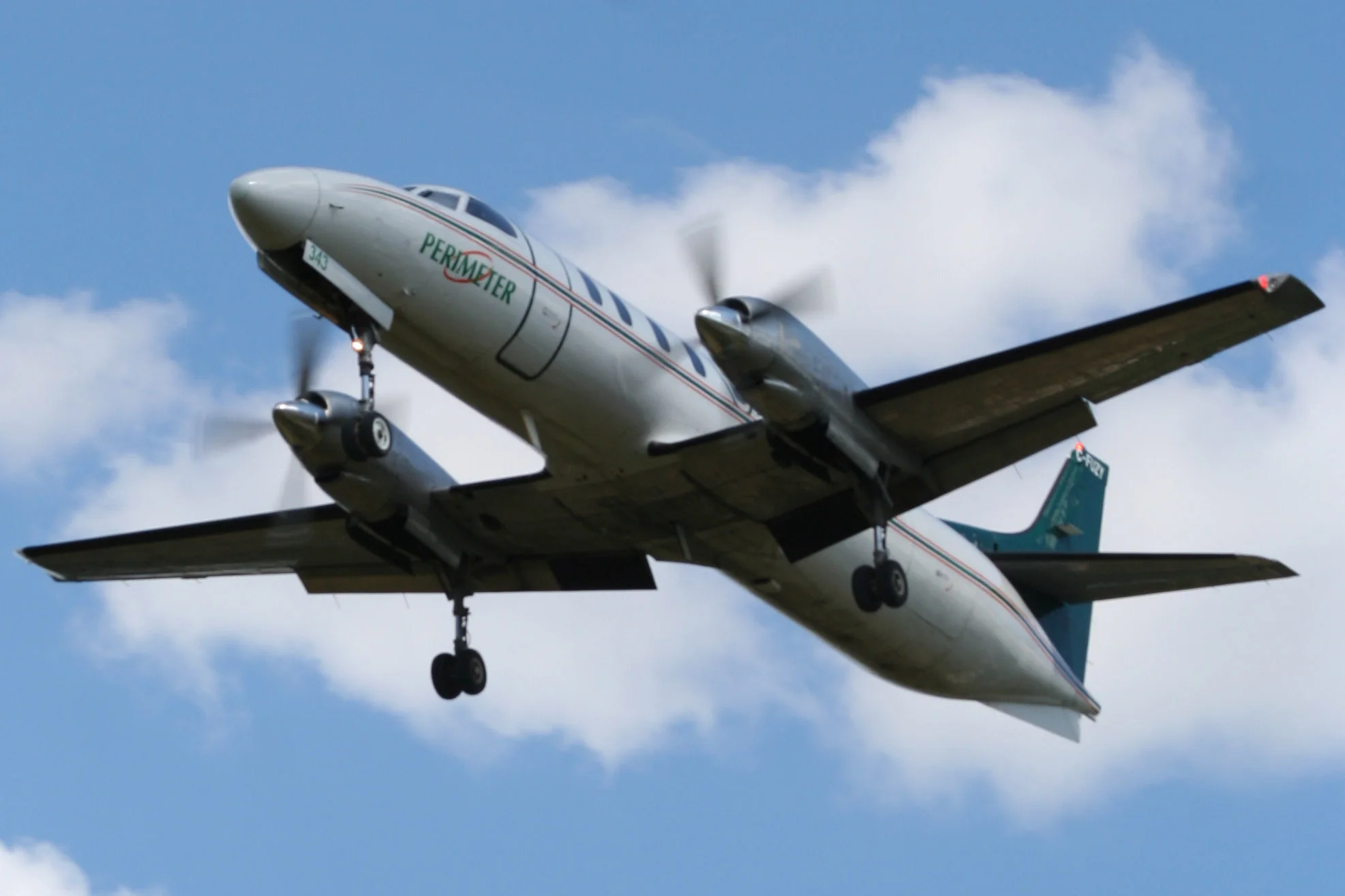
Swearingen Metroliner
Effettuò il primo volo nel 1969 entrando successivamente in servizio attivo.
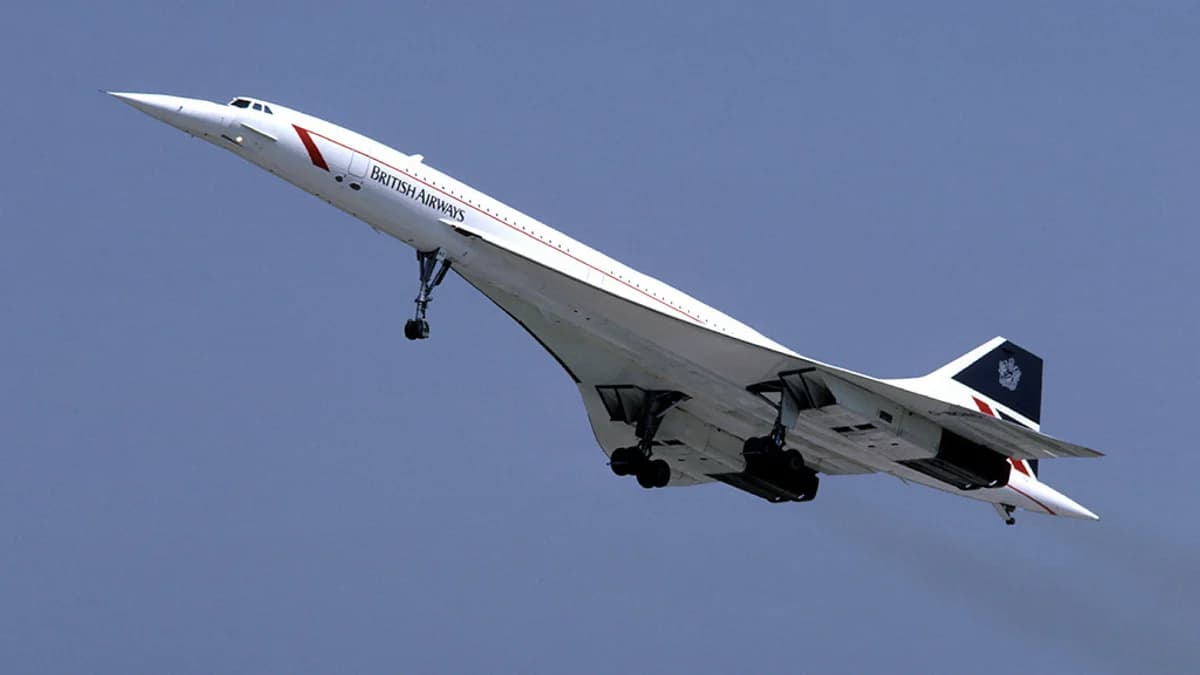
Concorde
Effettuò il primo volo nel 1969 entrando successivamente in servizio attivo.
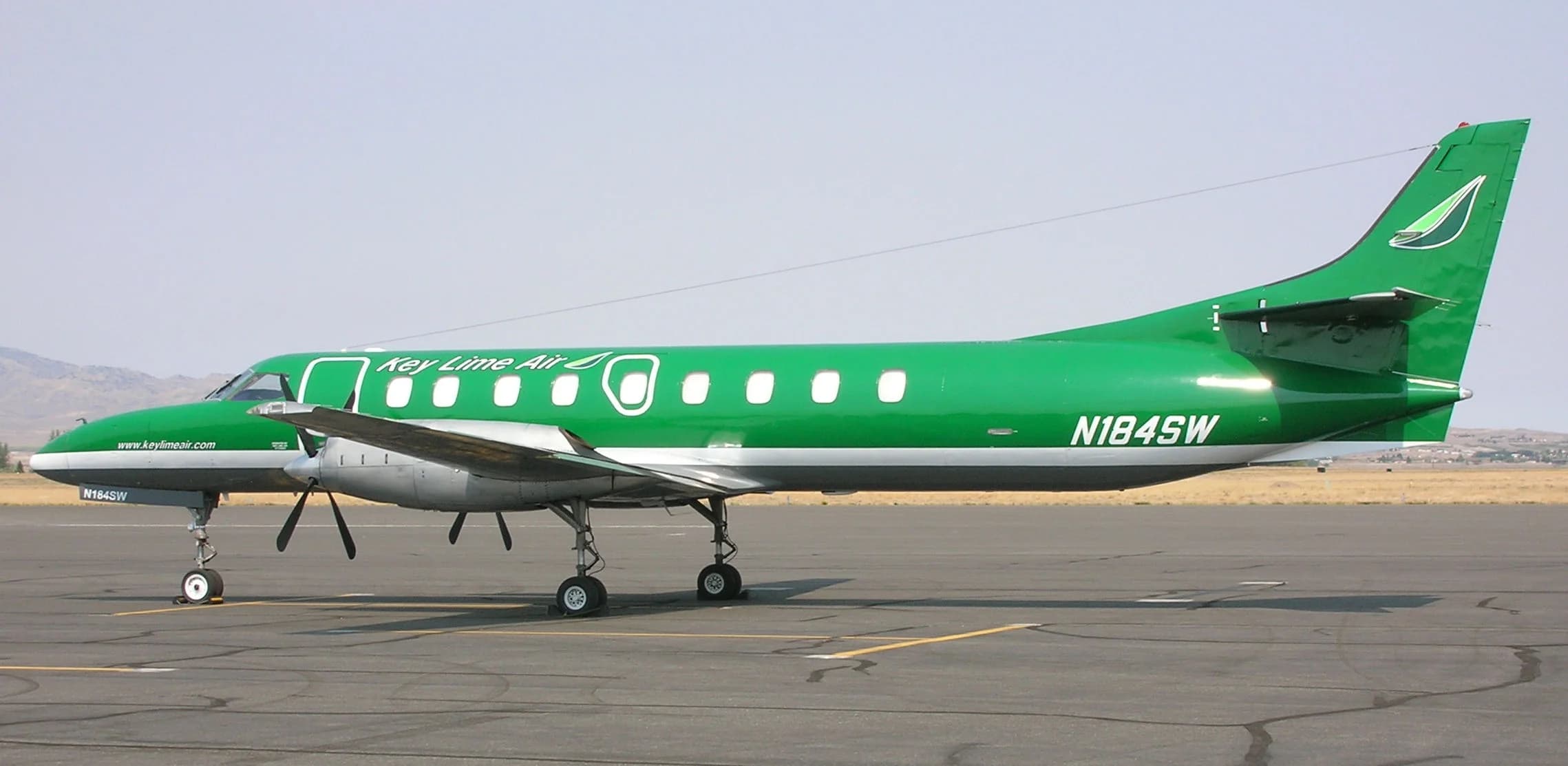
Metroliner
Fu sviluppato a partire dal Merlin come aereo da trasporto regionale veloce per 19 passeggeri.
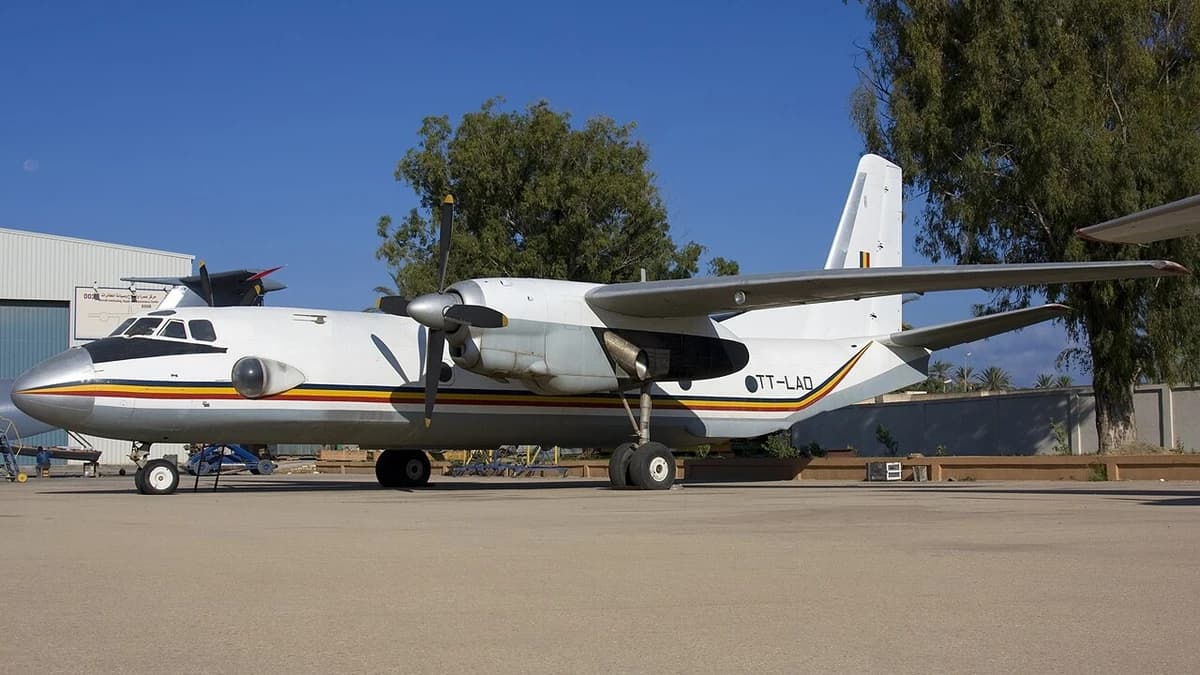
An-26
Effettuò il primo volo nel 1969 entrando successivamente in servizio attivo.
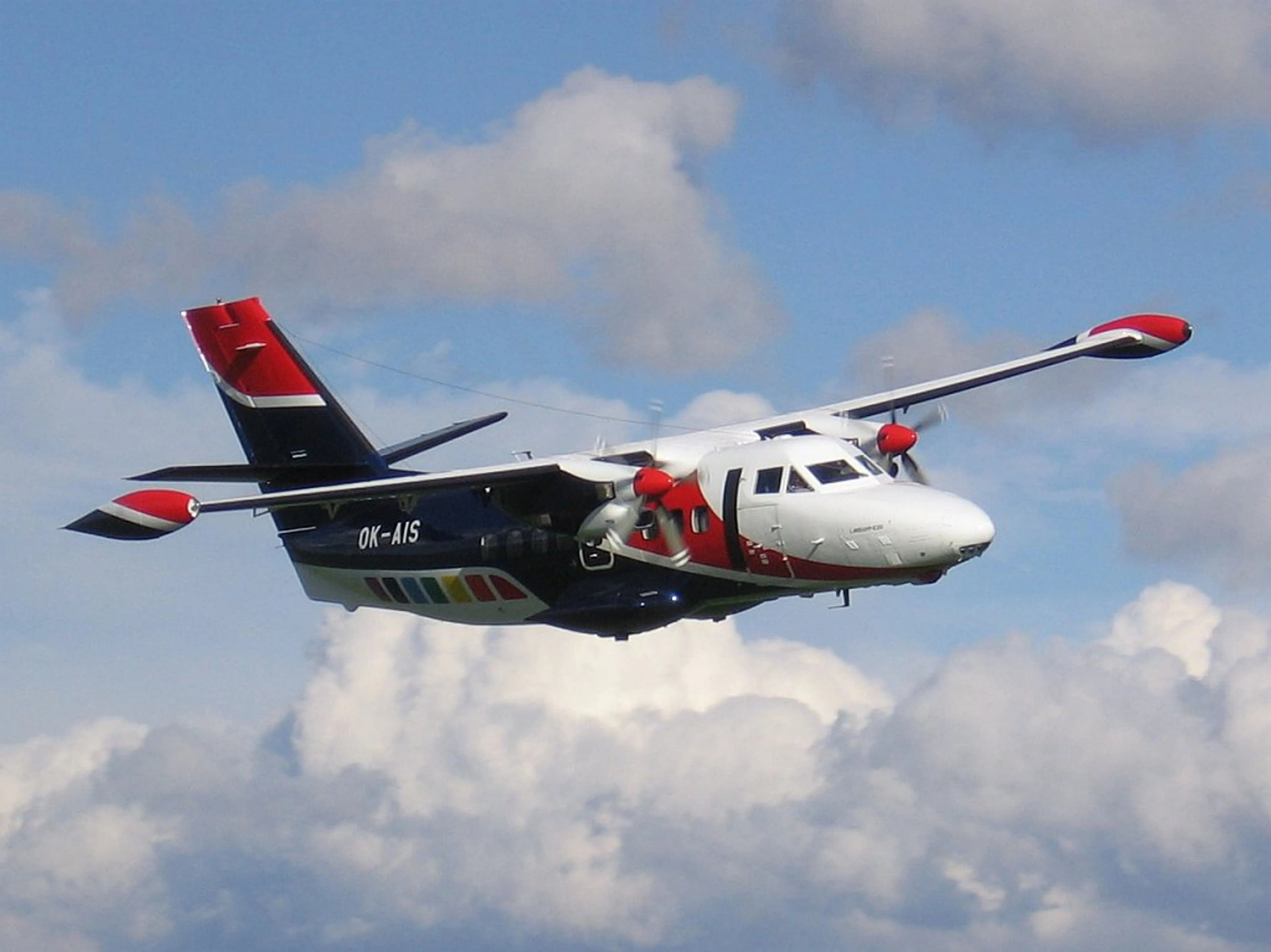
L-410 Turbolet
Effettuò il primo volo nel 1969 entrando successivamente in servizio attivo.
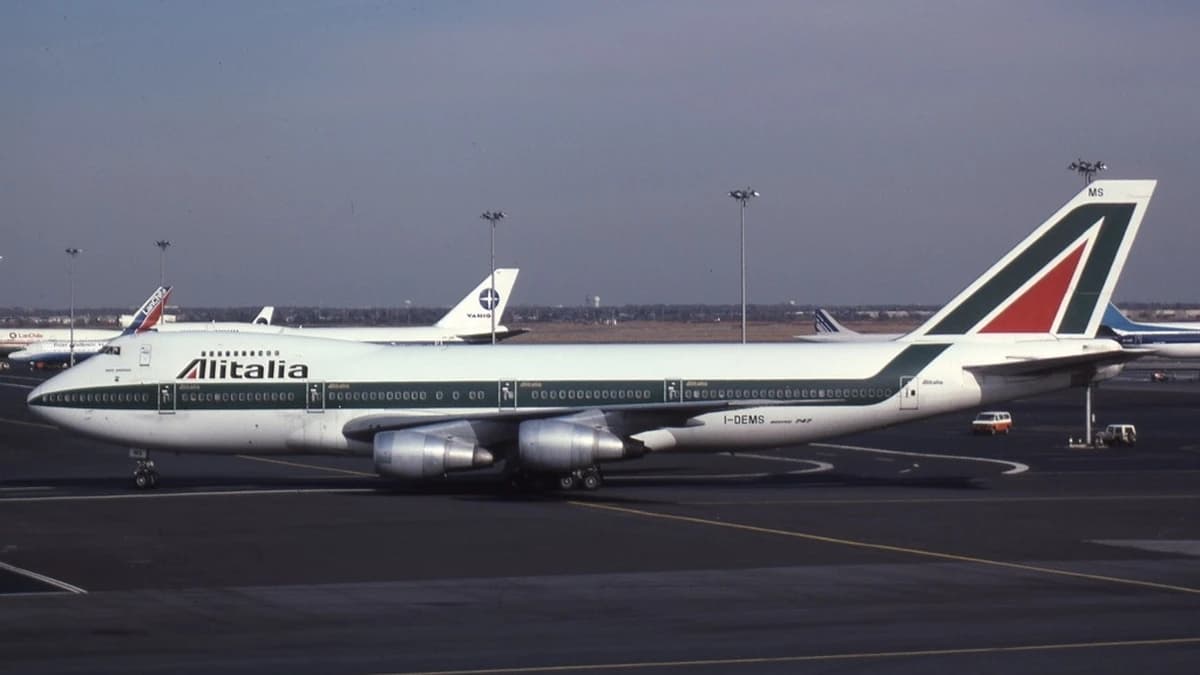
747-200B
Effettuò il primo volo nel 1970 entrando successivamente in servizio attivo.

Y-7
Effettuò il primo volo nel 1970 entrando successivamente in servizio attivo.
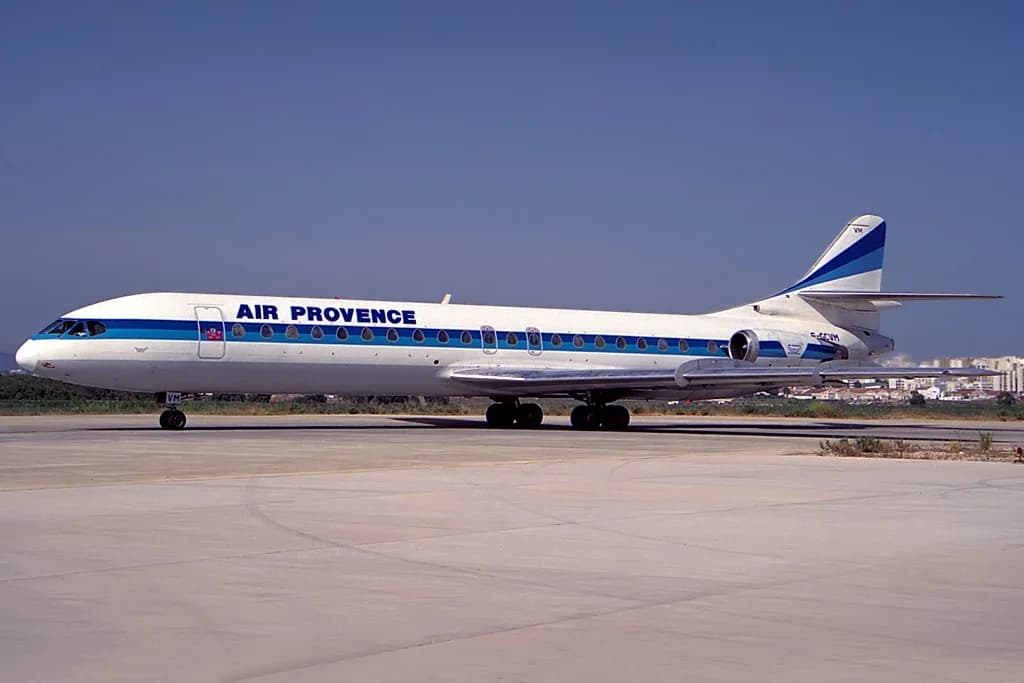
Caravelle 12
Fu la versione finale, più lunga e capiente della serie Caravelle, progettata per voli charter europei.
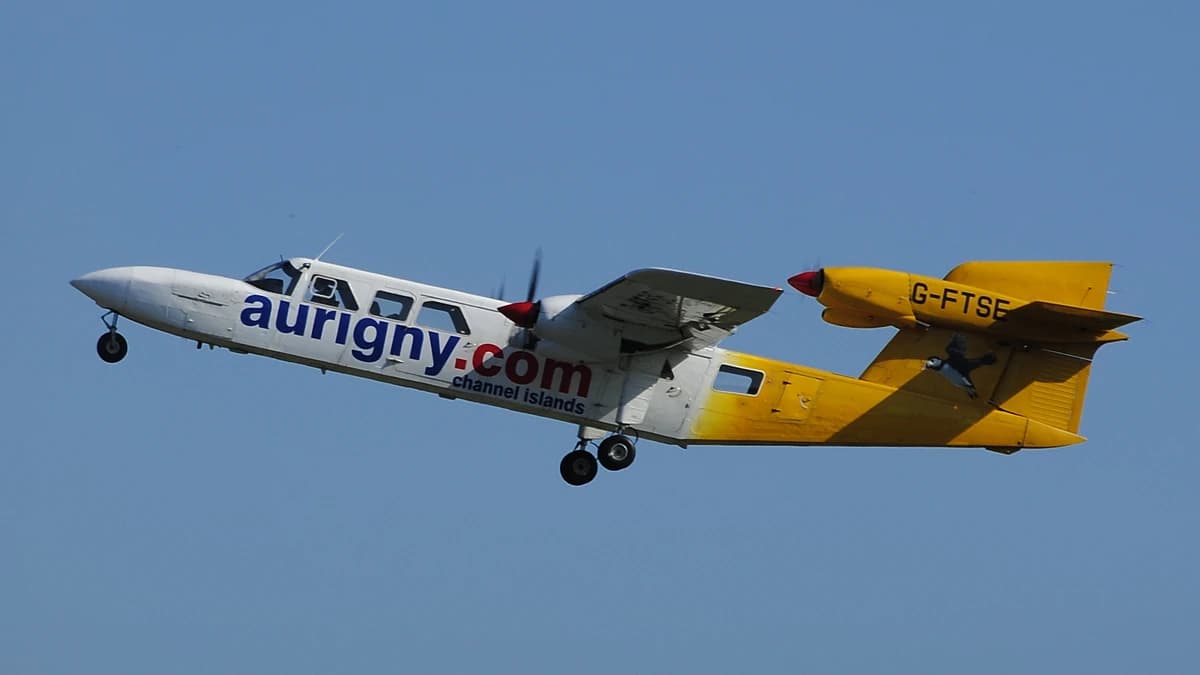
Trislander
Effettuò il primo volo nel 1970 entrando successivamente in servizio attivo.
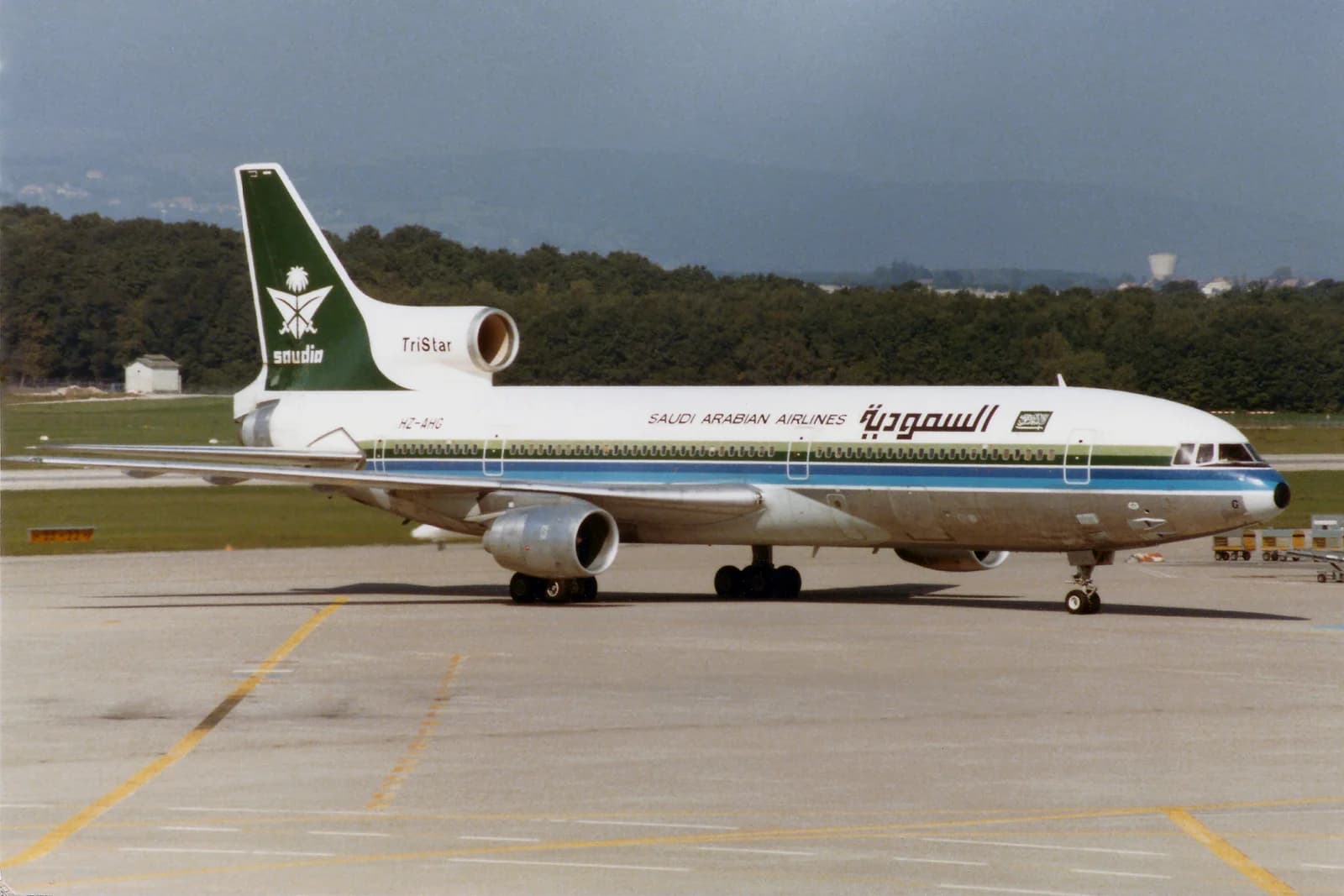
L-1011 TriStar
Effettuò il primo volo nel 1970 entrando successivamente in servizio attivo.
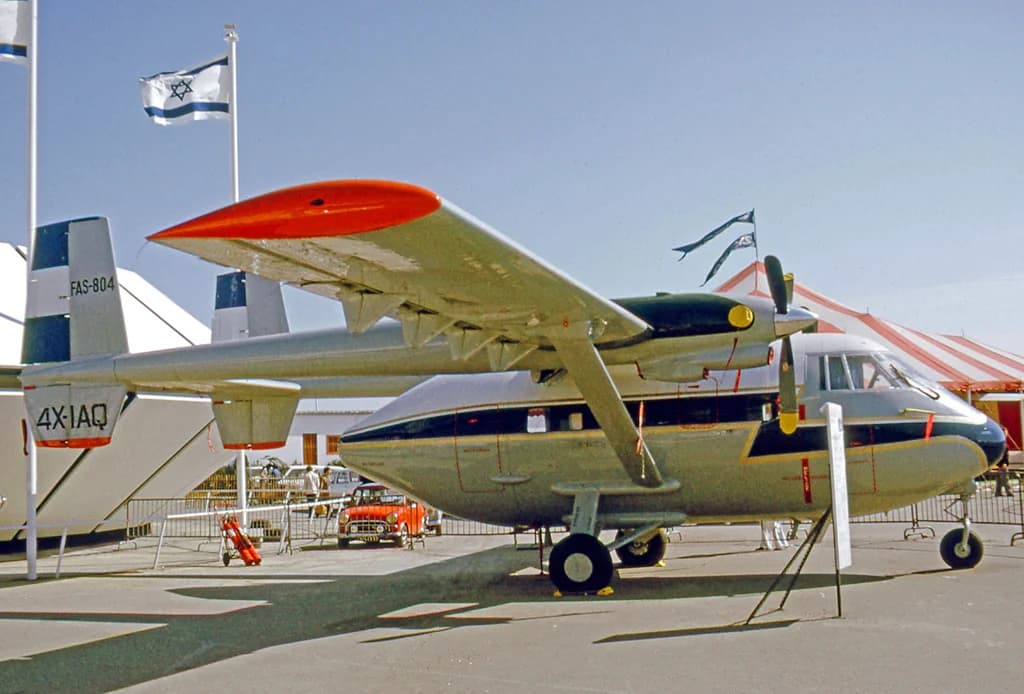
Arava
Effettuò il primo volo nel 1970 entrando successivamente in servizio attivo.
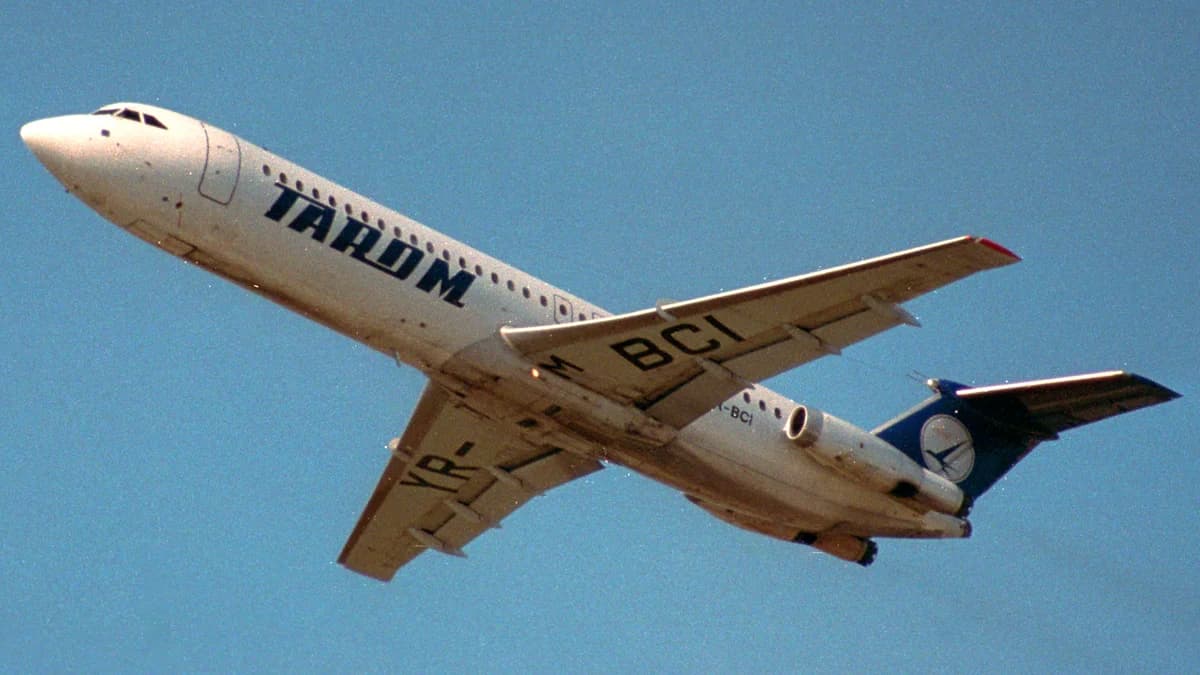
One-Eleven 475
Effettuò il primo volo nel 1970 entrando successivamente in servizio attivo.
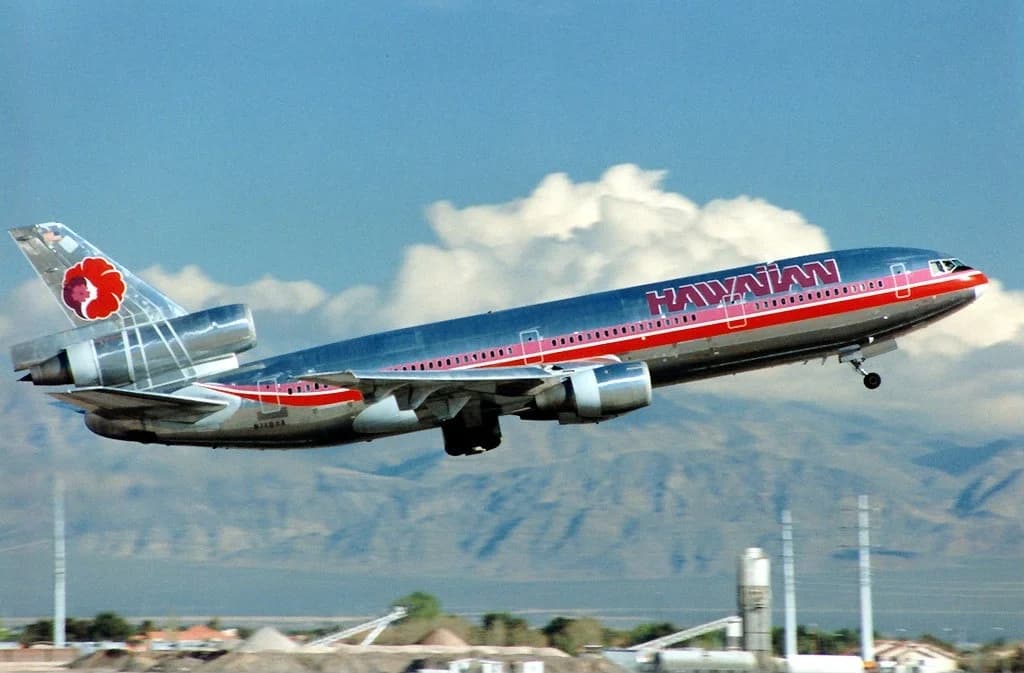
DC-10-10
Fu la versione iniziale di lancio per rotte continentali e domestiche americane, spinta da tre motori General Electric.
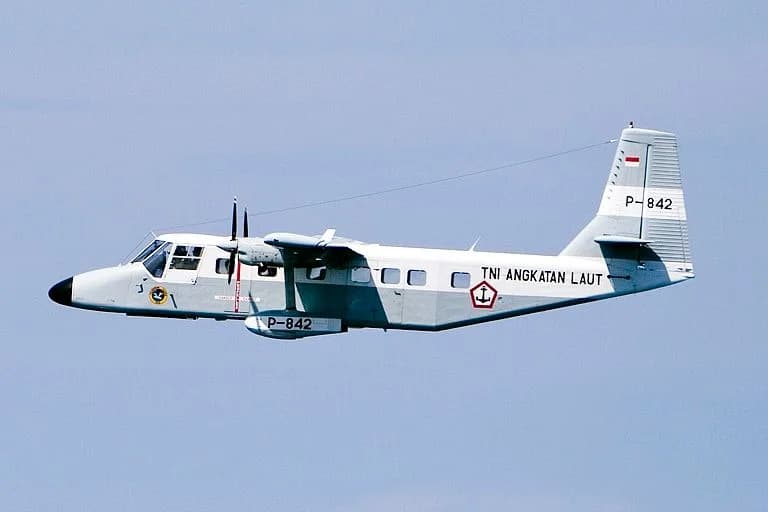
Nomad
Effettuò il primo volo nel 1971 entrando successivamente in servizio attivo.
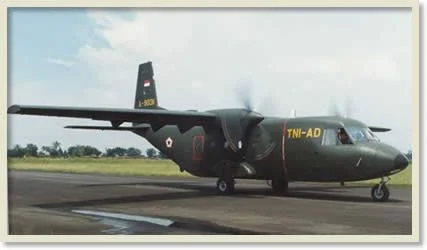
C-212 Aviocar
Effettuò il primo volo nel 1971 entrando successivamente in servizio attivo.
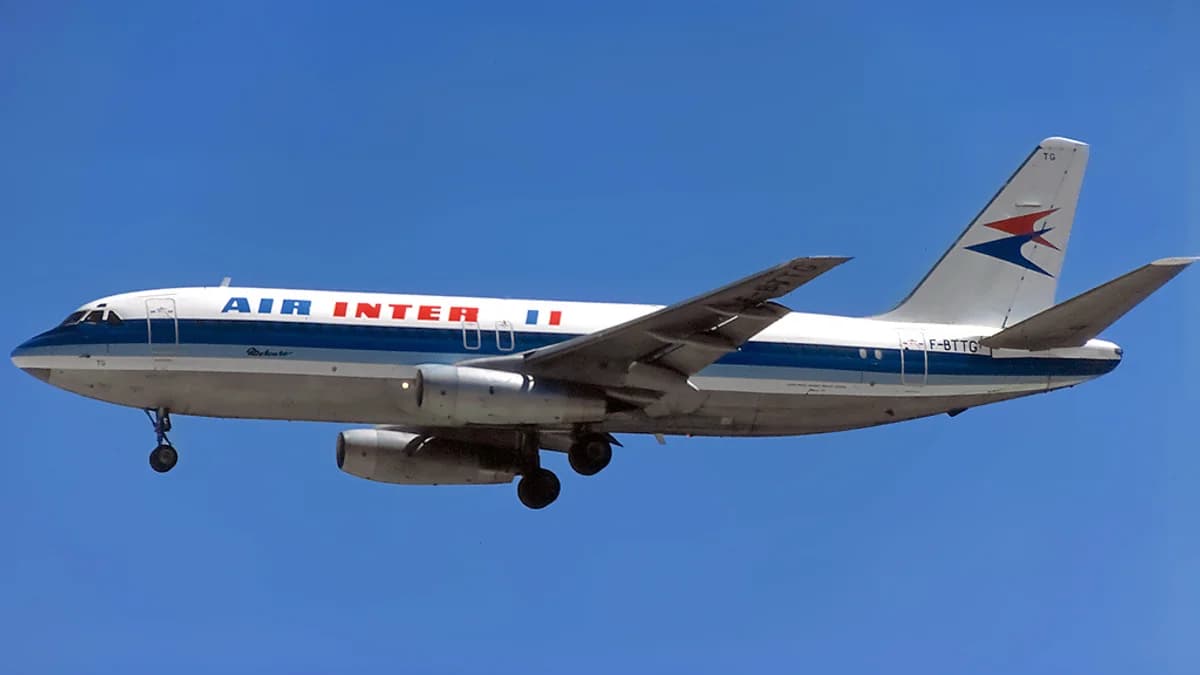
Mercure 100
Effettuò il primo volo nel 1971 entrando successivamente in servizio attivo.
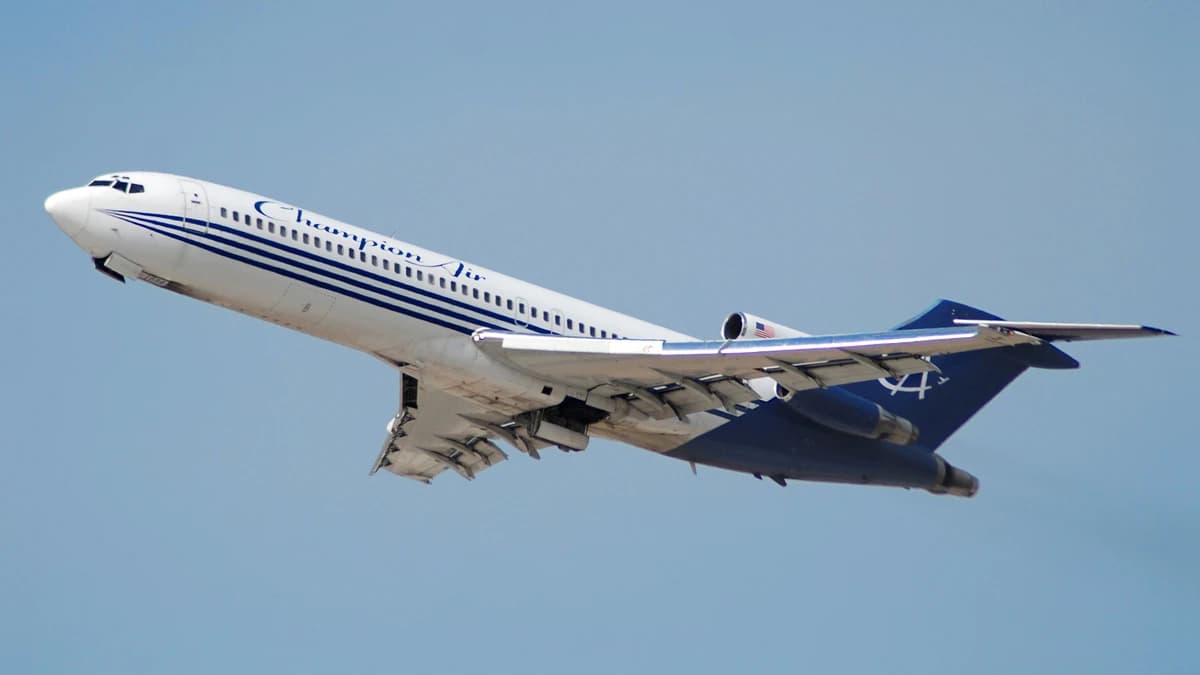
727-200 Advanced
Effettuò il primo volo nel 1971 entrando successivamente in servizio attivo.
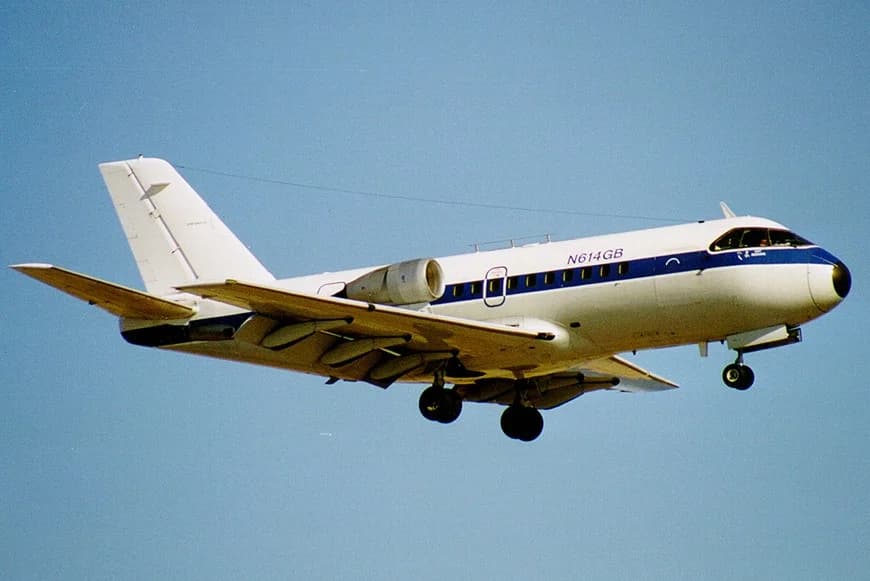
VFW 614
Effettuò il primo volo nel 1971 entrando successivamente in servizio attivo.
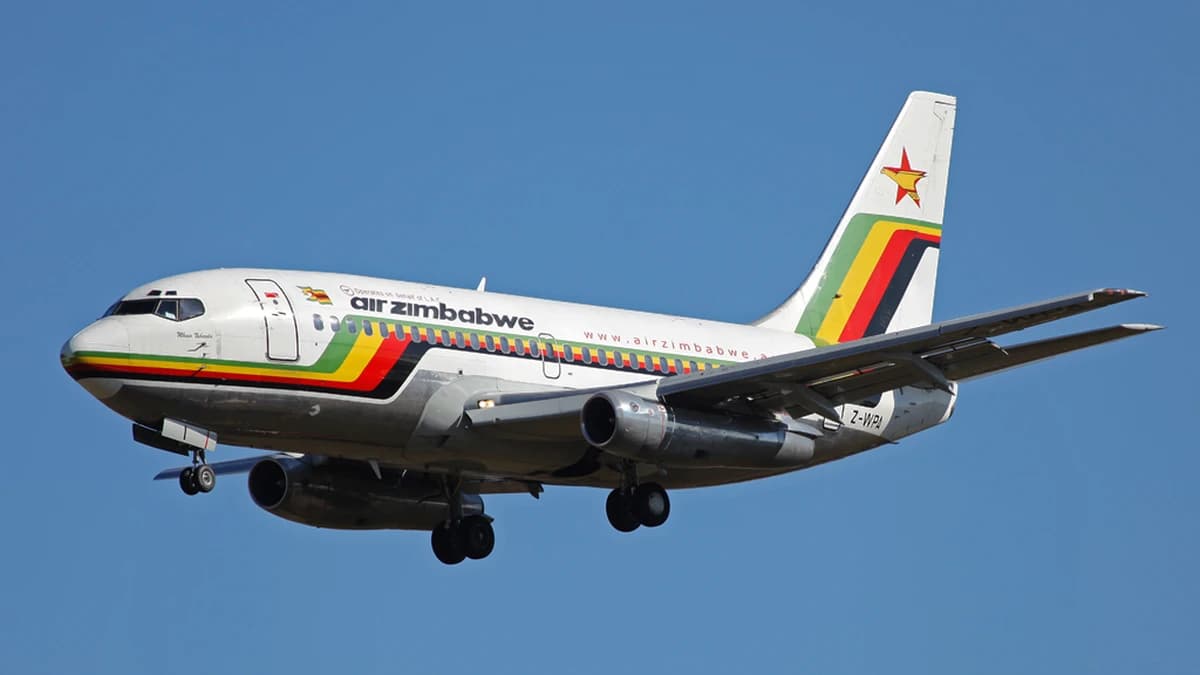
737-200 Advanced
Effettuò il primo volo nel 1971 entrando successivamente in servizio attivo.
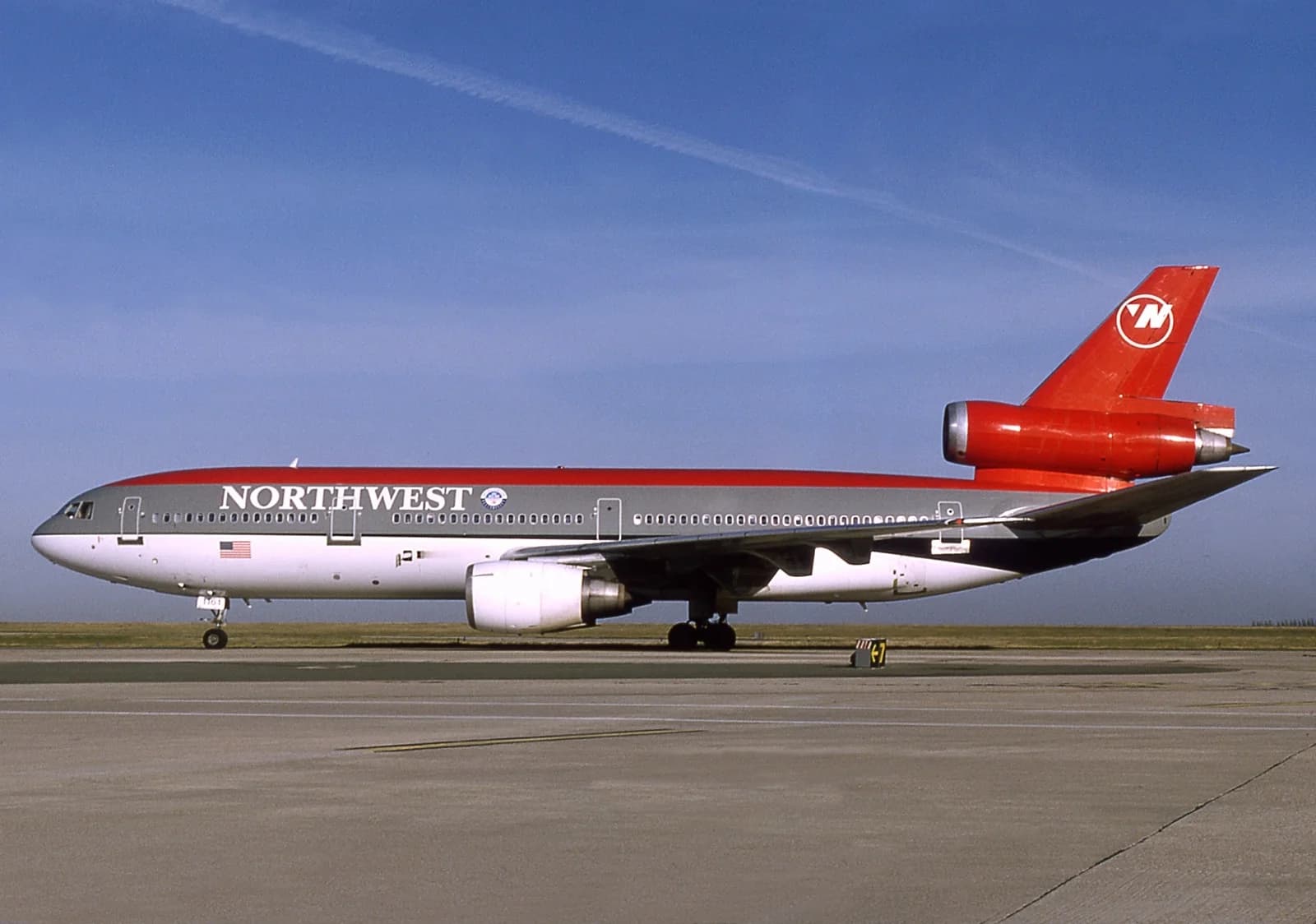
DC-10-40
Fu la versione intercontinentale a lungo raggio sviluppata su specifica richiesta di Northwest Airlines, equipaggiata con motori Pratt & Whitney.
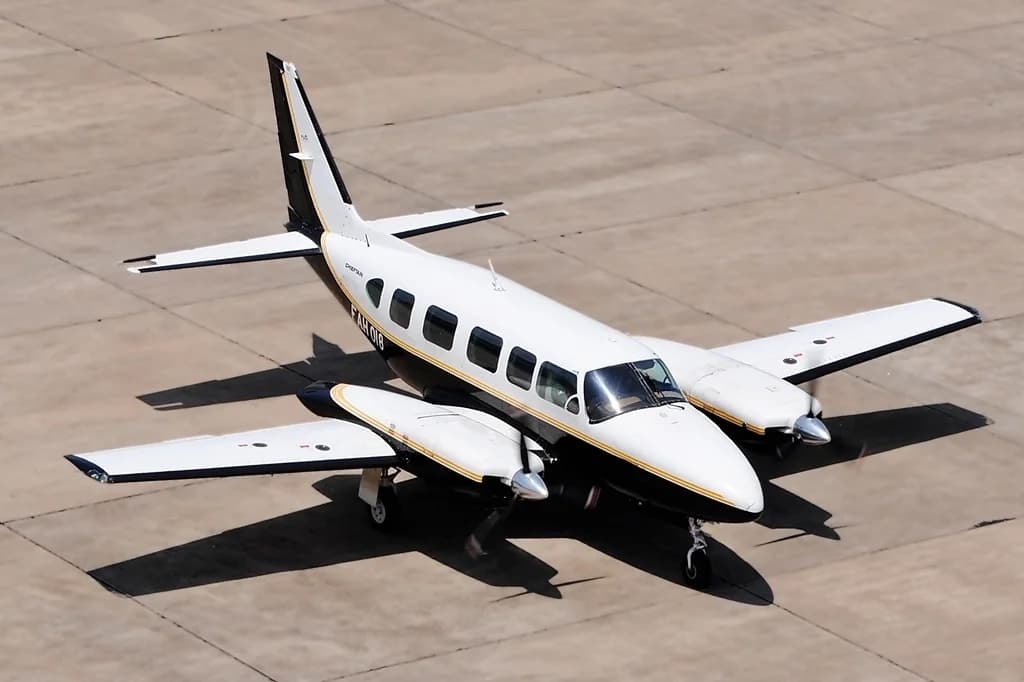
PA-31-350 Chieftain
Effettuò il primo volo nel 1972 entrando successivamente in servizio attivo.
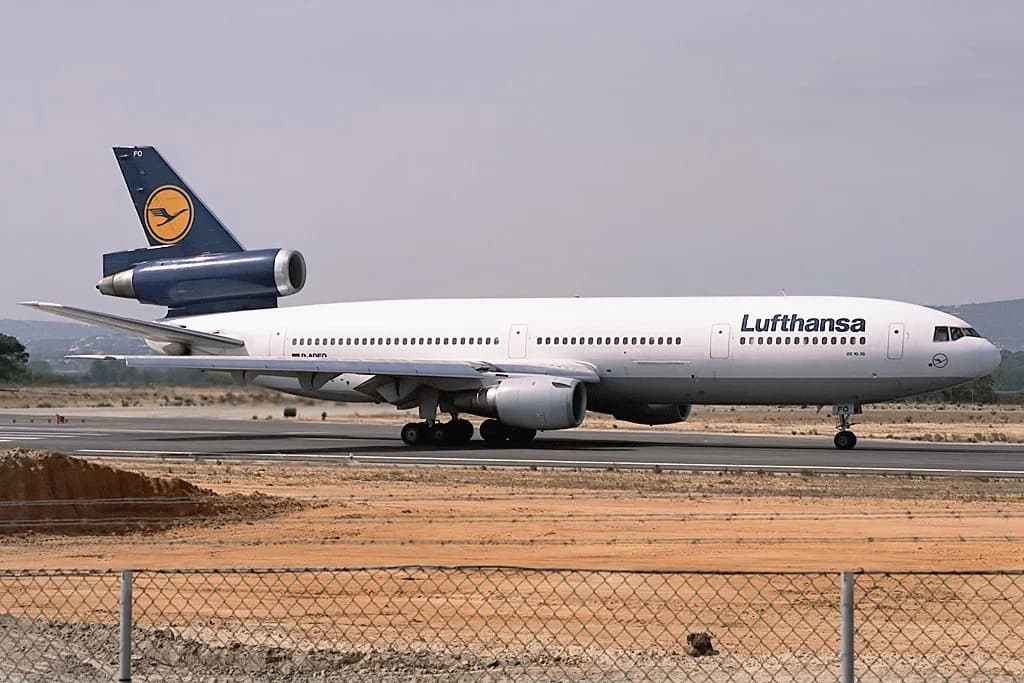
DC-10-30
Fu la variante intercontinentale a lungo raggio di maggior successo della famiglia DC-10, con 312 esemplari prodotti.
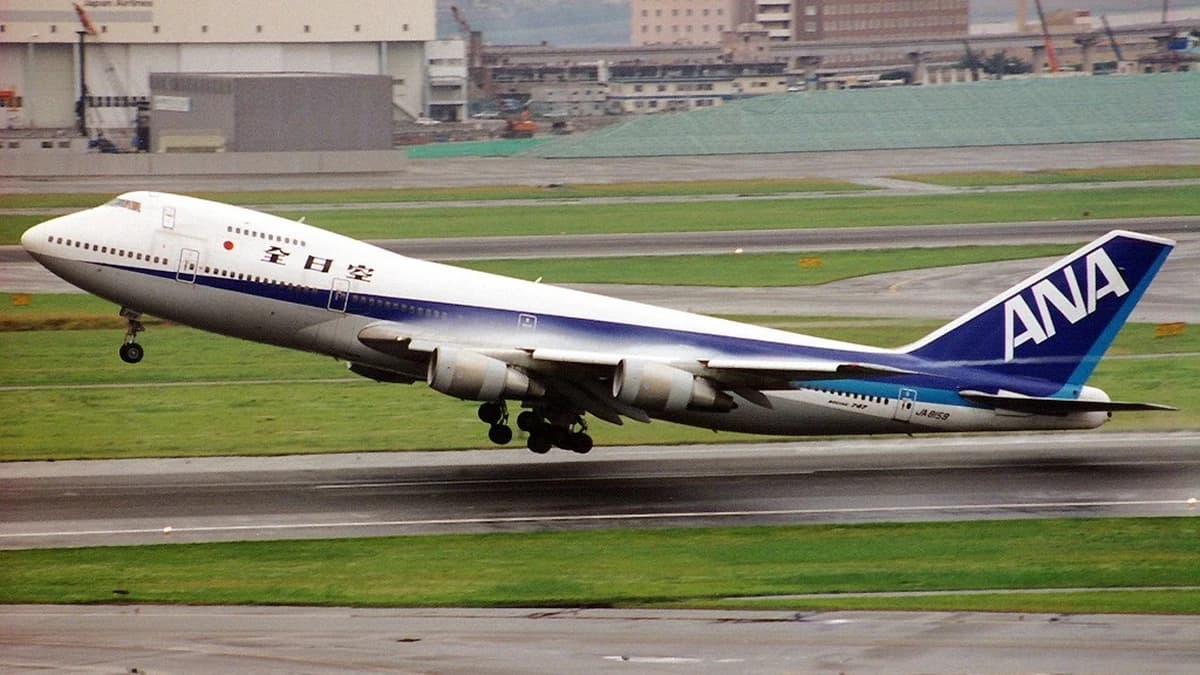
747-100SR
Effettuò il primo volo nel 1973 entrando successivamente in servizio attivo.
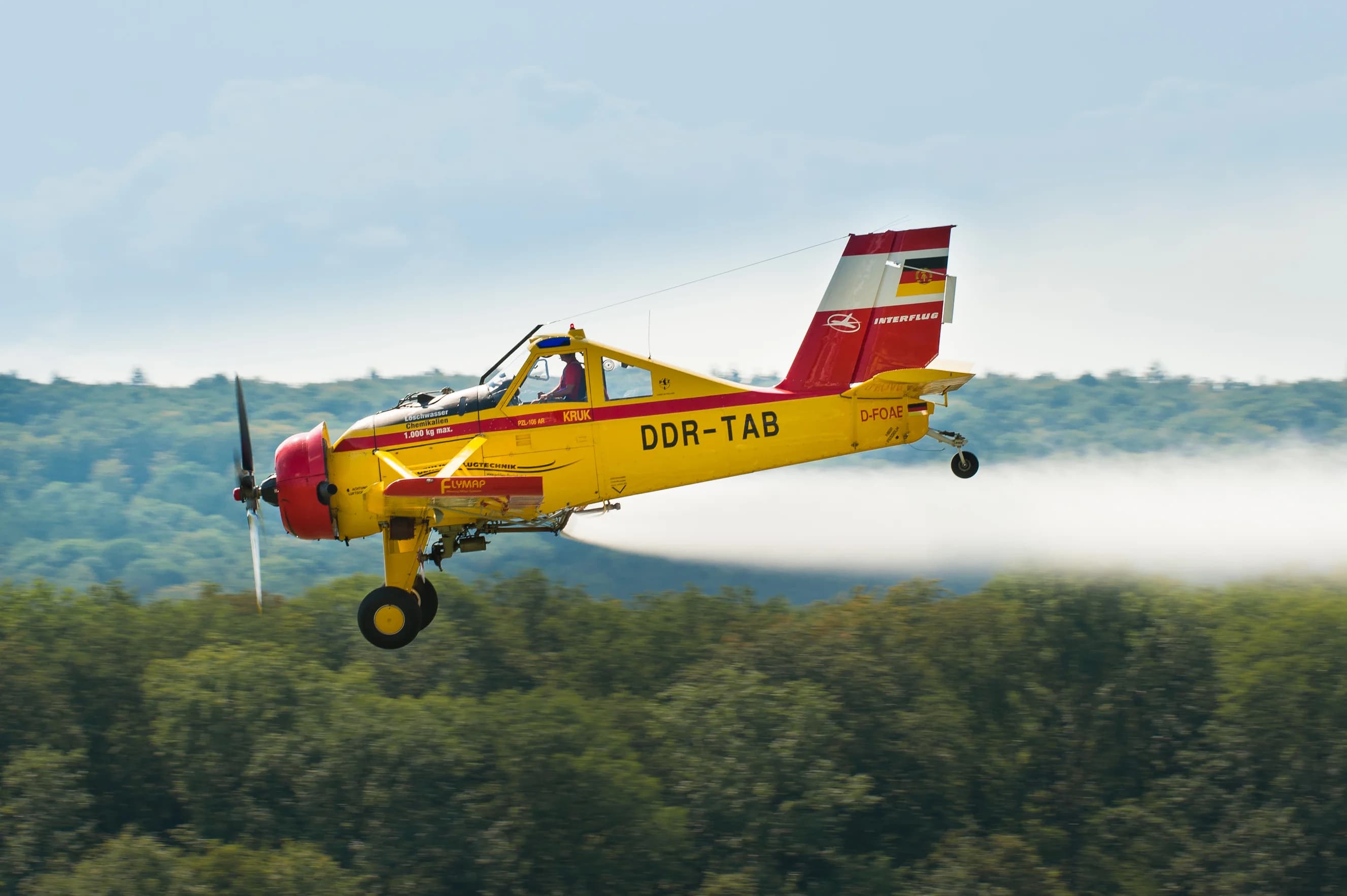
PZL-106 Kruk
Progettato come sostituto del PZL-101 Gawron per le attività agricole polacche.
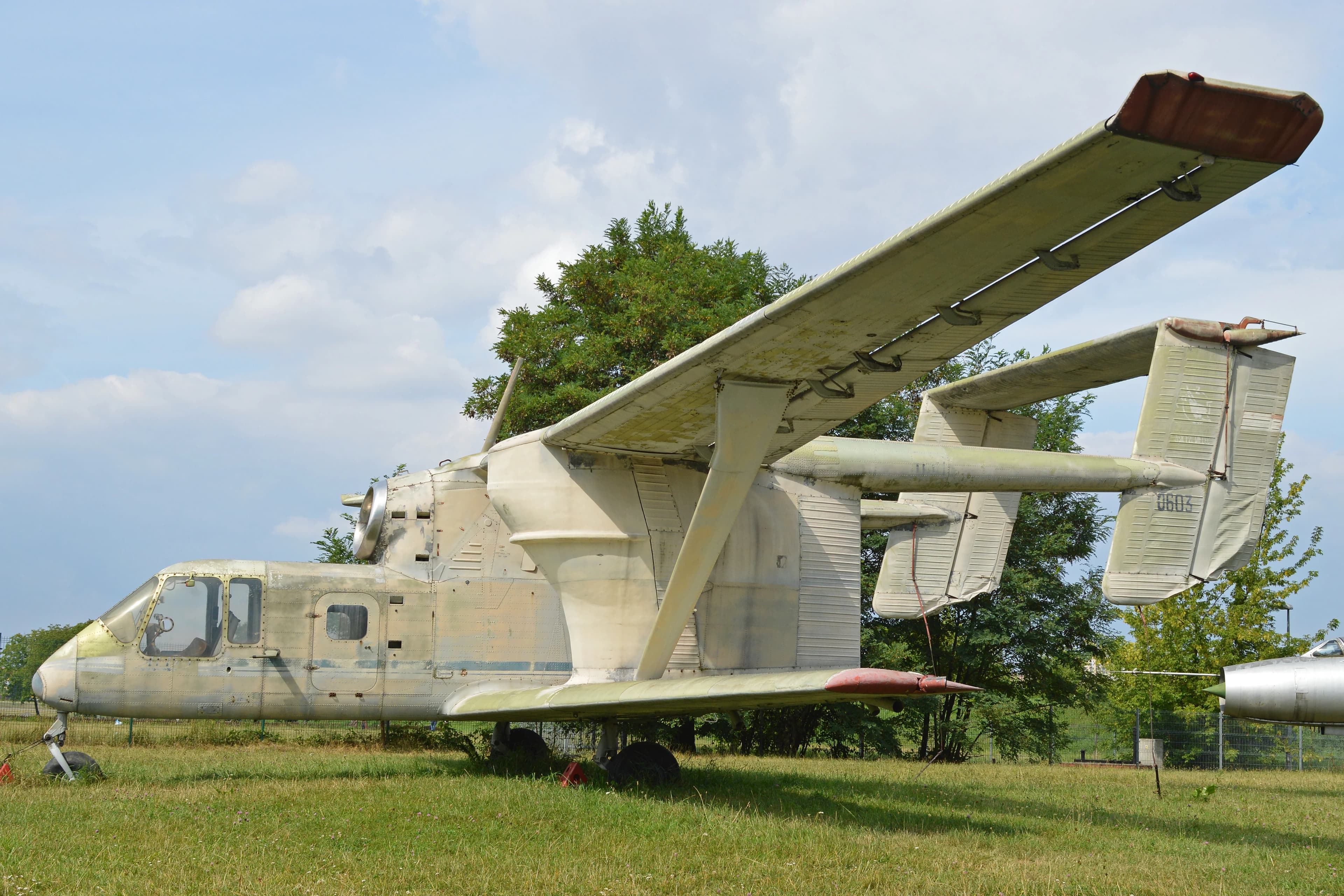
M-15 Belphegor
È l'unico biplano a reazione mai entrato in produzione di serie ed il solo aereo agricolo turbogetto della storia.
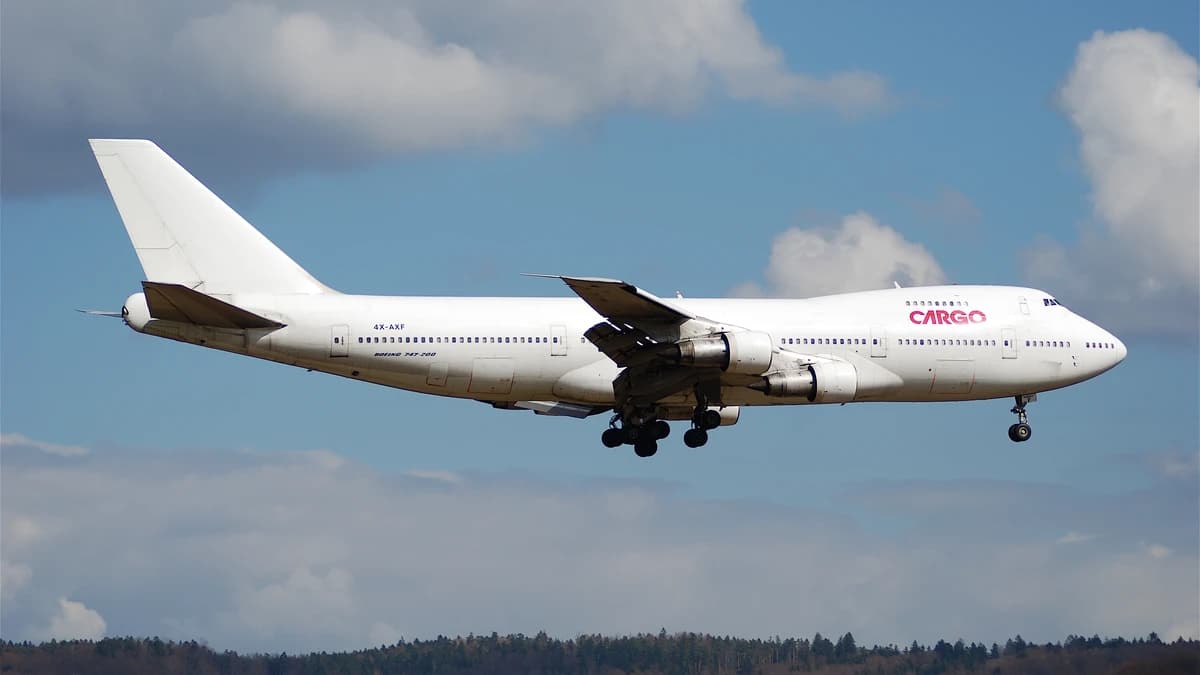
747-200C/M
Effettuò il primo volo nel 1973 entrando successivamente in servizio attivo.
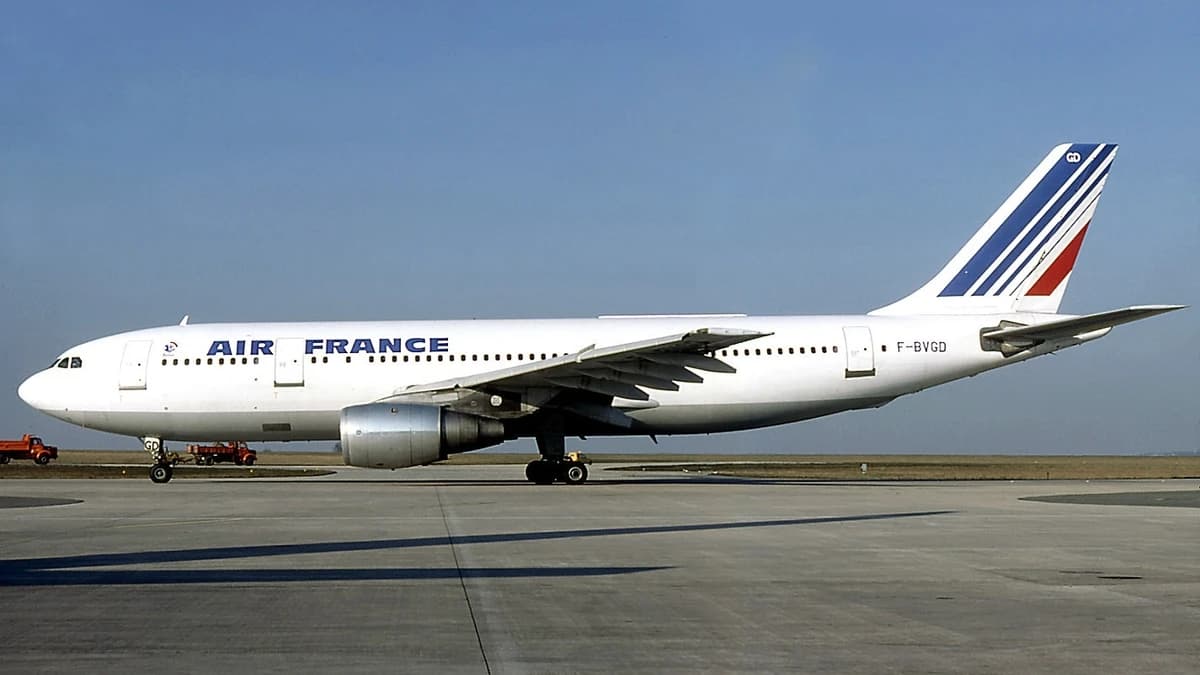
A300B2-100
Effettuò il primo volo nel 1973 entrando successivamente in servizio attivo.
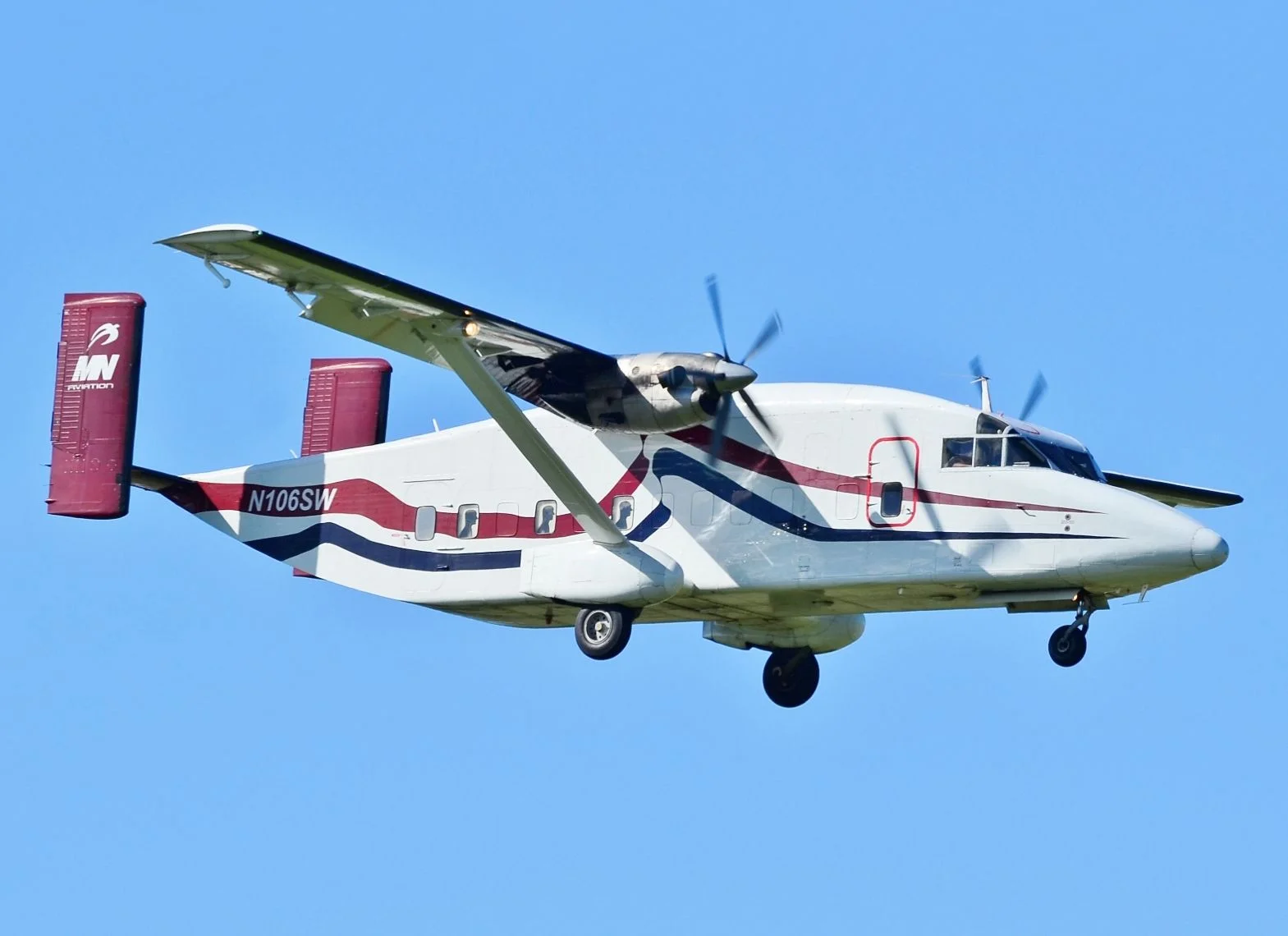
Shorts 330
Effettuò il primo volo nel 1974 entrando successivamente in servizio attivo.
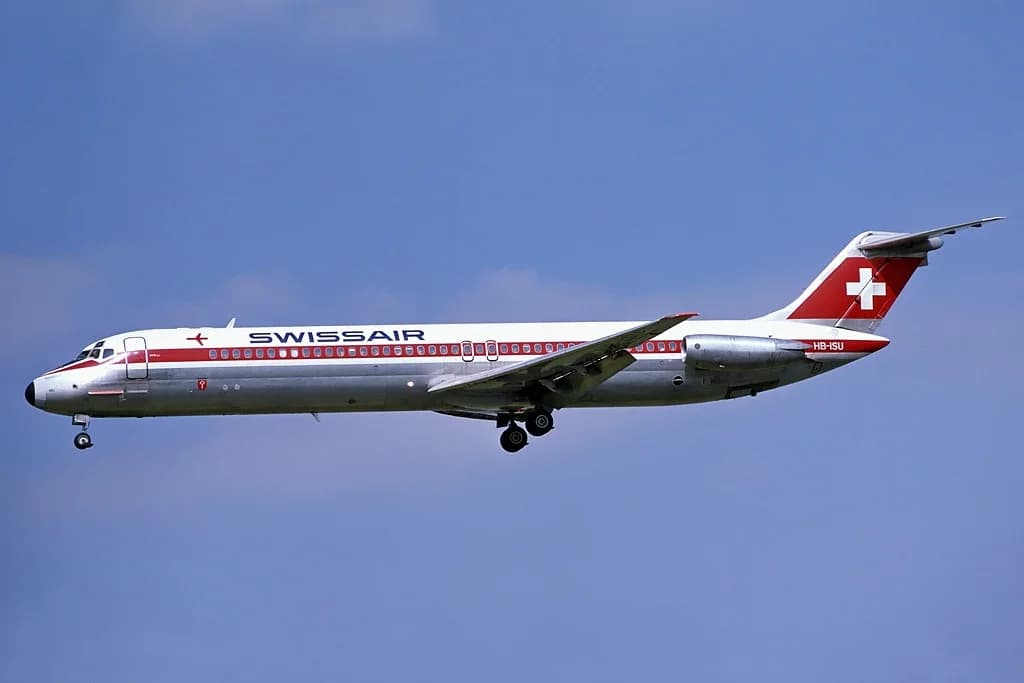
DC-9-50
Fu la versione più lunga e capiente della famiglia originale DC-9, introdotta nel 1974 per rispondere alle richieste del mercato.
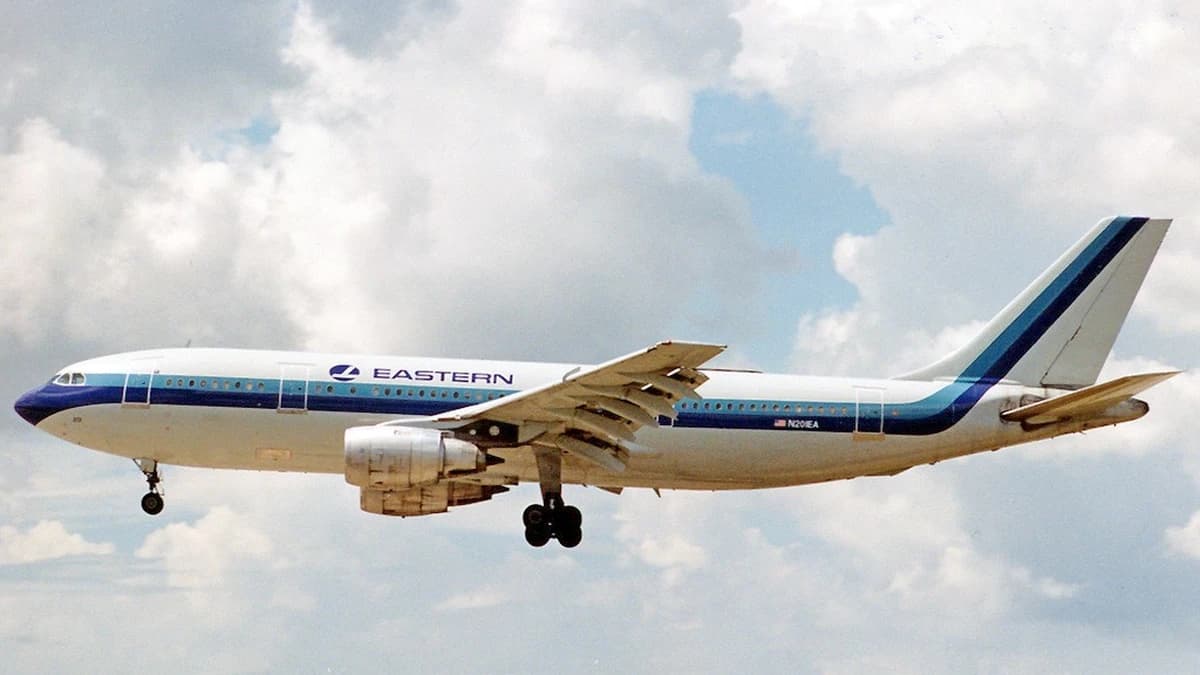
A300B4-100
Effettuò il primo volo nel 1974 entrando successivamente in servizio attivo.
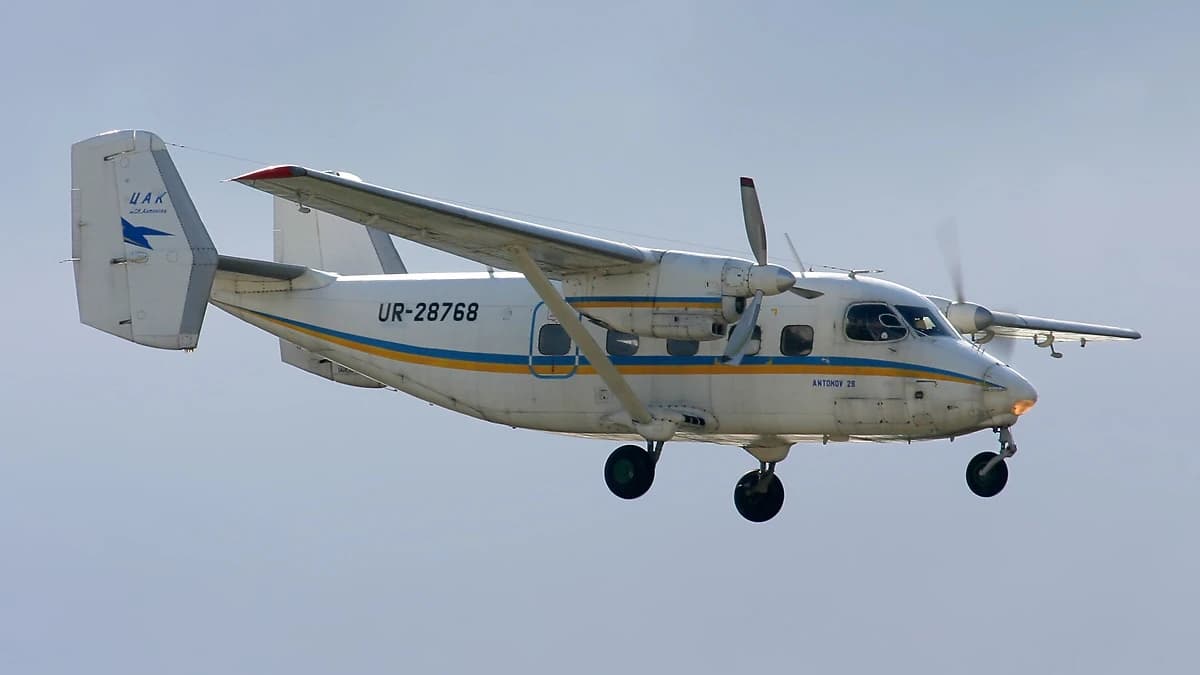
An-28
Effettuò il primo volo nel 1975 entrando successivamente in servizio attivo.
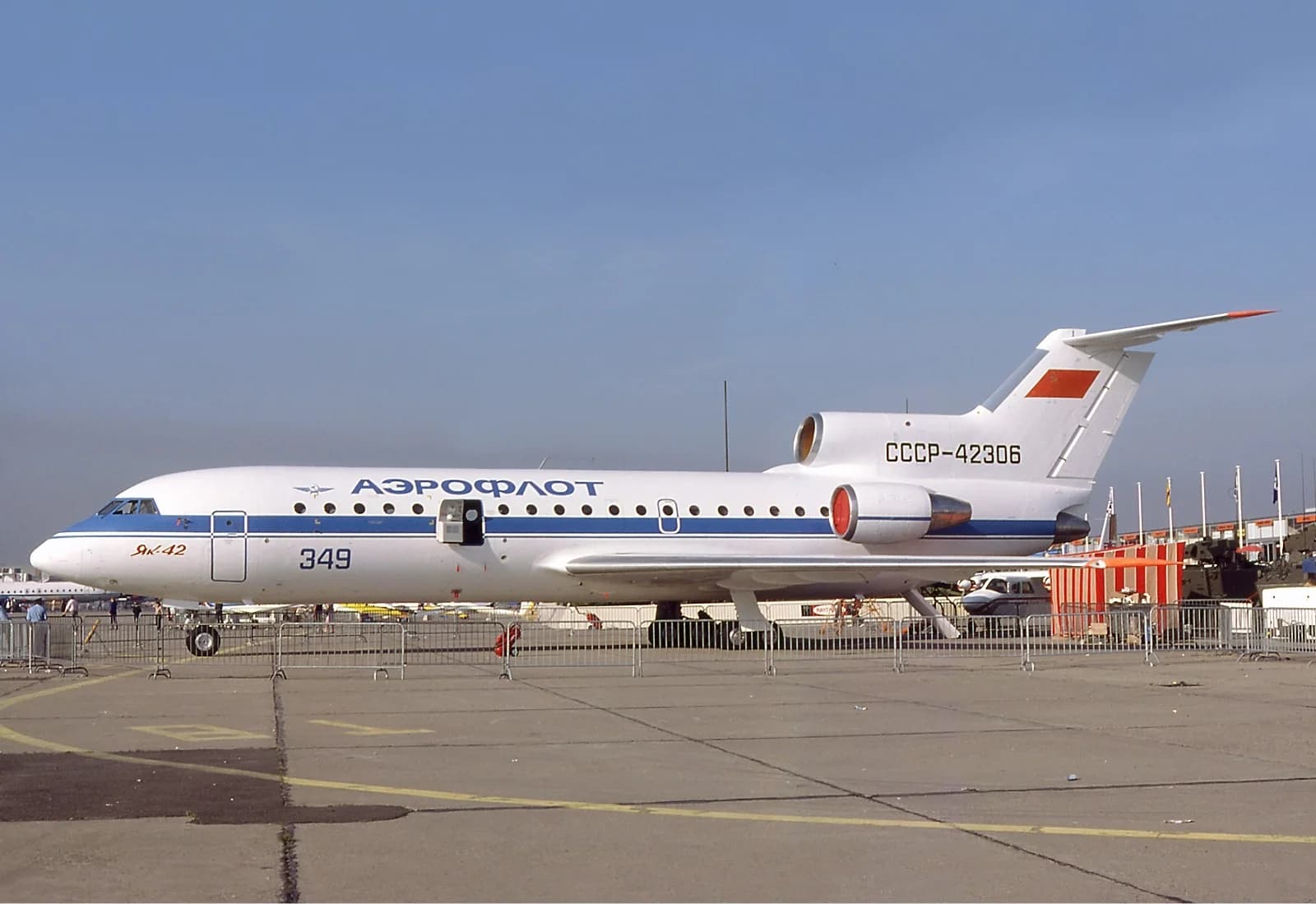
Yak-42
Effettuò il primo volo nel 1975 entrando successivamente in servizio attivo.
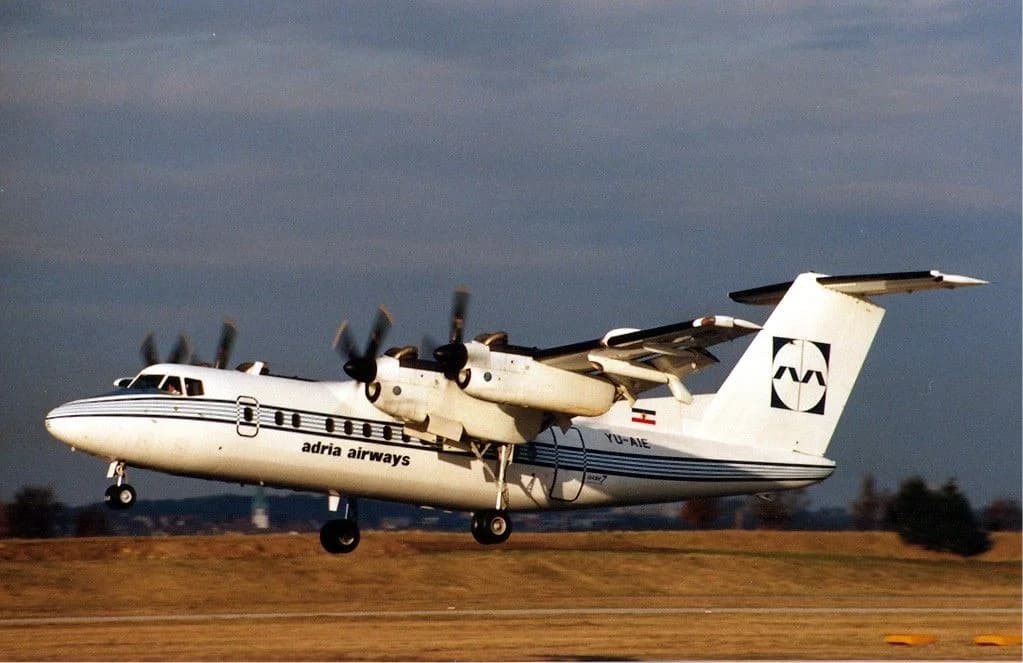
DHC-7 (Dash 7)
Effettuò il primo volo nel 1975 entrando successivamente in servizio attivo.
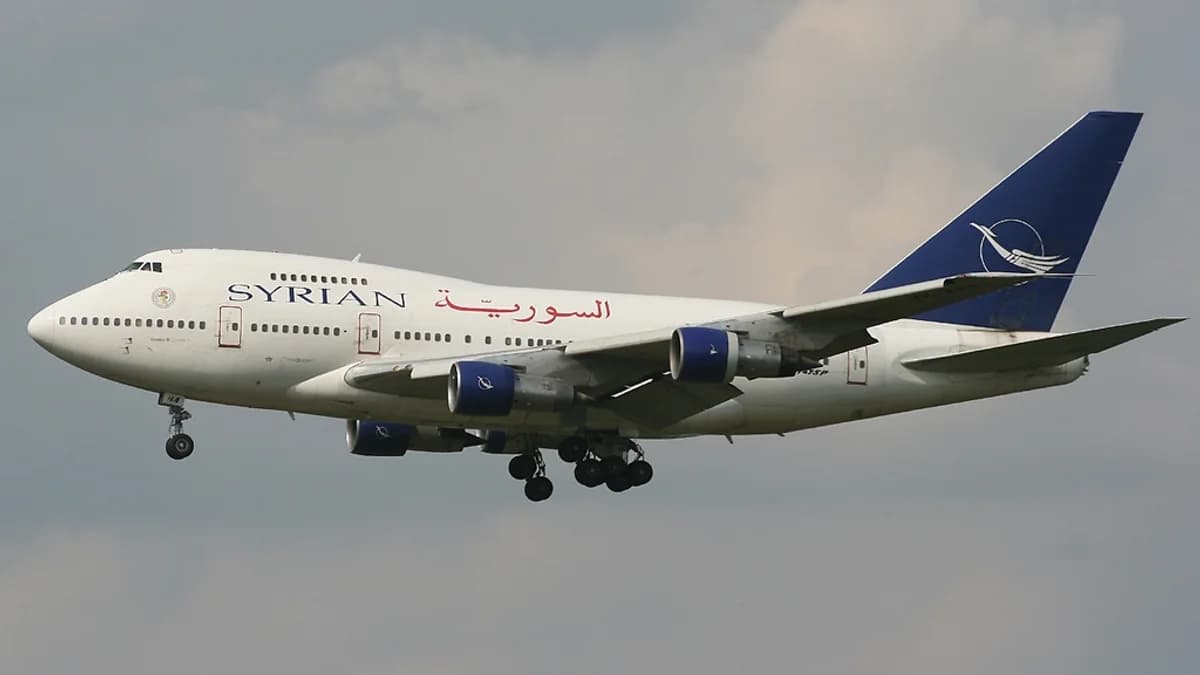
747SP
Effettuò il primo volo nel 1975 entrando successivamente in servizio attivo.
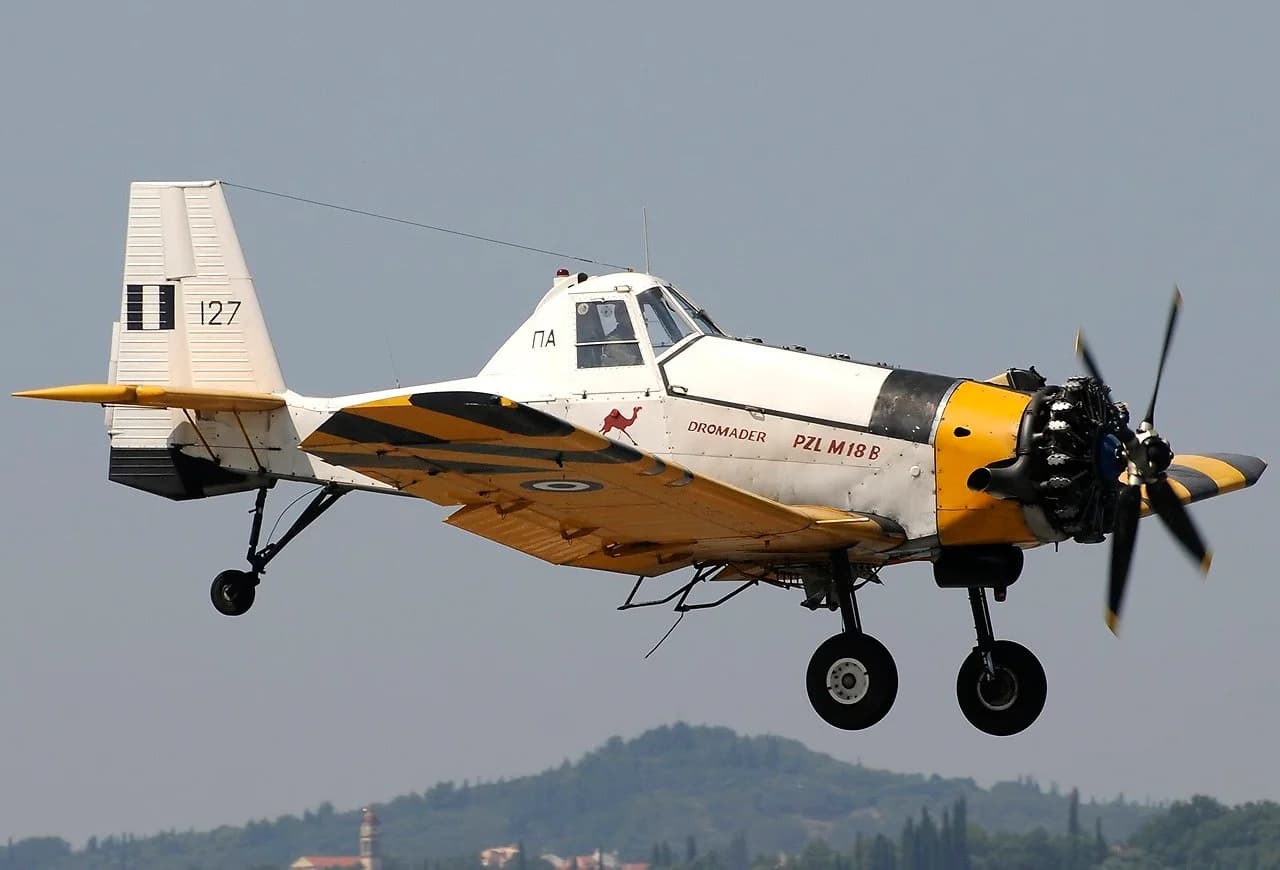
Mielec M18 Dromader
Sviluppato in collaborazione con la Rockwell International americana, di cui condivideva alcune componenti del Thrush Commander.
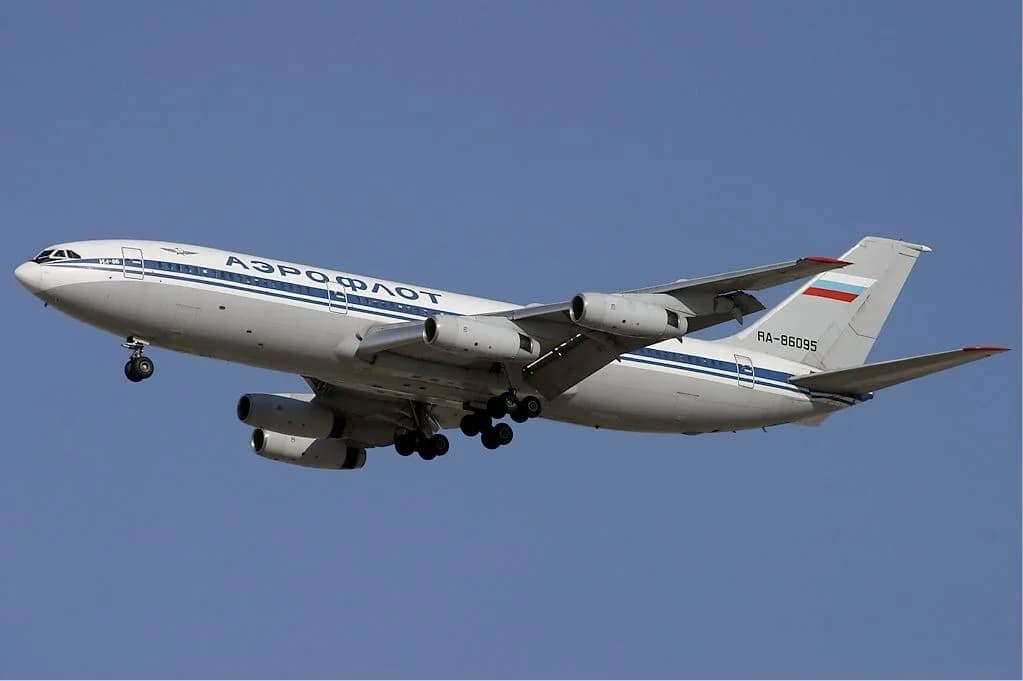
Il-86
Effettuò il primo volo nel 1976 entrando successivamente in servizio attivo.
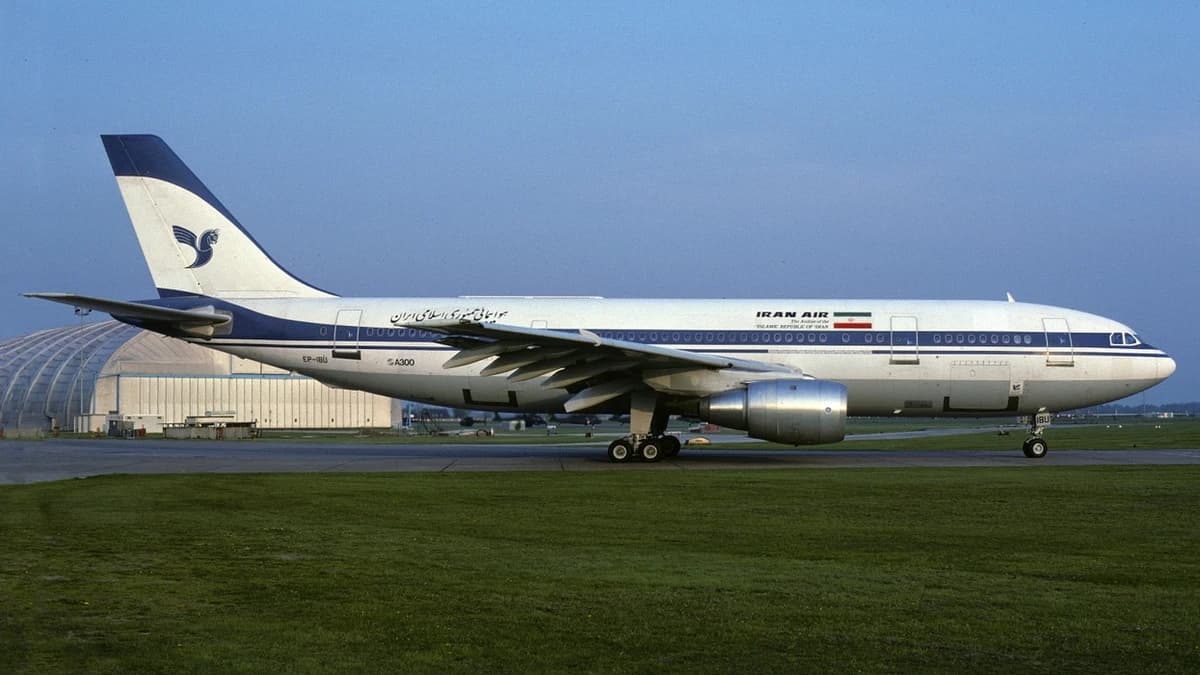
A300B2-200
Effettuò il primo volo nel 1976 entrando successivamente in servizio attivo.
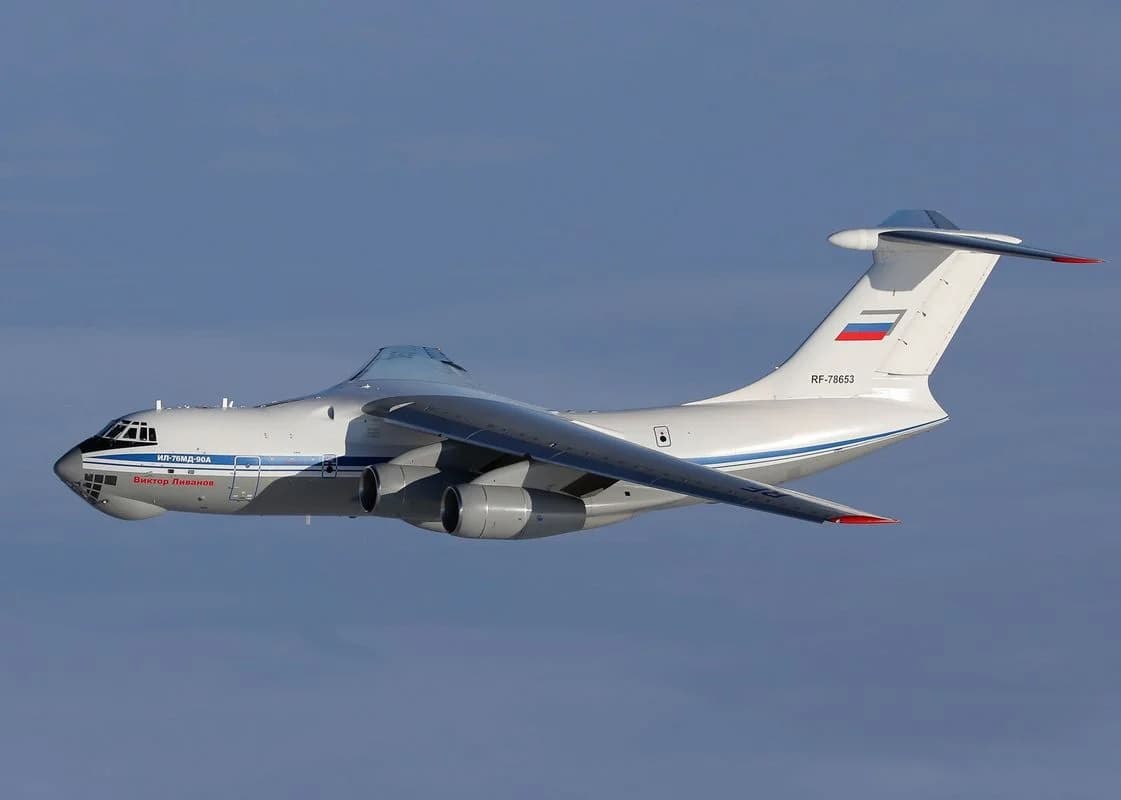
Il-76TD
Effettuò il primo volo nel 1976 entrando successivamente in servizio attivo.
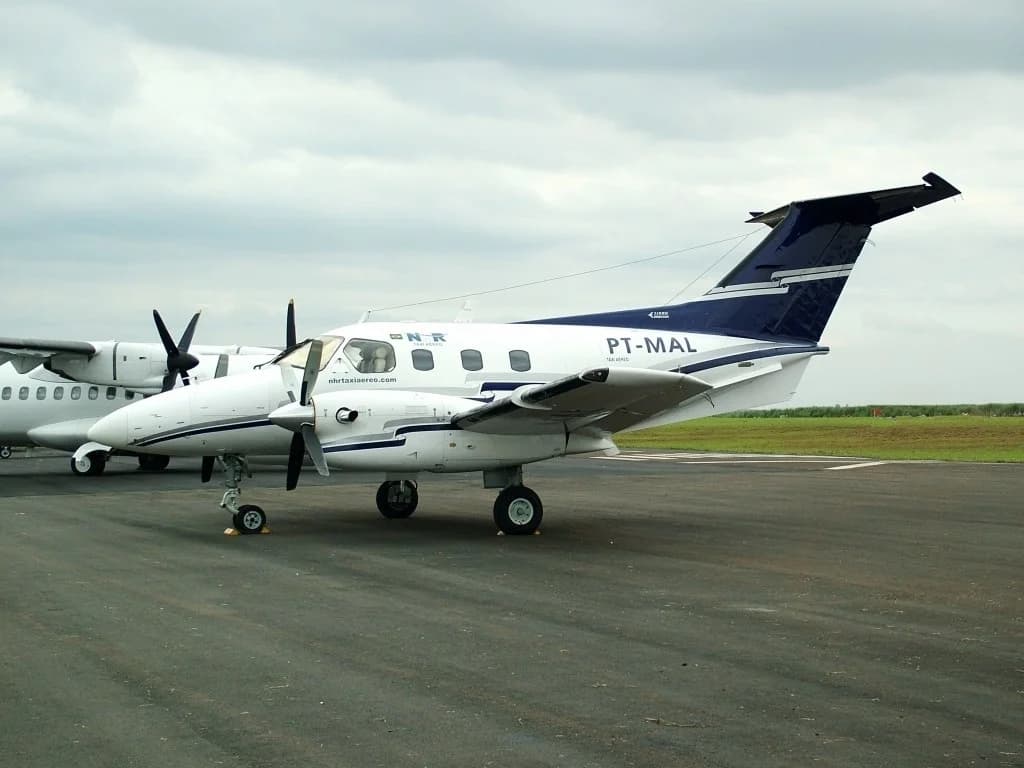
EMB 121 Xingu
Effettuò il primo volo nel 1976 entrando successivamente in servizio attivo.
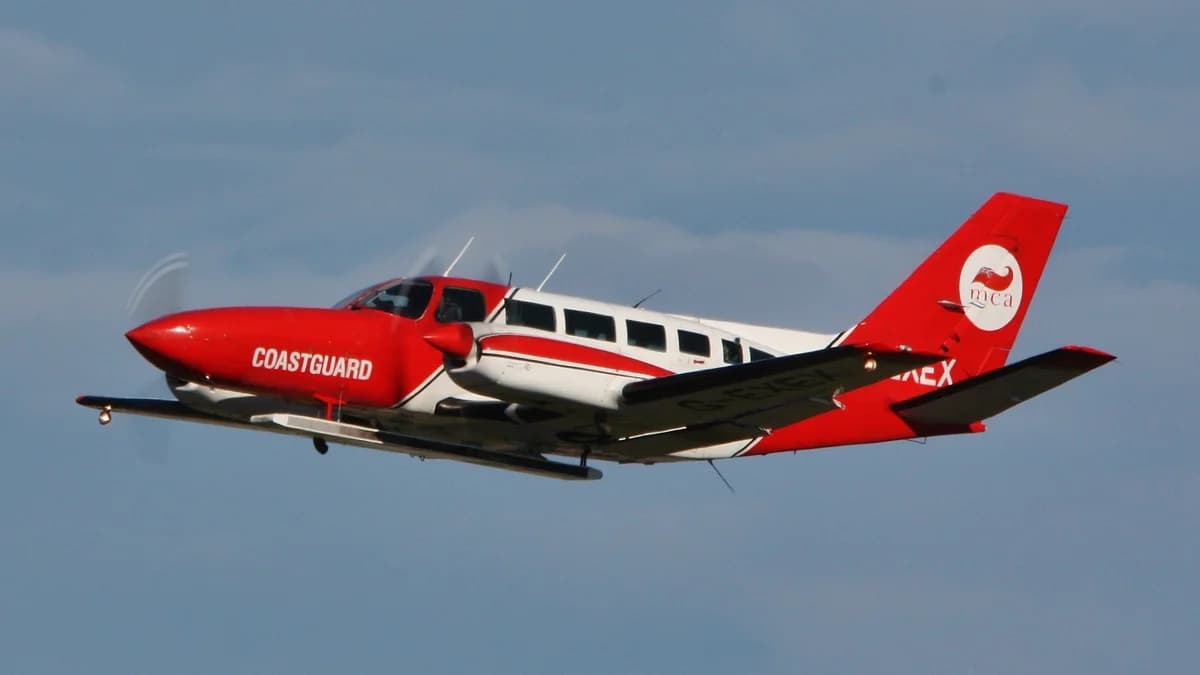
404 Titan
Effettuò il primo volo nel 1976 entrando successivamente in servizio attivo.
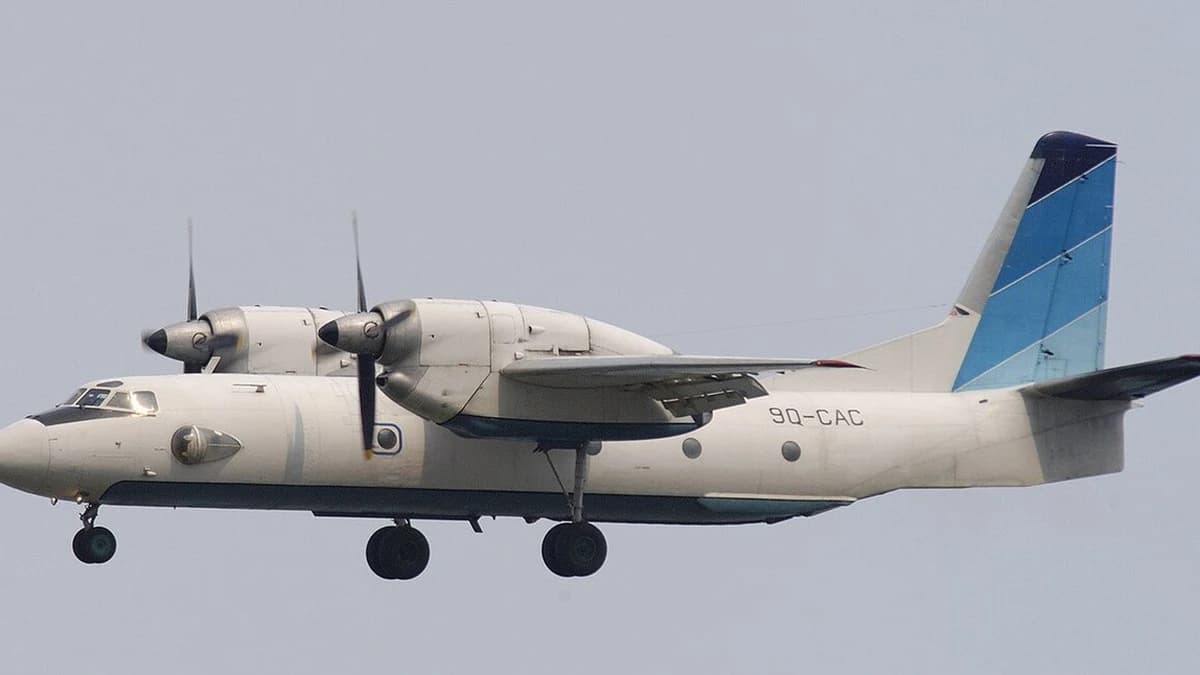
An-32
Effettuò il primo volo nel 1976 entrando successivamente in servizio attivo.
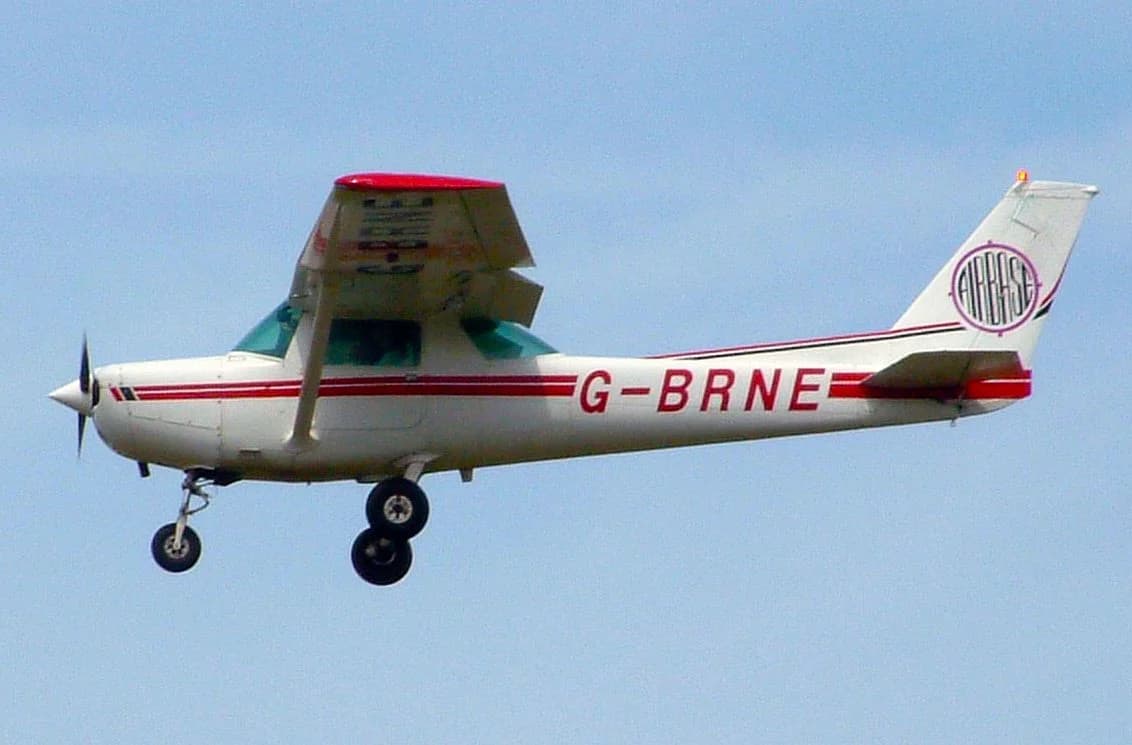
152
Effettuò il primo volo nel 1977 entrando successivamente in servizio attivo.
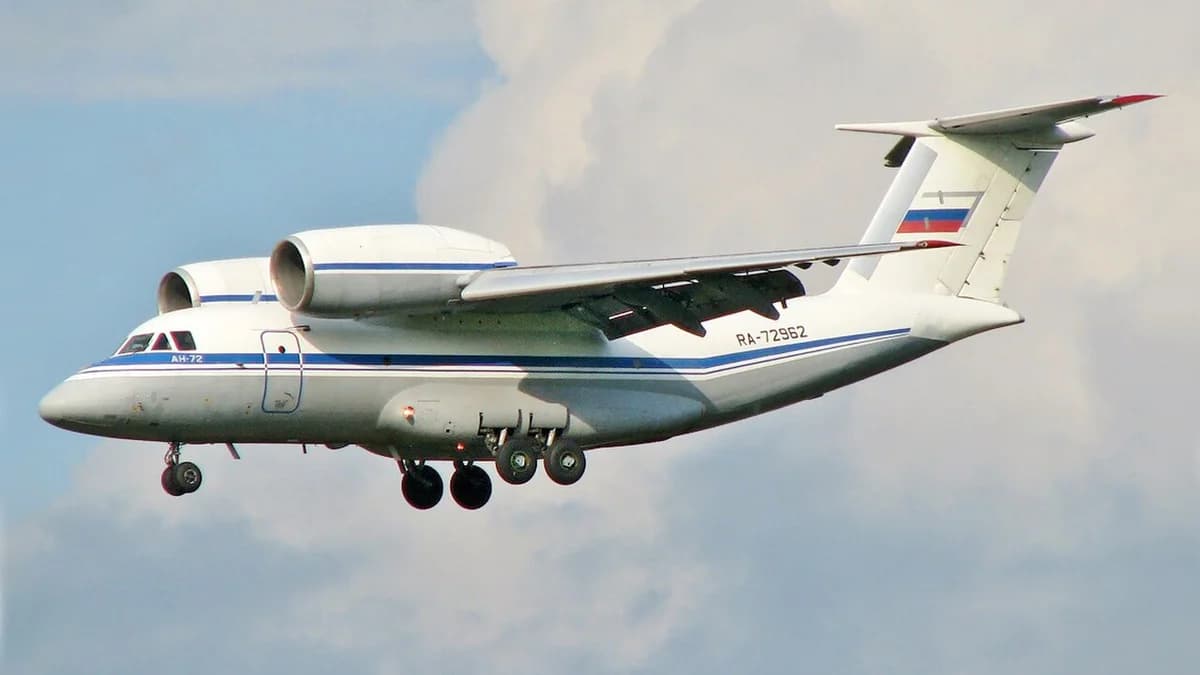
An-72
Effettuò il primo volo nel 1977 entrando successivamente in servizio attivo.
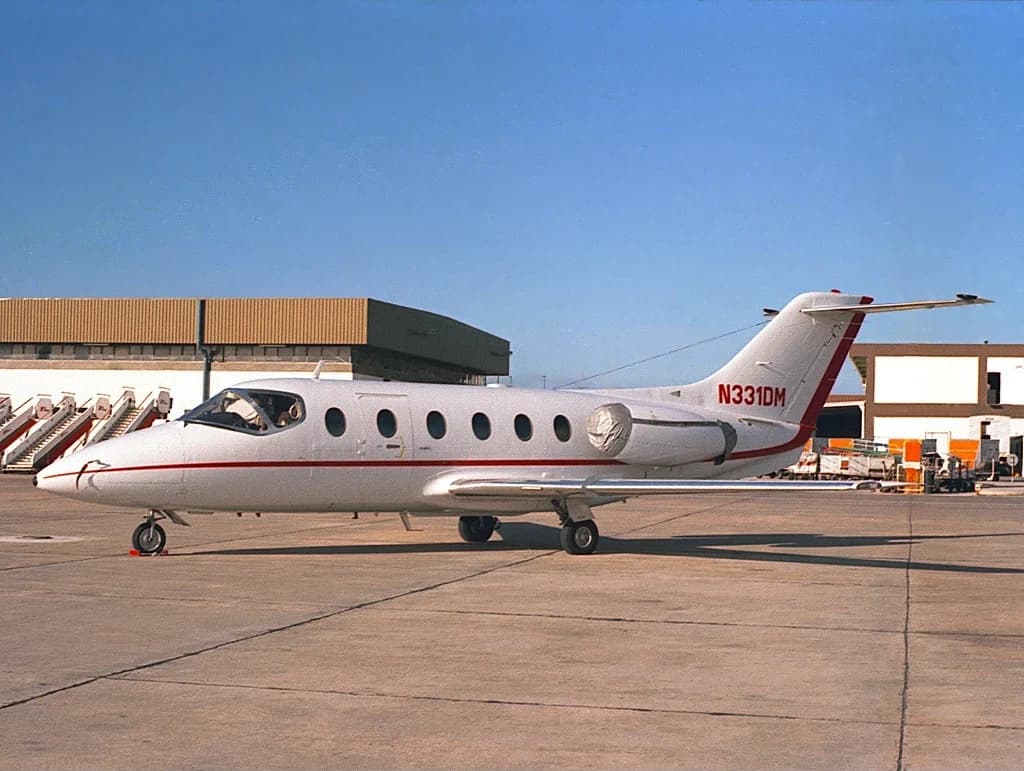
MU-300 Diamond
Effettuò il primo volo nel 1978 entrando successivamente in servizio attivo.
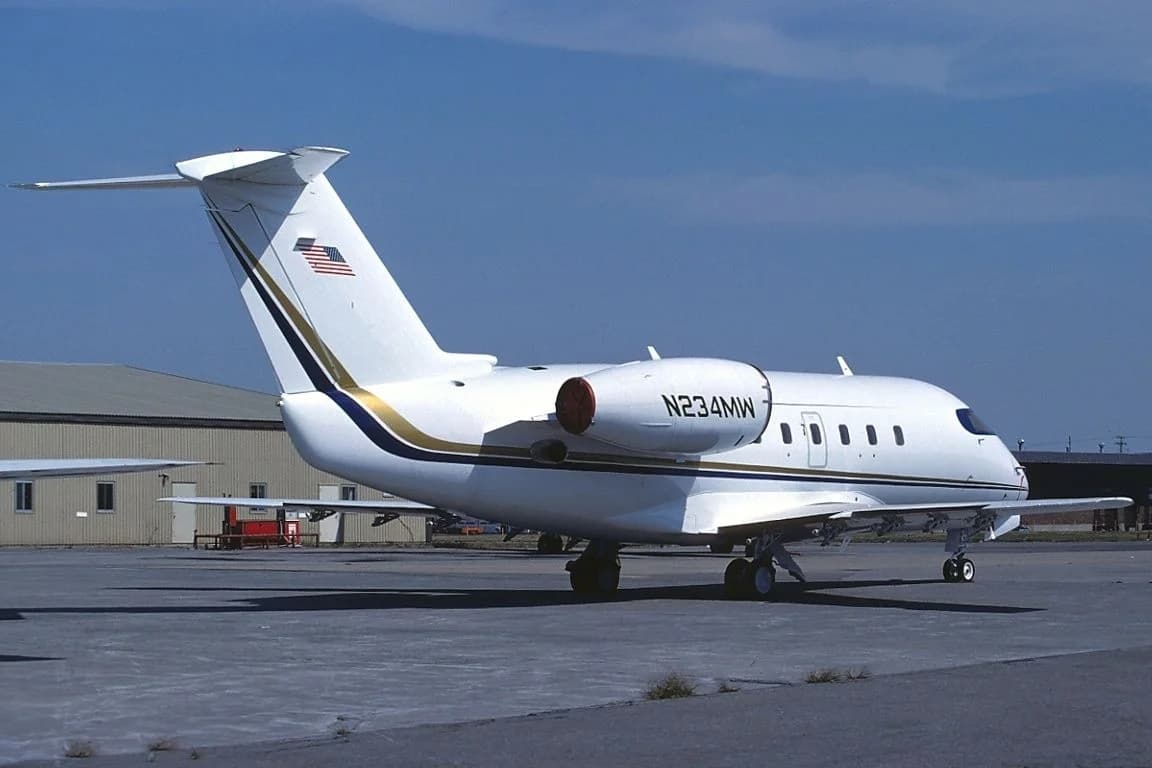
Challenger 600
Effettuò il primo volo nel 1978 entrando successivamente in servizio attivo.
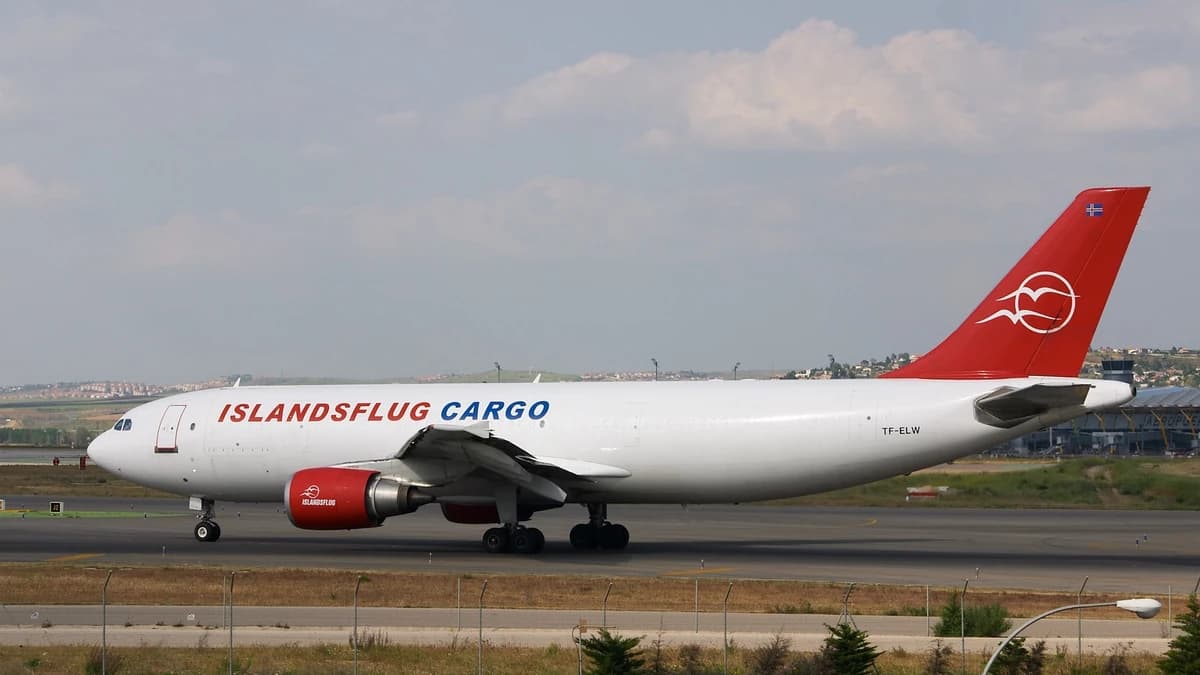
A300C4
Effettuò il primo volo nel 1979 entrando successivamente in servizio attivo.
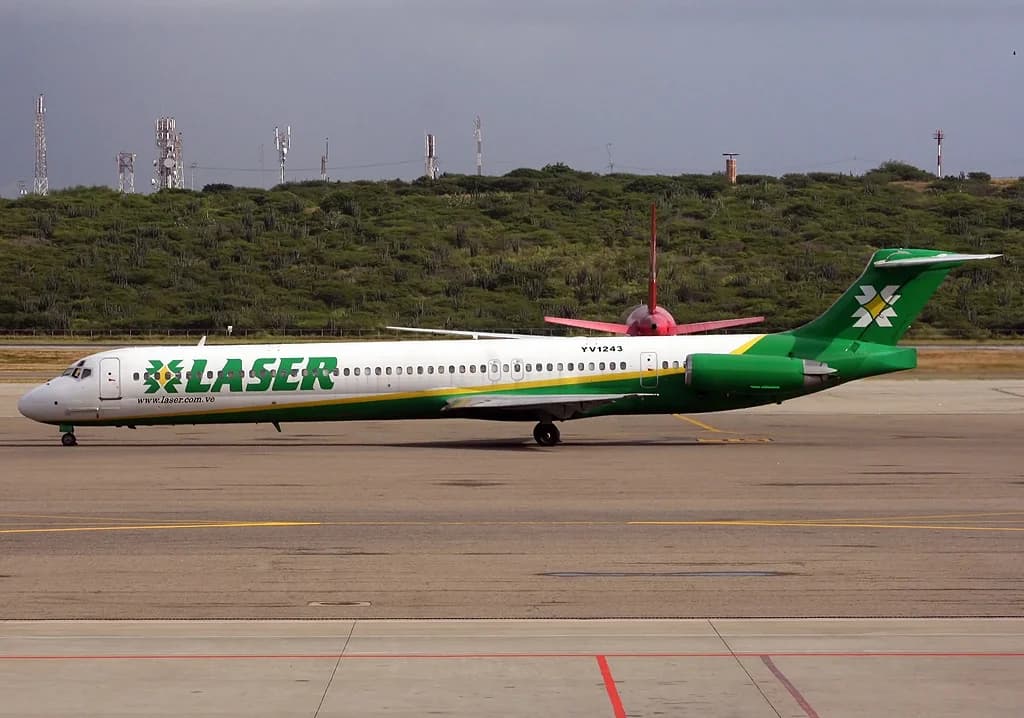
MD-81
Fu il primo modello di lancio della serie MD-80, inizialmente denominato DC-9 Super 80.
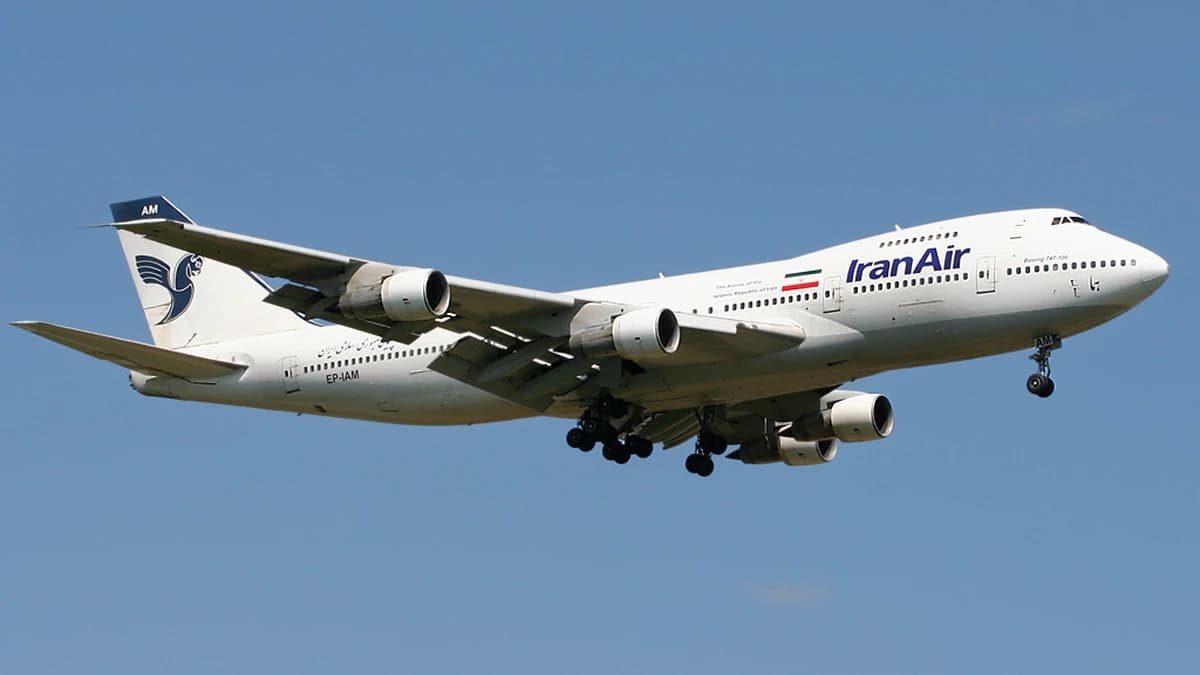
747-100B
Effettuò il primo volo nel 1979 entrando successivamente in servizio attivo.
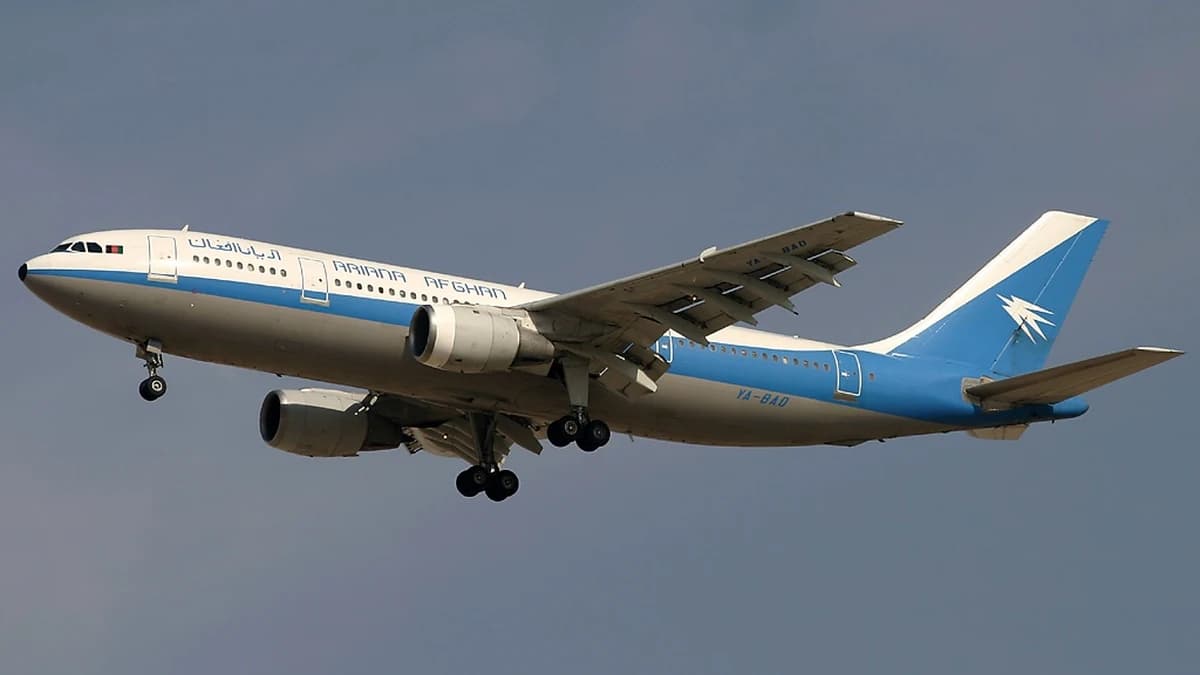
A300B4-200
Effettuò il primo volo nel 1979 entrando successivamente in servizio attivo.
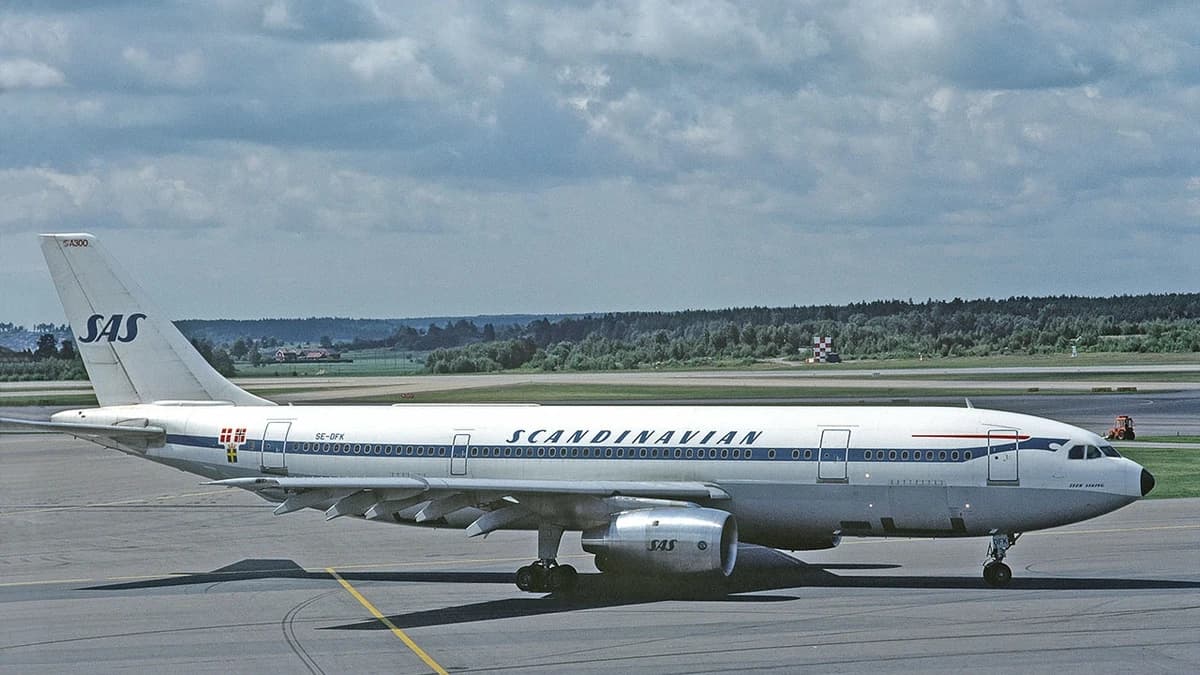
A300B2-300
Effettuò il primo volo nel 1979 entrando successivamente in servizio attivo.
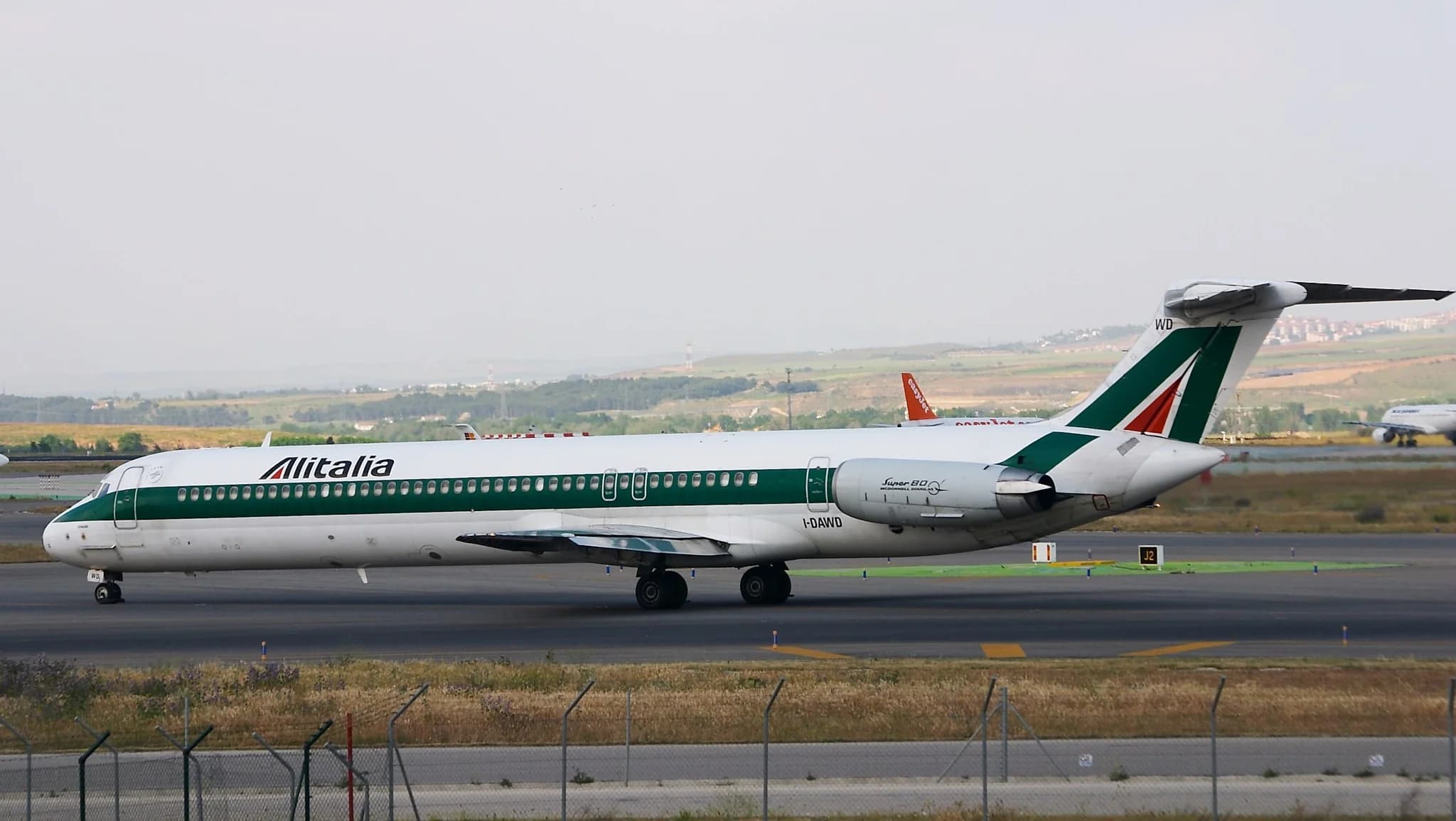
MD-82
Fu progettato specificamente per operazioni in aeroporti caldi ed elevati ('hot and high'), grazie a motori JT8D-217 più potenti.
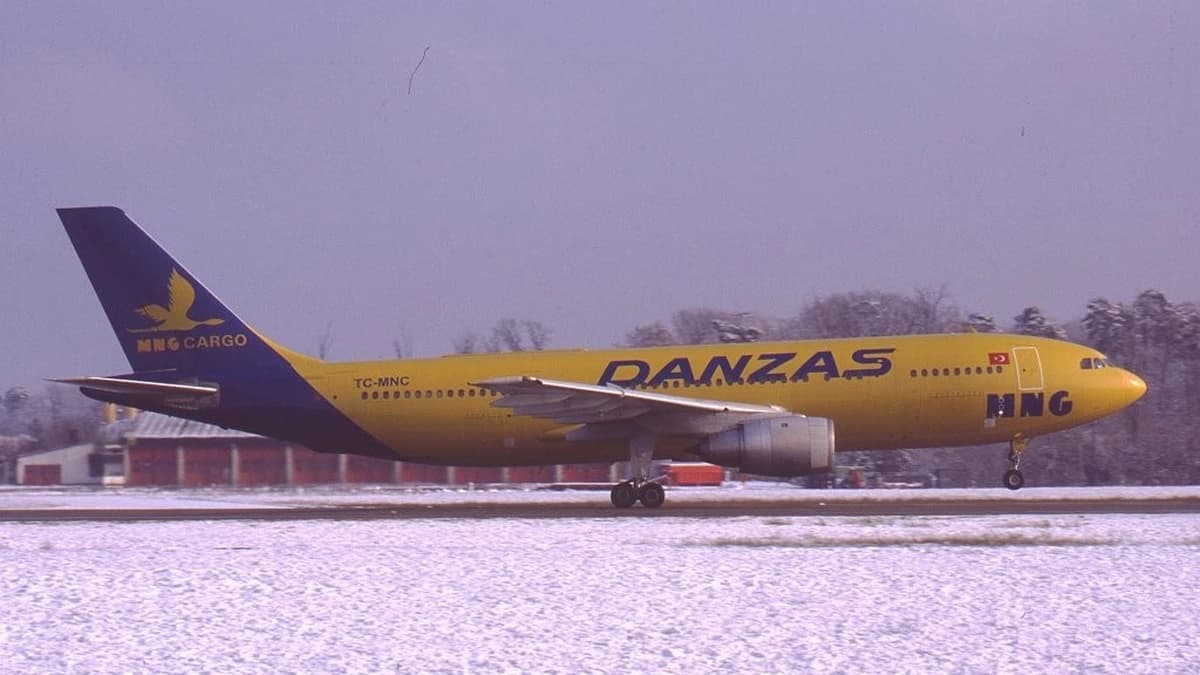
A300F4-200
Effettuò il primo volo nel 1980 entrando successivamente in servizio attivo.
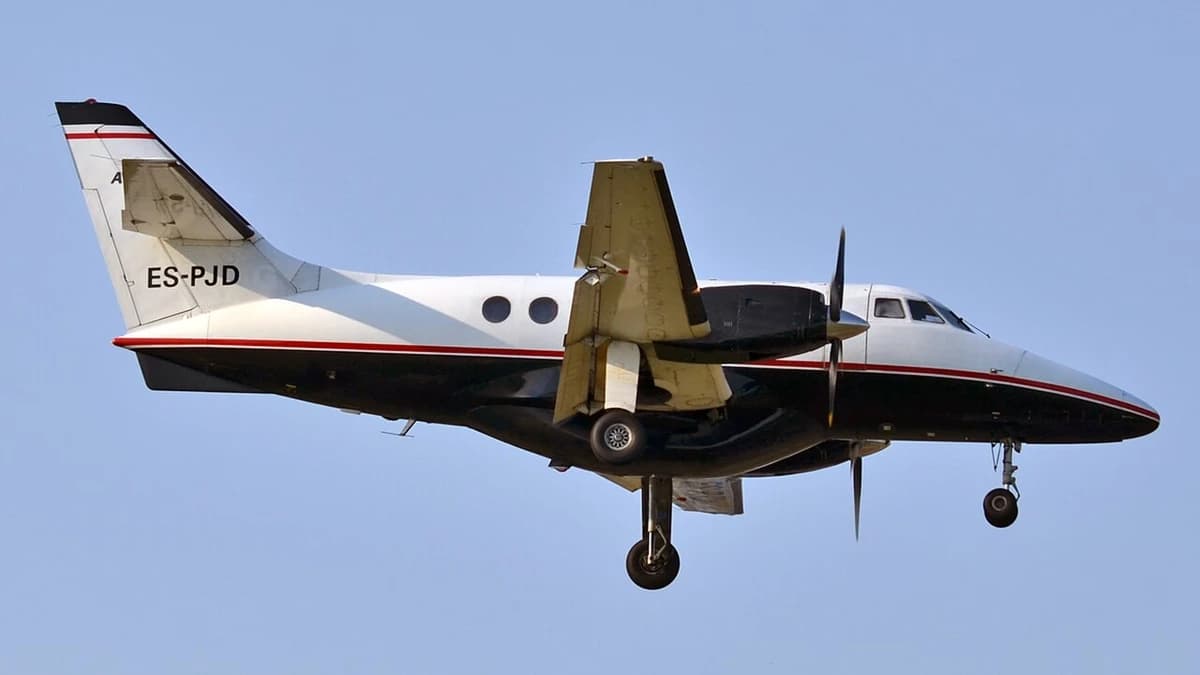
Jetstream 31
Effettuò il primo volo nel 1980 entrando successivamente in servizio attivo.
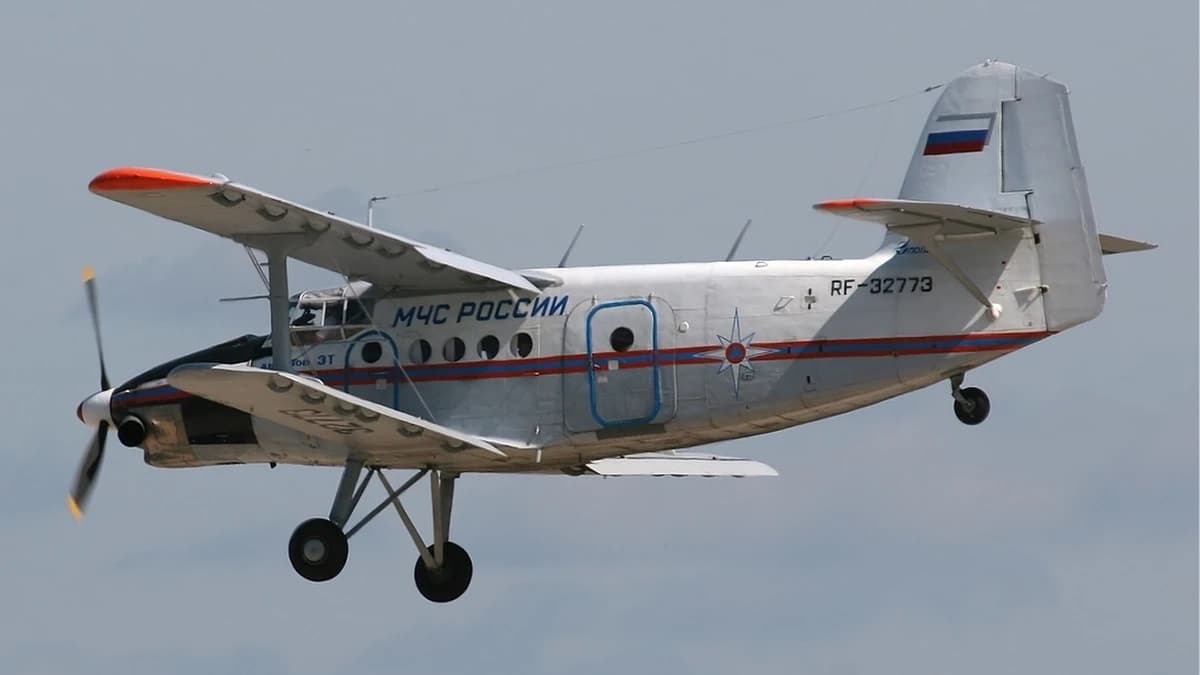
An-3
Effettuò il primo volo nel 1980 entrando successivamente in servizio attivo.
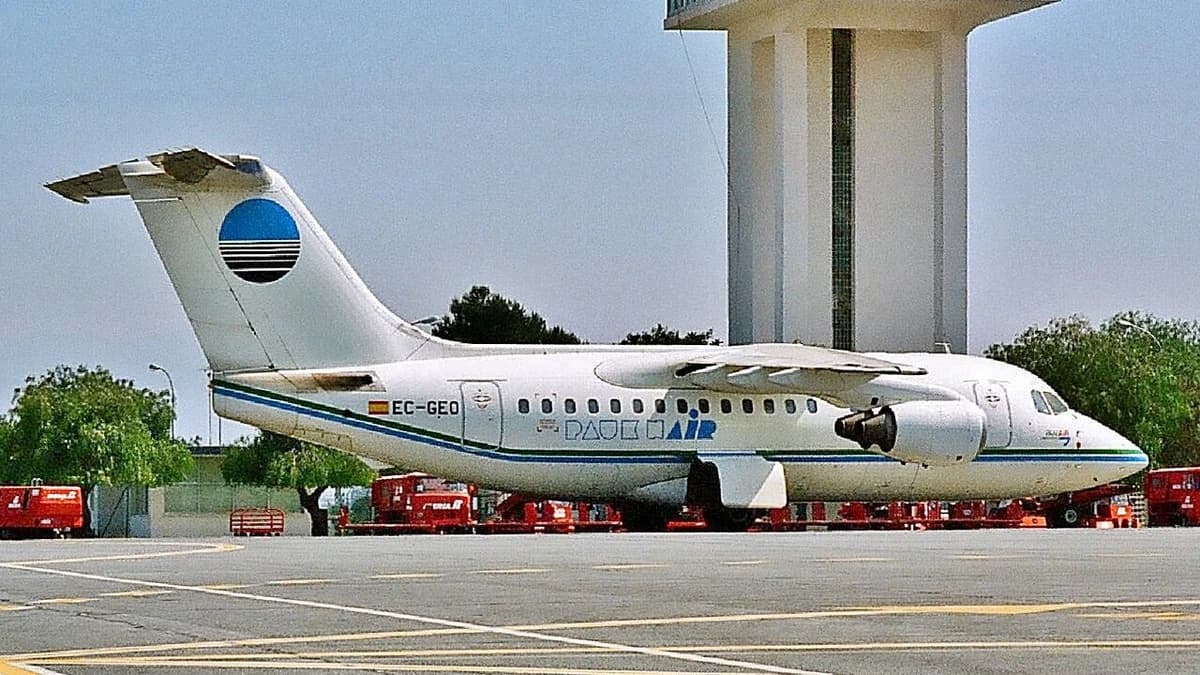
BAe 146-100
Effettuò il primo volo nel 1981 entrando successivamente in servizio attivo.
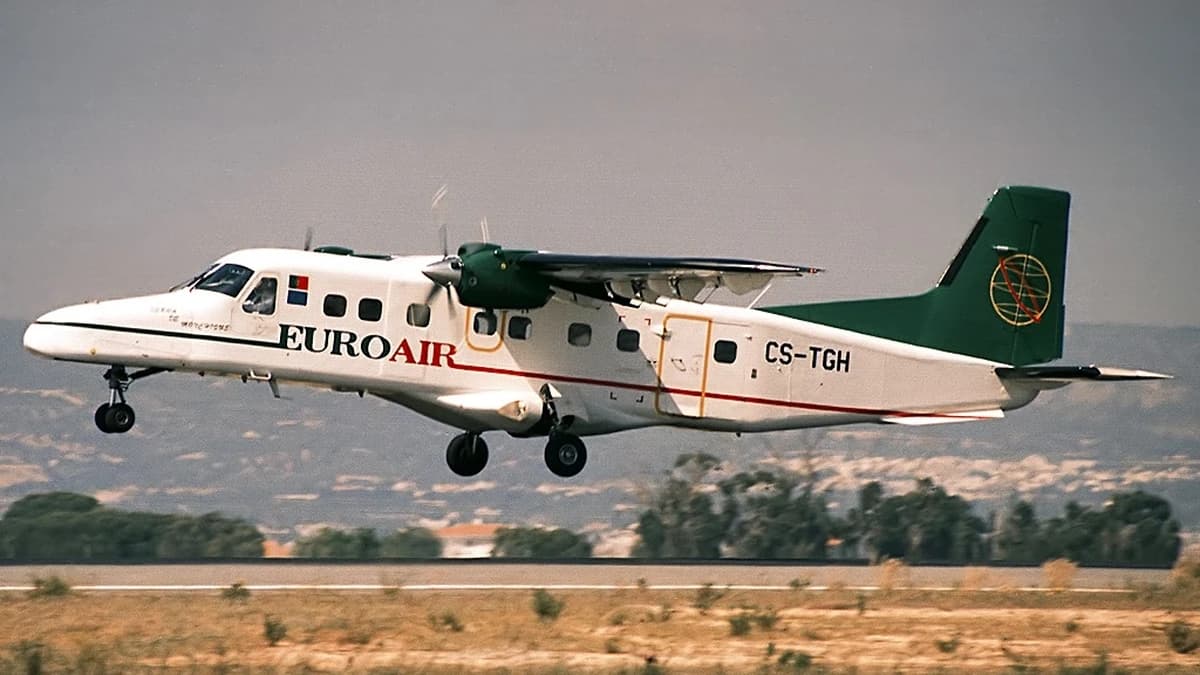
228-200
Effettuò il primo volo nel 1981 entrando successivamente in servizio attivo.
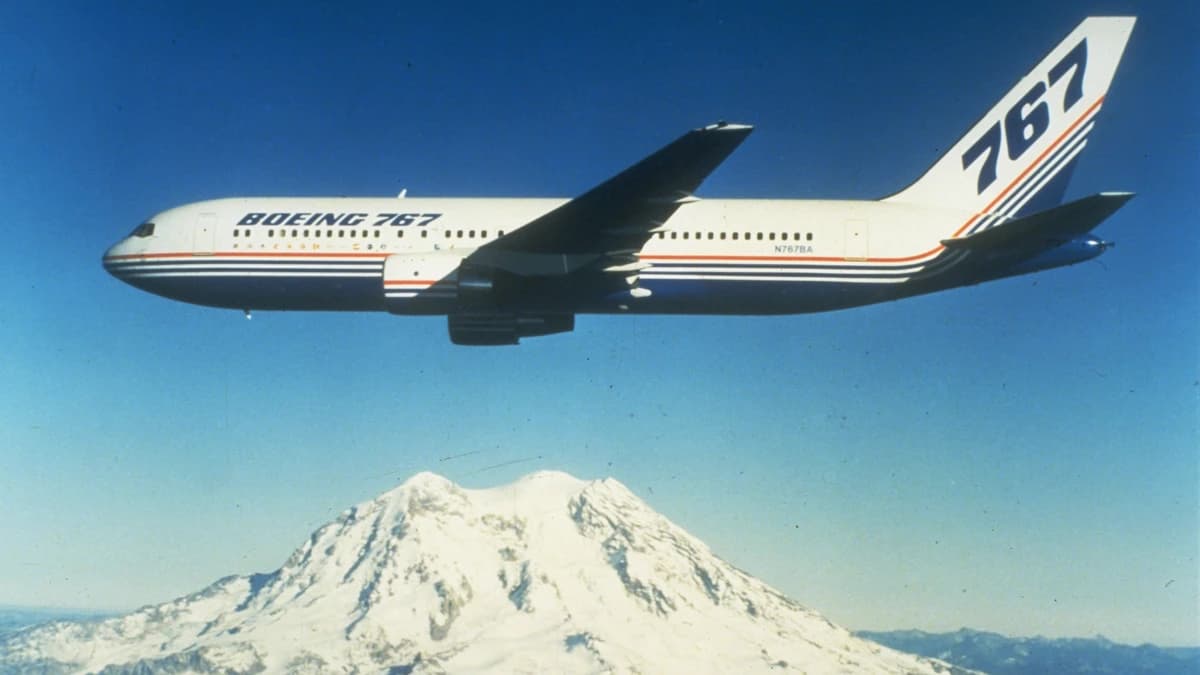
767-200
Effettuò il primo volo nel 1981 entrando successivamente in servizio attivo.
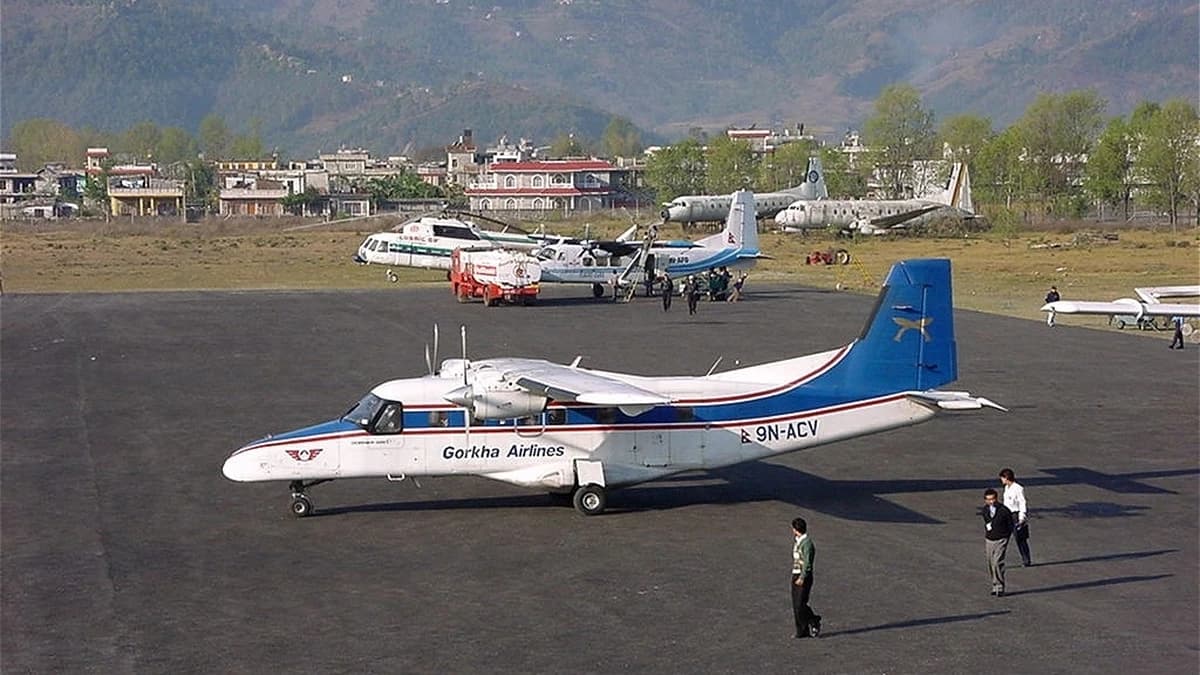
228-100
Effettuò il primo volo nel 1981 entrando successivamente in servizio attivo.
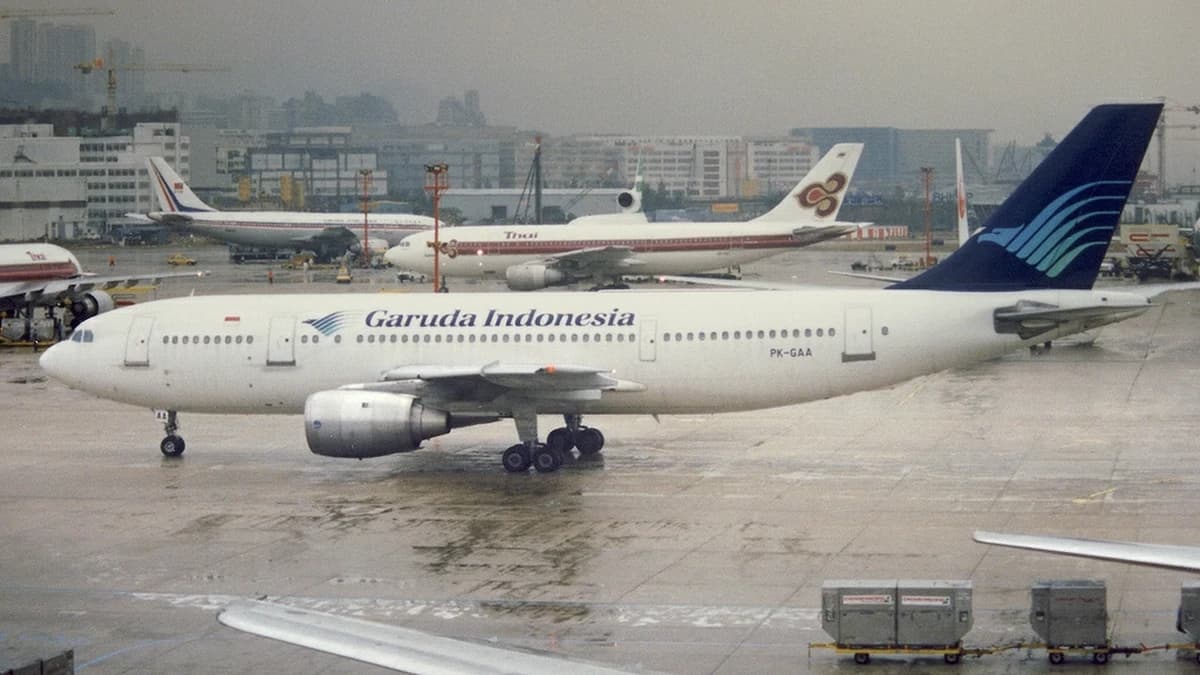
A300B4-220FF
Effettuò il primo volo nel 1981 entrando successivamente in servizio attivo.
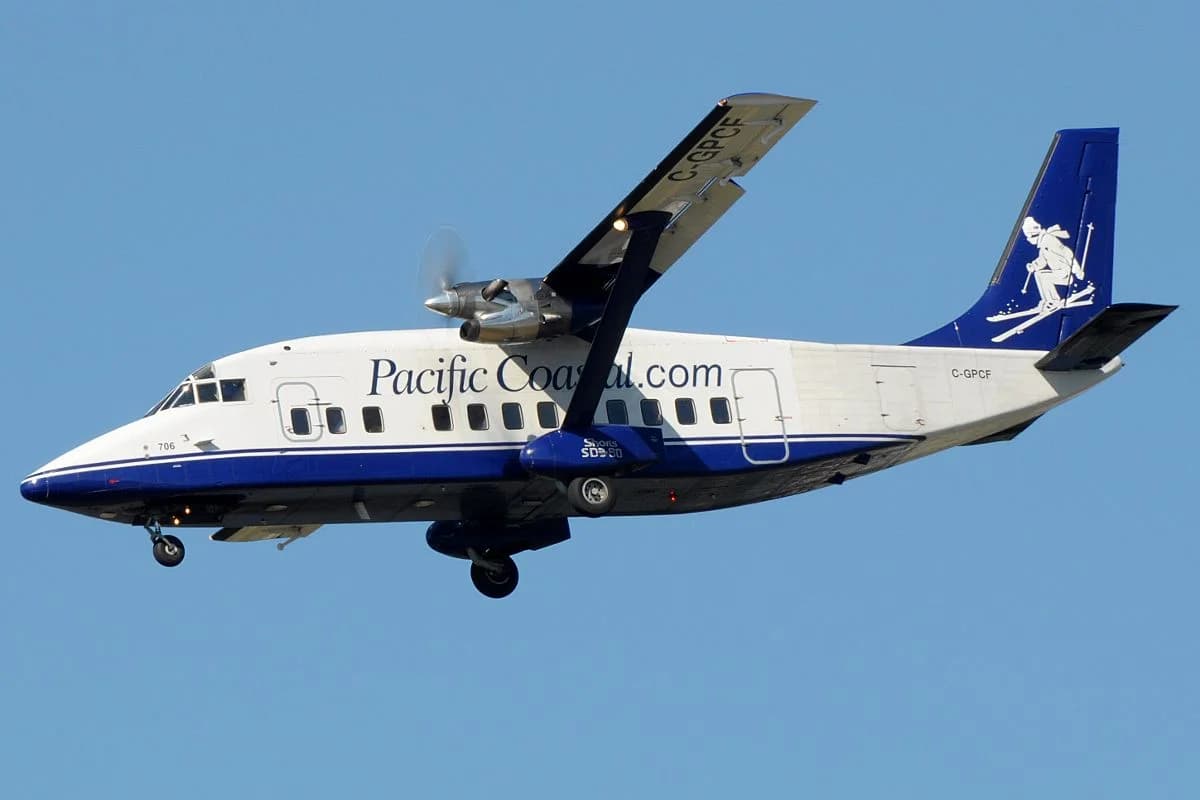
Shorts 360
Effettuò il primo volo nel 1981 entrando successivamente in servizio attivo.
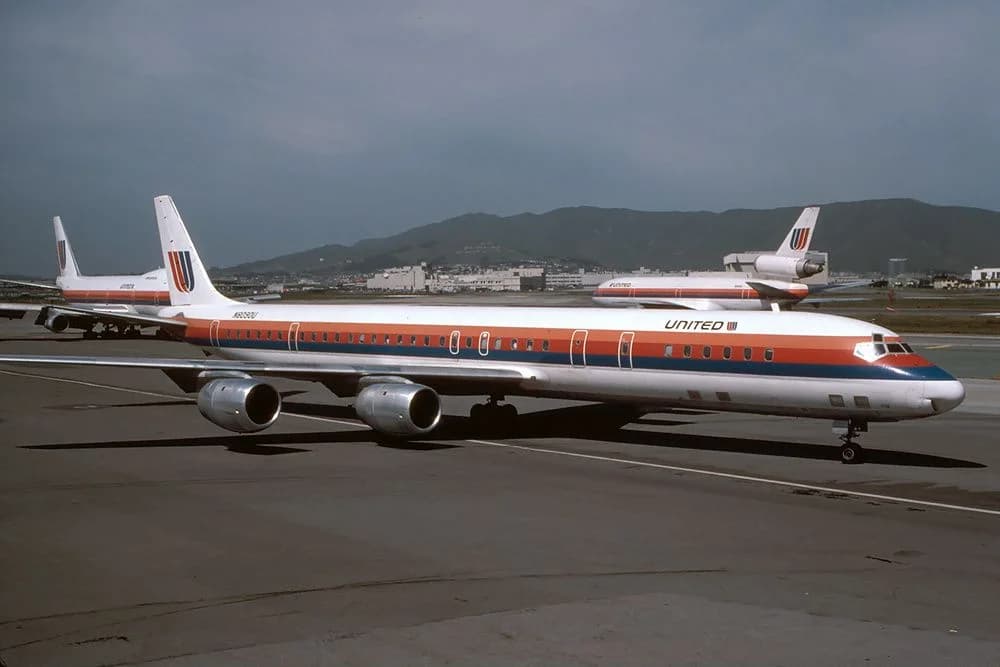
DC-8 Super 70 Series
Effettuò il primo volo nel 1981 entrando successivamente in servizio attivo.
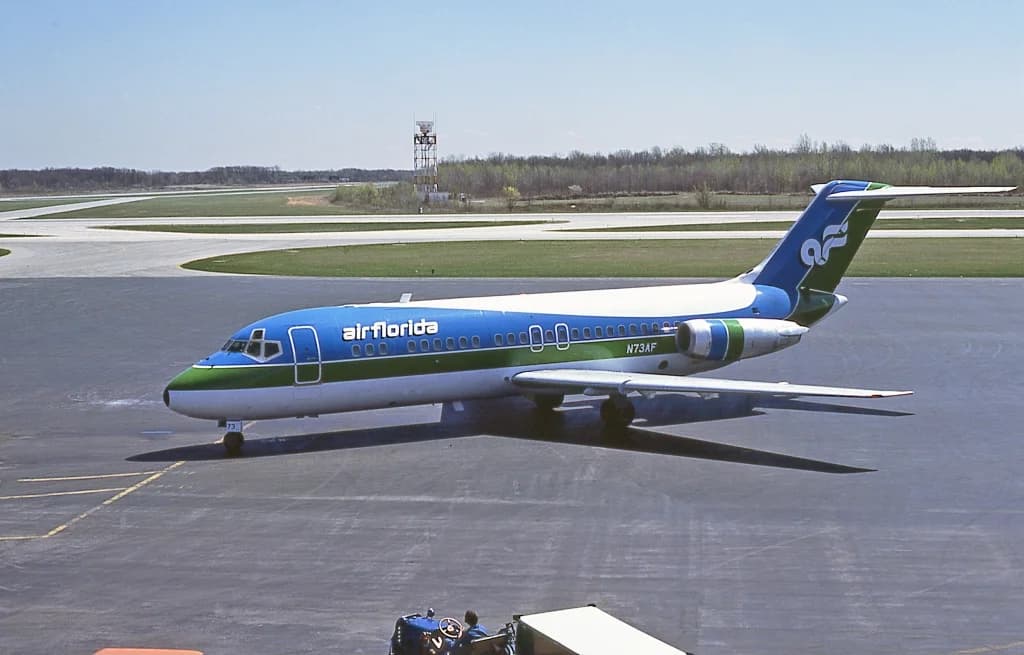
DC-10-15
Fu una versione speciale progettata per operazioni in aeroporti caldi ed elevati ('hot and high'), combinando la cellula del -10 con motori più potenti.
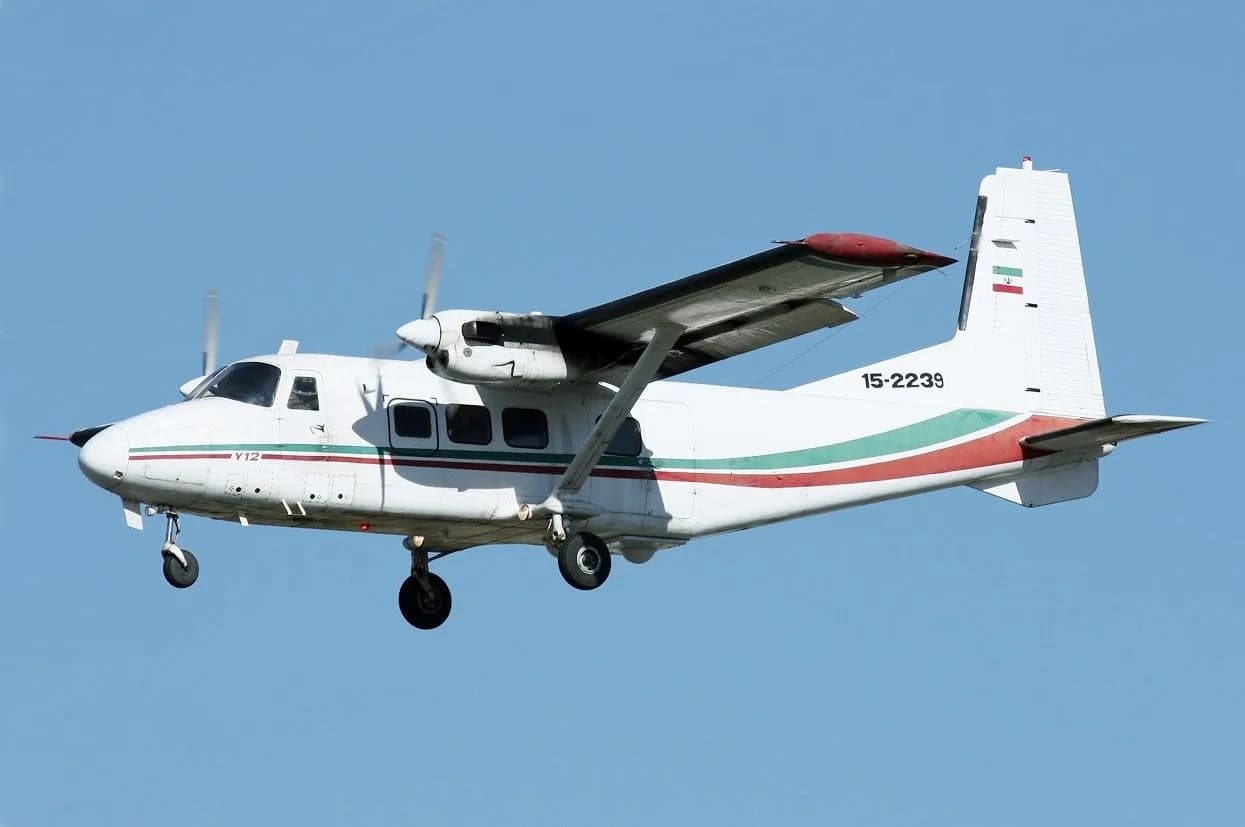
Y-12
Effettuò il primo volo nel 1982 entrando successivamente in servizio attivo.
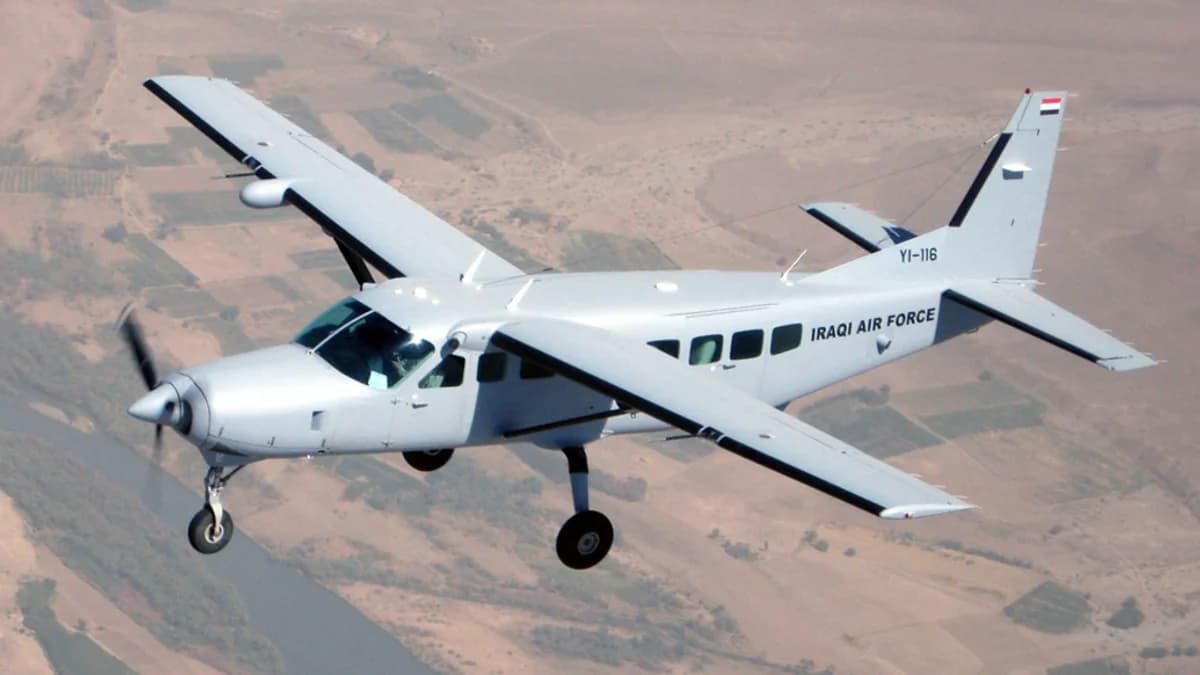
208 Caravan
Effettuò il primo volo nel 1982 entrando successivamente in servizio attivo.
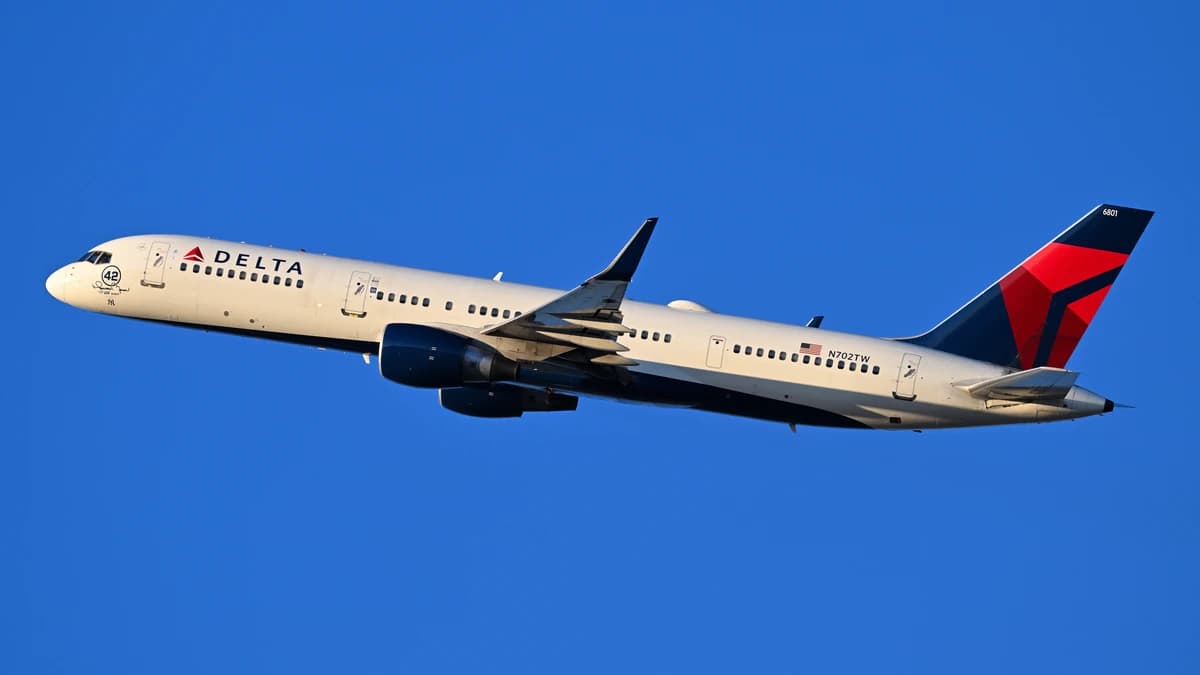
757-200
Effettuò il primo volo nel 1982 entrando successivamente in servizio attivo.
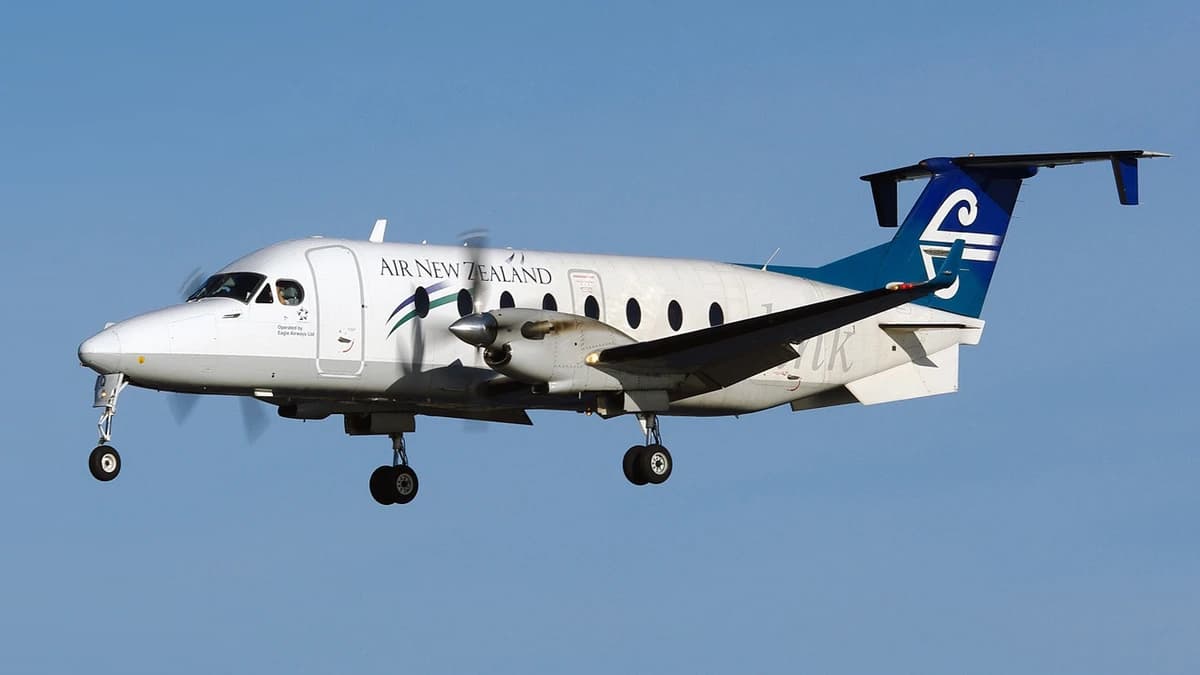
1900C
Effettuò il primo volo nel 1982 entrando successivamente in servizio attivo.
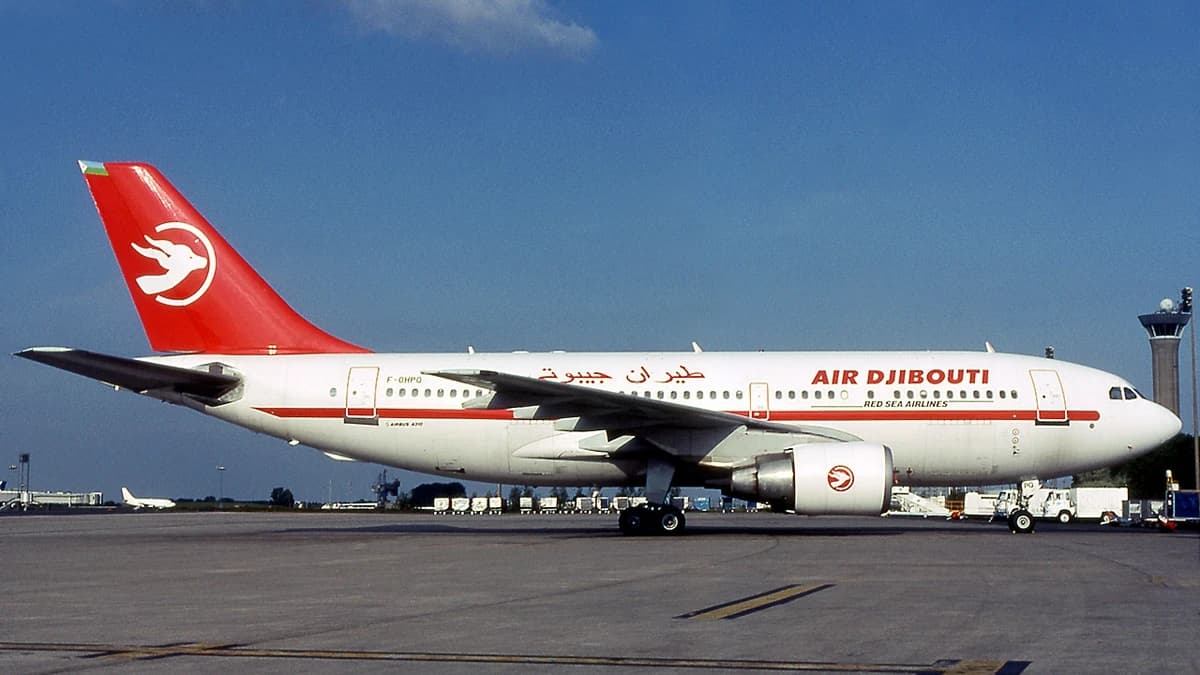
A310-200
Effettuò il primo volo nel 1982 entrando successivamente in servizio attivo.
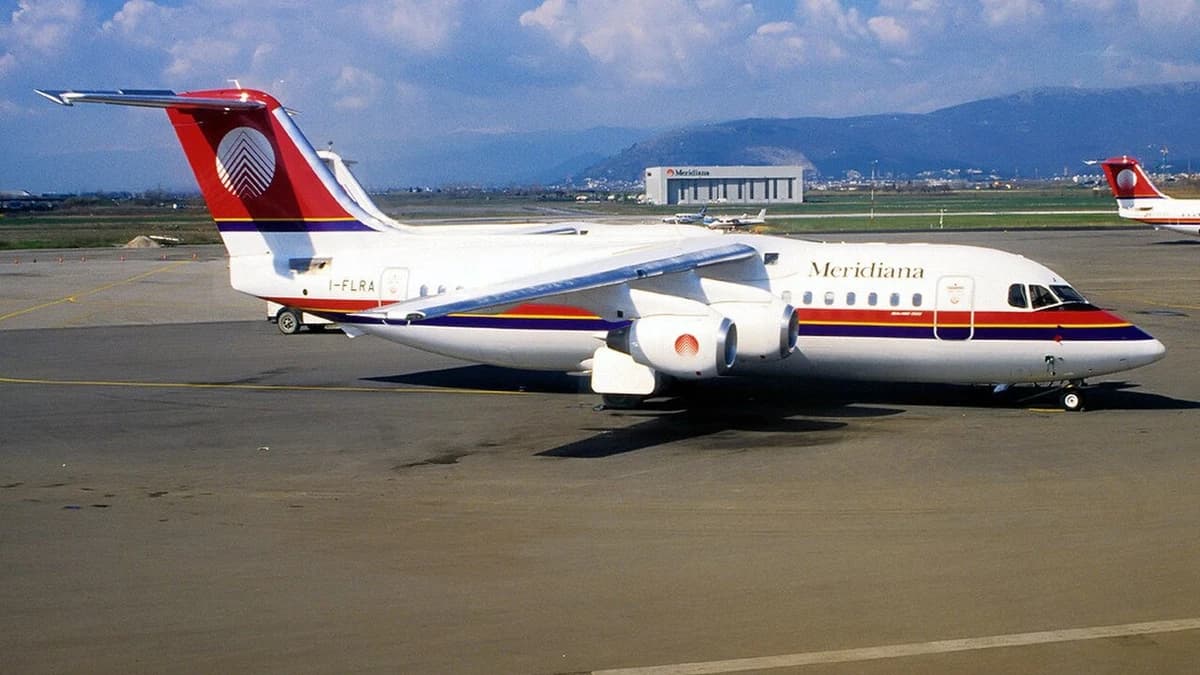
BAe 146-200
Effettuò il primo volo nel 1982 entrando successivamente in servizio attivo.
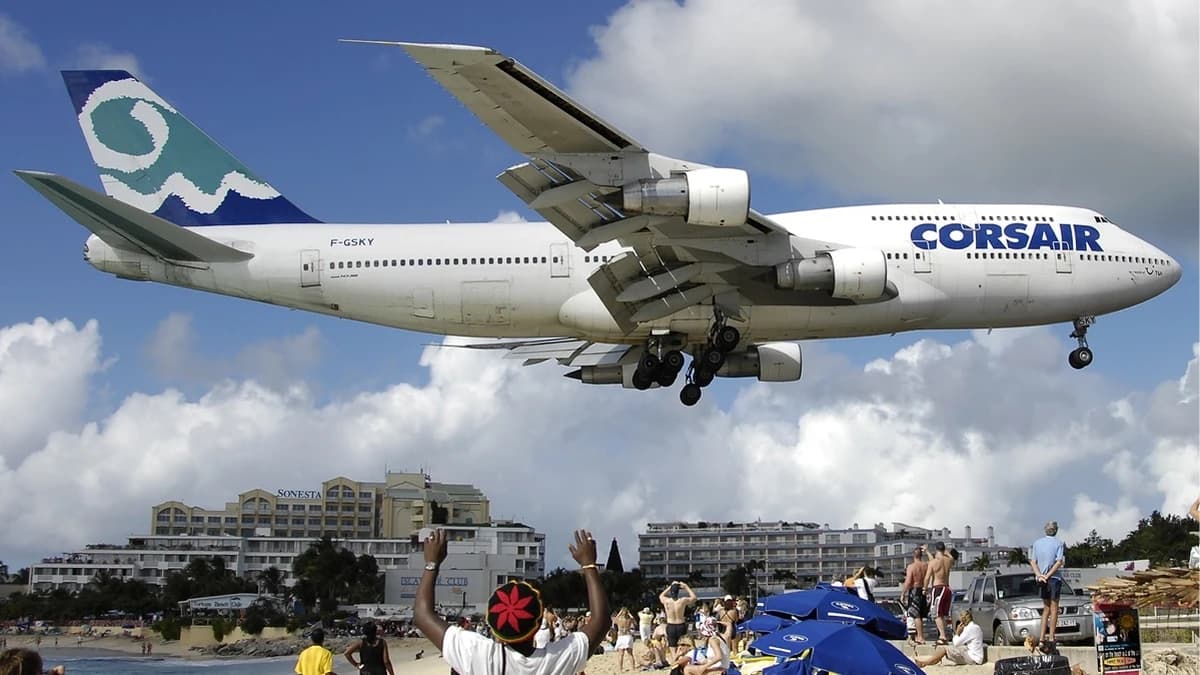
747-300
Effettuò il primo volo nel 1982 entrando successivamente in servizio attivo.
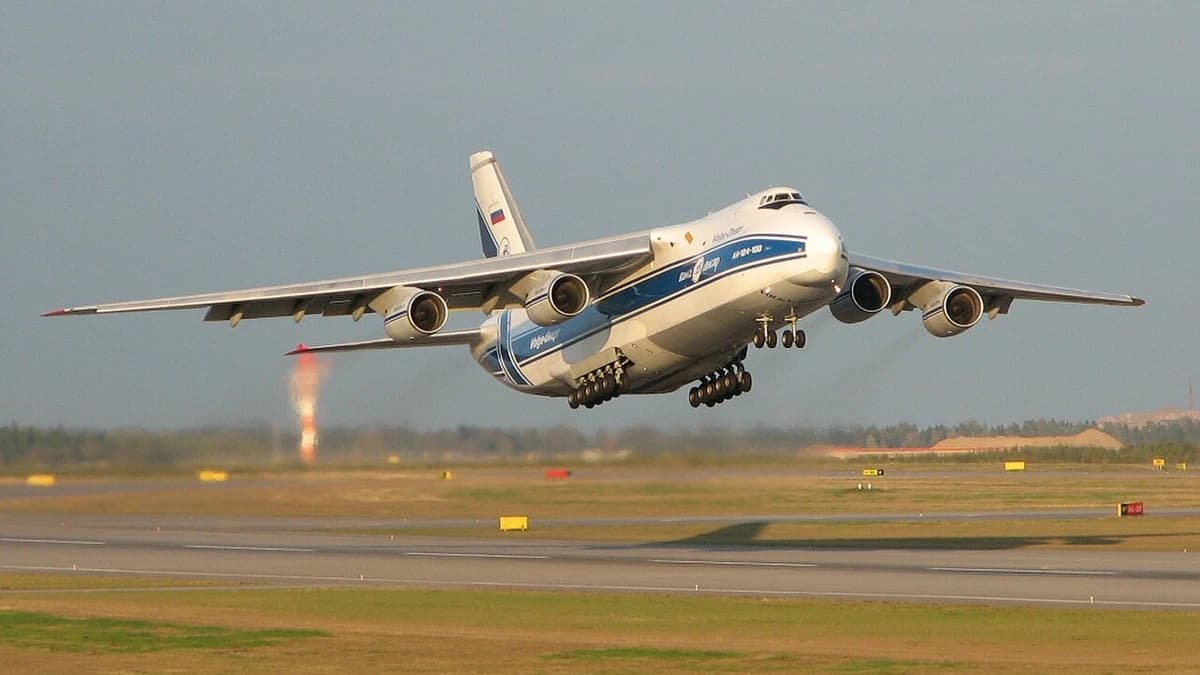
An-124 Ruslan
Effettuò il primo volo nel 1982 entrando successivamente in servizio attivo.
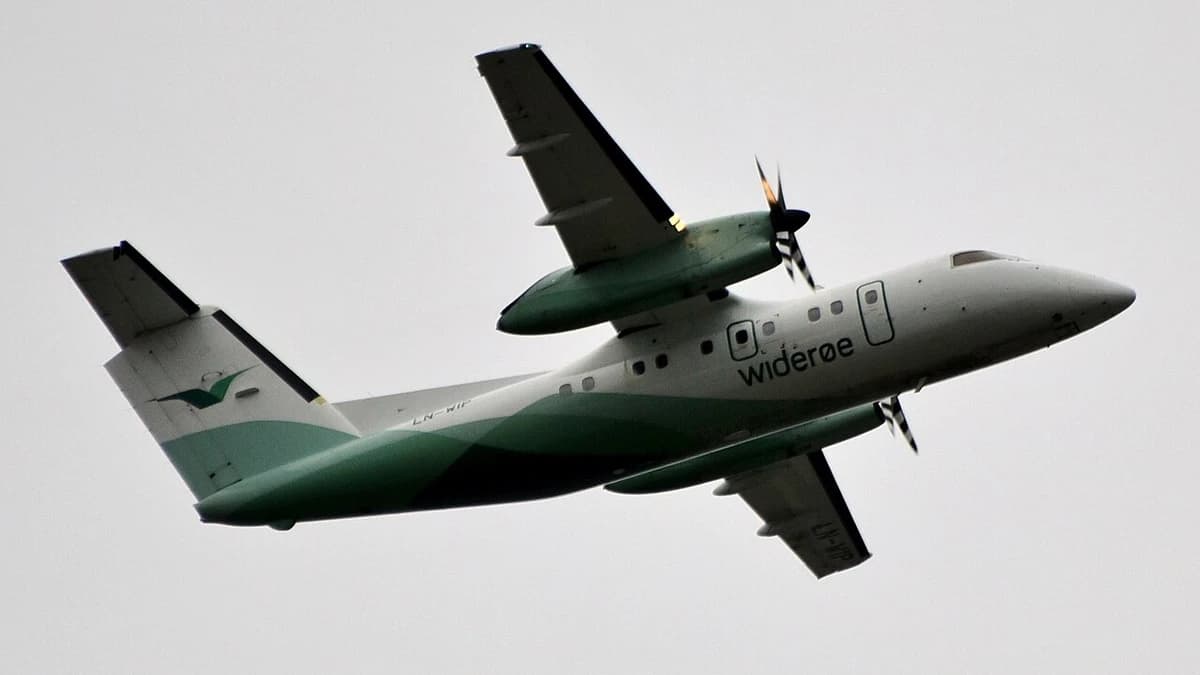
DHC-8-100
Effettuò il primo volo nel 1983 entrando successivamente in servizio attivo.
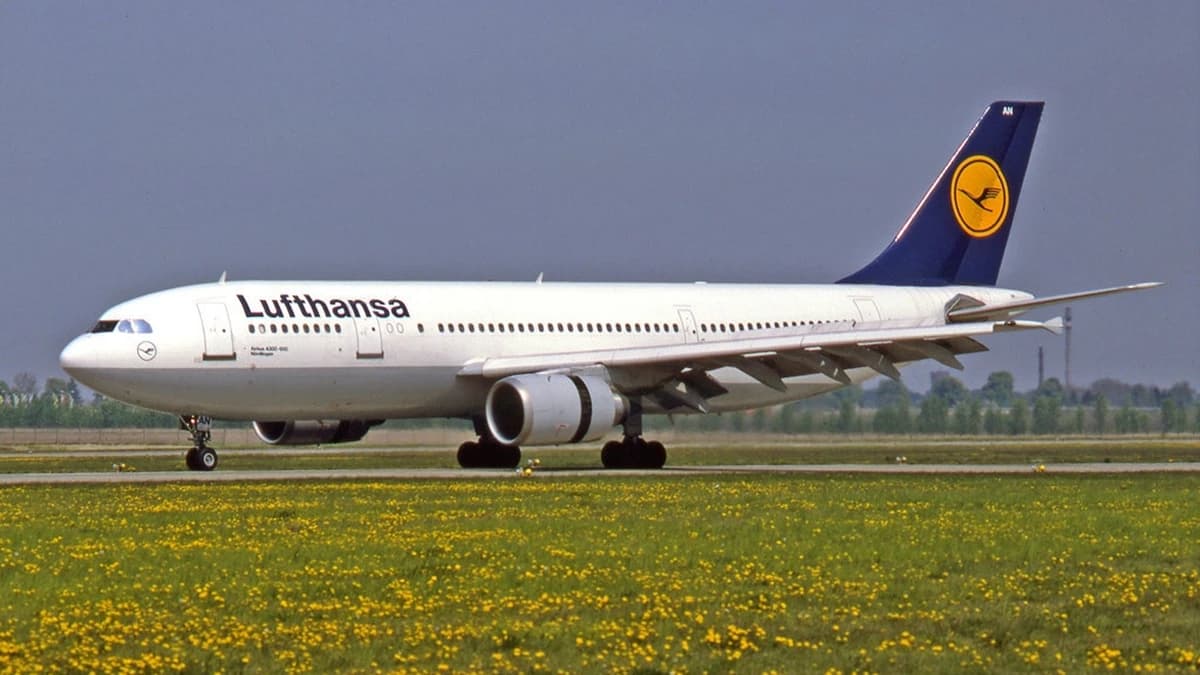
A300-600
Effettuò il primo volo nel 1983 entrando successivamente in servizio attivo.
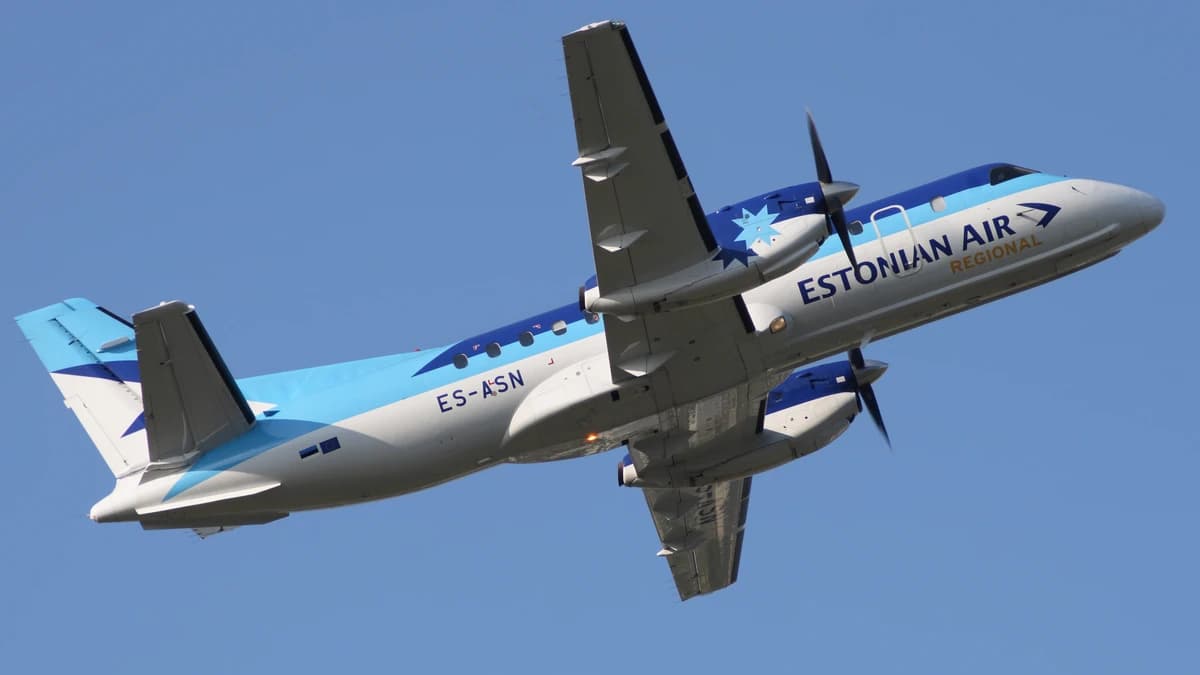
340A
Effettuò il primo volo nel 1983 entrando successivamente in servizio attivo.
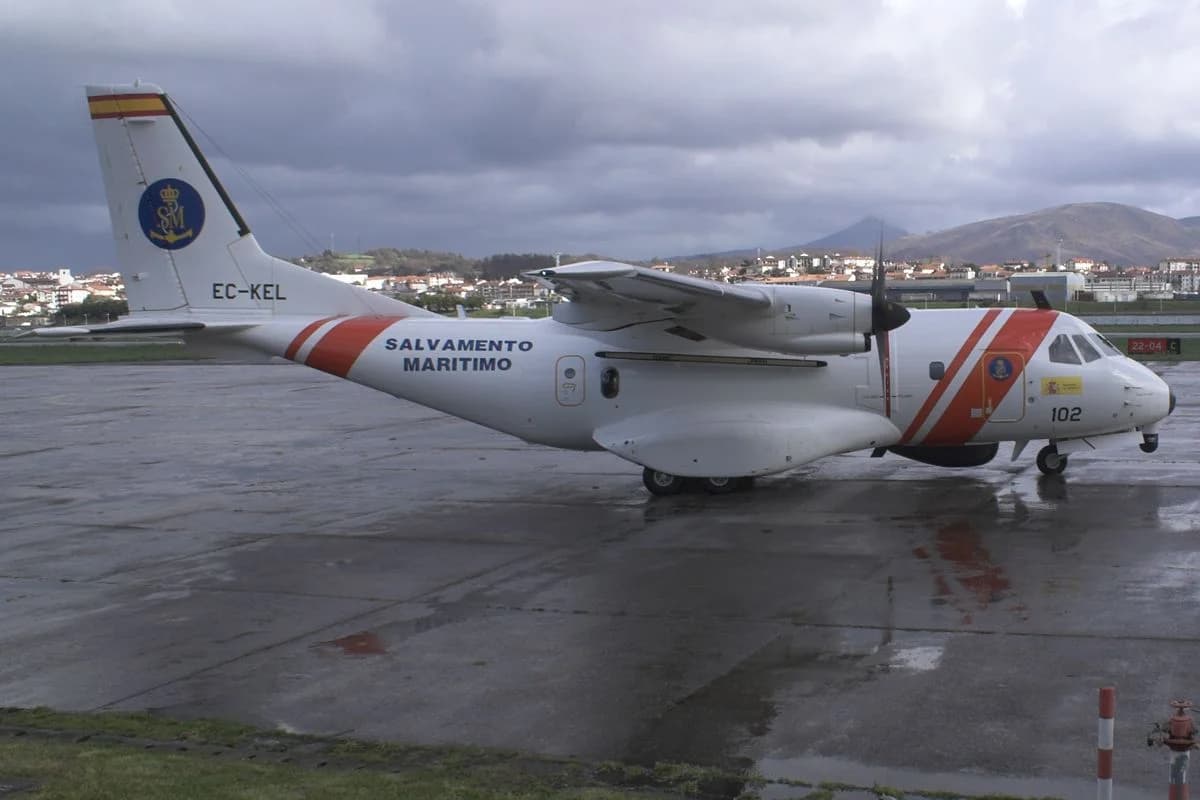
CN-235
Effettuò il primo volo nel 1983 entrando successivamente in servizio attivo.
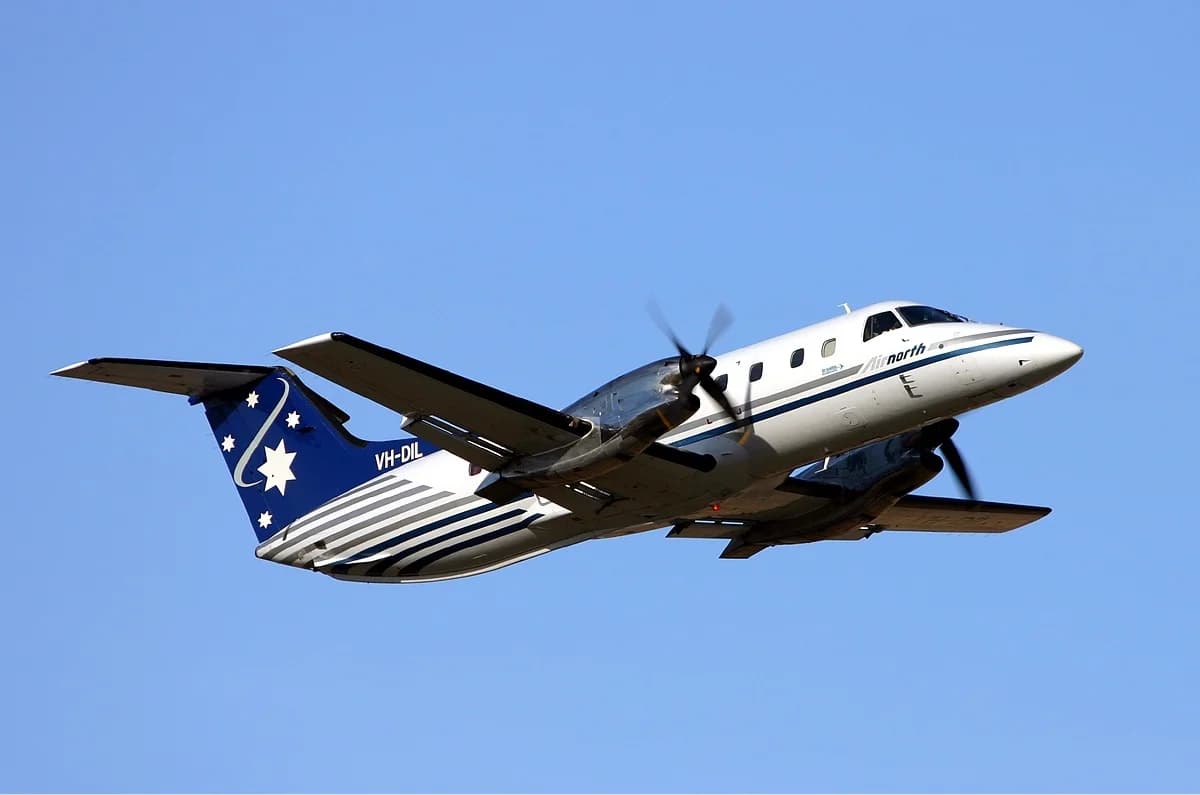
EMB 120 Brasilia
Effettuò il primo volo nel 1983 entrando successivamente in servizio attivo.

An-74
Effettuò il primo volo nel 1983 entrando successivamente in servizio attivo.
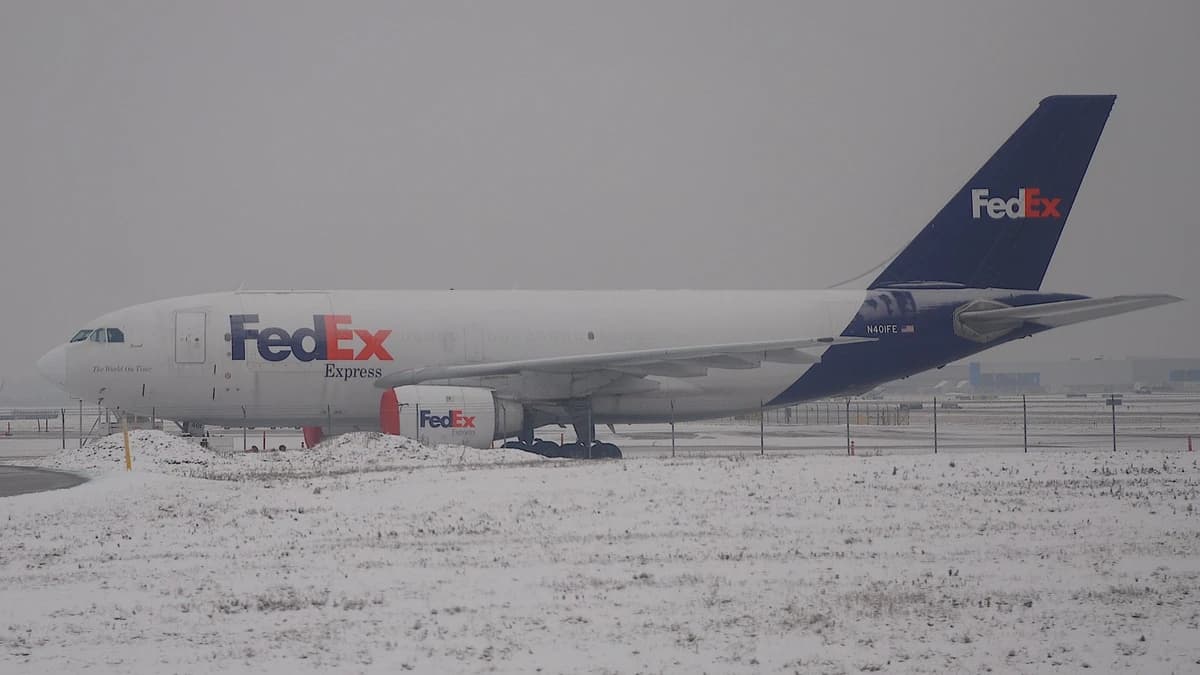
A310-200F
Effettuò il primo volo nel 1984 entrando successivamente in servizio attivo.
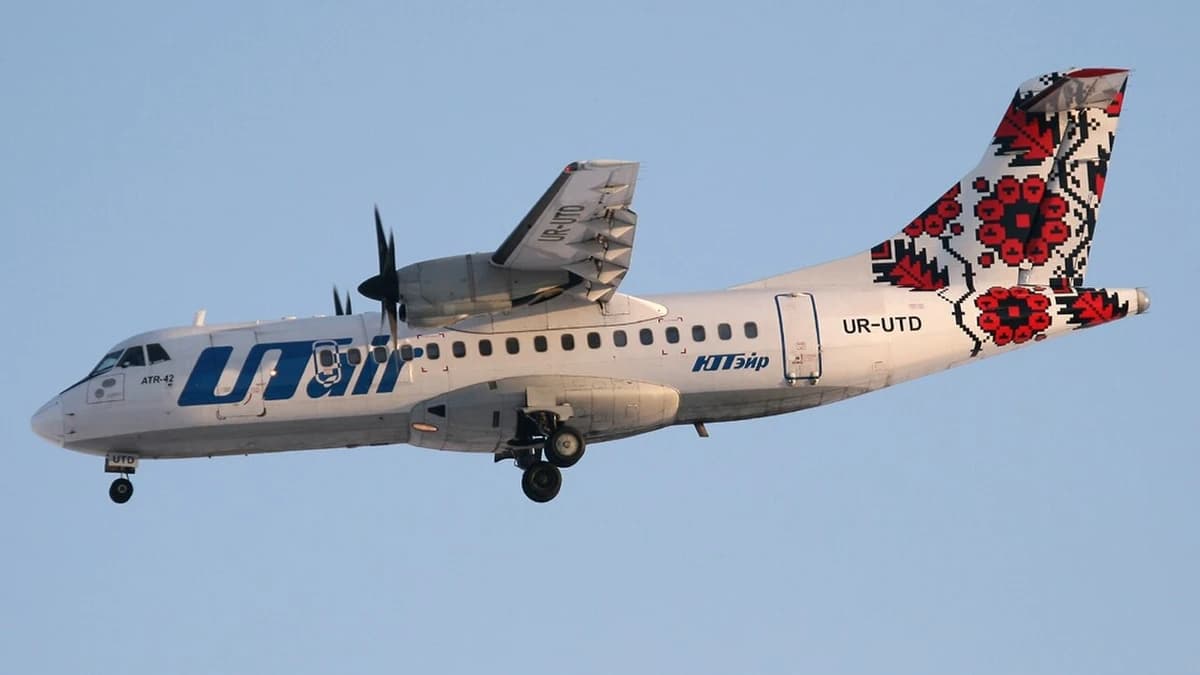
ATR 42-300
Effettuò il primo volo nel 1984 entrando successivamente in servizio attivo.
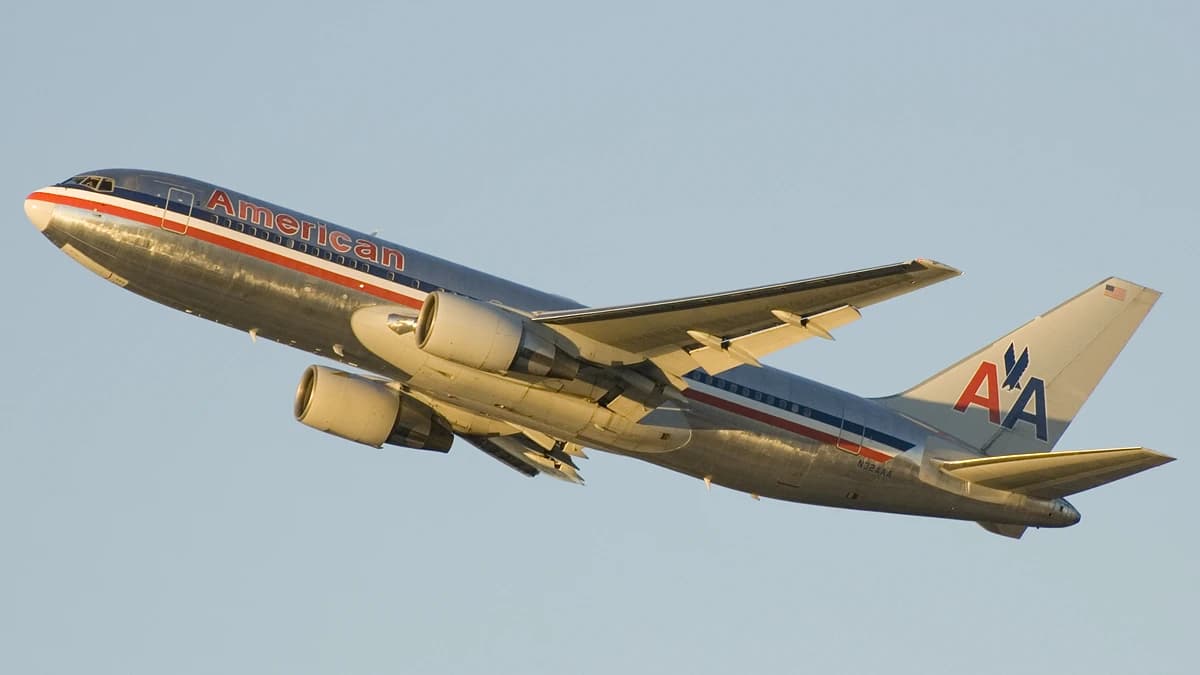
767-200ER
Effettuò il primo volo nel 1984 entrando successivamente in servizio attivo.
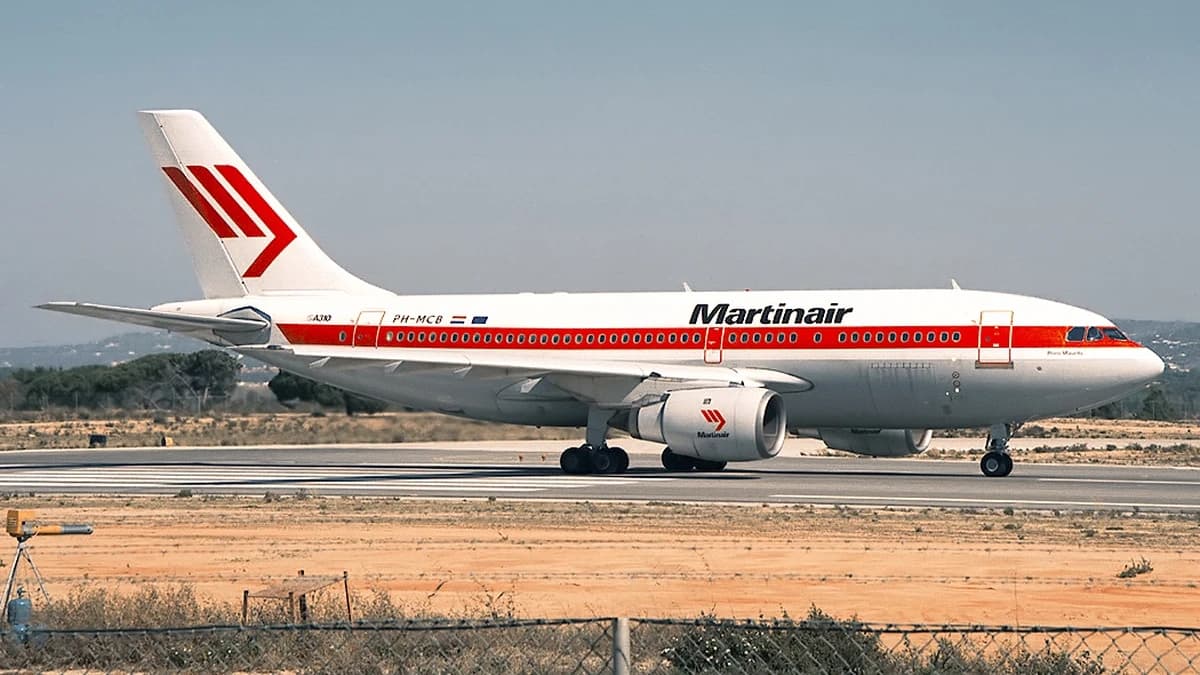
A310-200C
Effettuò il primo volo nel 1984 entrando successivamente in servizio attivo.
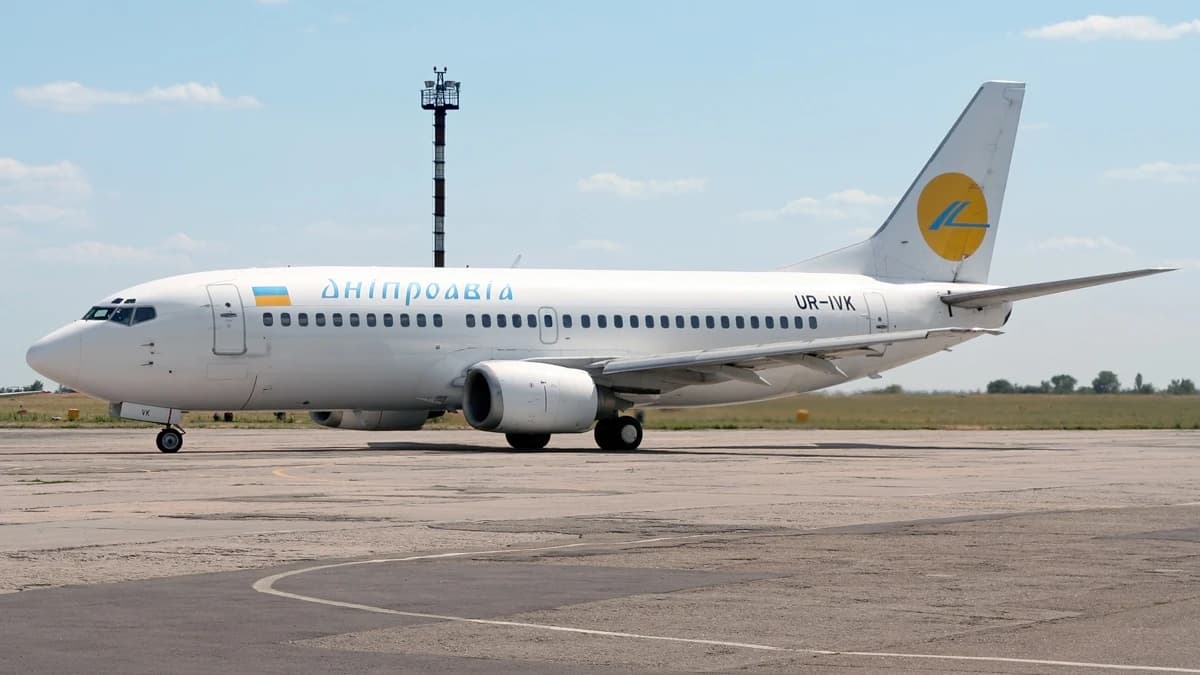
737-300
Effettuò il primo volo nel 1984 entrando successivamente in servizio attivo.
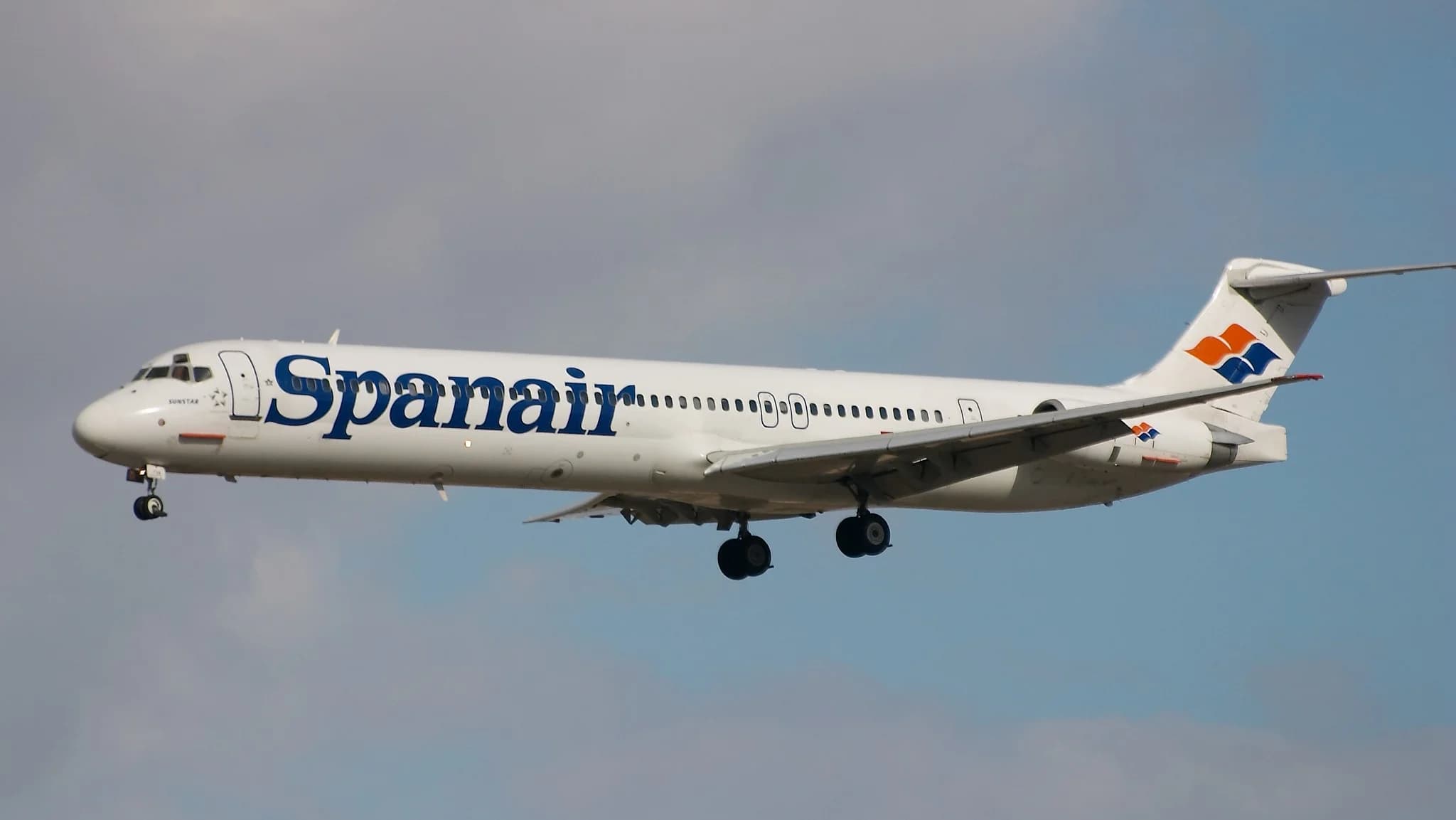
MD-83
Fu la versione a lungo raggio ('Long Range') della serie MD-80, dotata di serbatoi di carburante extra nella stiva cargo.
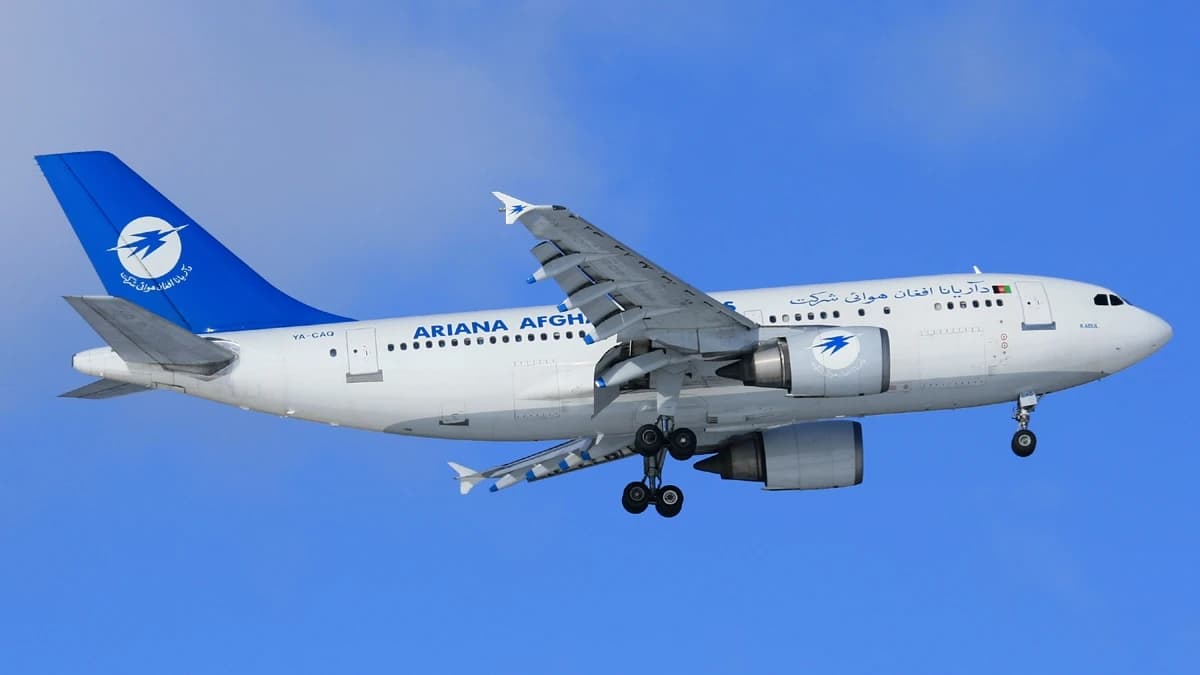
A310-300
Effettuò il primo volo nel 1985 entrando successivamente in servizio attivo.
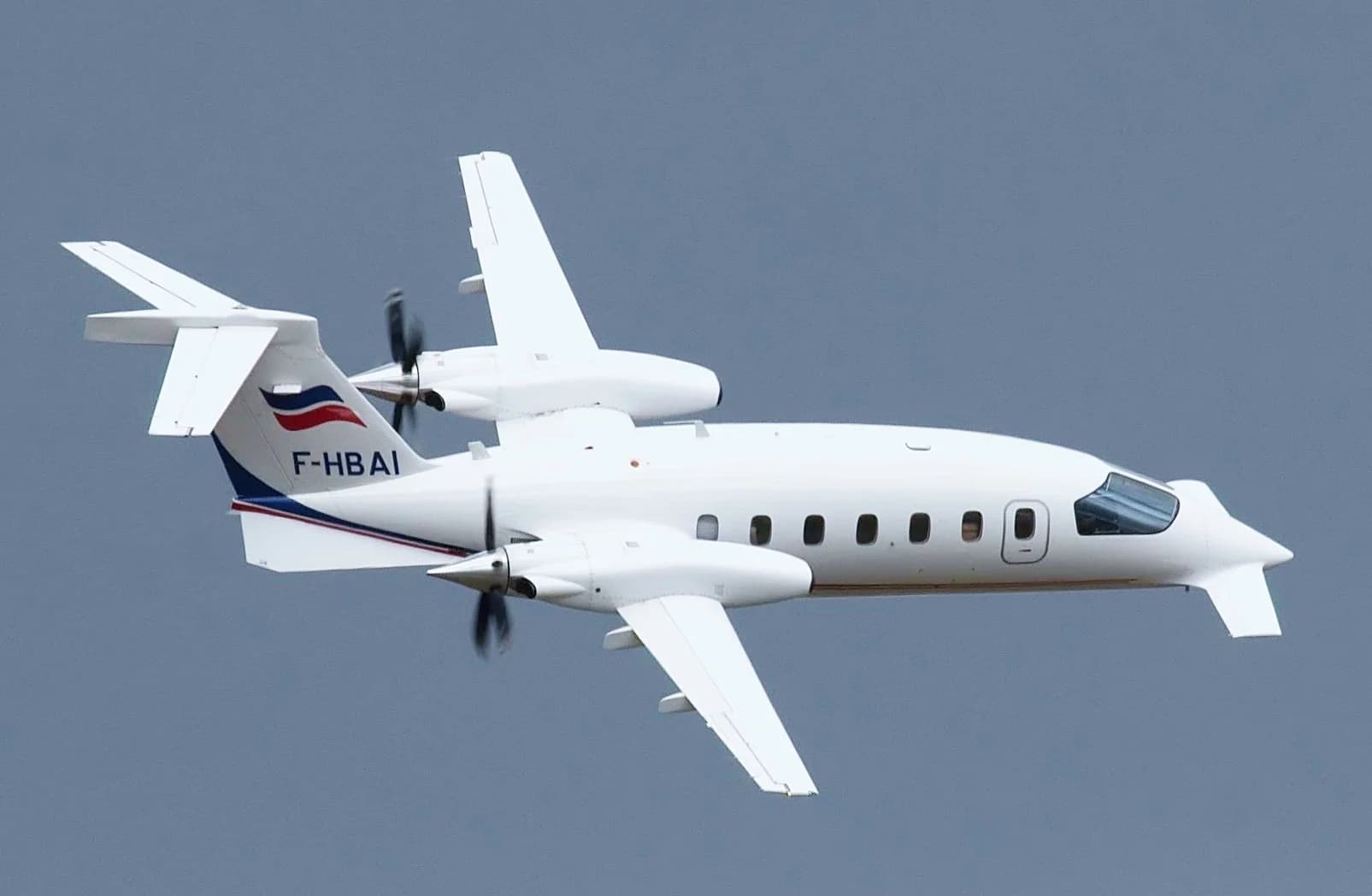
P.180 Avanti
Effettuò il primo volo nel 1986 entrando successivamente in servizio attivo.
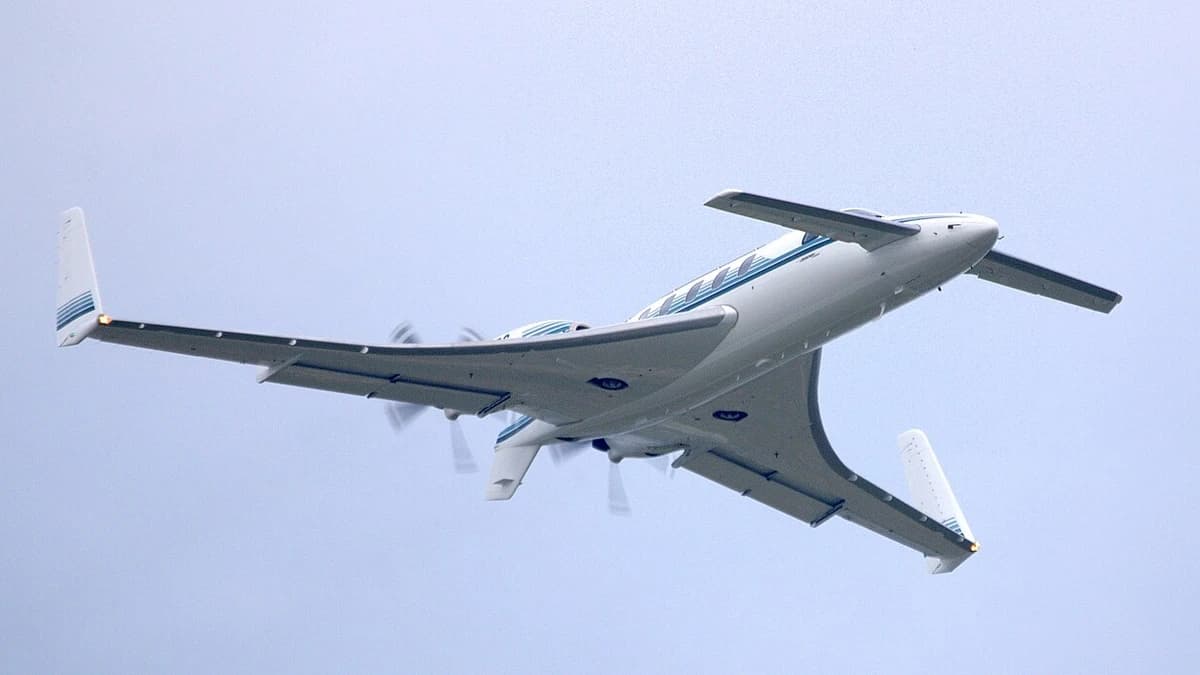
Starship
Effettuò il primo volo nel 1986 entrando successivamente in servizio attivo.
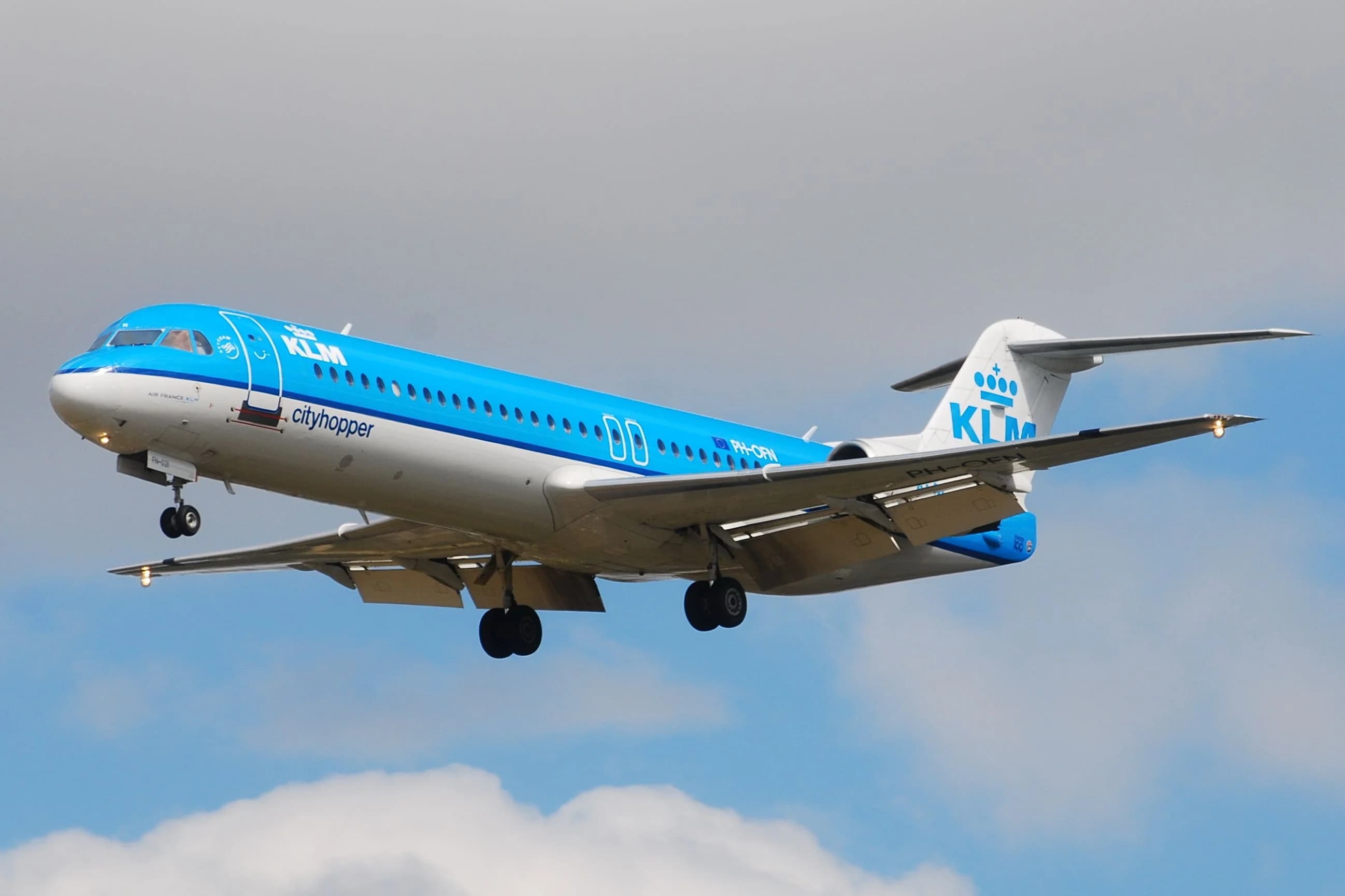
Fokker 100
Effettuò il primo volo nel 1986 entrando successivamente in servizio attivo.
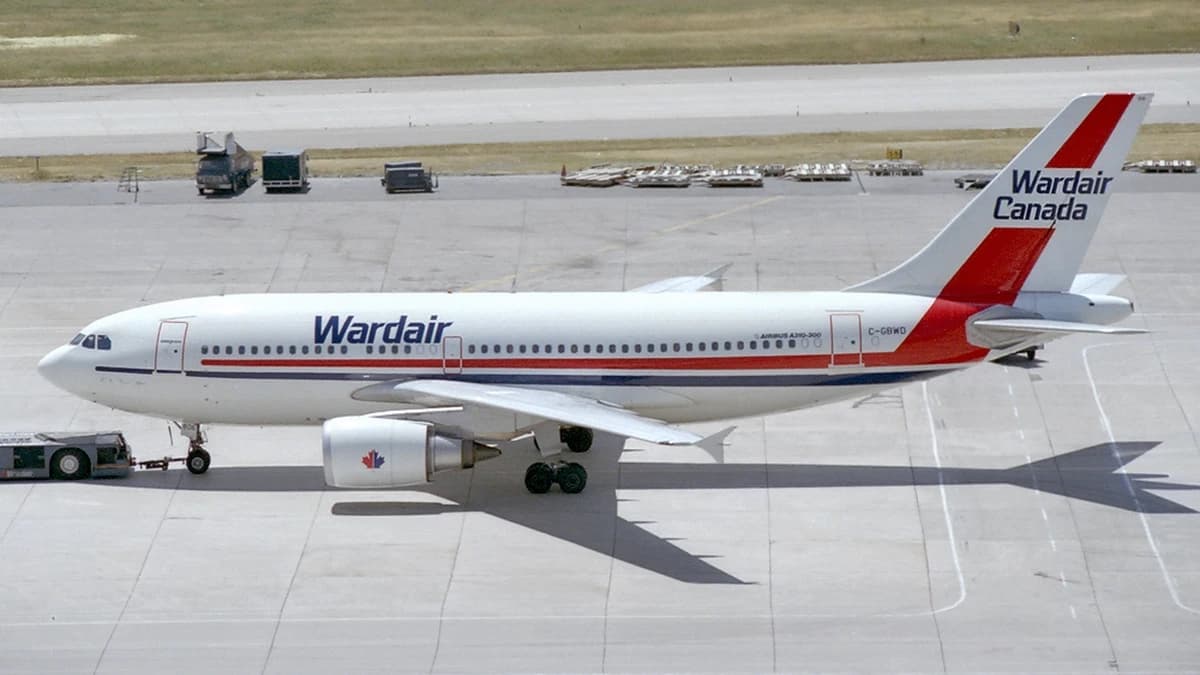
A310-300C
Effettuò il primo volo nel 1986 entrando successivamente in servizio attivo.
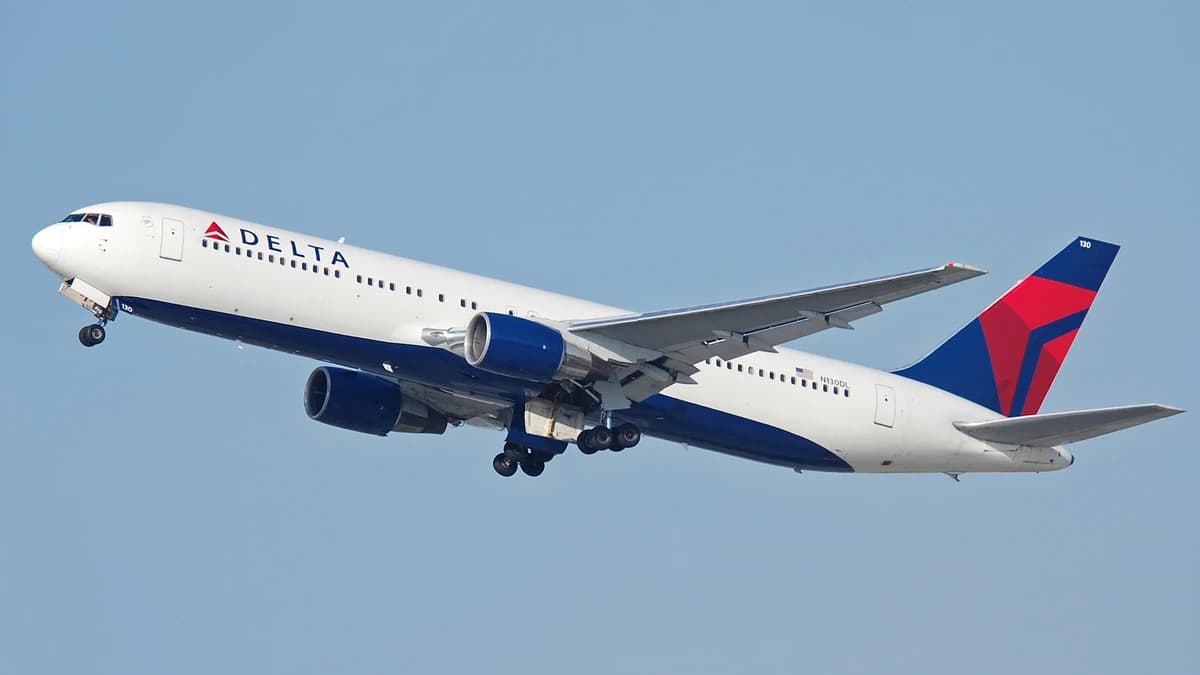
767-300
Effettuò il primo volo nel 1986 entrando successivamente in servizio attivo.
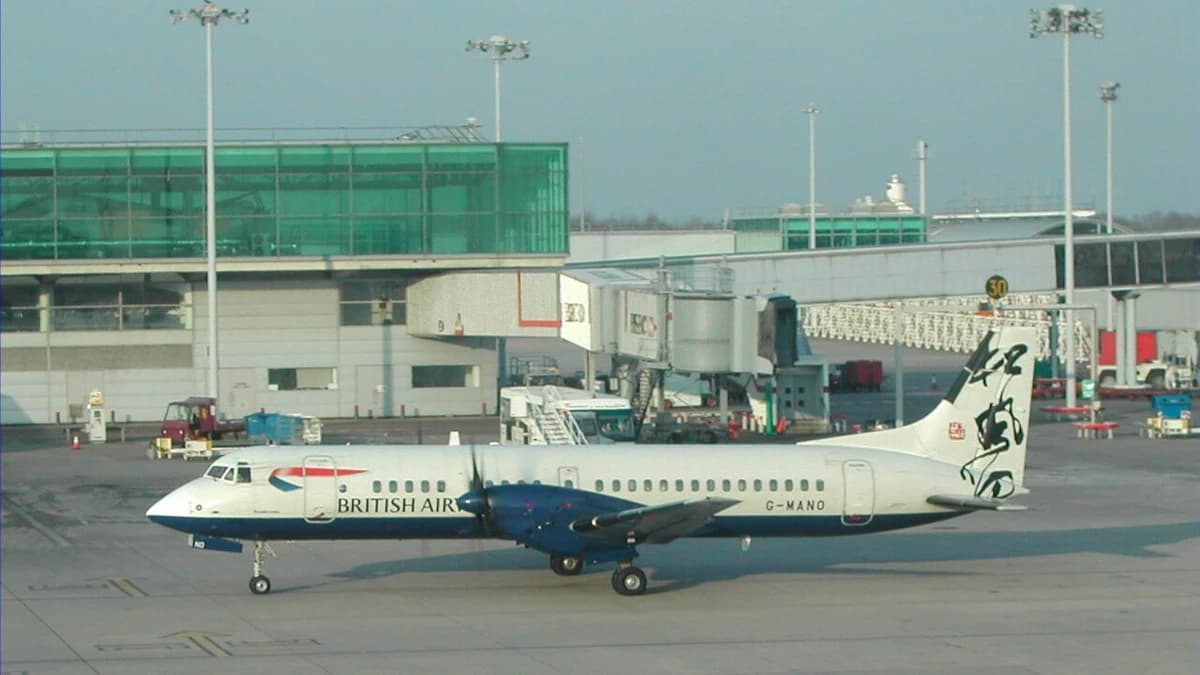
BAe ATP
Effettuò il primo volo nel 1986 entrando successivamente in servizio attivo.
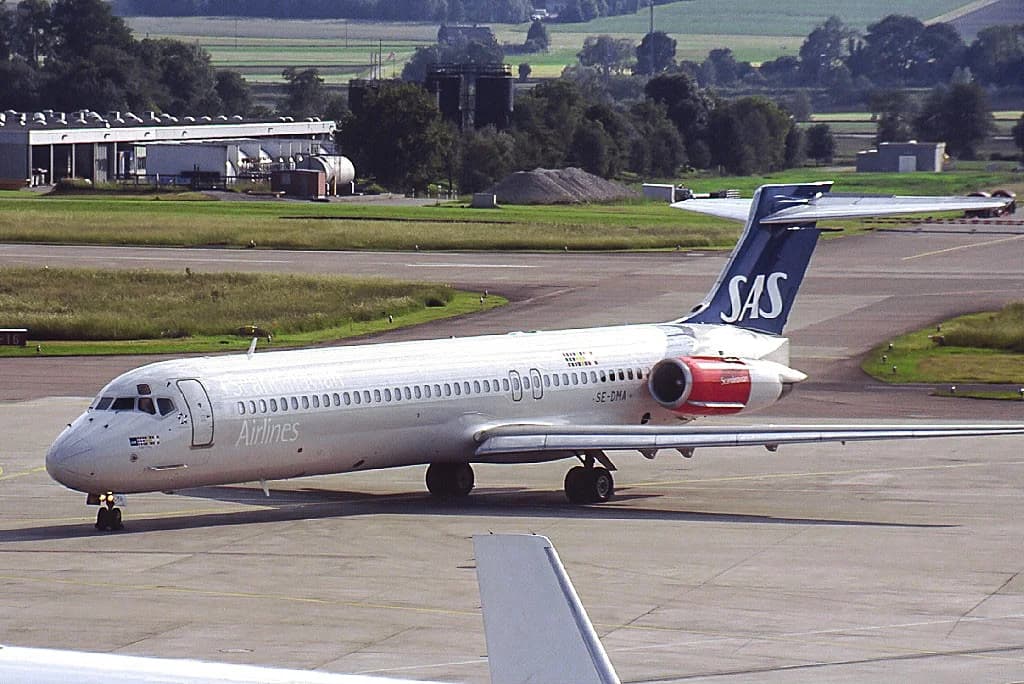
MD-87
Fu la versione a fusoliera corta della famiglia MD-80, accorciata di 5,3 metri rispetto alla serie standard.
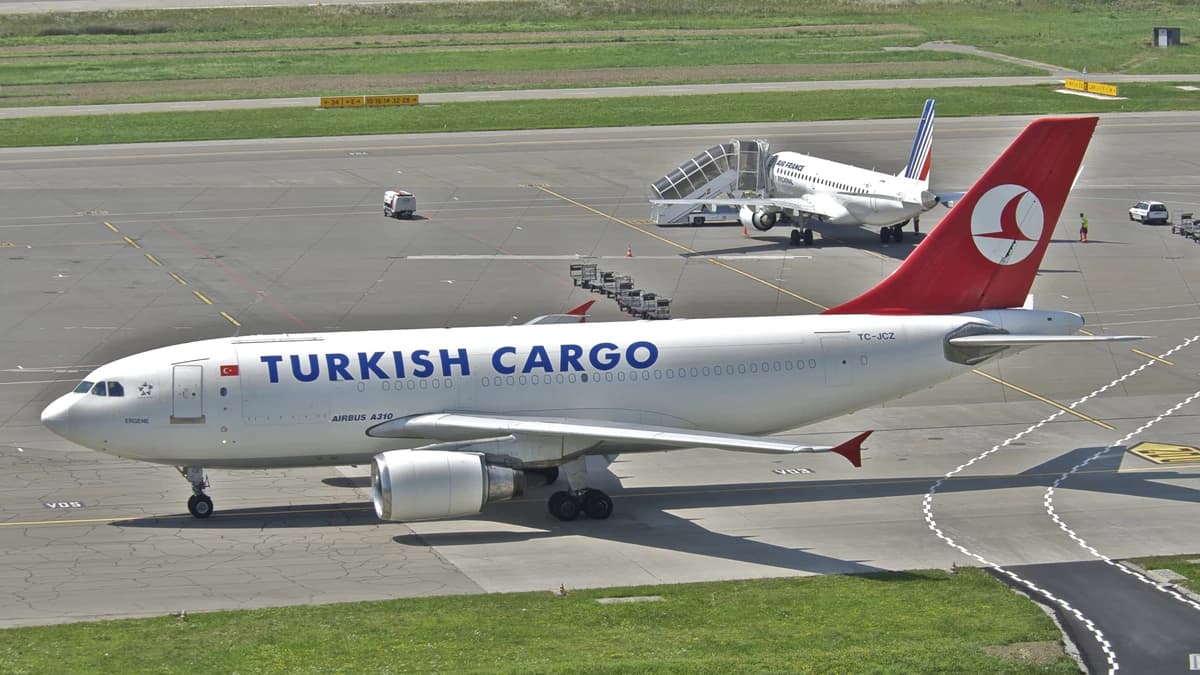
A310-300F
Effettuò il primo volo nel 1986 entrando successivamente in servizio attivo.
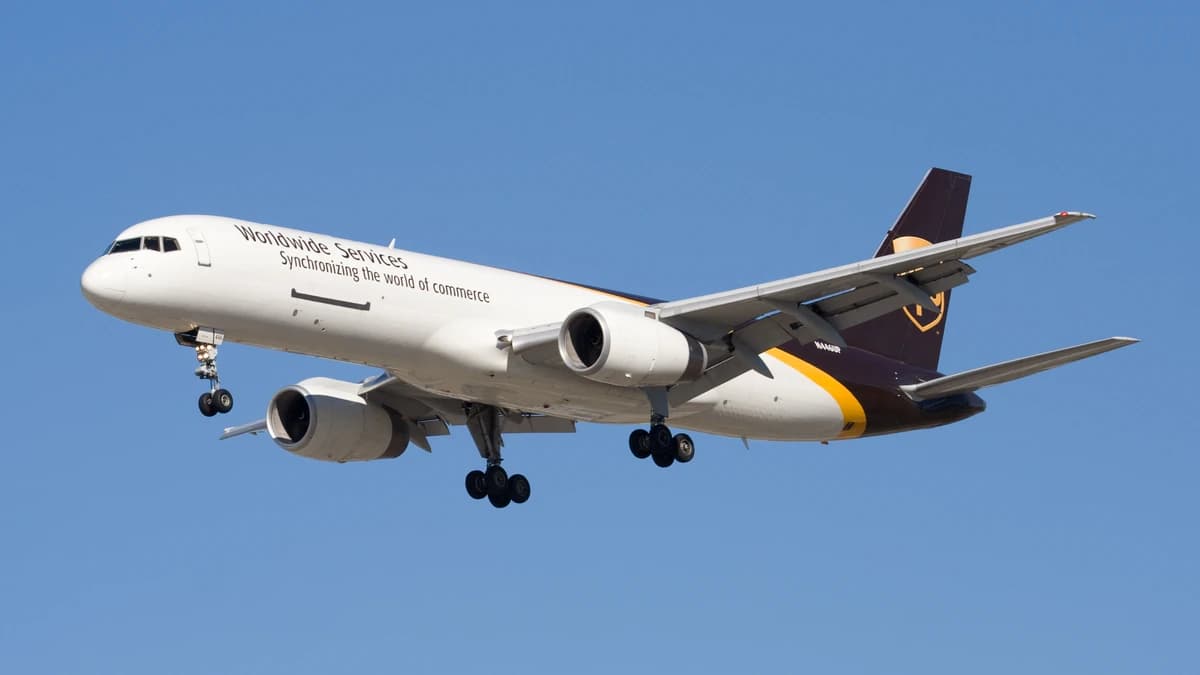
757-200PF
Effettuò il primo volo nel 1987 entrando successivamente in servizio attivo.
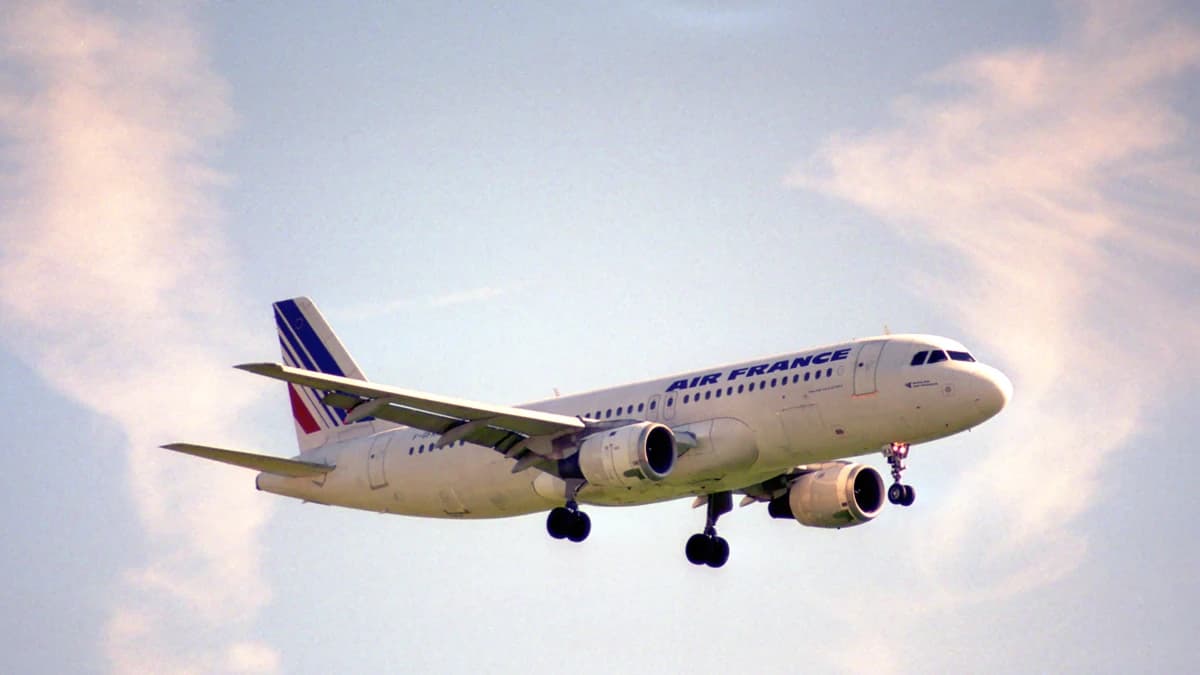
A320-100
Effettuò il primo volo nel 1987 entrando successivamente in servizio attivo.
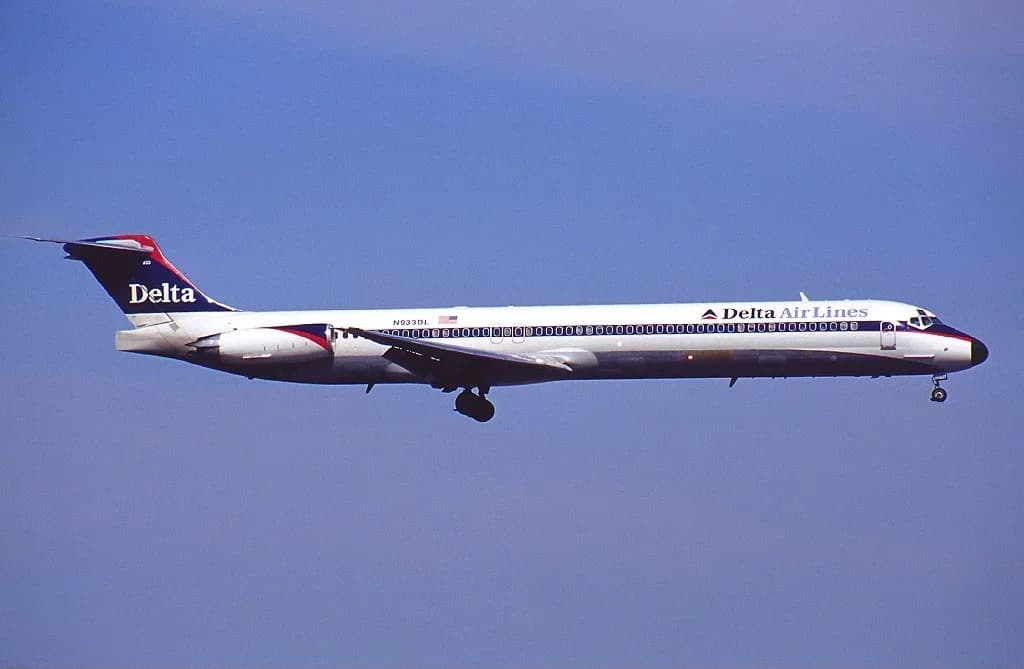
MD-88
Fu l'ultima variante prodotta della serie MD-80, dotata di un cockpit elettronico avanzato 'glass cockpit' integrato.
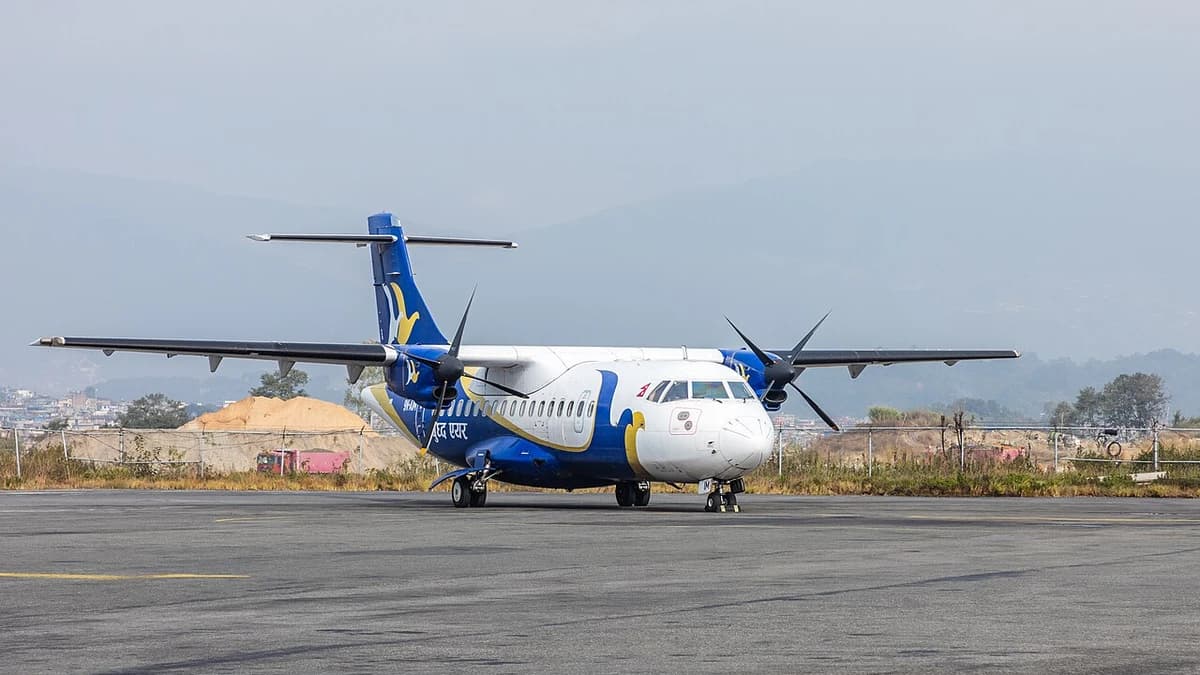
ATR 42-320
Effettuò il primo volo nel 1987 entrando successivamente in servizio attivo.
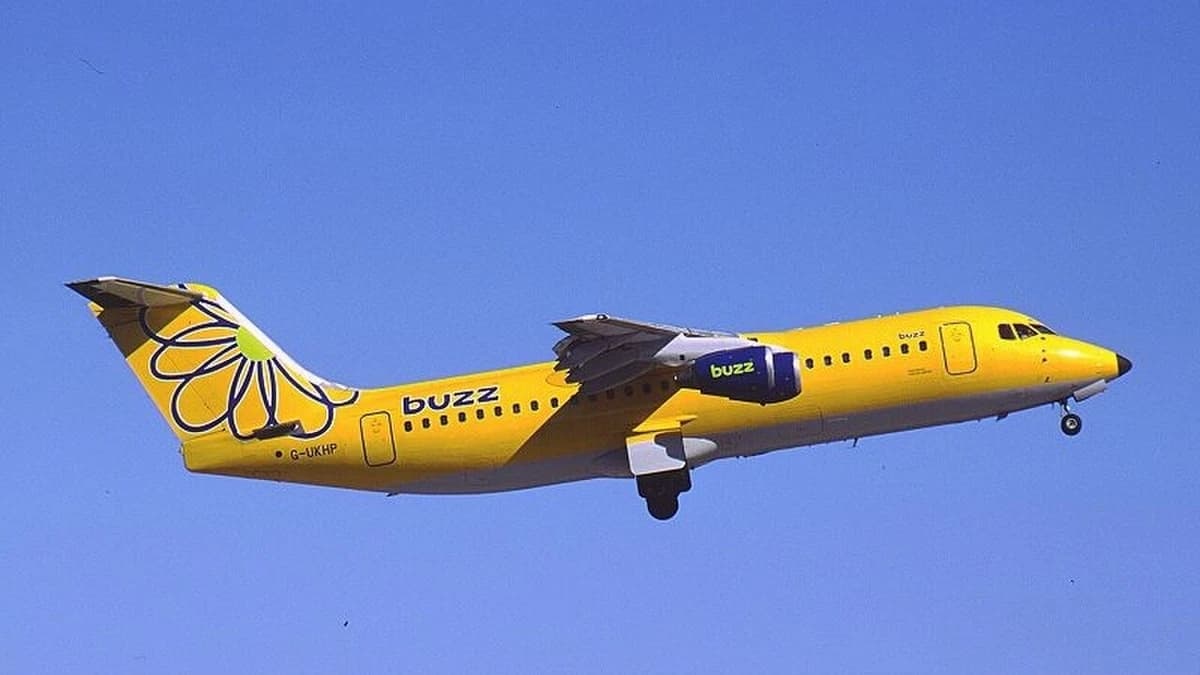
BAe 146-300
Effettuò il primo volo nel 1987 entrando successivamente in servizio attivo.
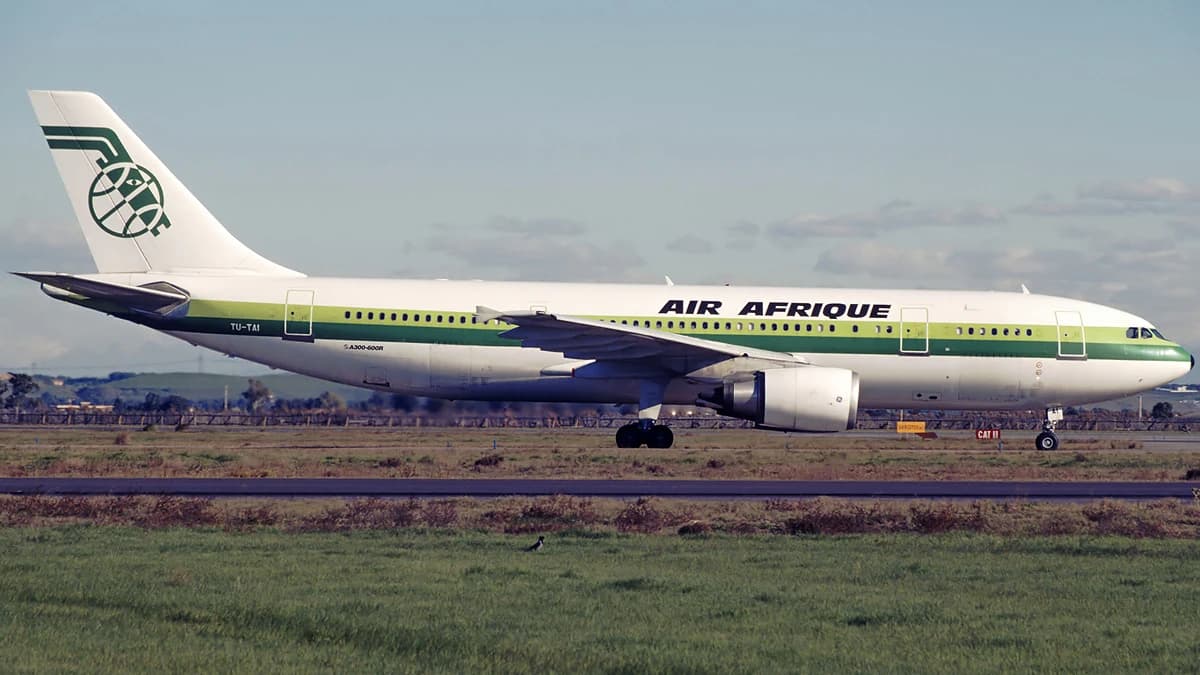
A300-600R
Effettuò il primo volo nel 1987 entrando successivamente in servizio attivo.
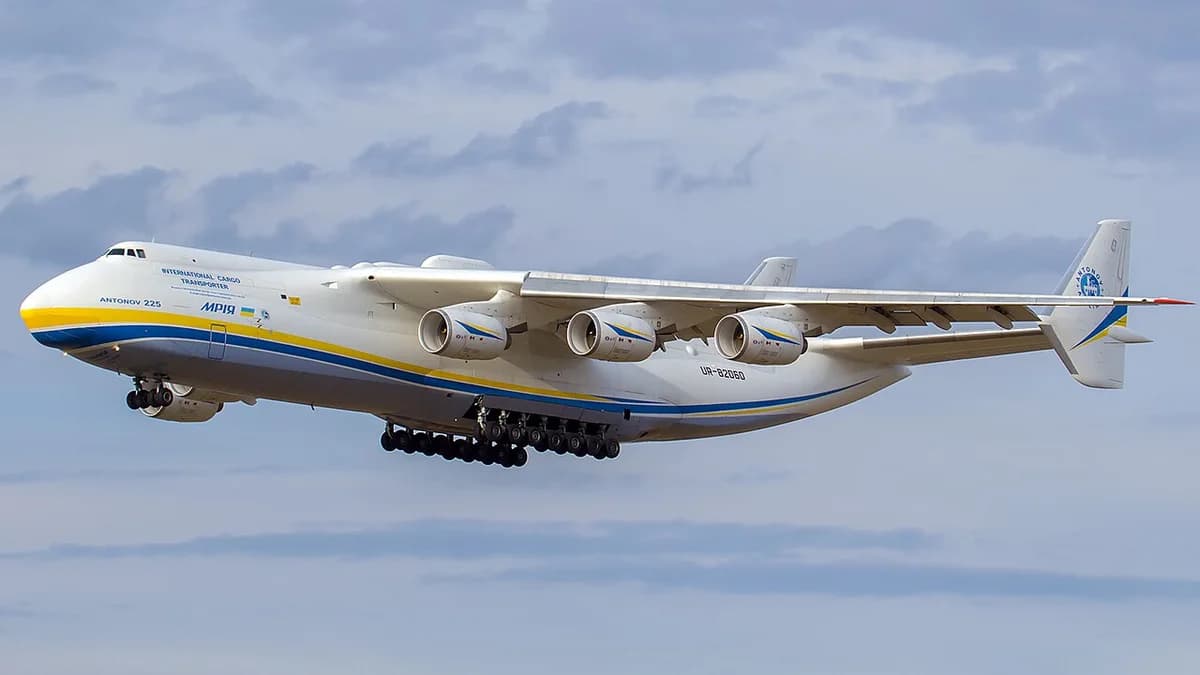
An-225 Mriya
Effettuò il primo volo nel 1988 entrando successivamente in servizio attivo.
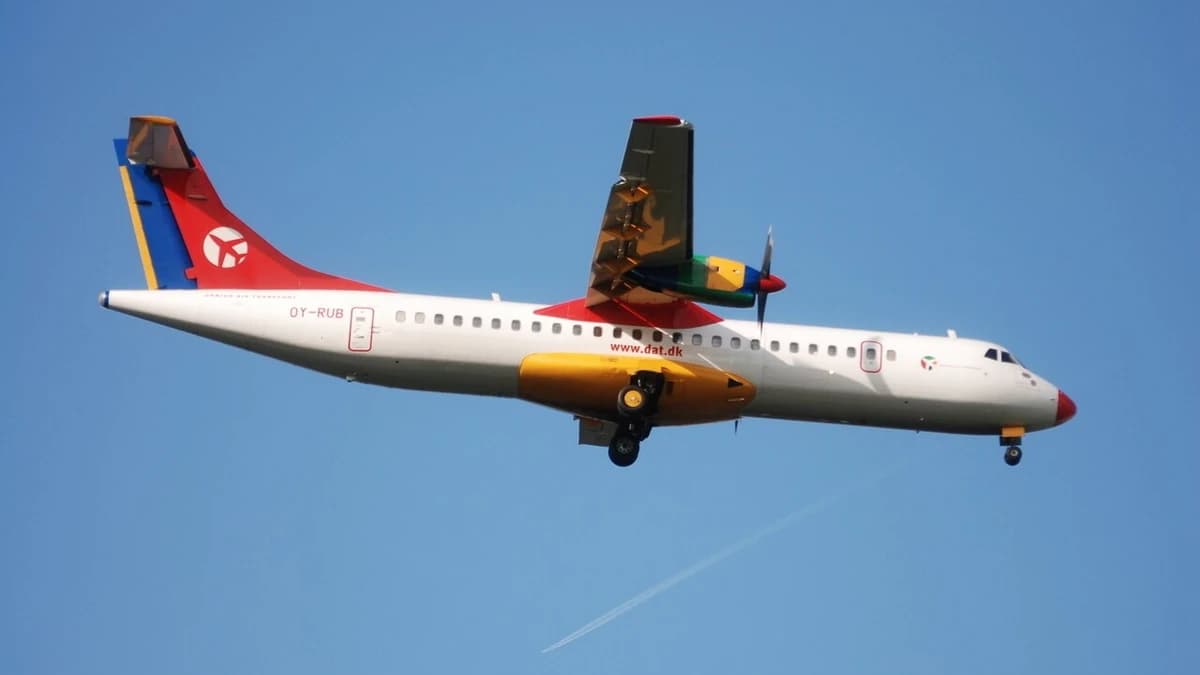
ATR 72-200
Effettuò il primo volo nel 1988 entrando successivamente in servizio attivo.
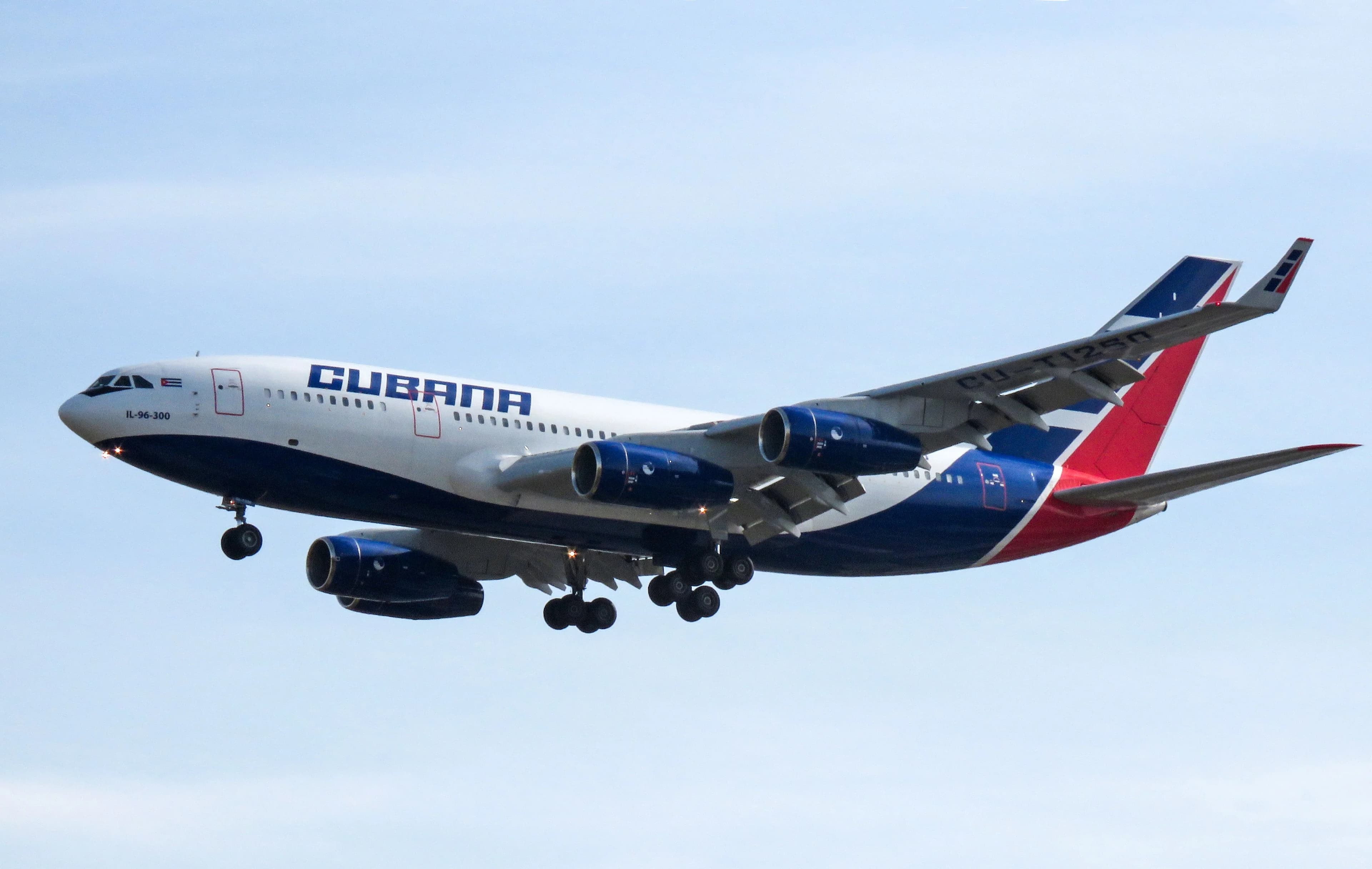
Il-96-300
Effettuò il primo volo nel 1988 entrando successivamente in servizio attivo.
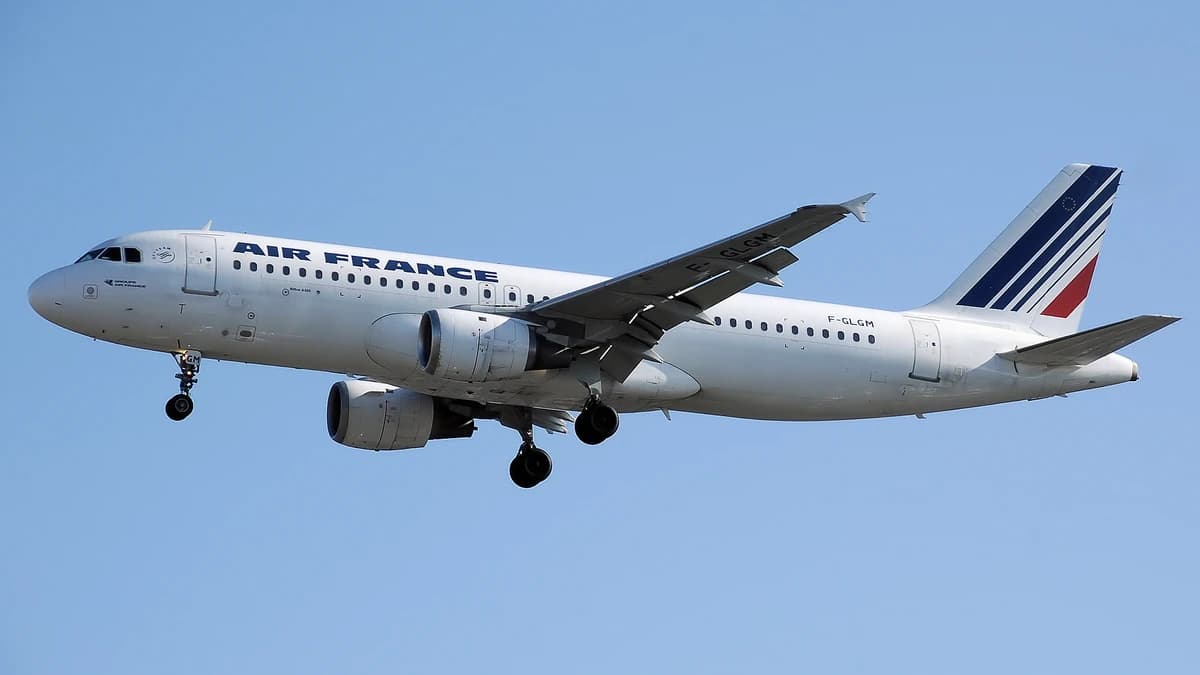
A320-200
Effettuò il primo volo nel 1988 entrando successivamente in servizio attivo.
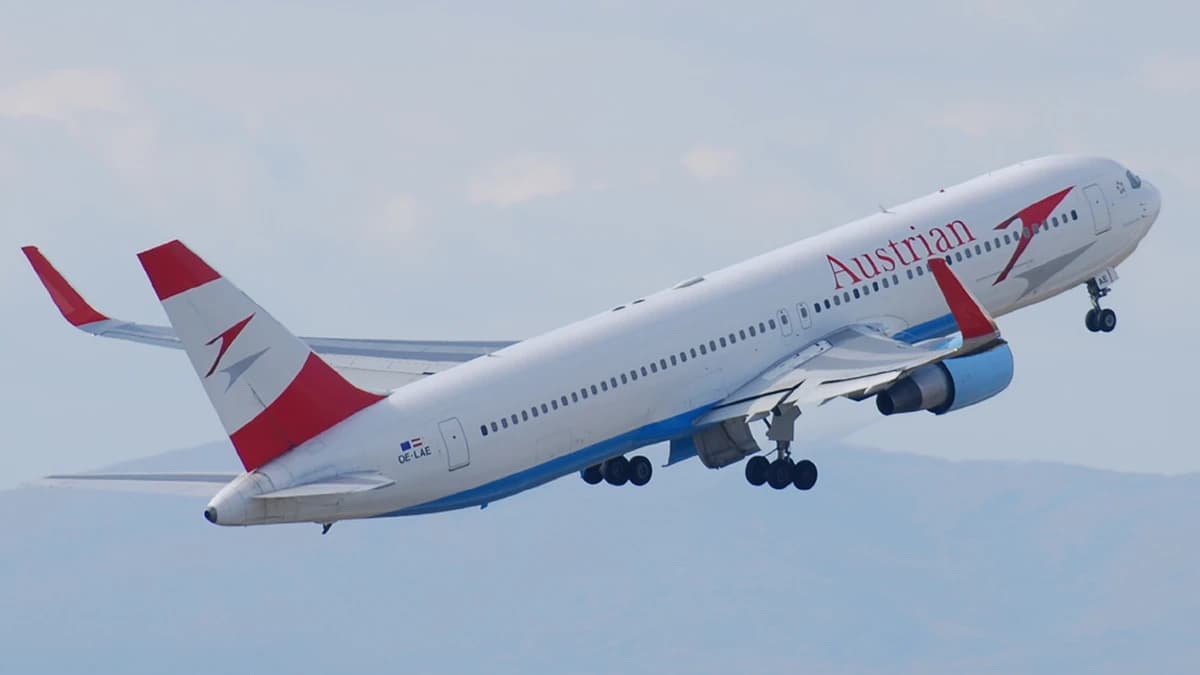
767-300ER
Effettuò il primo volo nel 1988 entrando successivamente in servizio attivo.
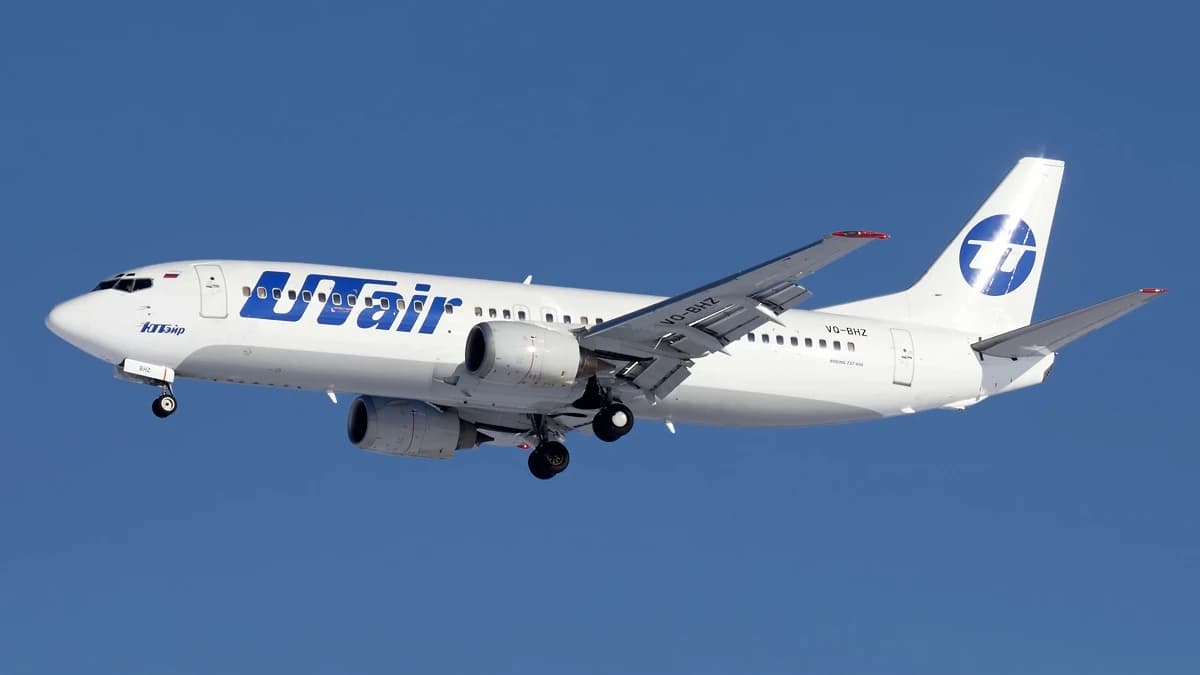
737-400
Effettuò il primo volo nel 1988 entrando successivamente in servizio attivo.
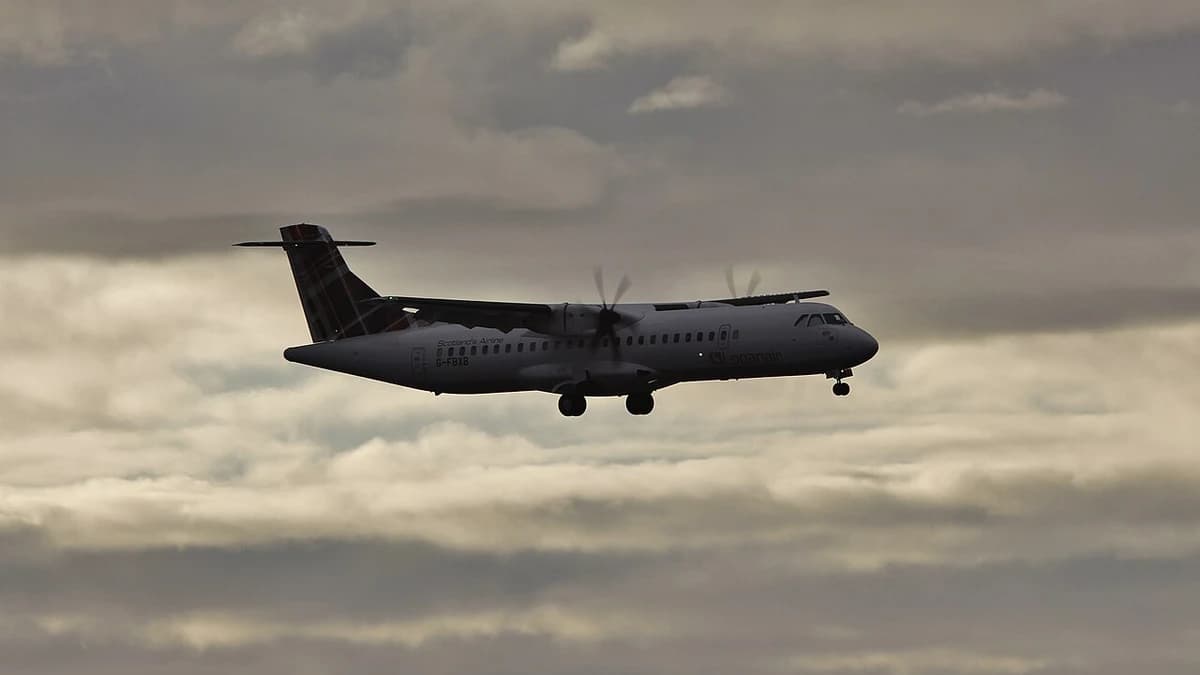
ATR 72
Effettuò il primo volo nel 1988 entrando successivamente in servizio attivo.
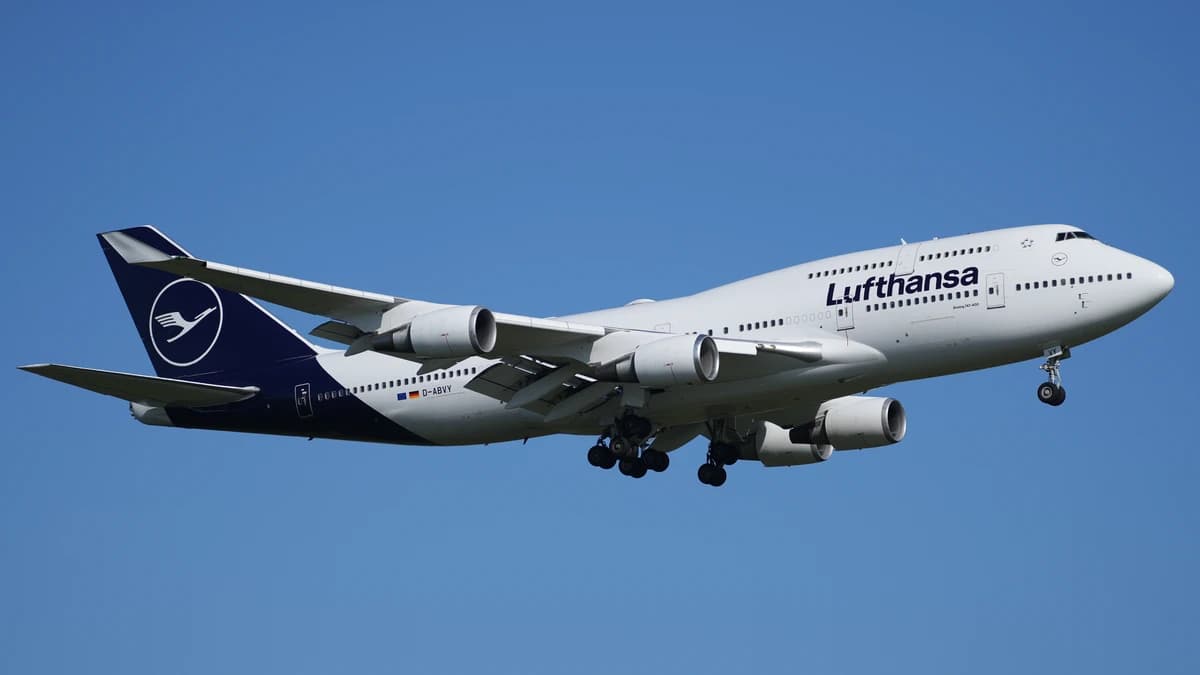
747-400
Effettuò il primo volo nel 1988 entrando successivamente in servizio attivo.
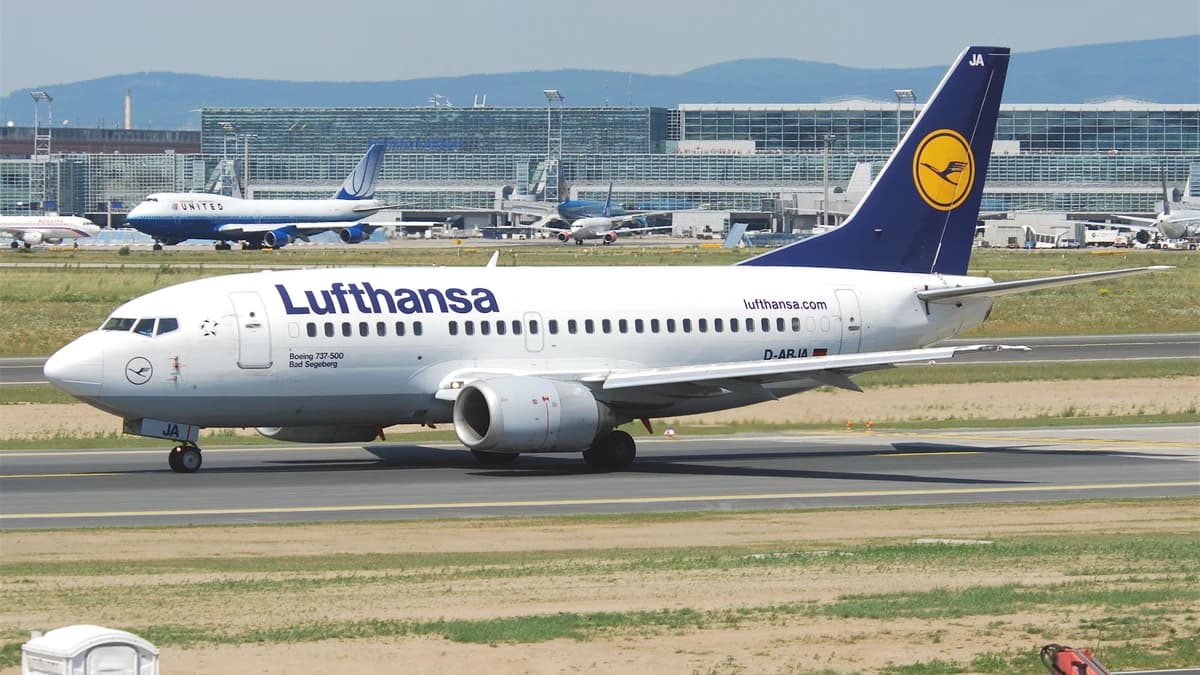
737-500
Effettuò il primo volo nel 1989 entrando successivamente in servizio attivo.
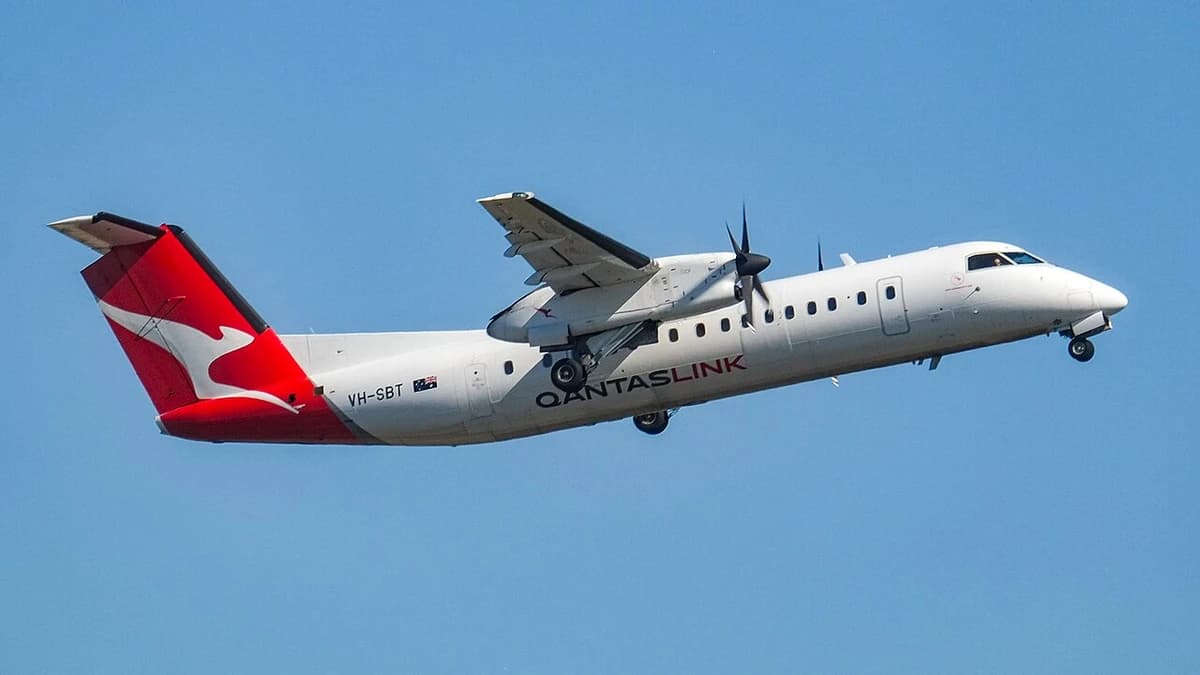
DHC-8-300
Effettuò il primo volo nel 1989 entrando successivamente in servizio attivo.
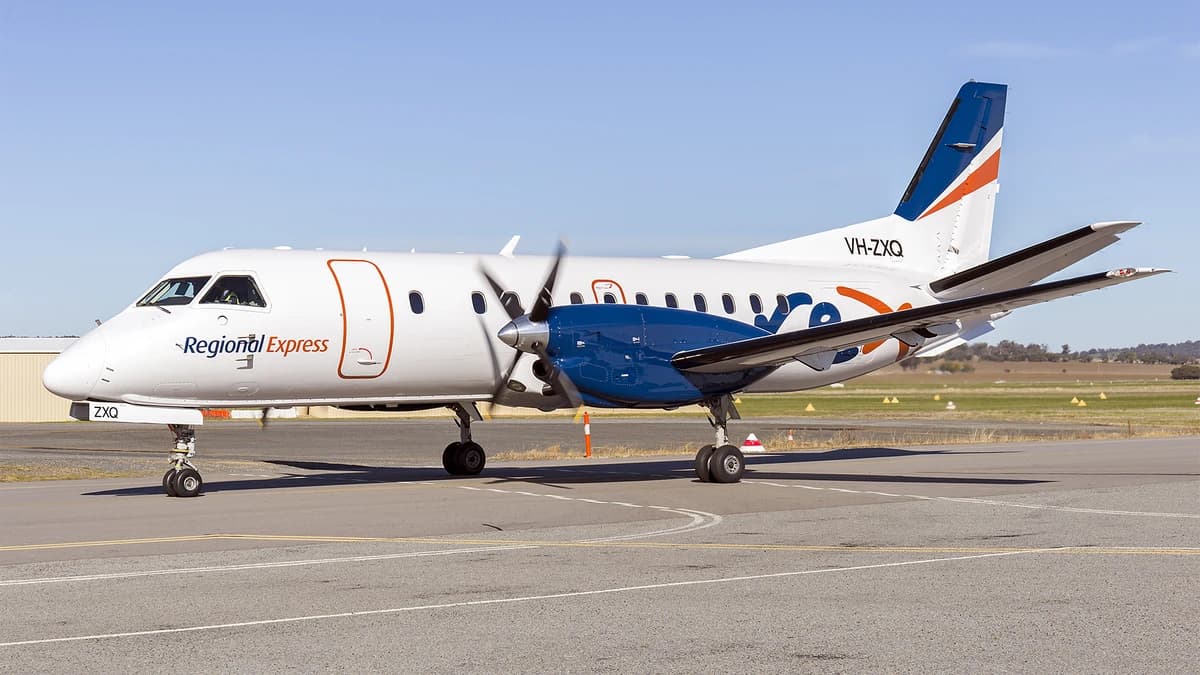
340B
Effettuò il primo volo nel 1989 entrando successivamente in servizio attivo.
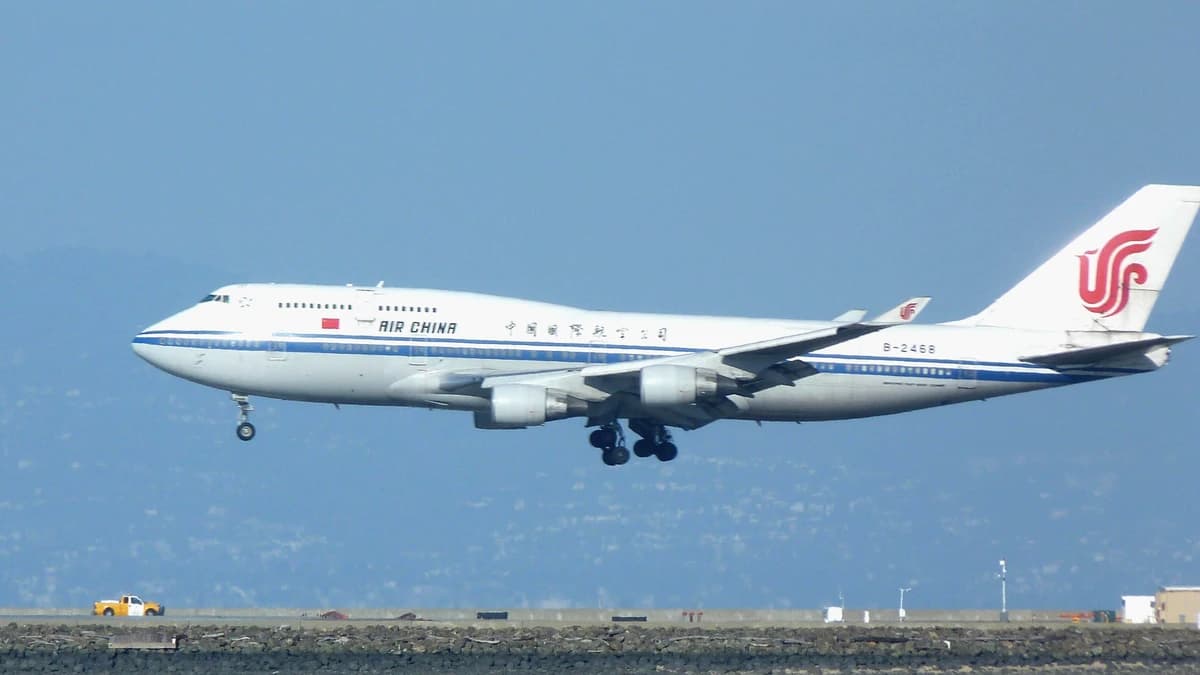
747-400M
Effettuò il primo volo nel 1989 entrando successivamente in servizio attivo.
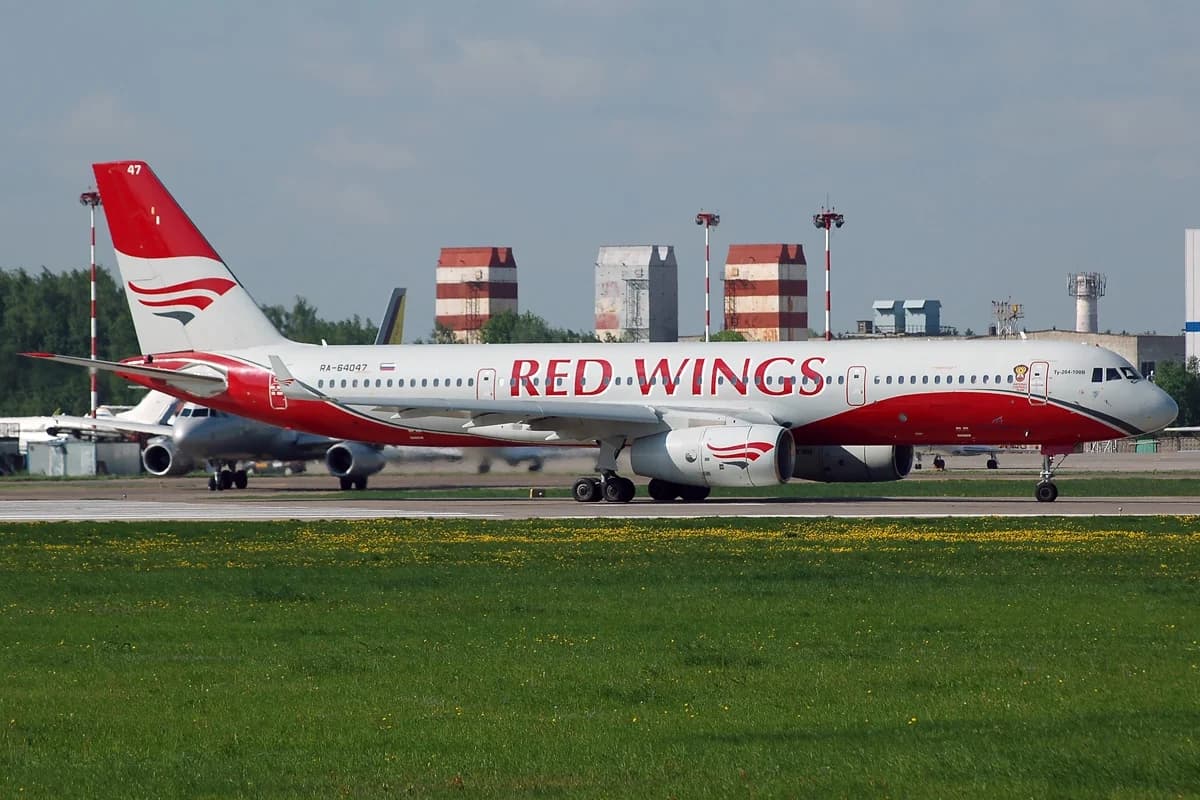
Tu-204
Fu progettato come moderno aereo di linea a fusoliera stretta di nuova generazione per sostituire il trimotore Tu-154.
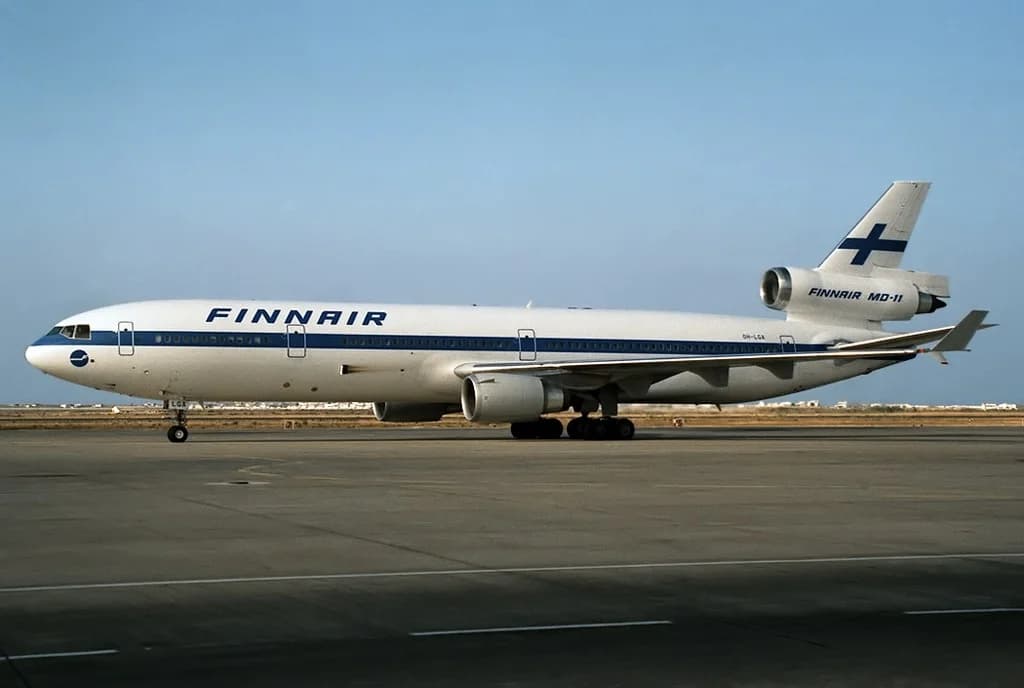
MD-11
Fu sviluppato come erede e successore modernizzato del DC-10, caratterizzato da fusoliera allungata, alette d'estremità (winglet) e cockpit a due piloti.
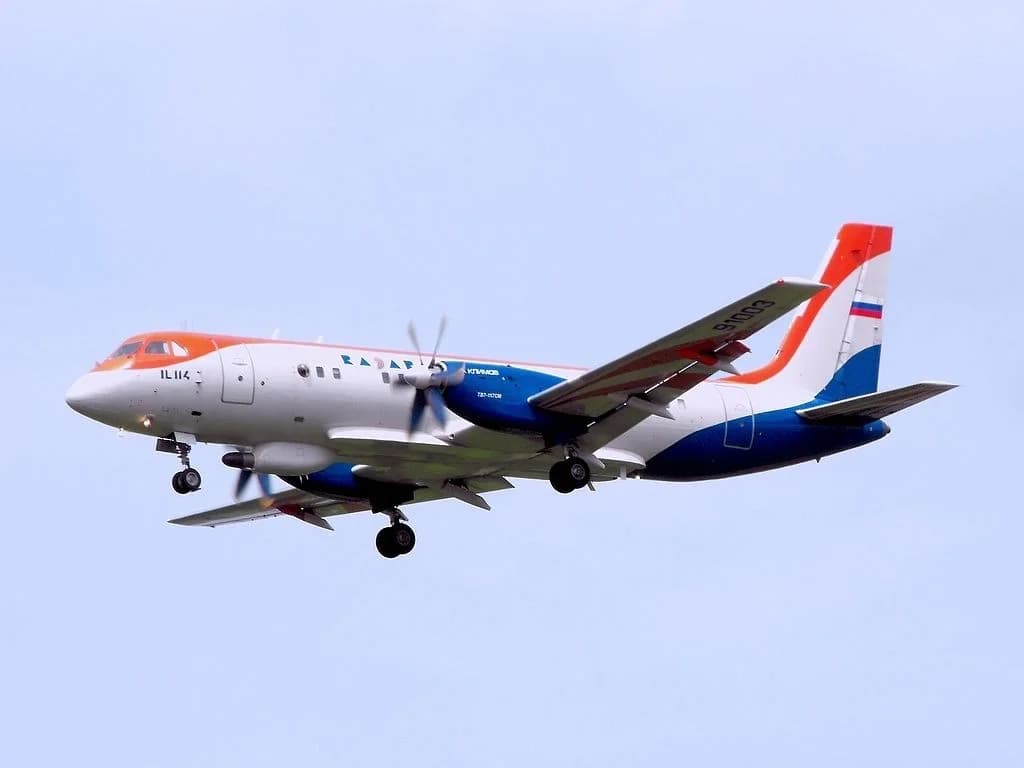
Il-114
Effettuò il primo volo nel 1990 entrando successivamente in servizio attivo.
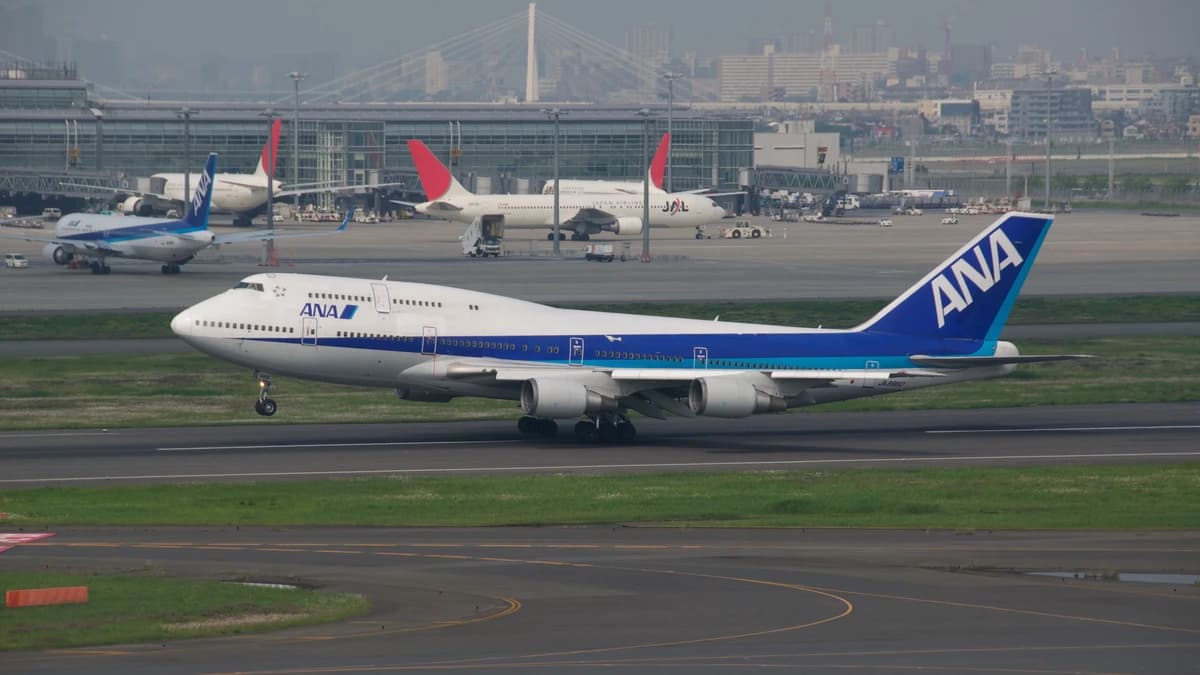
747-400D
Effettuò il primo volo nel 1991 entrando successivamente in servizio attivo.
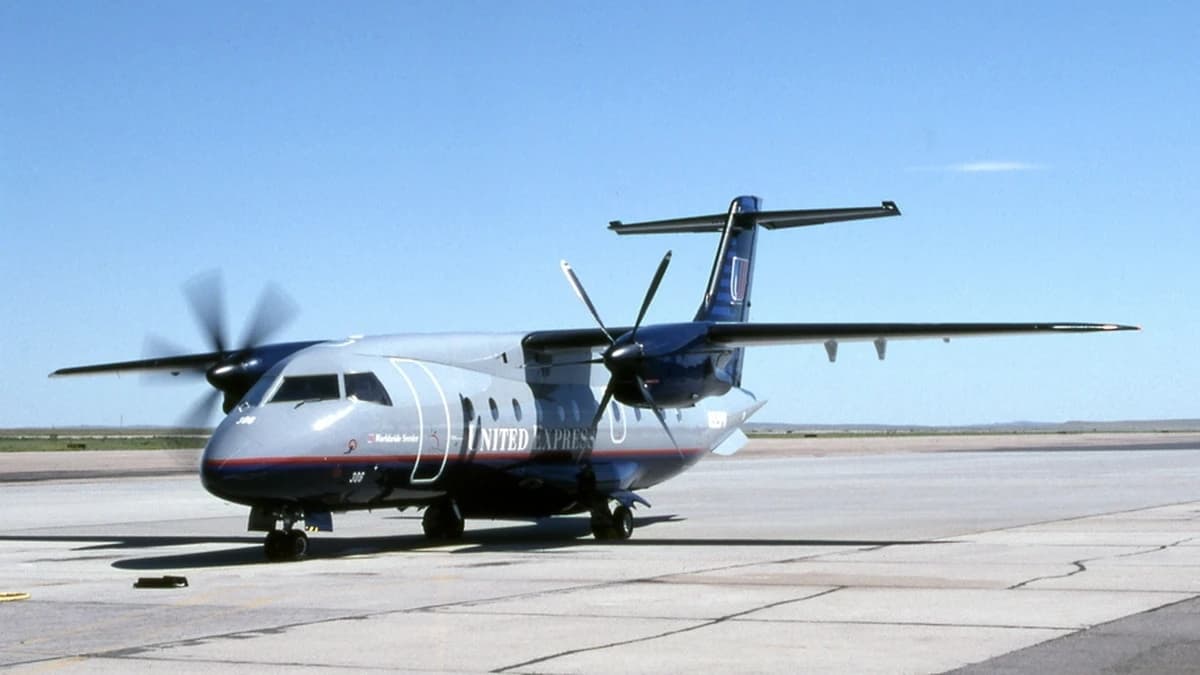
Dornier 328
Effettuò il primo volo nel 1991 entrando successivamente in servizio attivo.
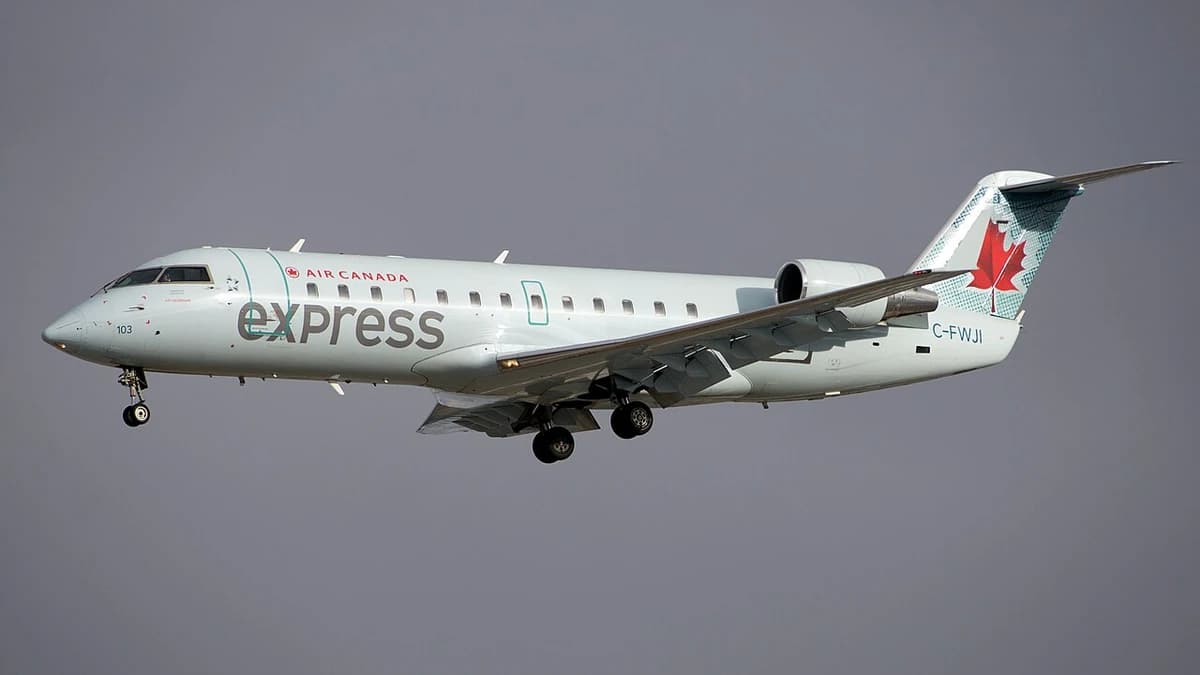
CRJ100
Effettuò il primo volo nel 1991 entrando successivamente in servizio attivo.
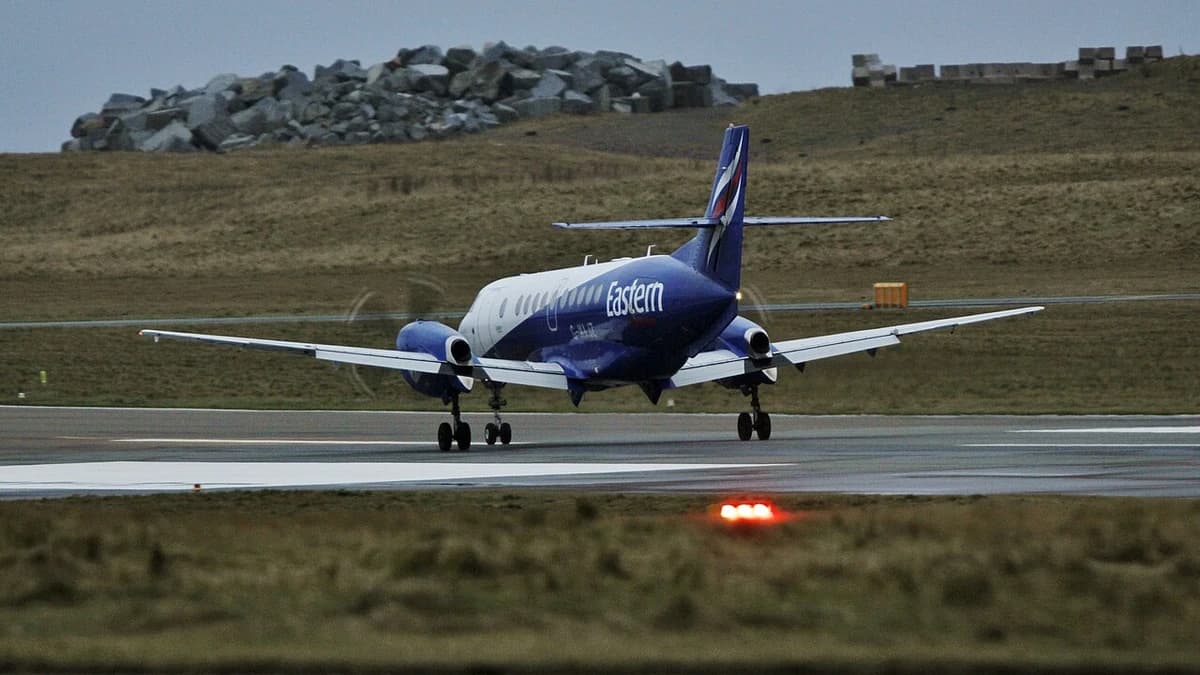
Jetstream 41
Effettuò il primo volo nel 1991 entrando successivamente in servizio attivo.
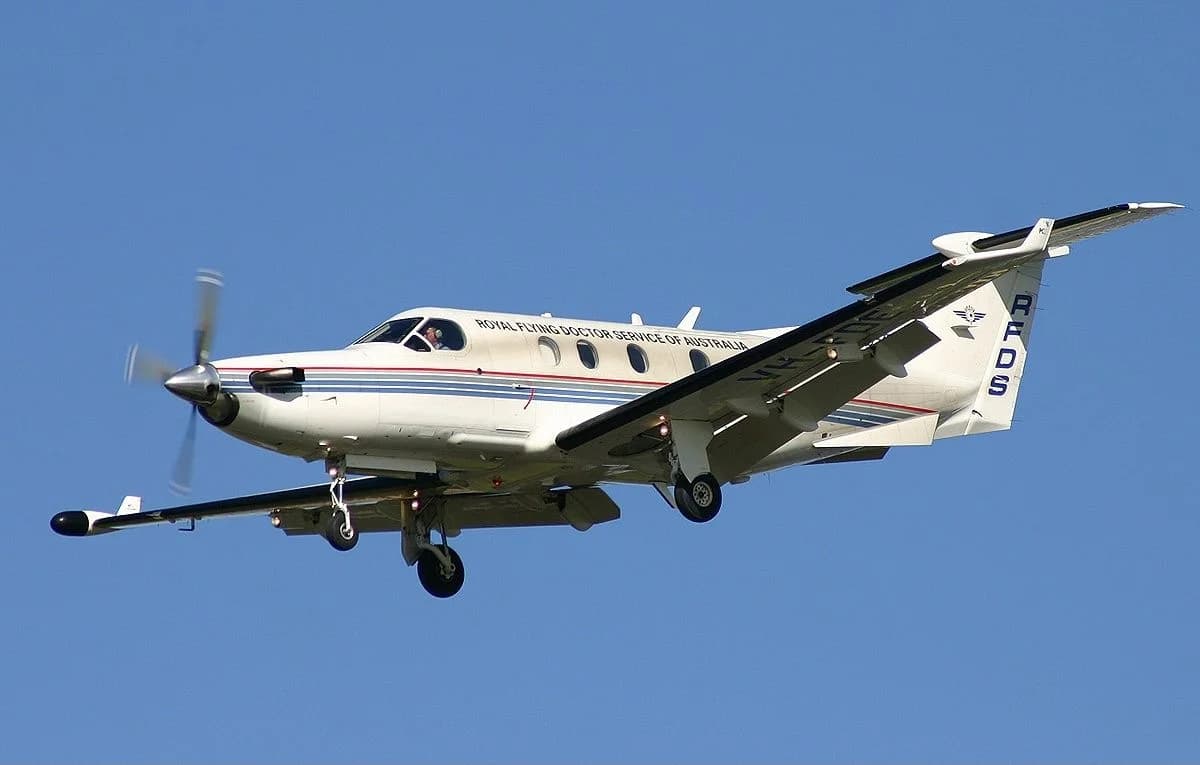
PC-12
Effettuò il primo volo nel 1991 entrando successivamente in servizio attivo.
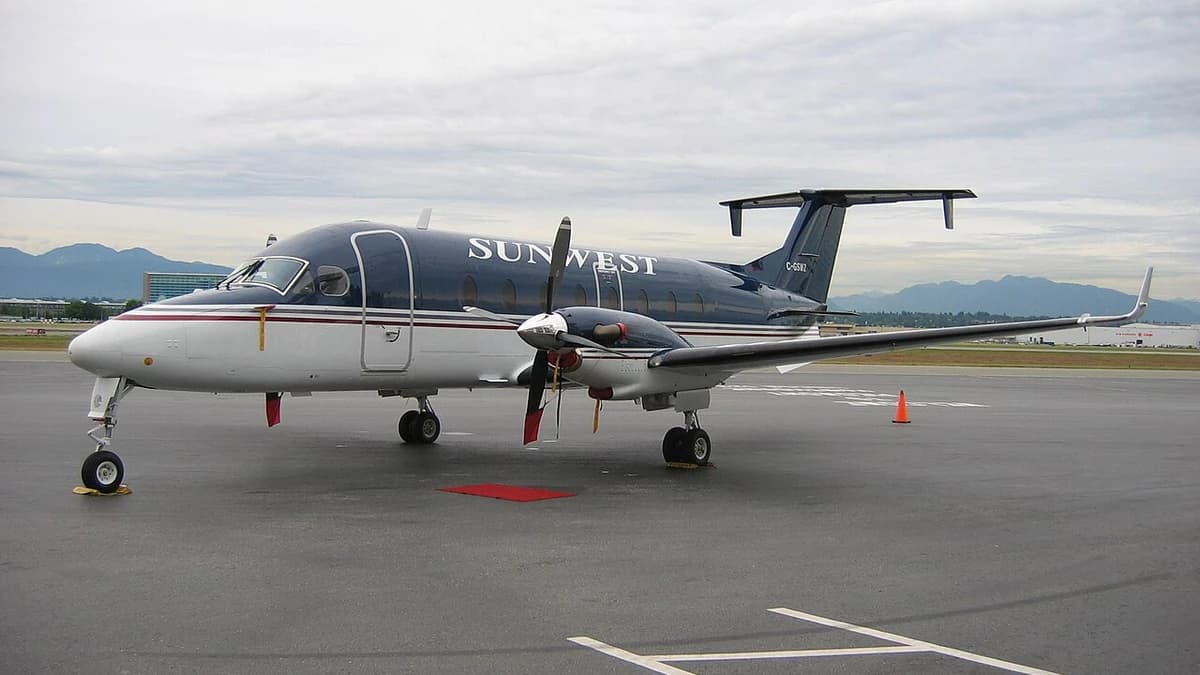
1900D
Effettuò il primo volo nel 1991 entrando successivamente in servizio attivo.
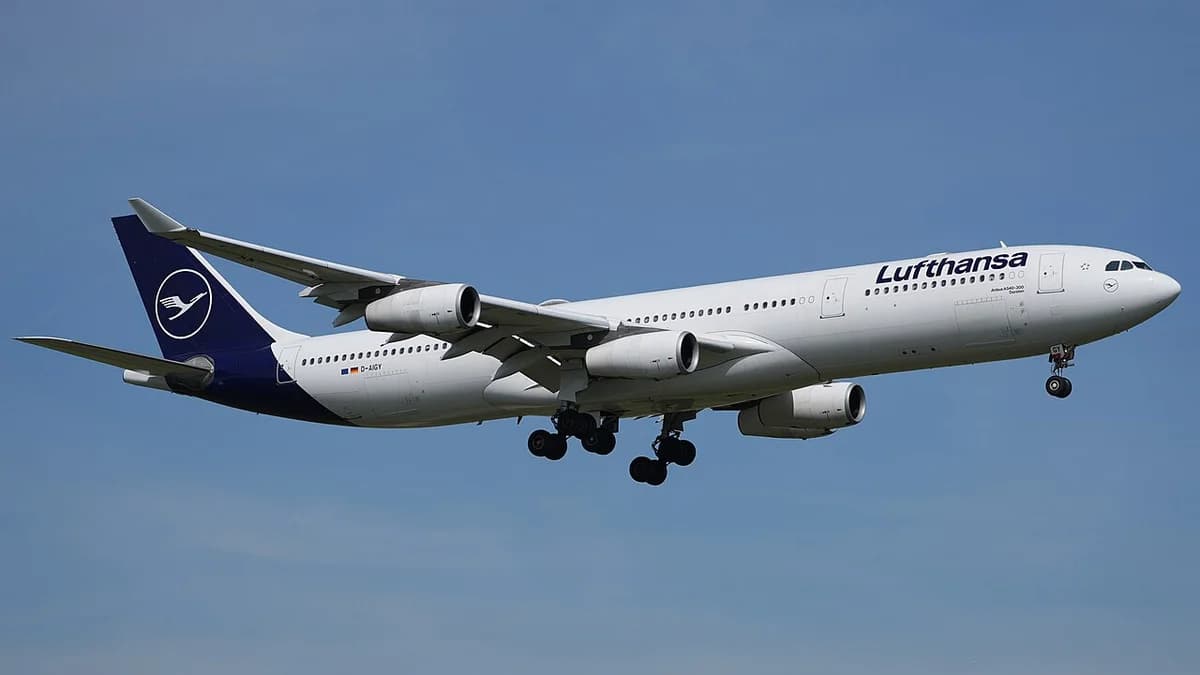
A340-300
Effettuò il primo volo nel 1991 entrando successivamente in servizio attivo.
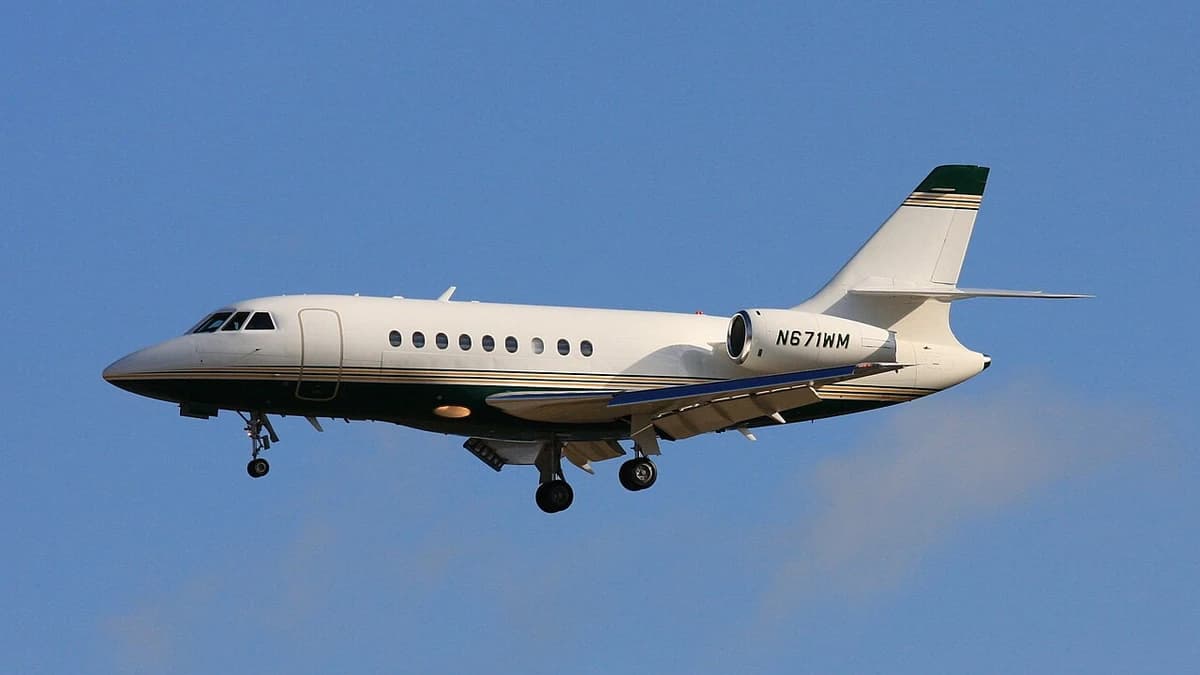
Falcon 2000
Effettuò il primo volo nel 1992 entrando successivamente in servizio attivo.
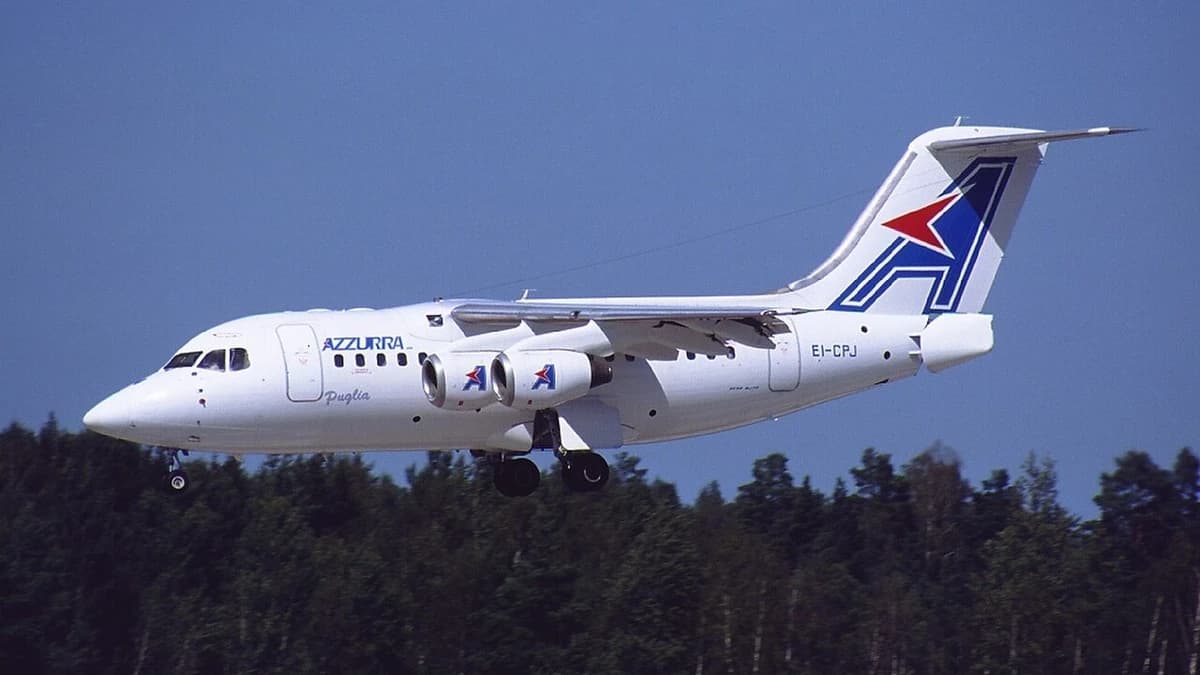
Avro RJ70
Effettuò il primo volo nel 1992 entrando successivamente in servizio attivo.
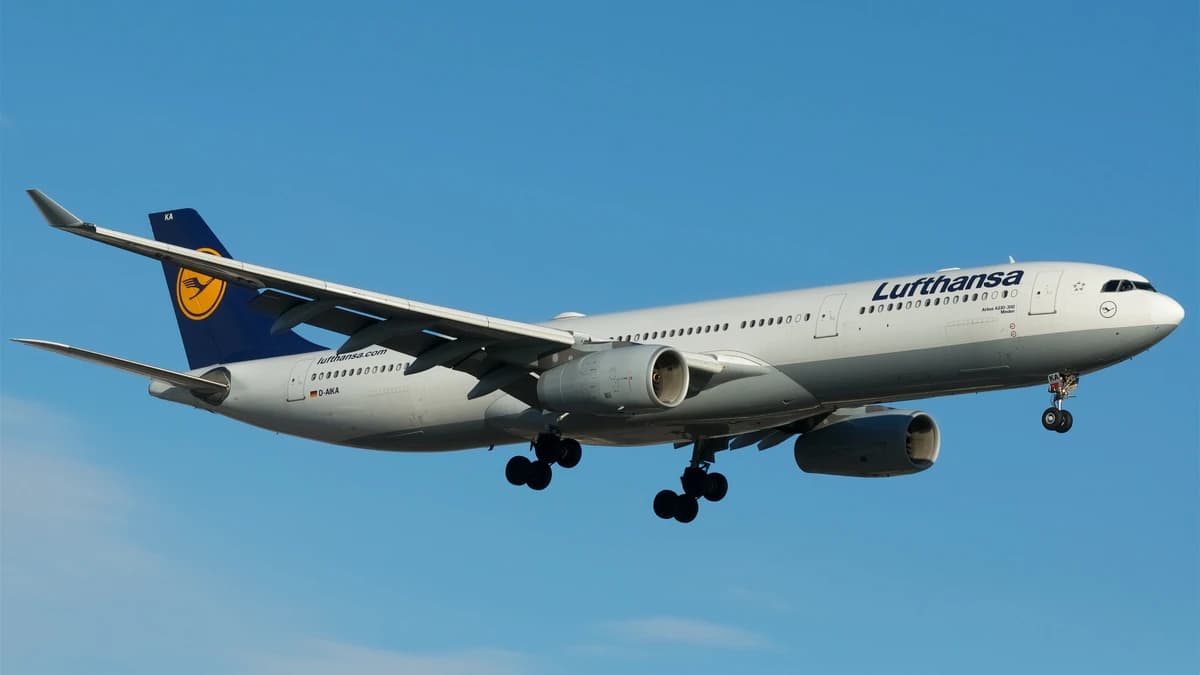
A330-300
Effettuò il primo volo nel 1992 entrando successivamente in servizio attivo.
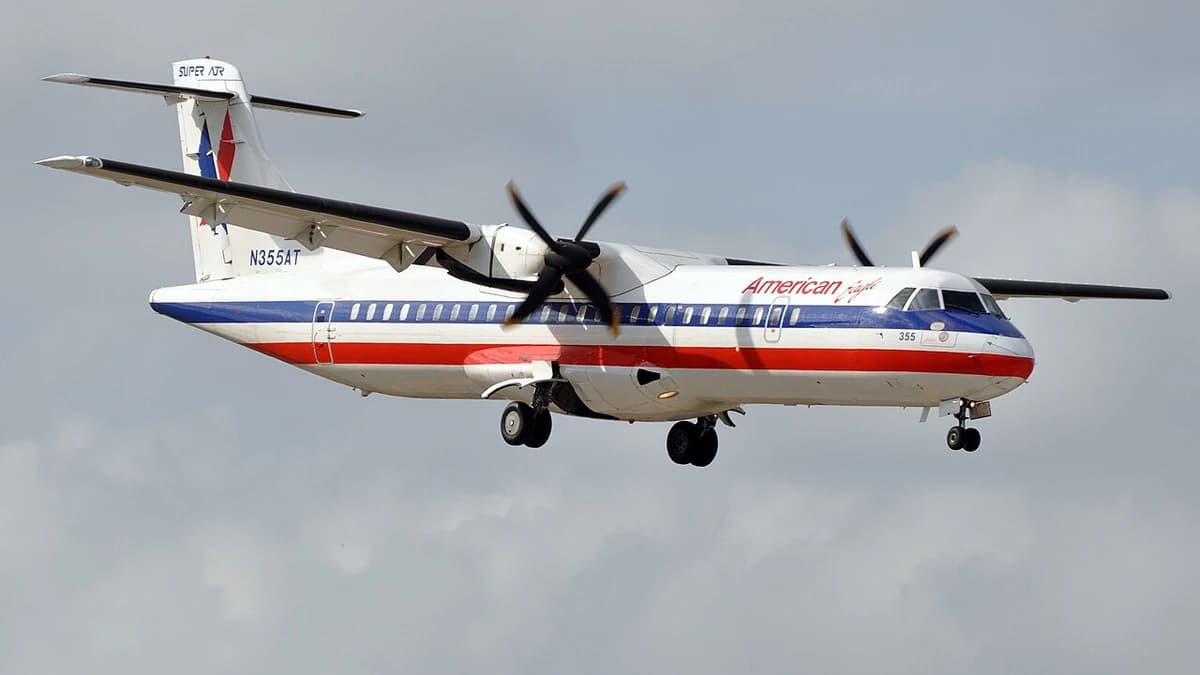
ATR 72-210
Effettuò il primo volo nel 1992 entrando successivamente in servizio attivo.
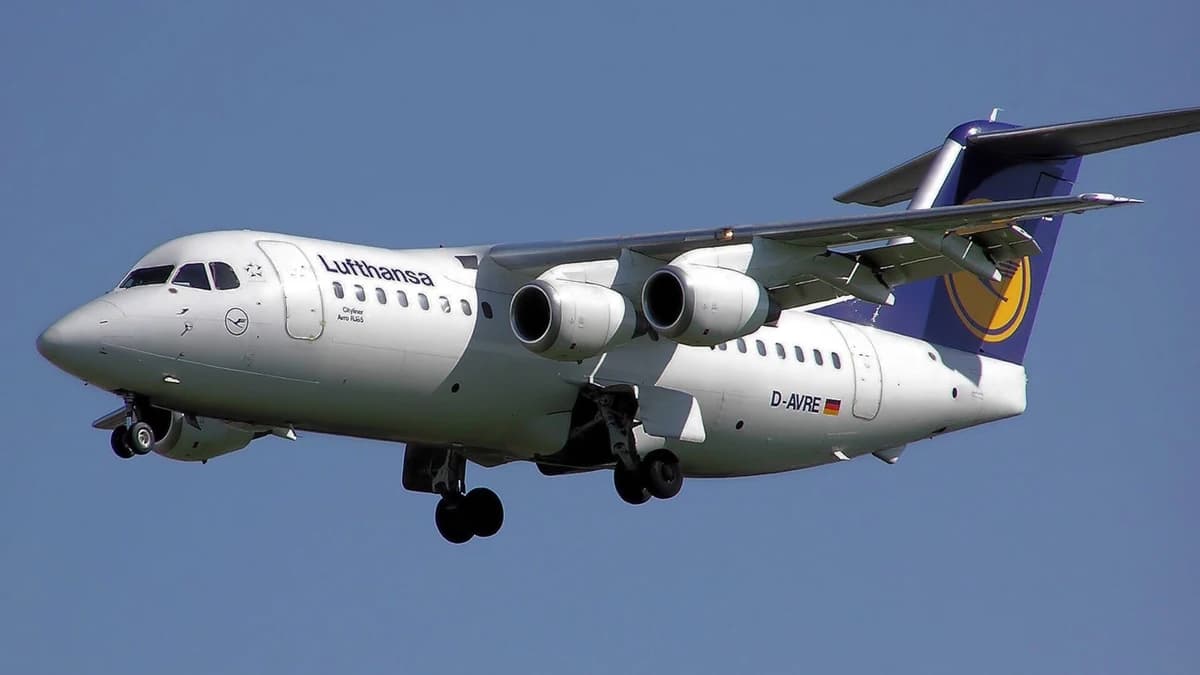
Avro RJ85
Effettuò il primo volo nel 1992 entrando successivamente in servizio attivo.
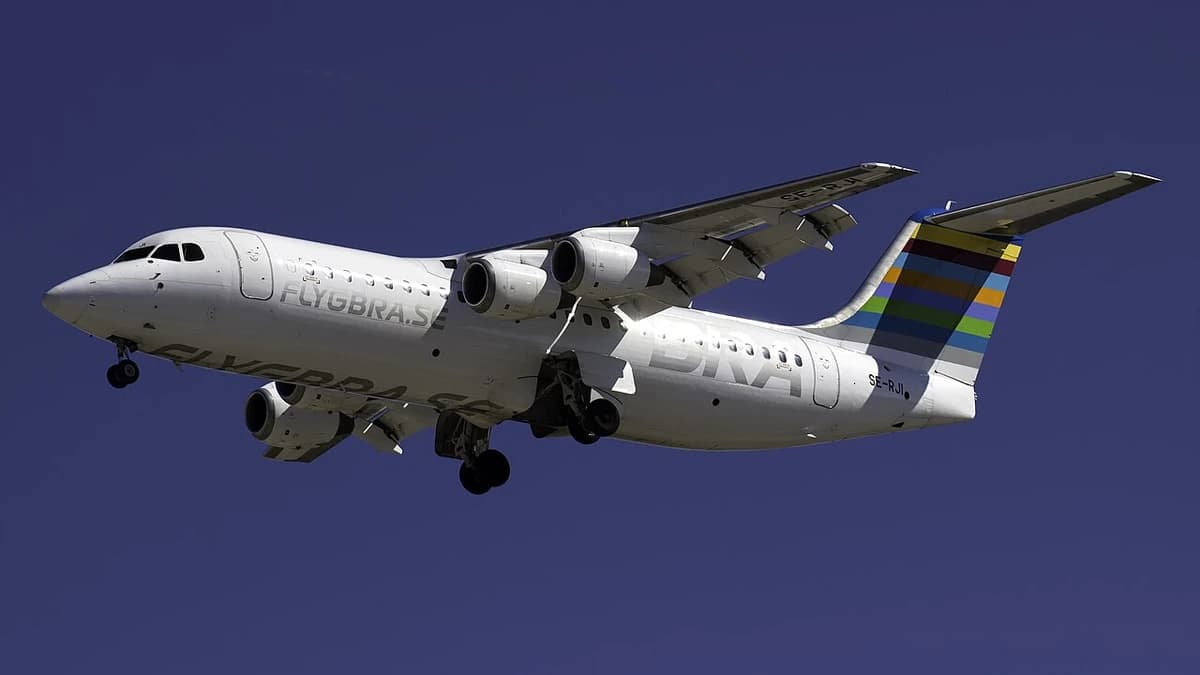
Avro RJ100
Effettuò il primo volo nel 1992 entrando successivamente in servizio attivo.
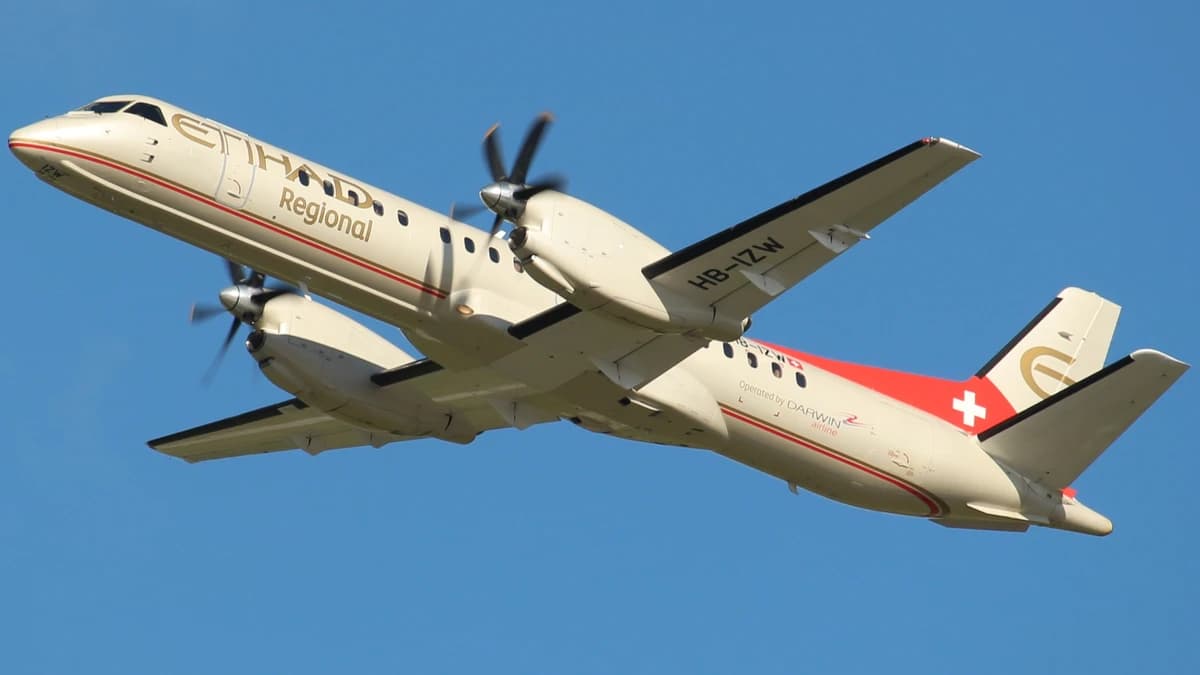
2000
Effettuò il primo volo nel 1992 entrando successivamente in servizio attivo.
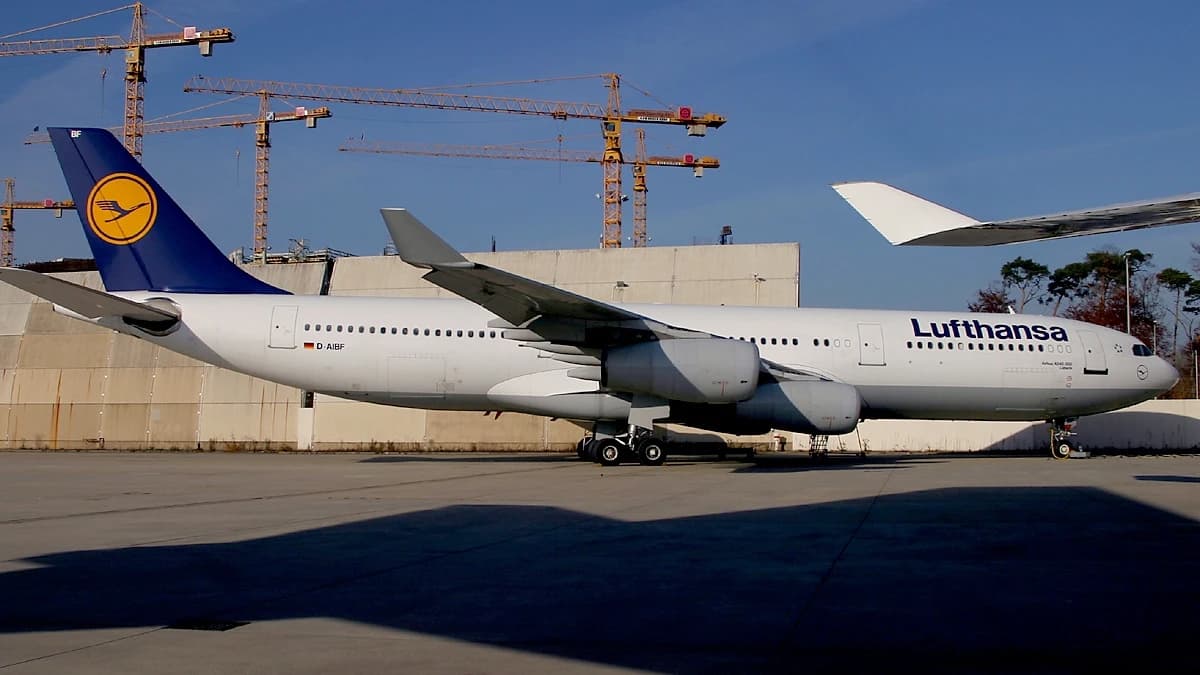
A340-200
Effettuò il primo volo nel 1992 entrando successivamente in servizio attivo.
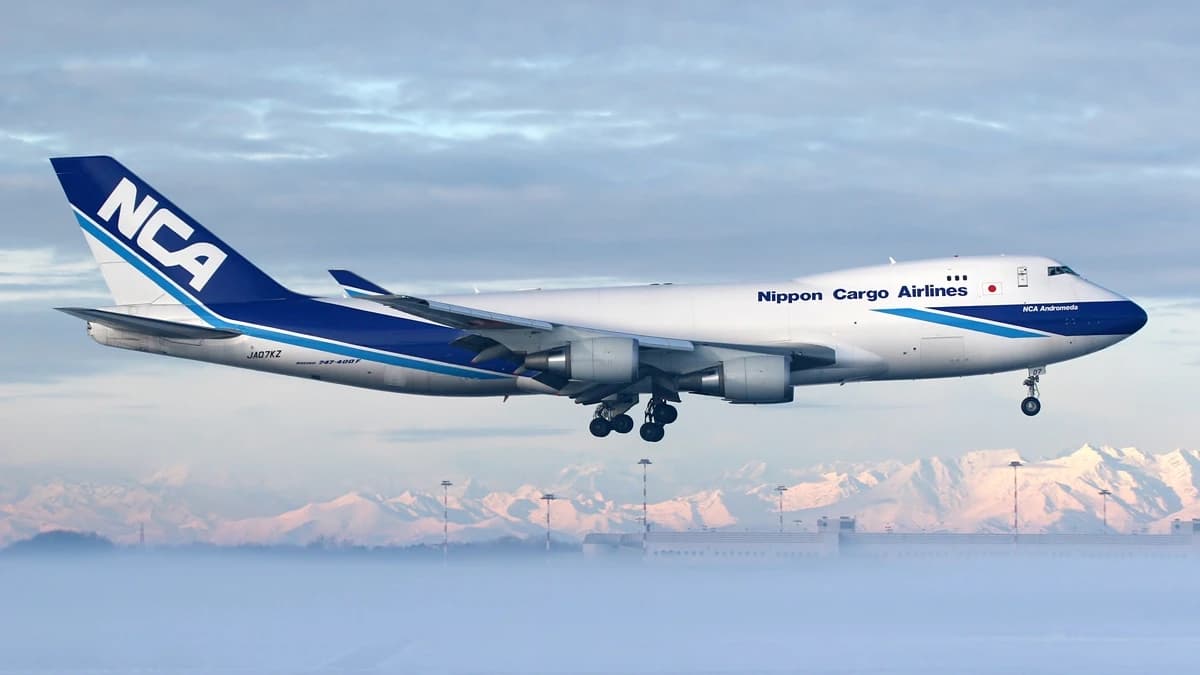
747-400F
Effettuò il primo volo nel 1993 entrando successivamente in servizio attivo.
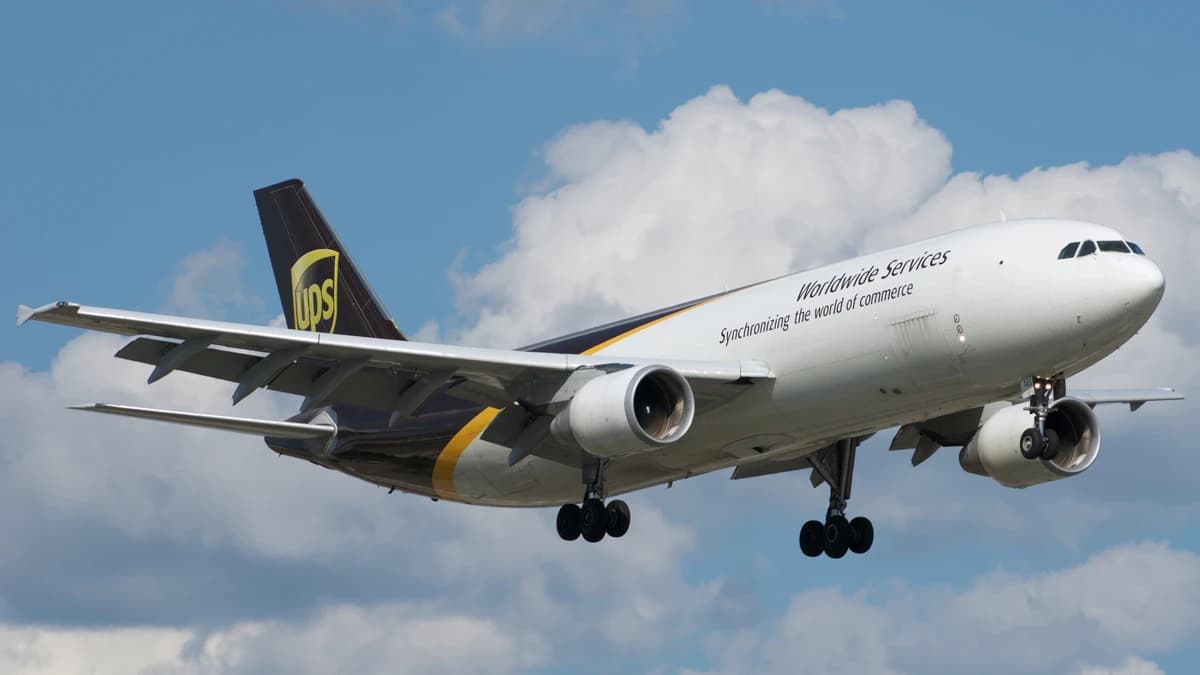
A300-600F
Effettuò il primo volo nel 1993 entrando successivamente in servizio attivo.
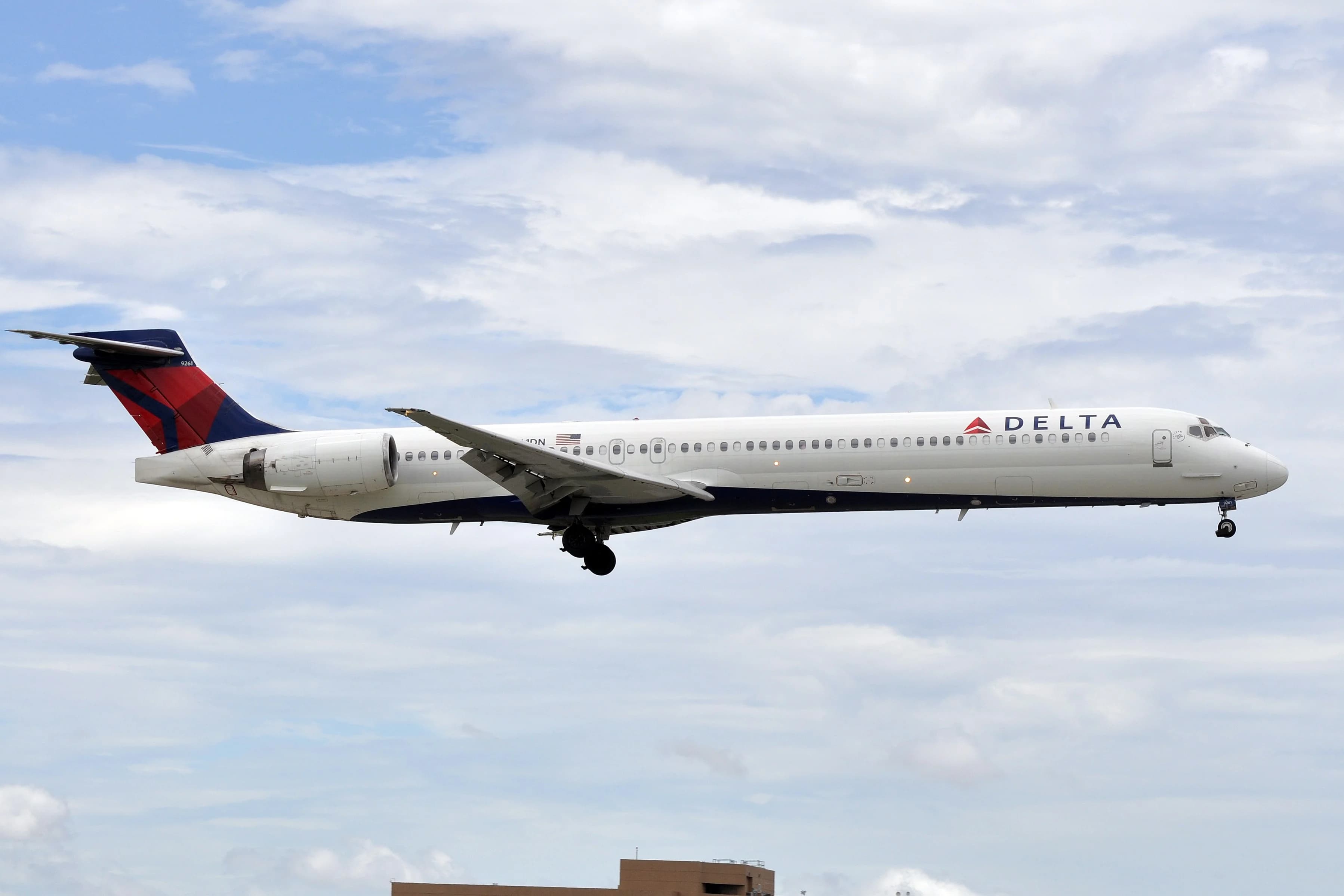
MD-90-30
Fu sviluppato come evoluzione ecologica e silenziosa della famiglia MD-80, equipaggiato con moderni motori turboventola IAE V2500.
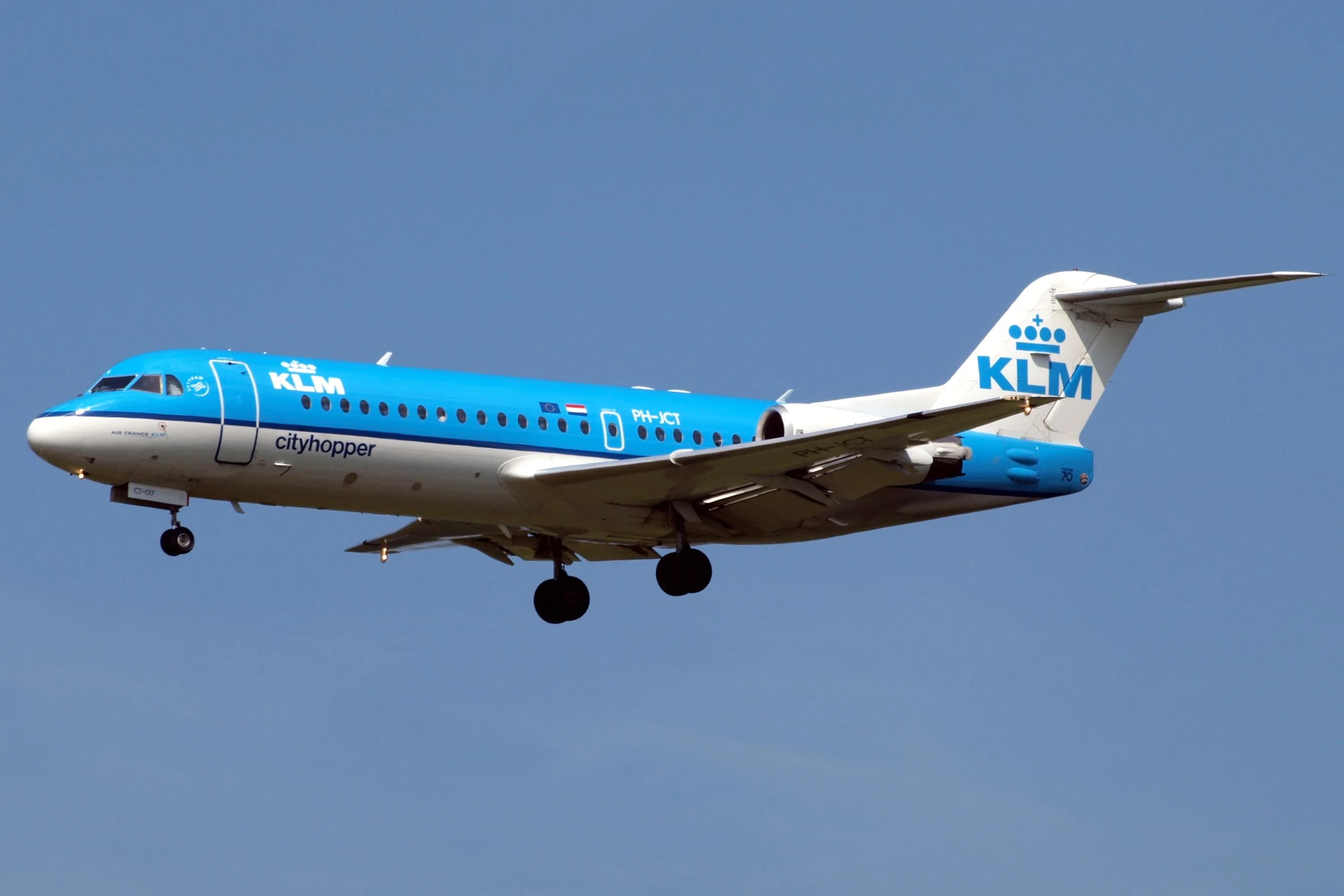
Fokker 70
Effettuò il primo volo nel 1993 entrando successivamente in servizio attivo.
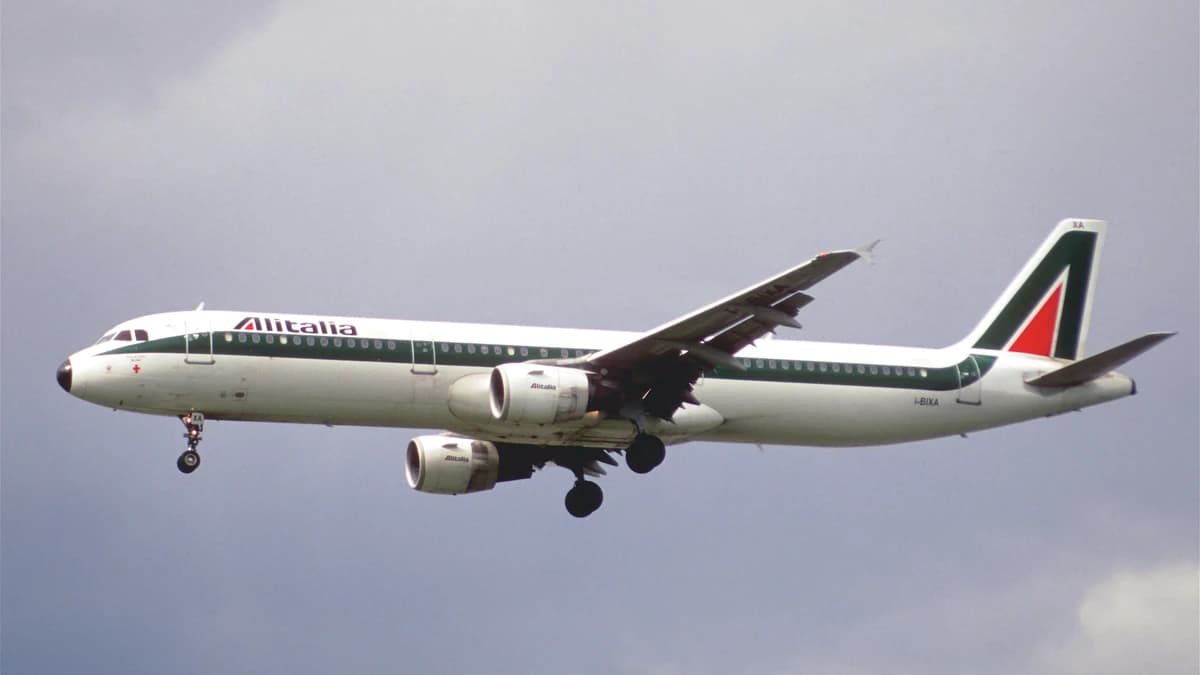
A321-100
Effettuò il primo volo nel 1993 entrando successivamente in servizio attivo.
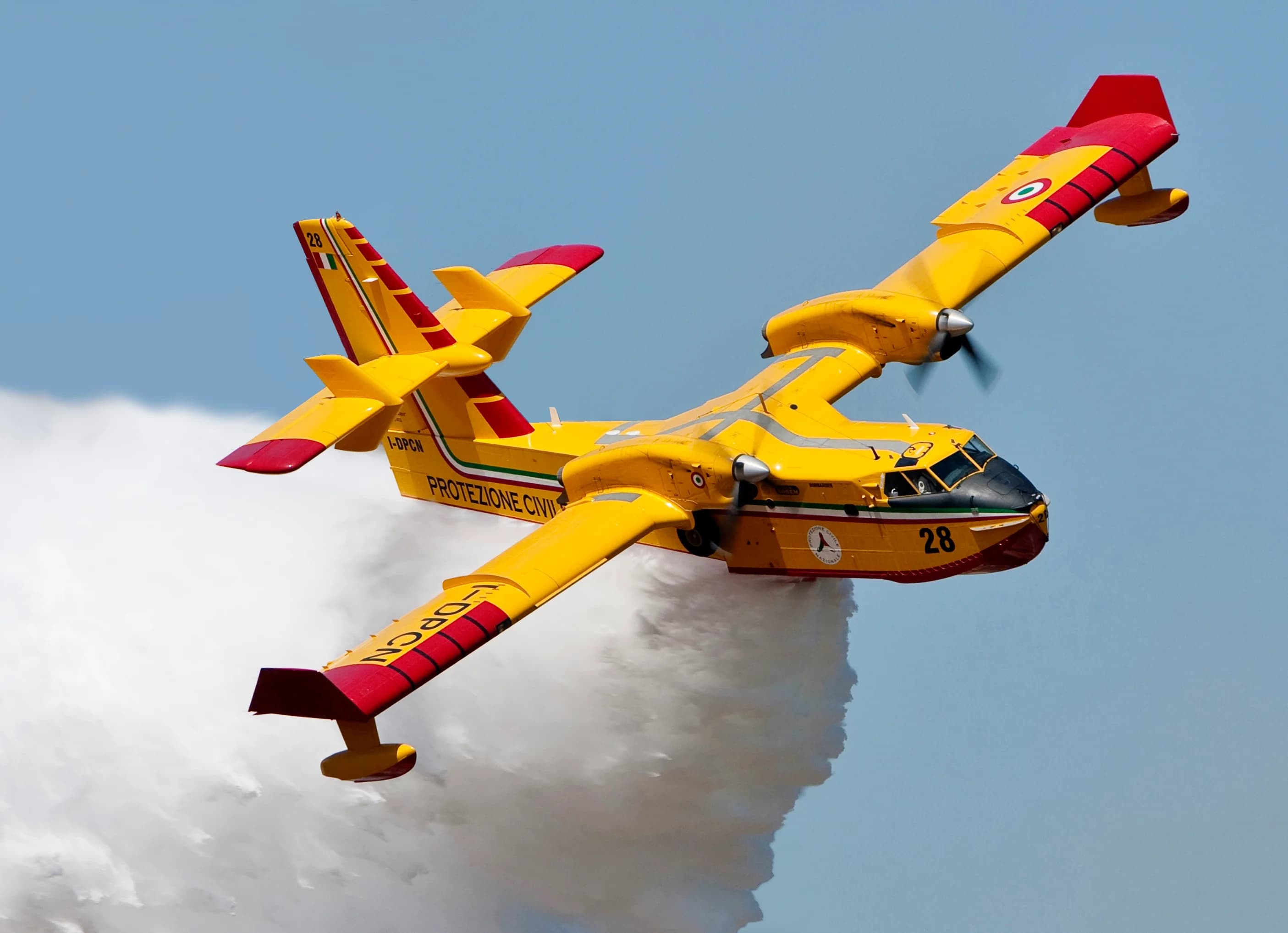
CL-415
Effettuò il primo volo nel 1993 entrando successivamente in servizio attivo.
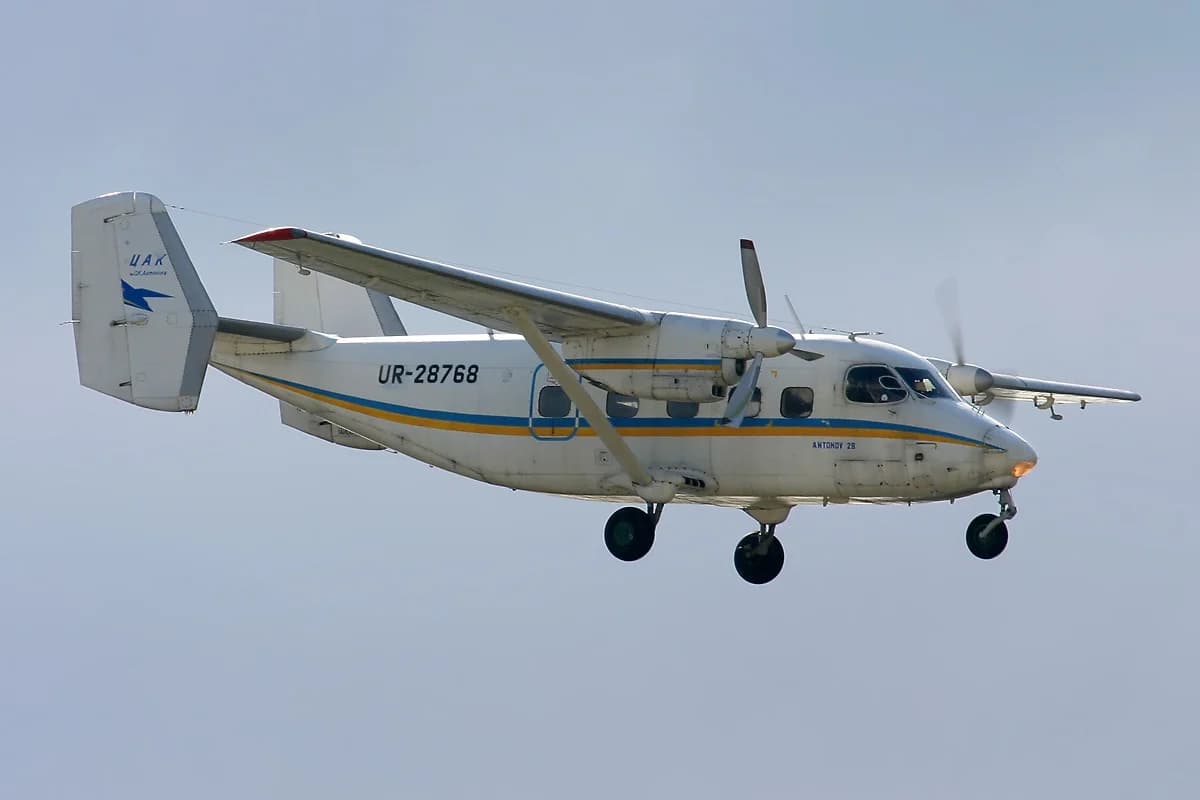
M28 Skytruck
Sviluppato come evoluzione del velivolo sovietico Antonov An-28 costruito su licenza in Polonia.
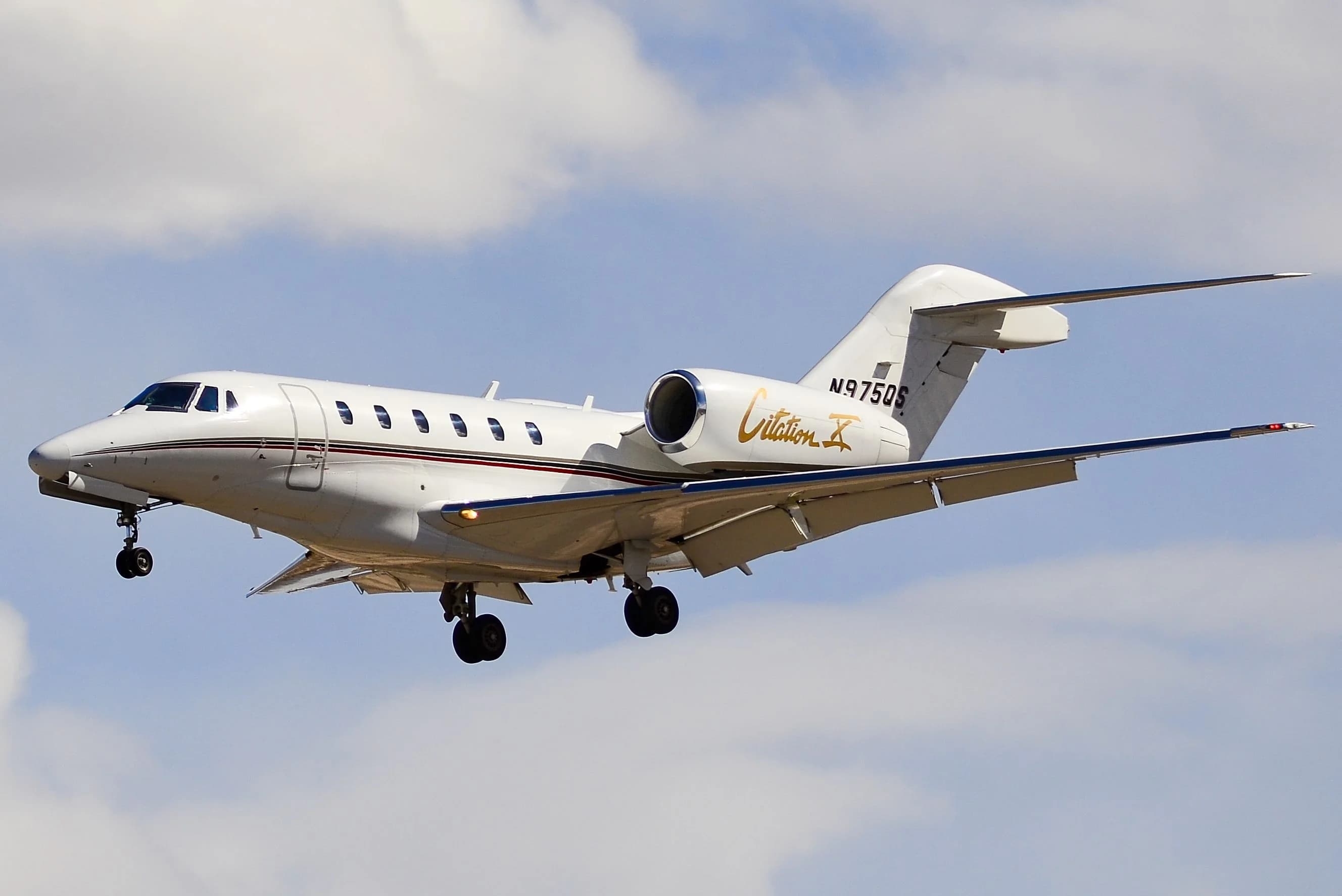
Citation X
Effettuò il primo volo nel 1993 entrando successivamente in servizio attivo.
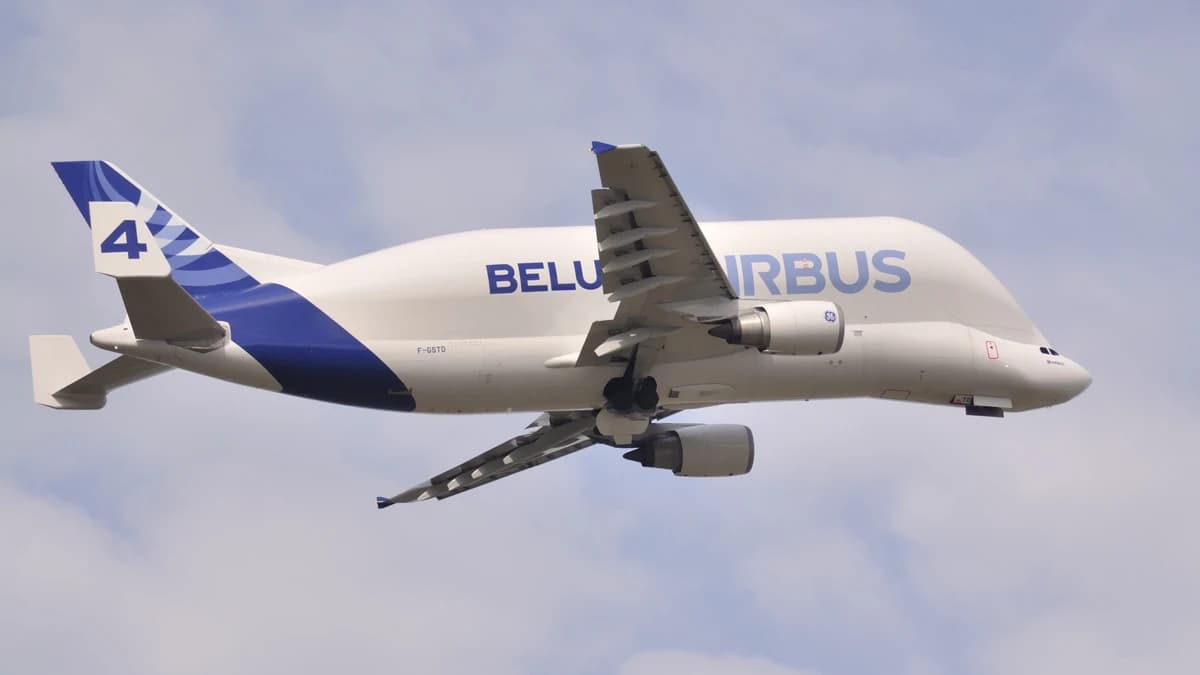
A300-600ST Beluga
Effettuò il primo volo nel 1994 entrando successivamente in servizio attivo.
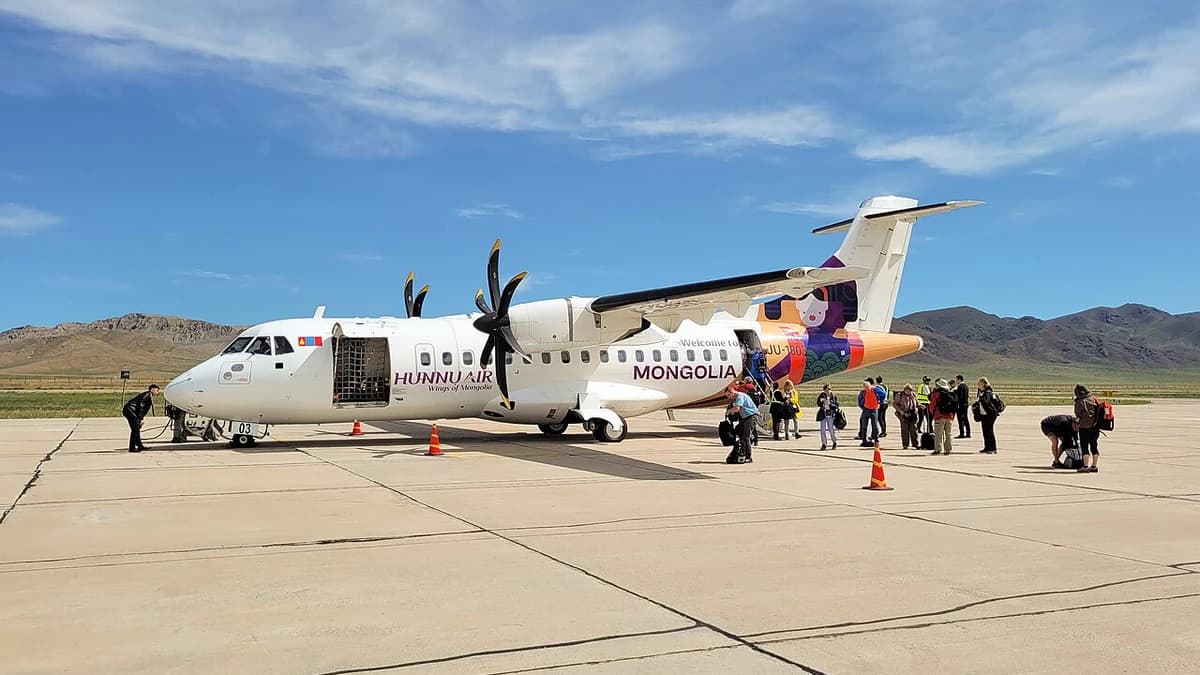
ATR 42-500
Effettuò il primo volo nel 1994 entrando successivamente in servizio attivo.
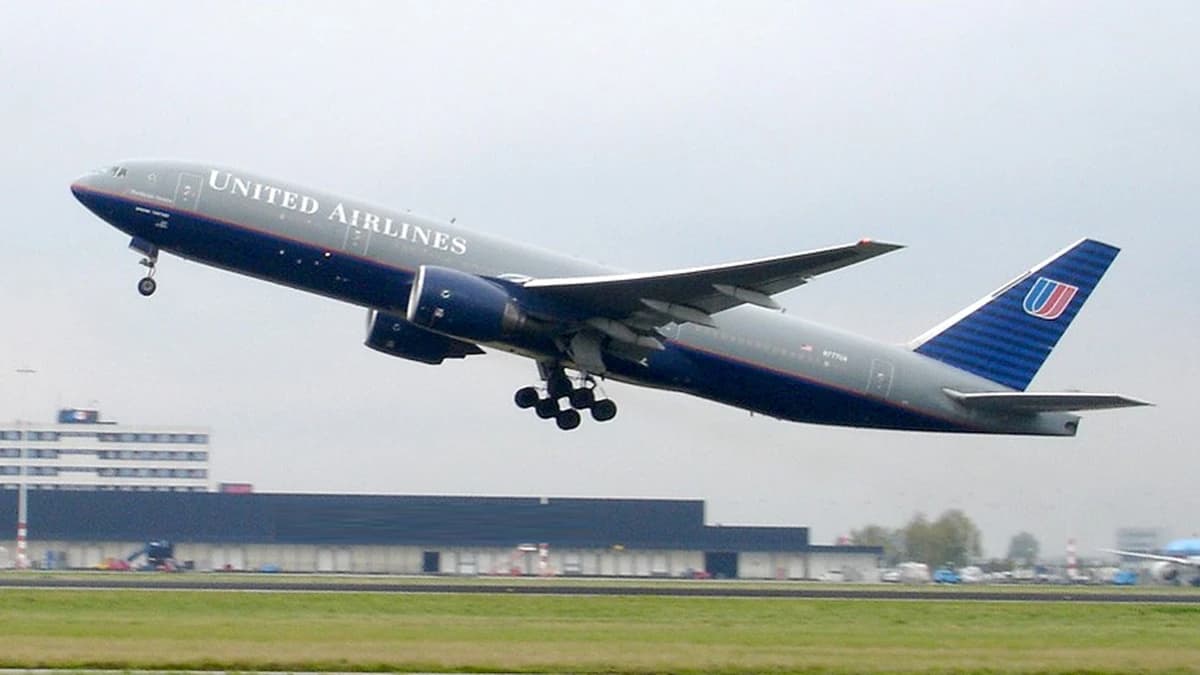
777-200
Effettuò il primo volo nel 1994 entrando successivamente in servizio attivo.
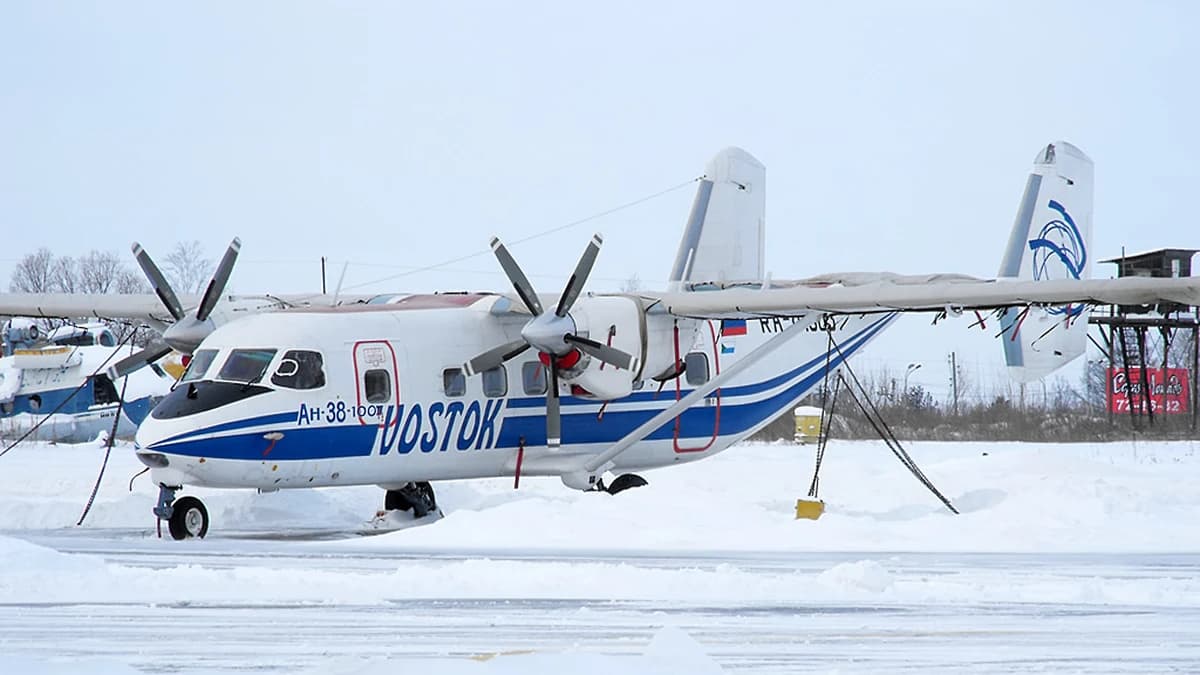
An-38
Effettuò il primo volo nel 1994 entrando successivamente in servizio attivo.
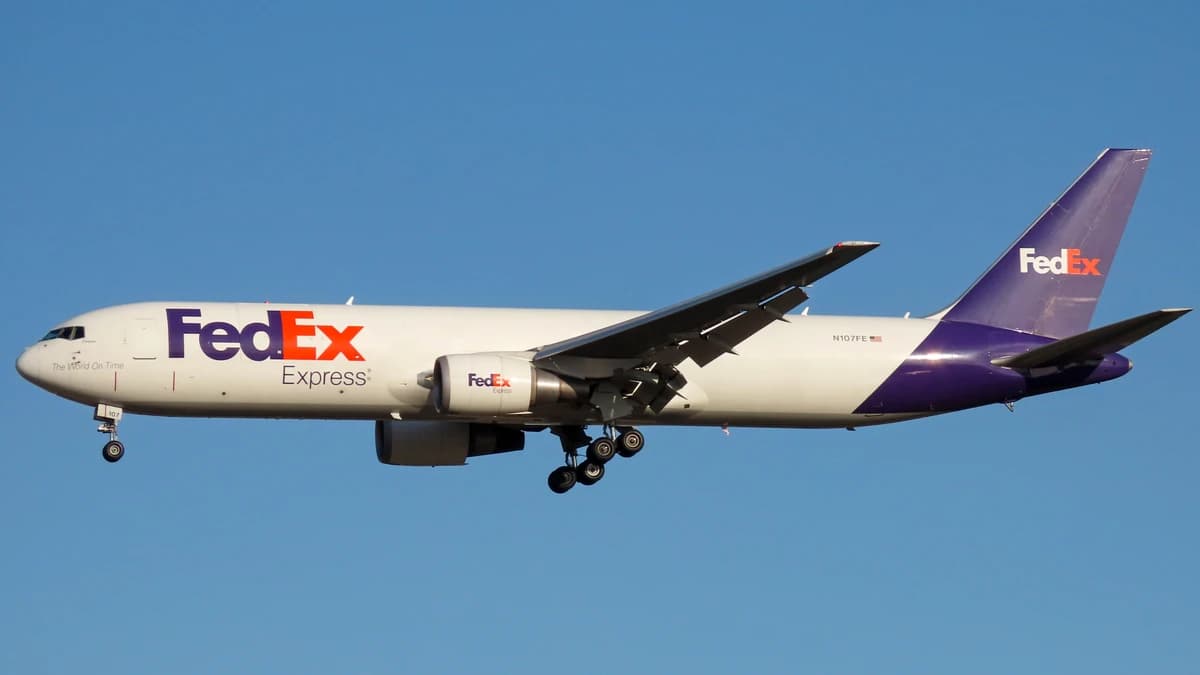
767-300F
Effettuò il primo volo nel 1995 entrando successivamente in servizio attivo.
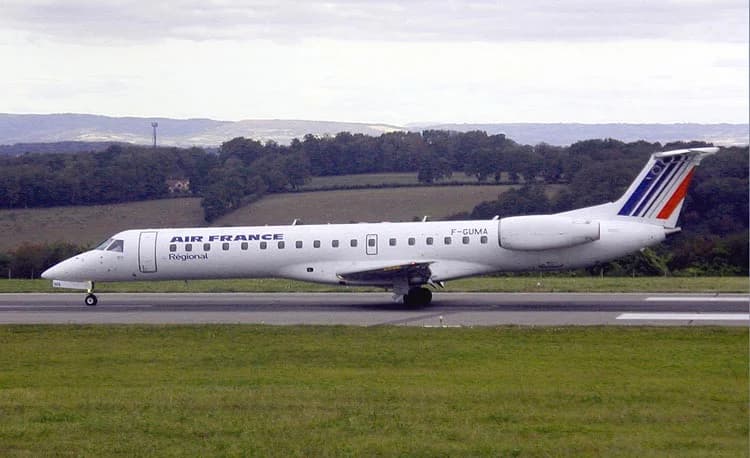
ERJ 145
Effettuò il primo volo nel 1995 entrando successivamente in servizio attivo.
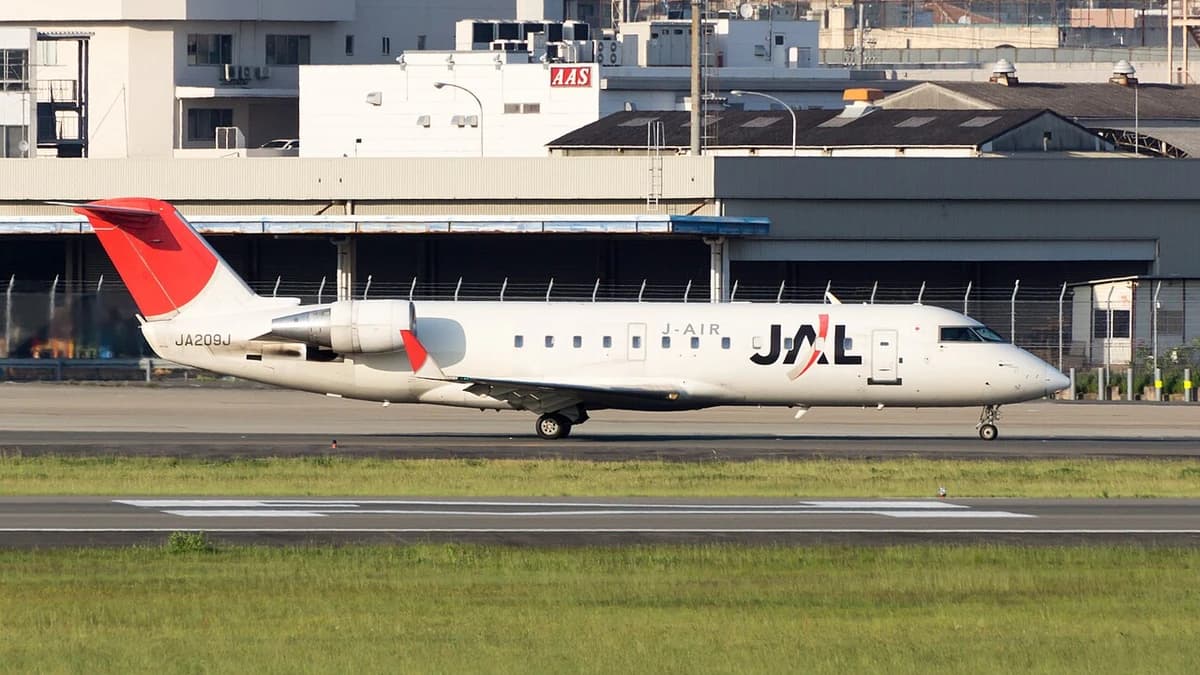
CRJ200
Effettuò il primo volo nel 1995 entrando successivamente in servizio attivo.
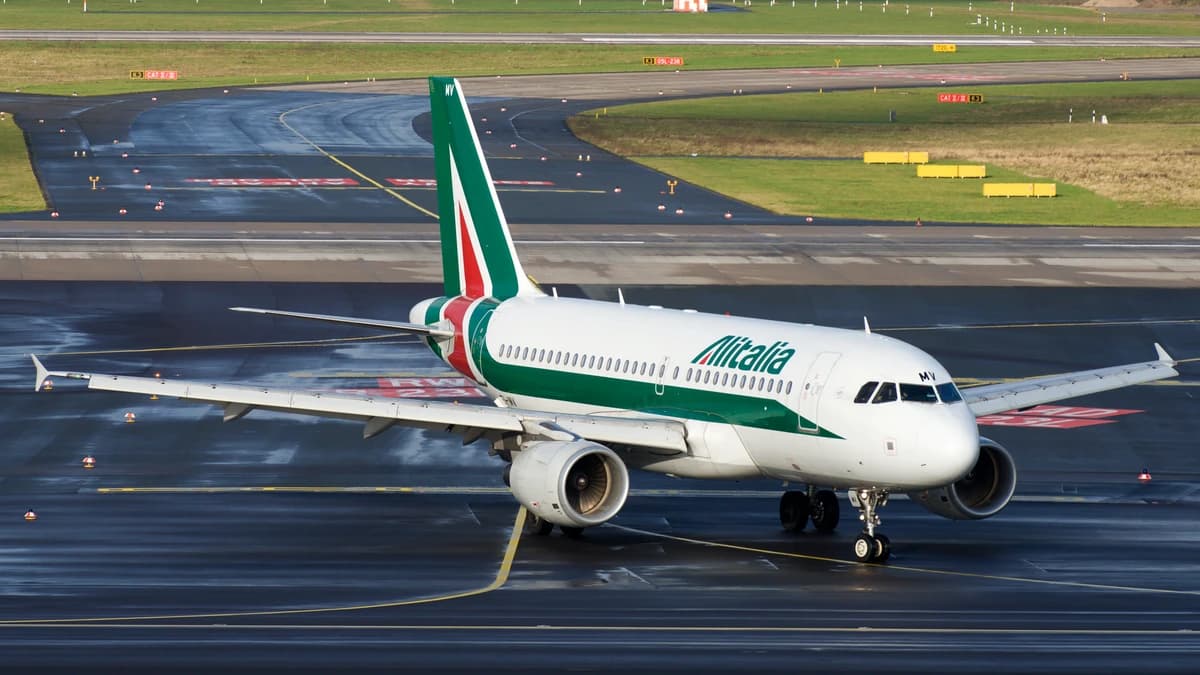
A319-100
Effettuò il primo volo nel 1995 entrando successivamente in servizio attivo.
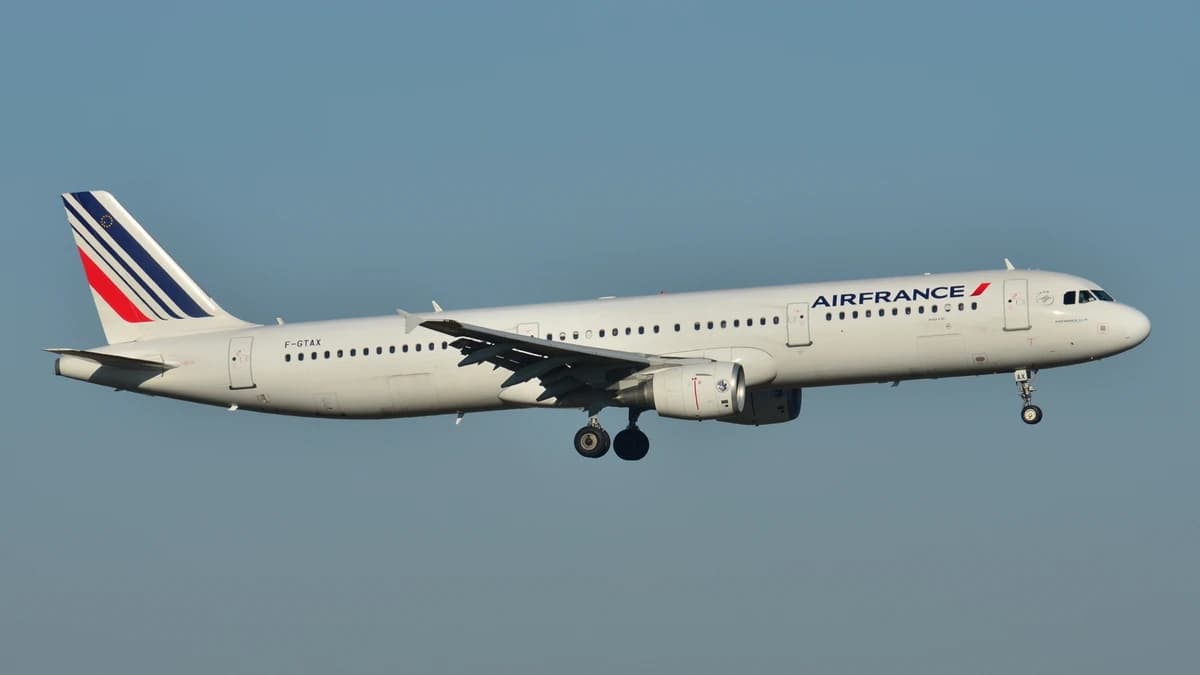
A321-200
Effettuò il primo volo nel 1996 entrando successivamente in servizio attivo.
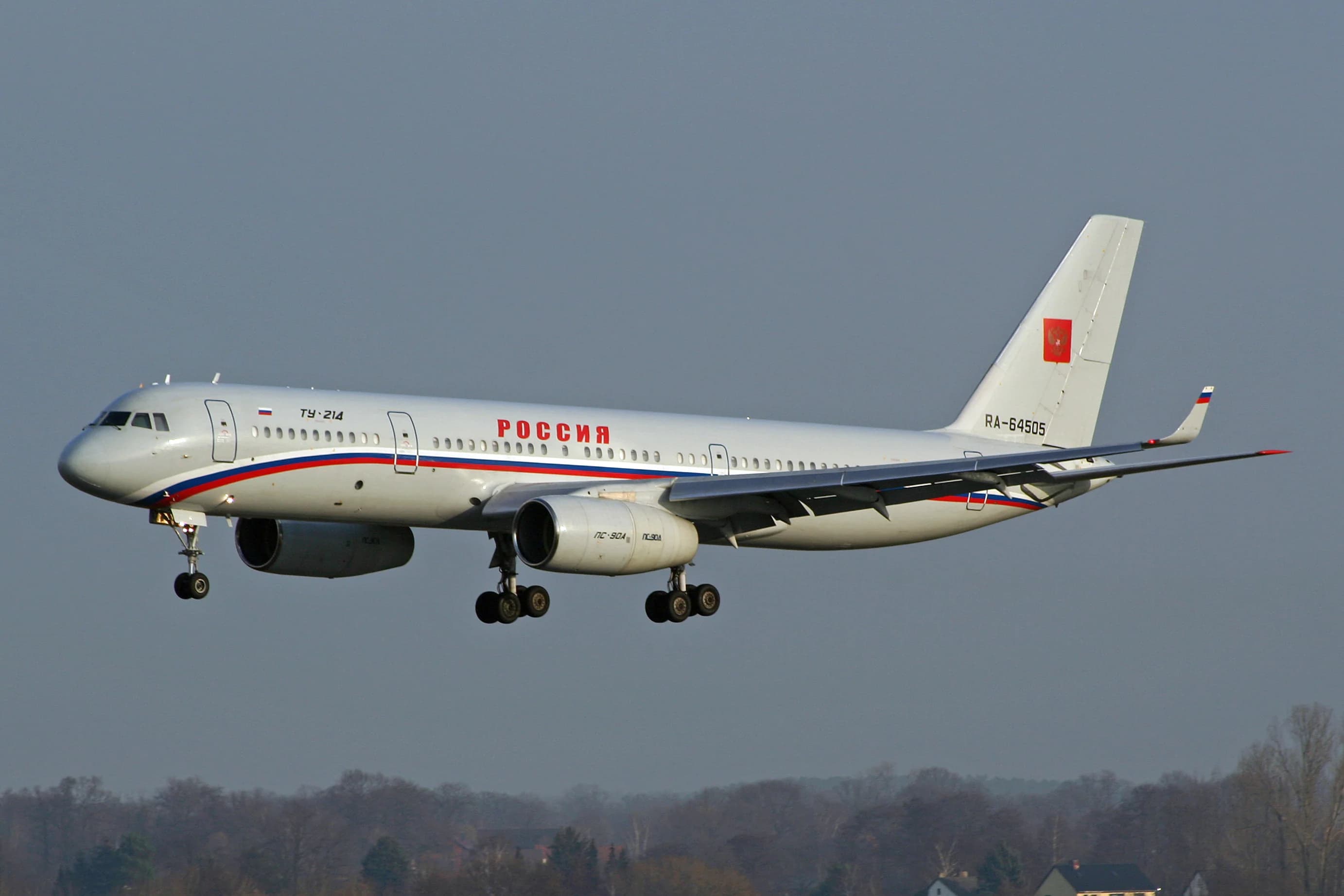
Tu-214
Viene prodotto nello storico stabilimento KAPO di Kazan anziché a Ulyanovsk dove si produce il Tu-204.
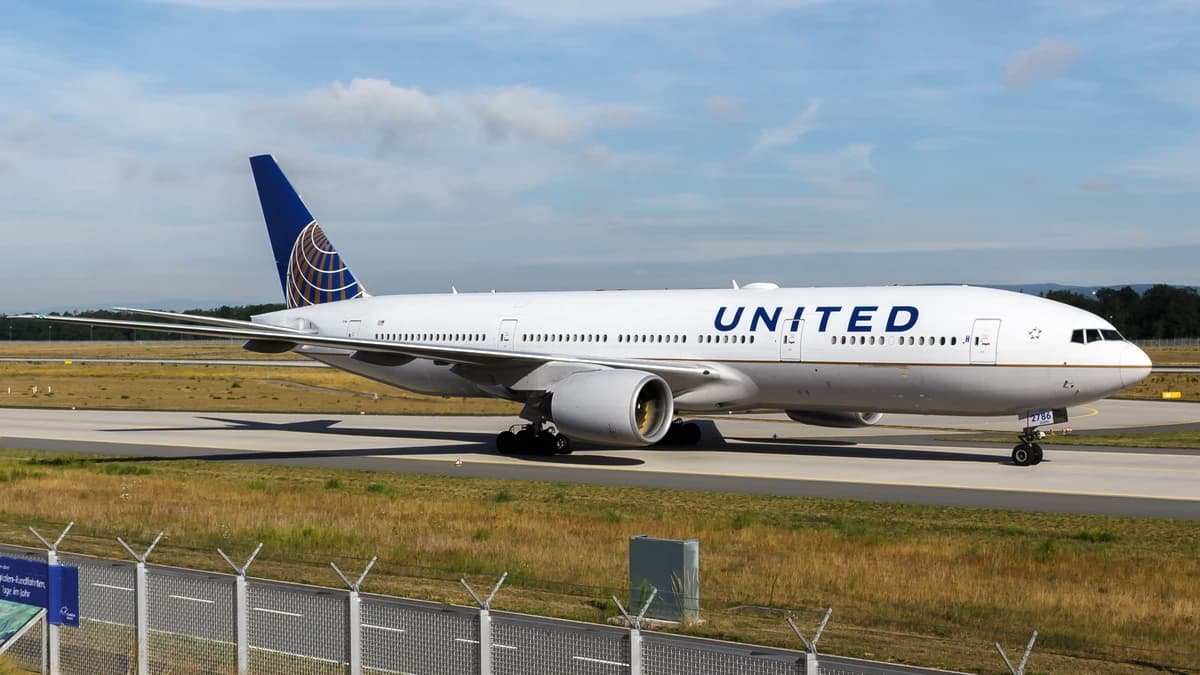
777-200ER
Effettuò il primo volo nel 1996 entrando successivamente in servizio attivo.
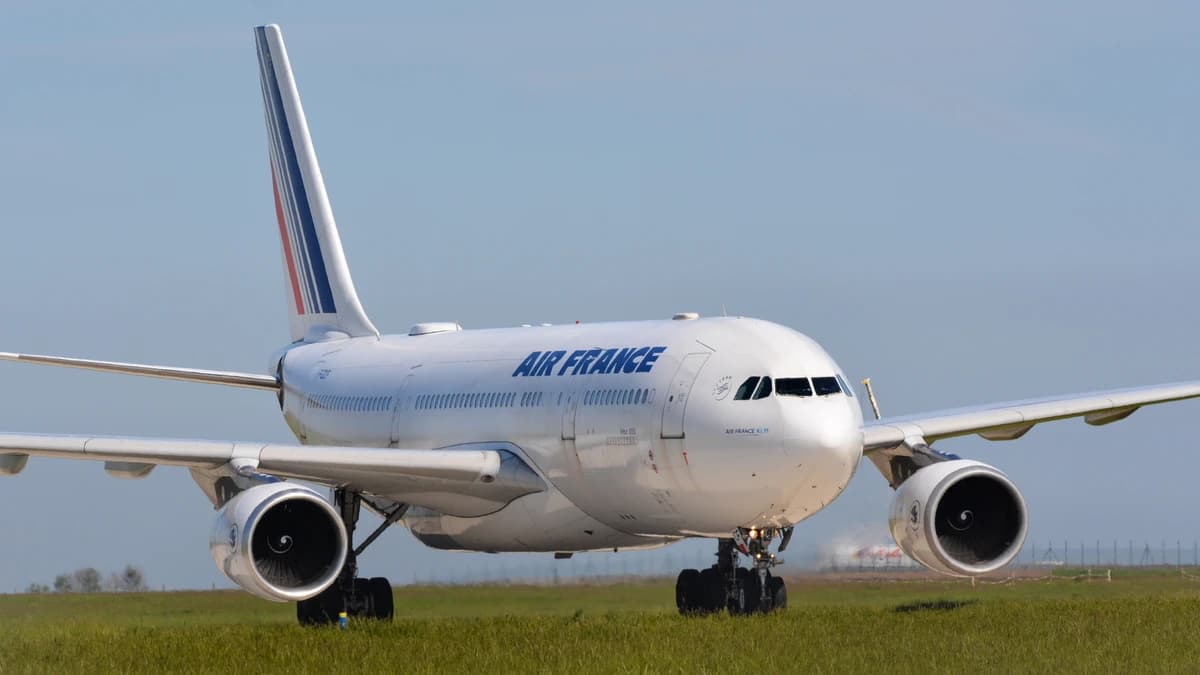
A330-200
Effettuò il primo volo nel 1997 entrando successivamente in servizio attivo.
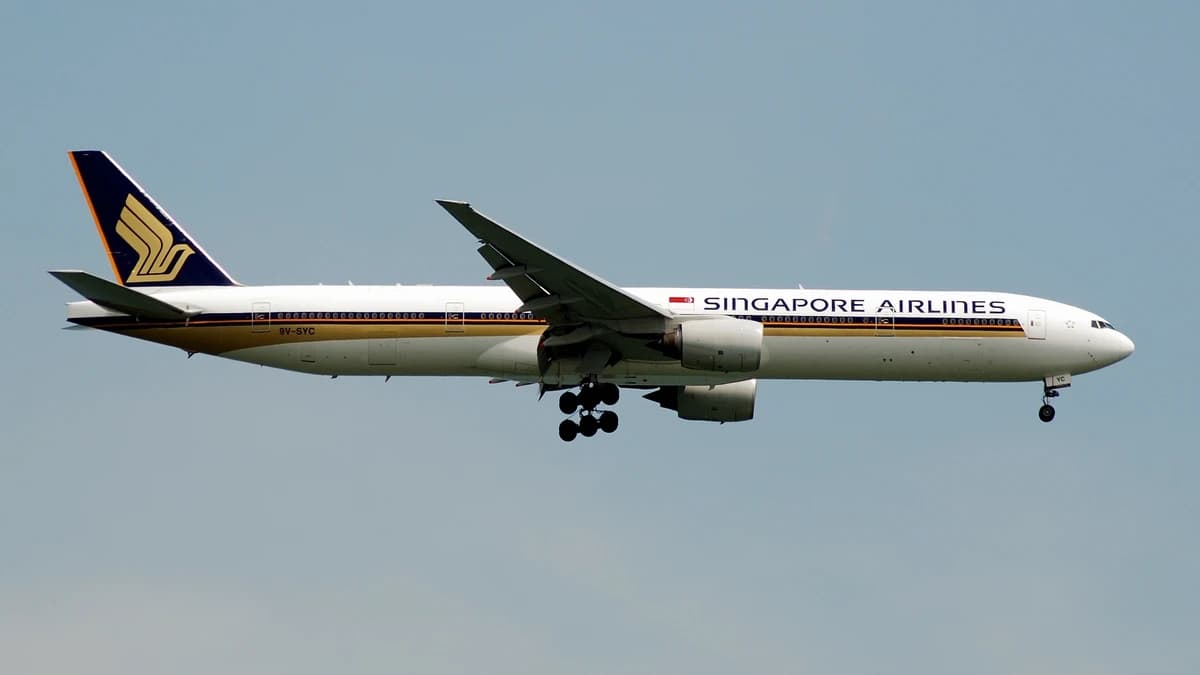
777-300
Effettuò il primo volo nel 1997 entrando successivamente in servizio attivo.
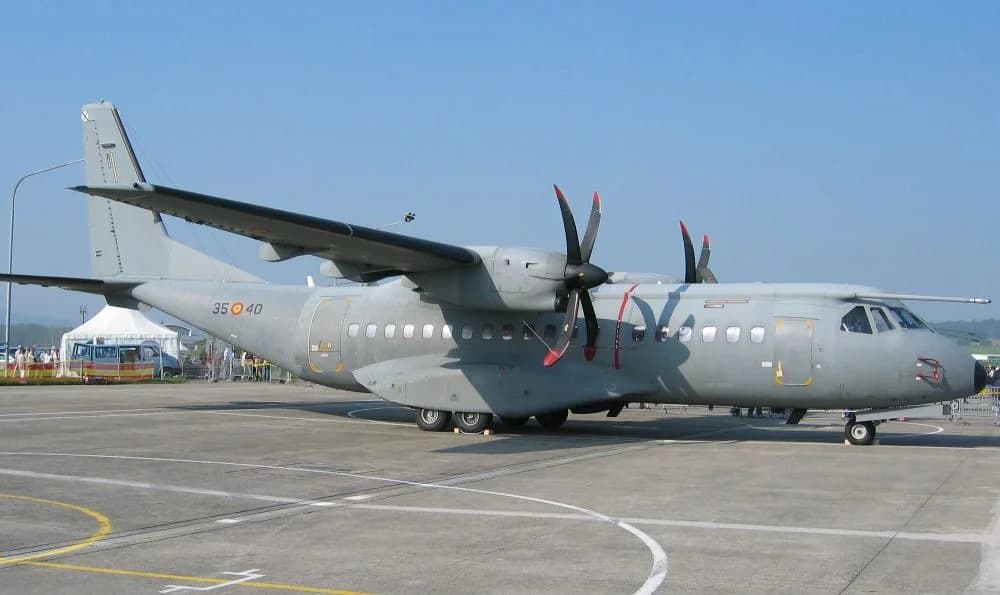
C-295
Effettuò il primo volo nel 1997 entrando successivamente in servizio attivo.
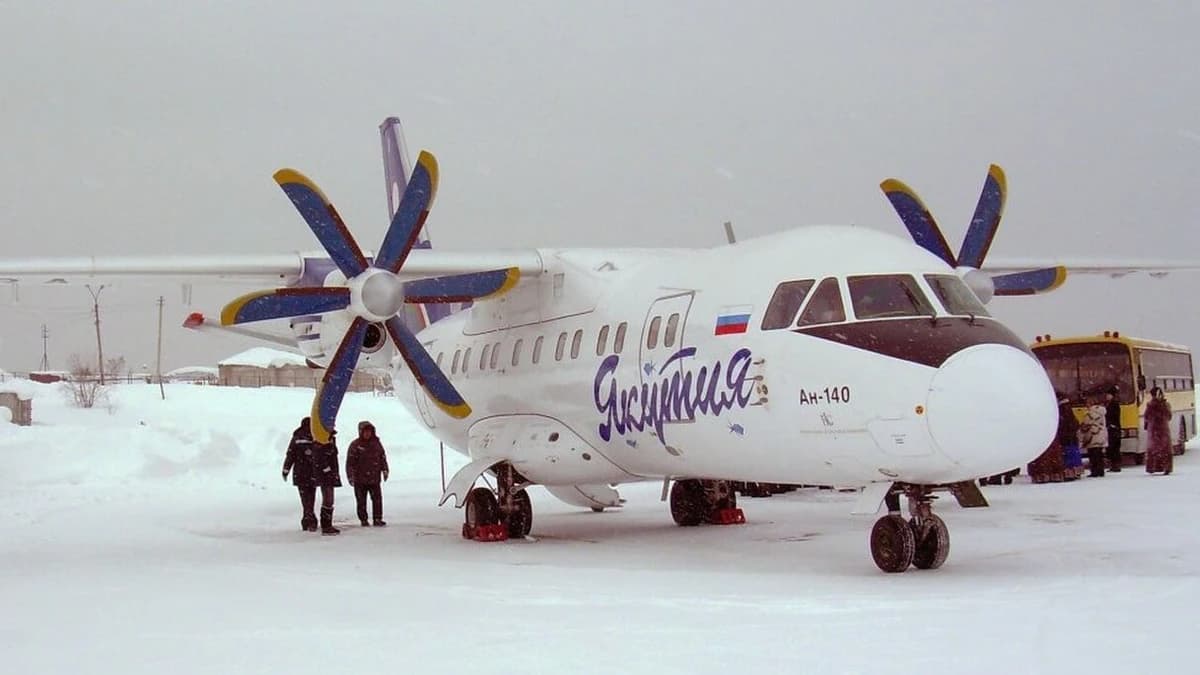
An-140
Effettuò il primo volo nel 1997 entrando successivamente in servizio attivo.
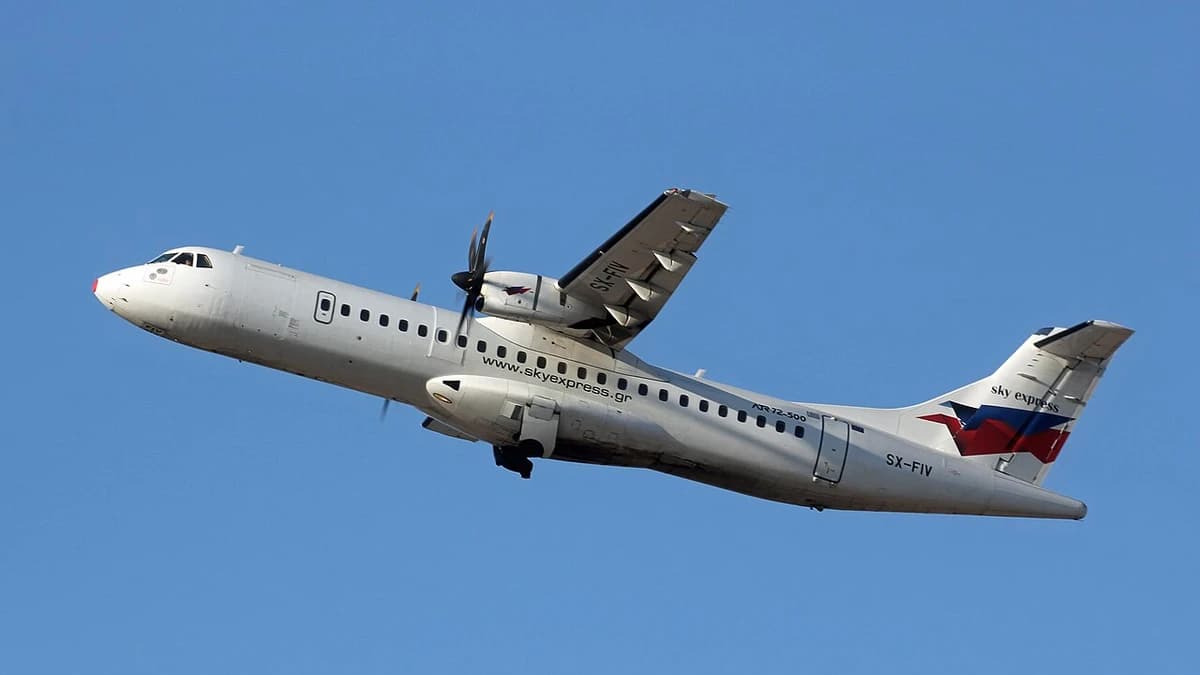
ATR 72-500
Effettuò il primo volo nel 1997 entrando successivamente in servizio attivo.
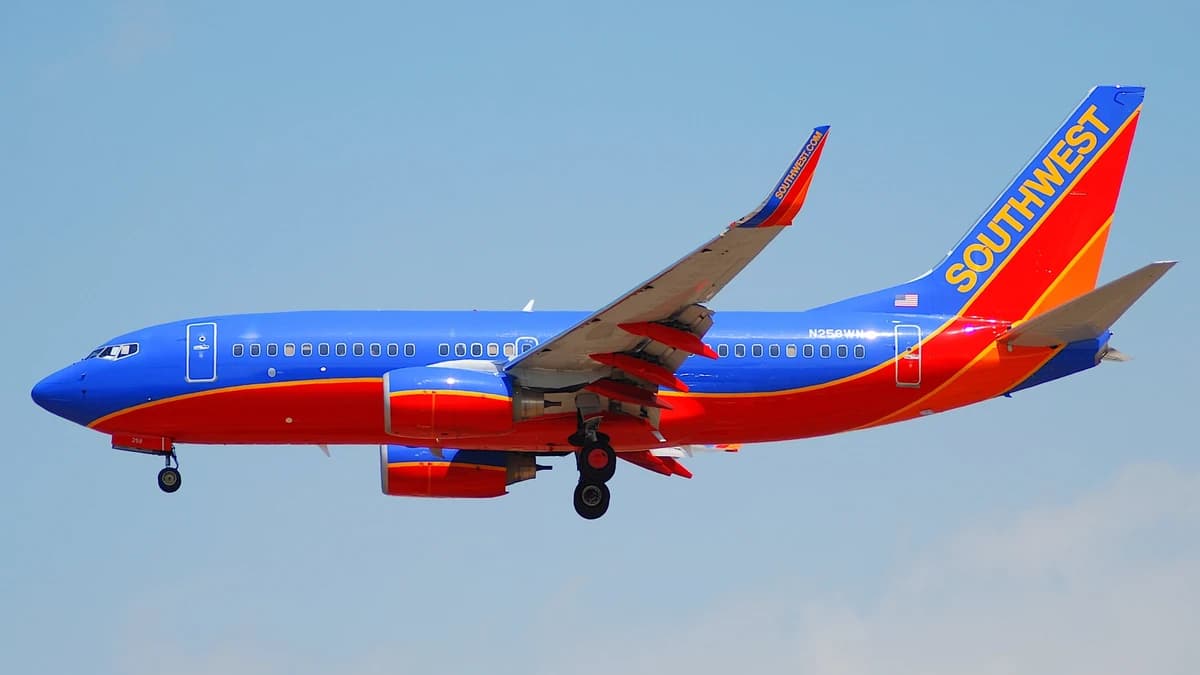
737-700
Effettuò il primo volo nel 1997 entrando successivamente in servizio attivo.
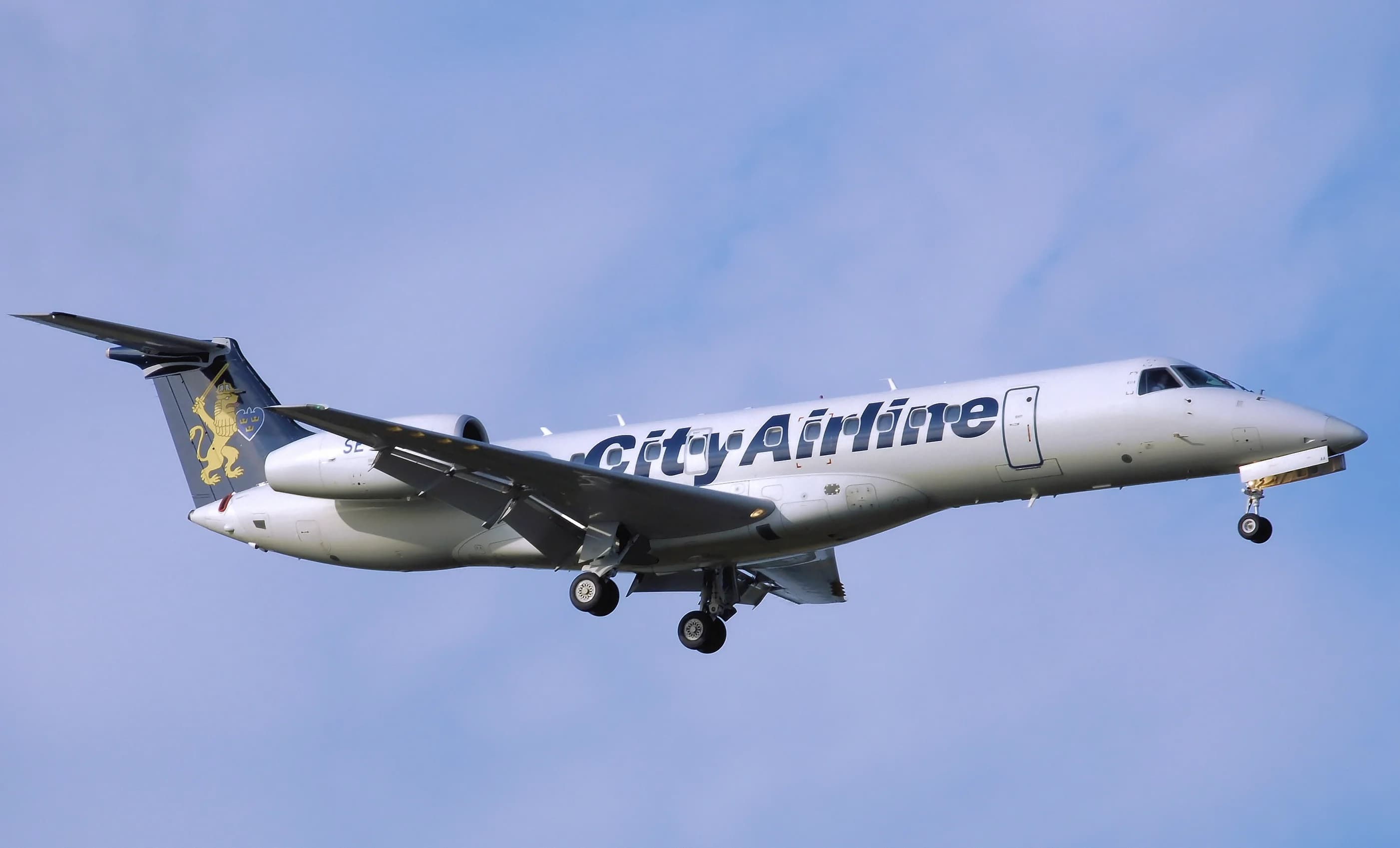
ERJ 135
Effettuò il primo volo nel 1997 entrando successivamente in servizio attivo.
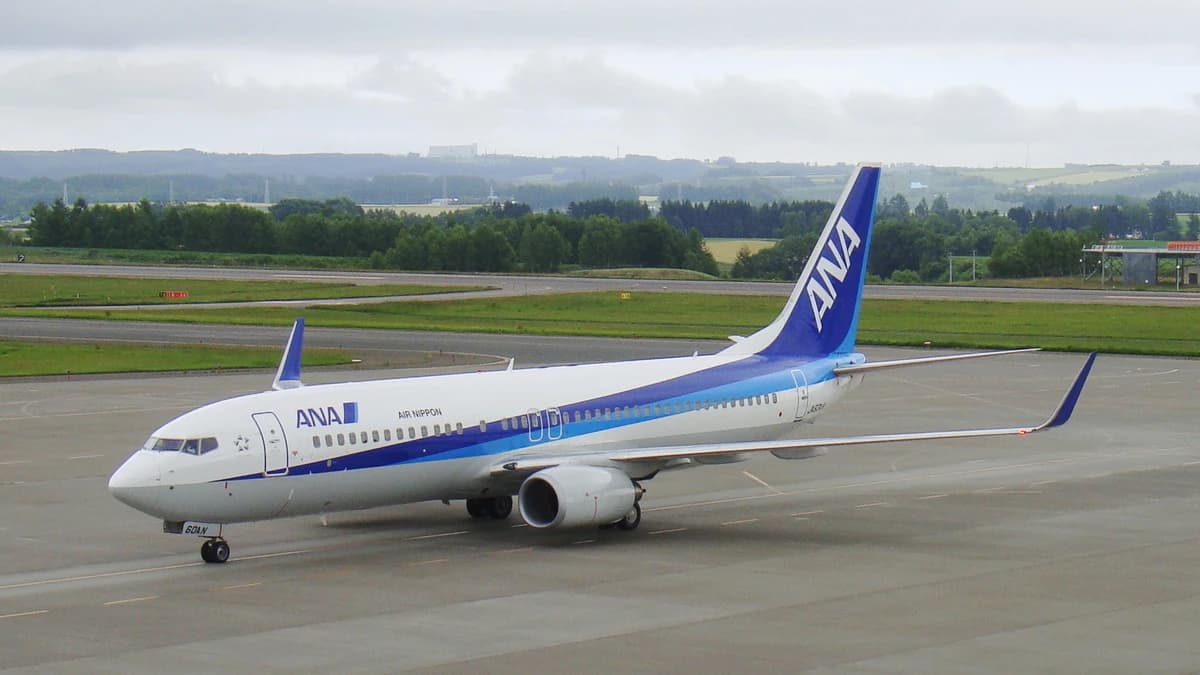
737-800
Effettuò il primo volo nel 1997 entrando successivamente in servizio attivo.
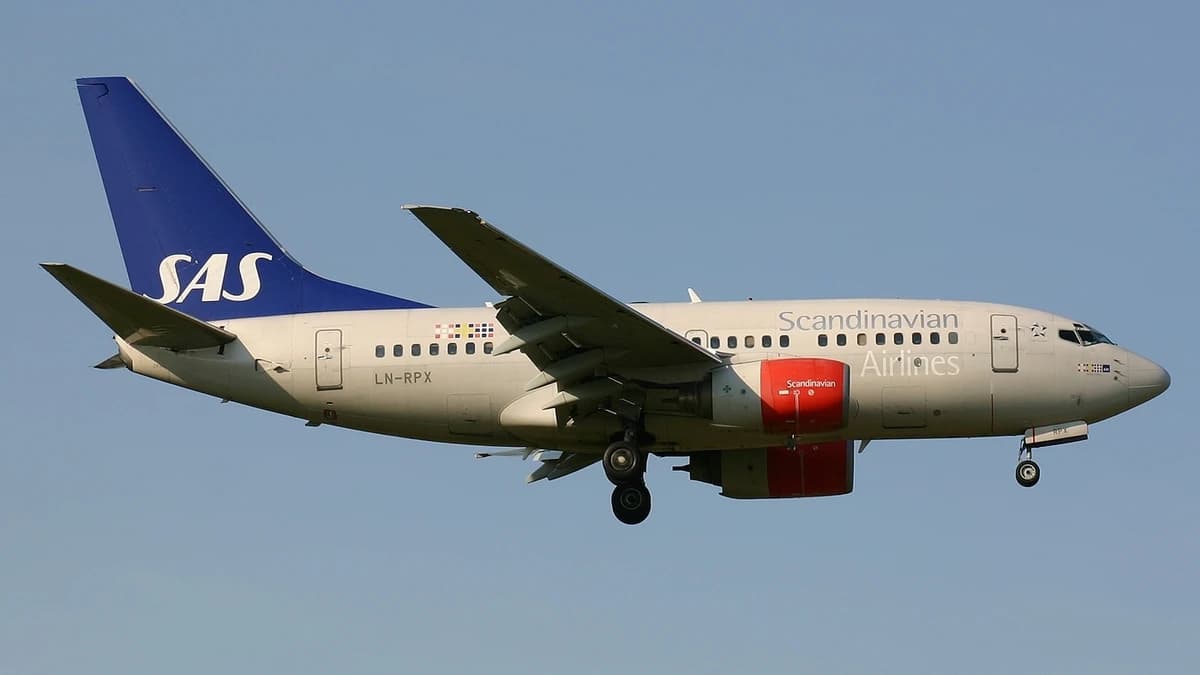
737-600
Effettuò il primo volo nel 1998 entrando successivamente in servizio attivo.
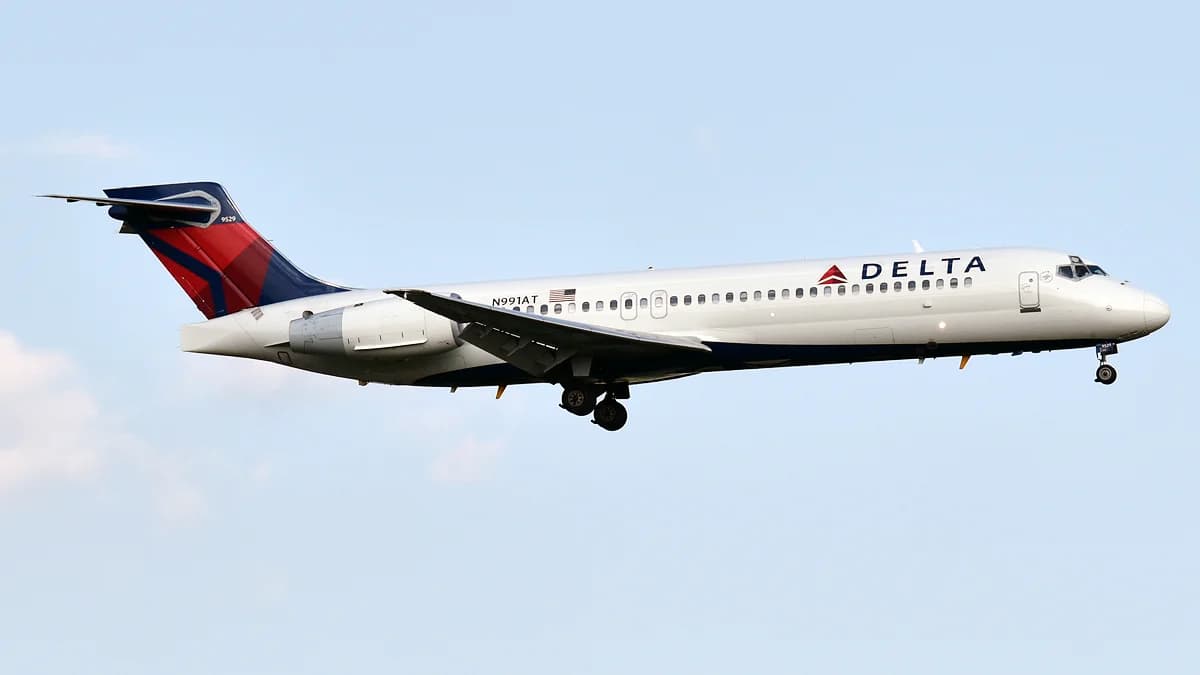
717-200
Effettuò il primo volo nel 1998 entrando successivamente in servizio attivo.
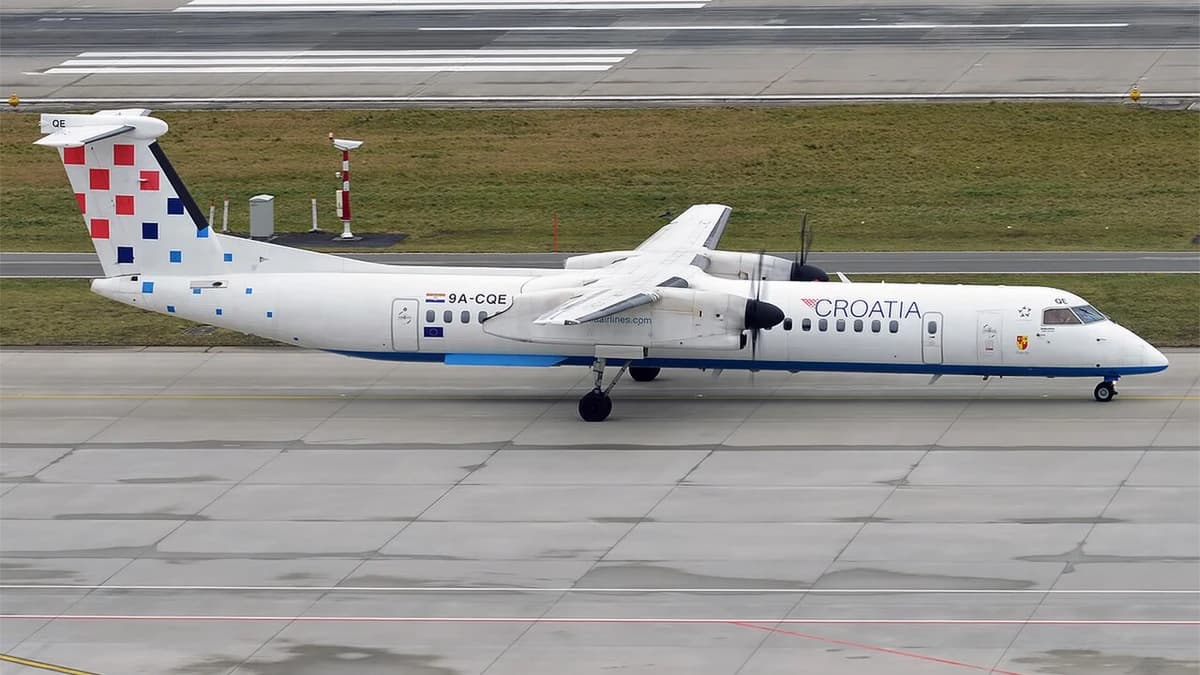
DHC-8-400 Q400
Effettuò il primo volo nel 1998 entrando successivamente in servizio attivo.
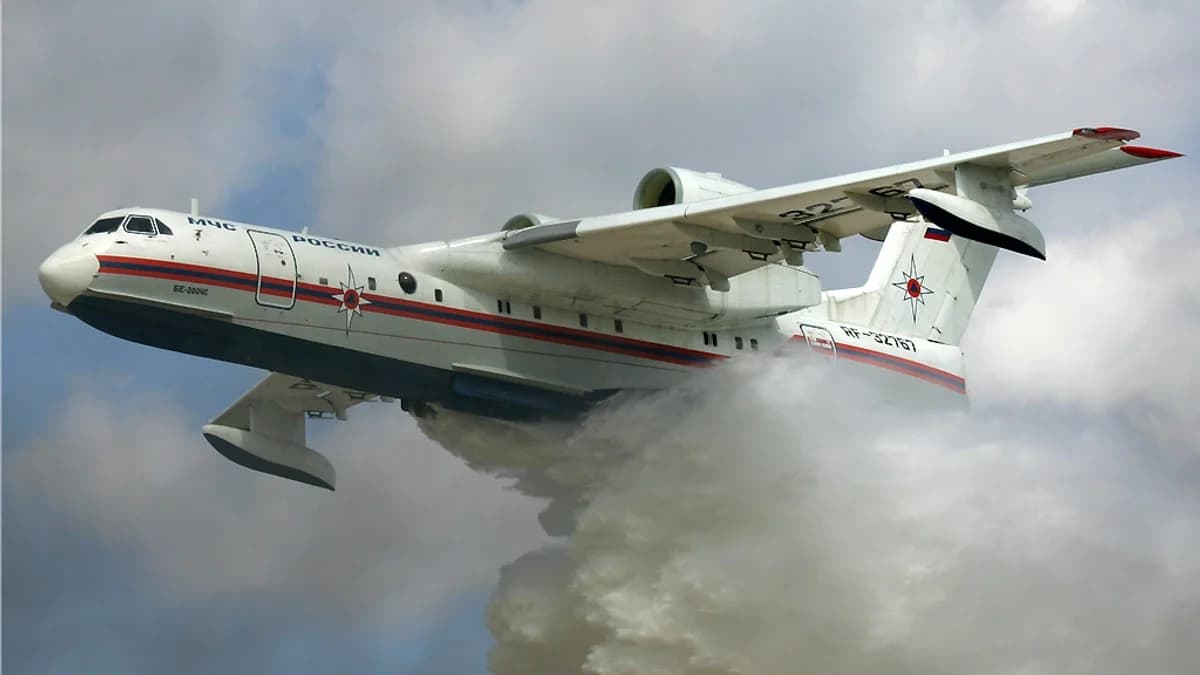
Be-200
Effettuò il primo volo nel 1998 entrando successivamente in servizio attivo.
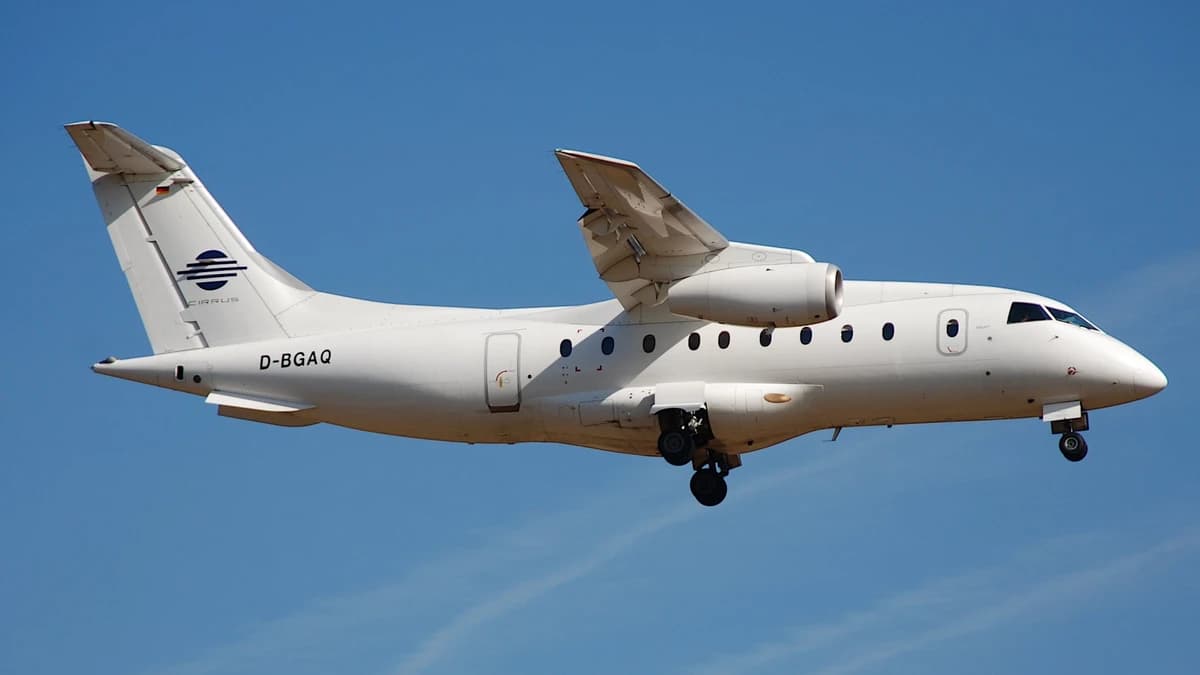
Dornier 328JET
Effettuò il primo volo nel 1998 entrando successivamente in servizio attivo.
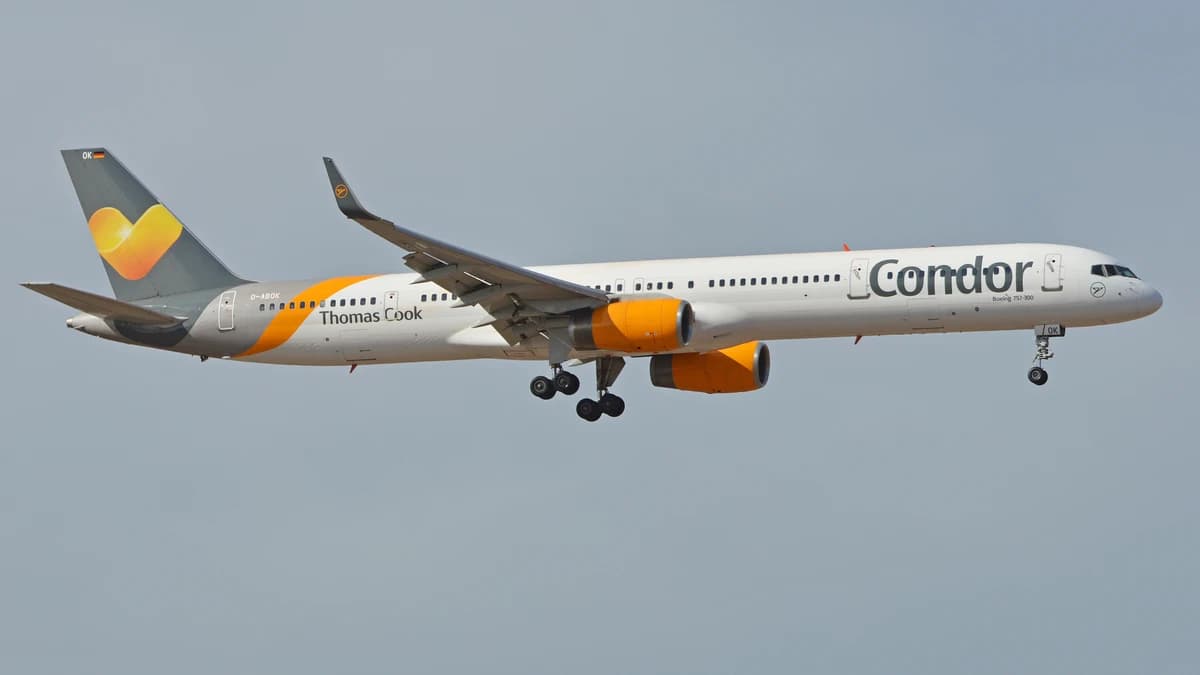
757-300
Effettuò il primo volo nel 1998 entrando successivamente in servizio attivo.
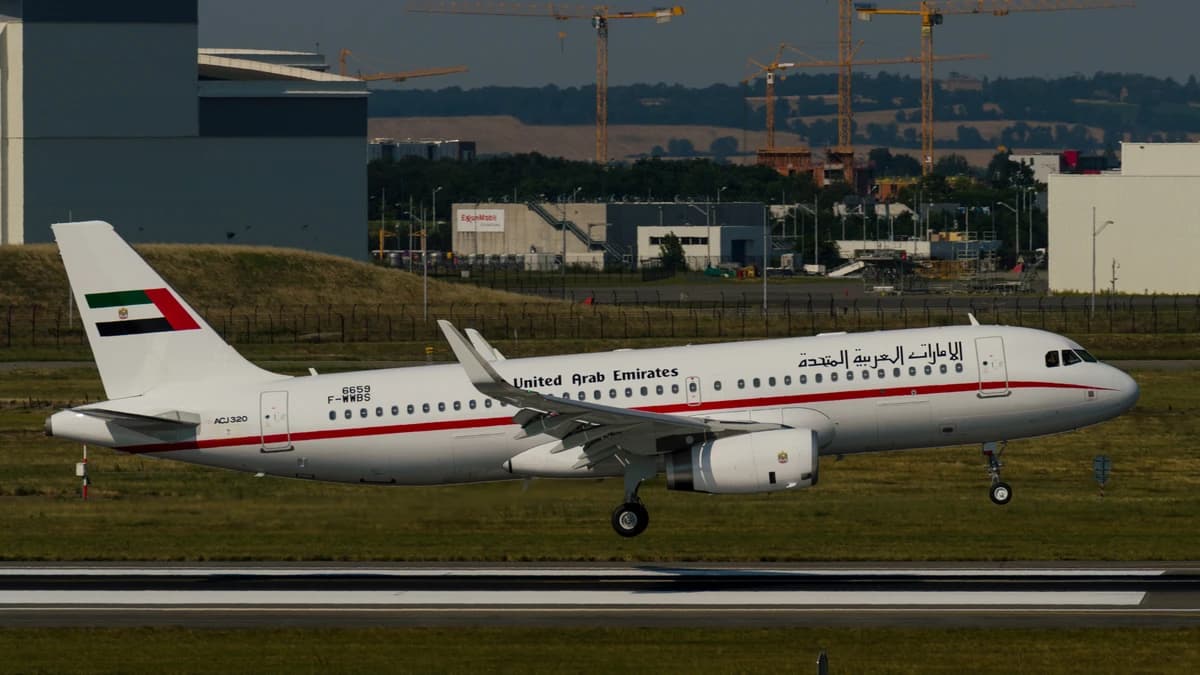
ACJ320
Effettuò il primo volo nel 1999 entrando successivamente in servizio attivo.
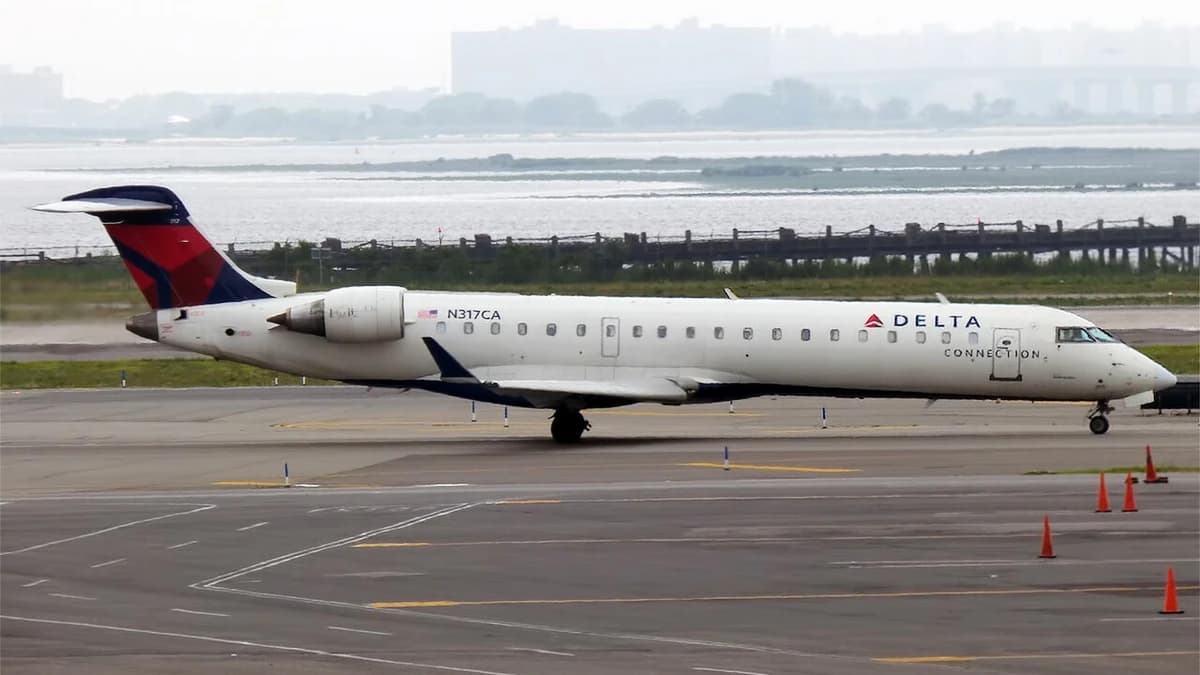
CRJ700
Effettuò il primo volo nel 1999 entrando successivamente in servizio attivo.
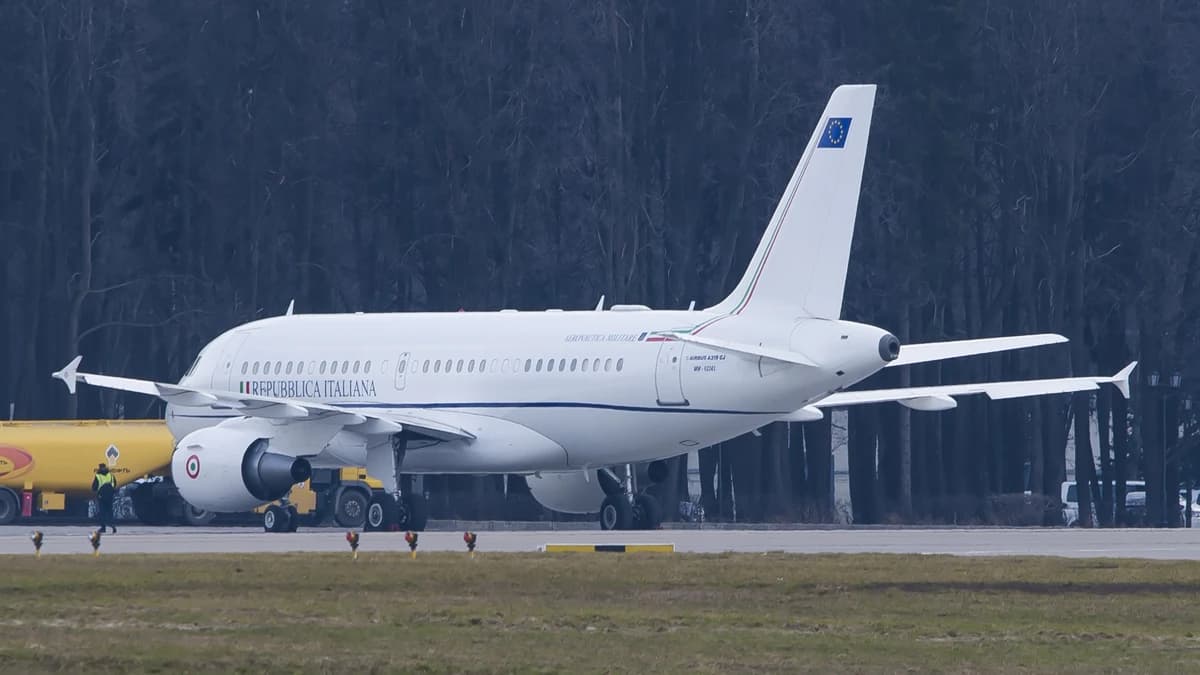
ACJ319
Effettuò il primo volo nel 1999 entrando successivamente in servizio attivo.