F28-4000
Fokker
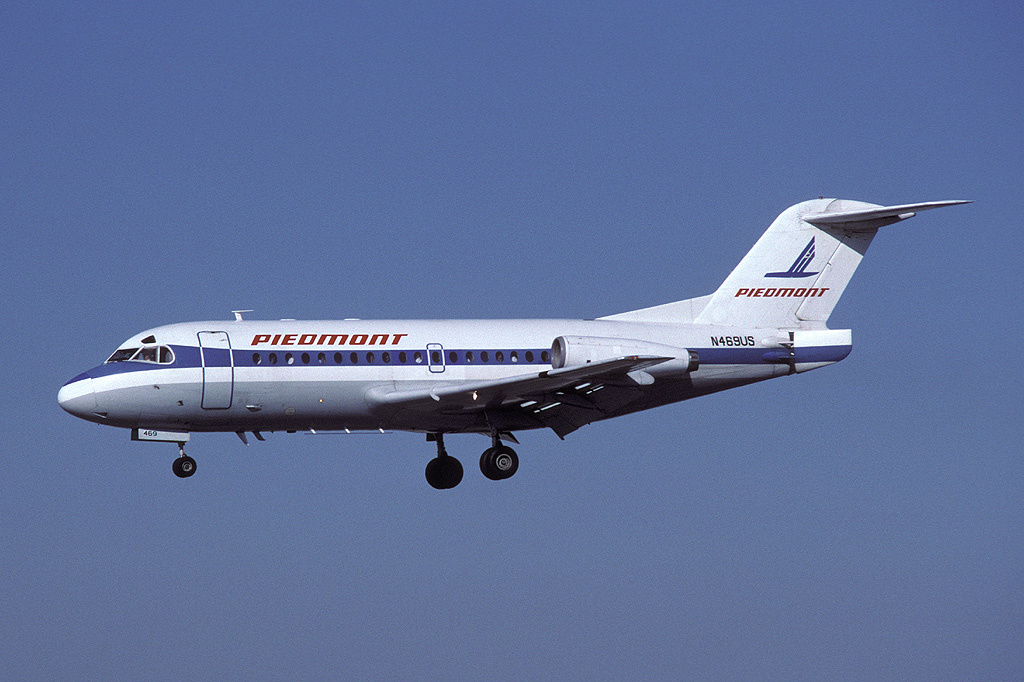
Historical Context & Origins
The Fokker F28 Fellowship, a name that evokes the golden era of regional jets, was born from the vision of the Dutch company Fokker to dominate the short-haul segment. Designed in the 1960s, the goal was to create a robust and reliable aircraft, capable of operating effectively on short runways and with a high frequency of flight cycles.
Since its first flight in 1967, the F28 stood out for its solid engineering and operational simplicity. The Fokker F28-4000 variant, however, represented the pinnacle of this evolution, responding to the growing demand for greater capacity and autonomy in the regional market. Its first flight was in 1976, cementing its position as the largest and best performing member of the Fellowship family.
Architecture & Technological Design
The F28-4000 design was a masterpiece of engineering pragmatism, featuring a high, clean wing and engines mounted in the tail section. This configuration, combined with a robust structure, ensured excellent short runway performance and remarkable wear resistance, crucial factors for regional operators.
The -4000 version stood out for its elongated fuselage, which allowed it to accommodate up to 85-95 passengers, a significant increase compared to previous models. The introduction of structural and aerodynamic modifications further improved its capabilities, maintaining the renowned reliability and ease of maintenance that characterized the entire F28 series.
Onboard Specifications
- ◆Rolls-Royce Spey 555-15P engines: Guarantee of reliable power and optimized consumption for short-haul flights.
- ◆Rear "petal" aerodynamic brakes: Unique and iconic system integrated into the tail, for efficient deceleration.
- ◆Clean, Robust Wing Design: Optimized for STOL (Short Take-Off and Landing) performance and heavy duty cycles.
Operational Career & Operators
Entering service in 1976, the Fokker F28-4000 quickly became a mainstay for numerous regional and mainline airlines seeking efficiency. Its ability to operate at less well-equipped airports made it ideal for expanding flight networks, reaching destinations previously inaccessible to larger jetliners.
Operators around the world, from Garuda Indonesia to Ansett Airlines in Australia, via African and European airlines, relied on the solidity and profitability of the F28-4000. Its operational longevity, extended well beyond what is expected for many examples, is a testament to the quality of its construction and the versatility of its design.
Legacy & Cultural Impact
The Fokker F28-4000 was not just an aircraft, but a precursor, demonstrating the vitality of the regional jet concept. Its legacy is tangible in the success of its successors, the Fokker 70 and Fokker 100, which inherited many of its technical solutions and operational philosophy, further raising the standard of the industry.
Considered a true "workhorse" by pilots and engineers, the F28-4000 is remembered for its handling and its solid engineering. It remains a symbol of Dutch aeronautical ingenuity, a plane that shaped the way people travel in regional networks and still commands admiration among aviation enthusiasts today.
Telemetria Specs (HUD)
Hangar Trivia & Curiosità
- 💡The F28 was notable for its 'petal-style' airbrakes, located on the sides of its rear fuselage, which opened to provide effective braking.
- 💡It was one of the first jet airliners specifically designed to operate from unpaved or gravel runways, making it versatile for remote regional services.
- 💡The F28 series, including the -4000, was replaced in production by the more modern and larger Fokker 70 and Fokker 100 aircraft.
Archivio Avvistamenti Spotter
Immagini scattate dalla community in tutto il mondo
Vettori Rilevati (Flotta Attiva)










Vettori Rilevati (Flotta Storica / Dismessa)


Germanair
Stato: Dismesso

Itavia
Stato: Dismesso
LTU International
Stato: Dismesso
Linjeflyg
Stato: Dismesso

Piedmont Airlines
Stato: Dismesso
Delta Air Lines
Stato: Dismesso
Cimber Air
Stato: Dismesso
Braathens Regional Airlines
Stato: Dismesso