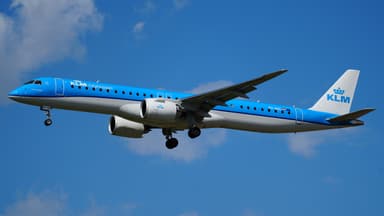
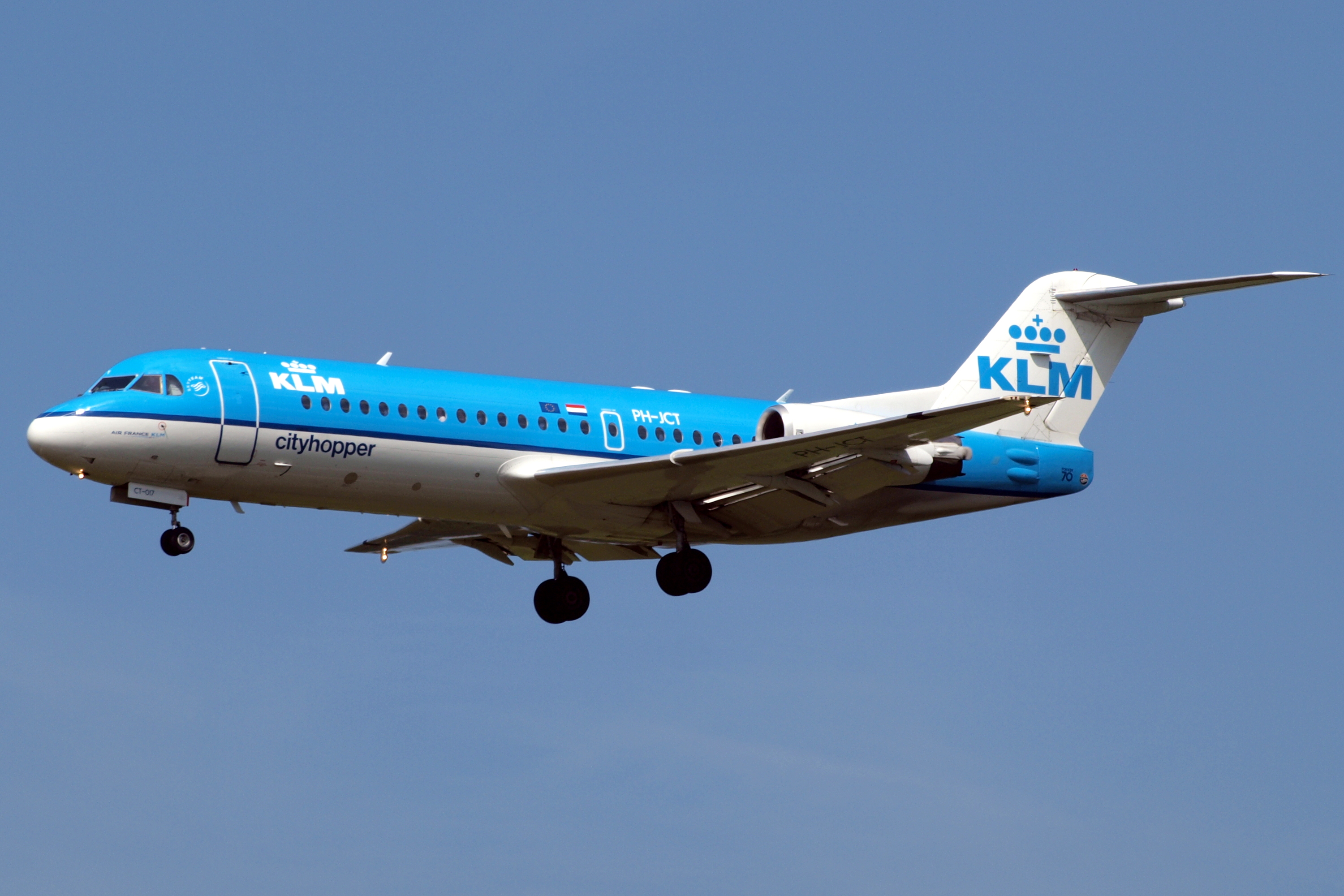
Fokker 70
Fokker
Historical Context & Origins
The Fokker 70 was born from the need for a modern regional jet, a direct evolution of the famous Fokker 100, but designed for short-medium range routes. Fokker intended to capitalize on its robust heritage, offering an efficient aircraft for a booming market segment.
This design aimed to bridge the gap between turboprops and larger jetliners, providing high-level comfort with optimized capacity. The first flight of the Fokker 70 occurred on 2 April 1993, ushering in a new era for Dutch regional aviation with a typical capacity of 79 passengers.
Architecture & Technological Design
The Fokker 70 design benefited from extensive parts commonality with the Fokker 100, providing operational and maintenance advantages. The fuselage was shortened by approximately 4.62 meters, while maintaining the popular cabin width for superior passenger comfort.
Advanced aerodynamics and lightweight materials contributed to remarkable efficiency, reducing costs and environmental impact. The two turbofans Rolls-Royce Tay 620 or 650, the same as the Fokker 100, provided the necessary thrust and excellent fuel efficiency, essential for regional routes.
Onboard Specifications
- ◆Honeywell EFIS Digital Avionics: Modern cockpit with digital displays that improved pilots' situational awareness.
- ◆Spacious Cabin with 5 Seats per Row: The width of the cabin allowed for a comfortable 2+3 or 3+2 configuration, superior to many regional competitors.
- ◆Advanced High-Lift Devices: Winglets and a sophisticated slat/flap system ensured excellent take-off and landing performance, even on shorter runways.
Operational Career & Operators
The Fokker 70 quickly established itself, chosen by companies such as KLM Cityhopper, Austrian Airlines and British Midland for its reliability and robustness. It stood out for its versatility, successfully operating on short and medium range routes with frequent flight cycles.
The ability to operate at airports with noise restrictions or on challenging runways made it a valuable asset for regional fleets. Unfortunately, Fokker's bankruptcy in 1996 stopped production, limiting the number of units built to just 47 units.
Legacy & Cultural Impact
Despite limited production, the Fokker 70 left a lasting impression on regional aviation thanks to its impeccable construction qualities. It is still appreciated today for its reliability and the flight comfort it offers passengers.
Many continue to fly in specialized roles, such as VIP and government charter flights, a testament to its engineering excellence. Its structural strength and affordable maintenance make it a still viable and sought-after option in the secondary market.
The Fokker 70 embodies Dutch engineering, balancing efficiency, comfort and performance in a compact design. Its story is a fascinating tribute to timeless aeronautical design, which continues to inspire enthusiasts.
Telemetria Specs (HUD)
Hangar Trivia & Curiosità
- 💡The Fokker 70 shares a high degree of commonality (over 90%) with its larger sibling, the Fokker 100, including the cockpit, wings, and fuselage cross-section.
- 💡It was developed in response to market demand for a smaller capacity jet aircraft to replace older turboprops and smaller jet types on regional routes.
- 💡Production of the Fokker 70 ceased in 1997, following the bankruptcy of Fokker Aircraft, making it one of the last aircraft types to be delivered by the Dutch manufacturer.
Archivio Avvistamenti Spotter
Immagini scattate dalla community in tutto il mondo