ERJ 140
Embraer
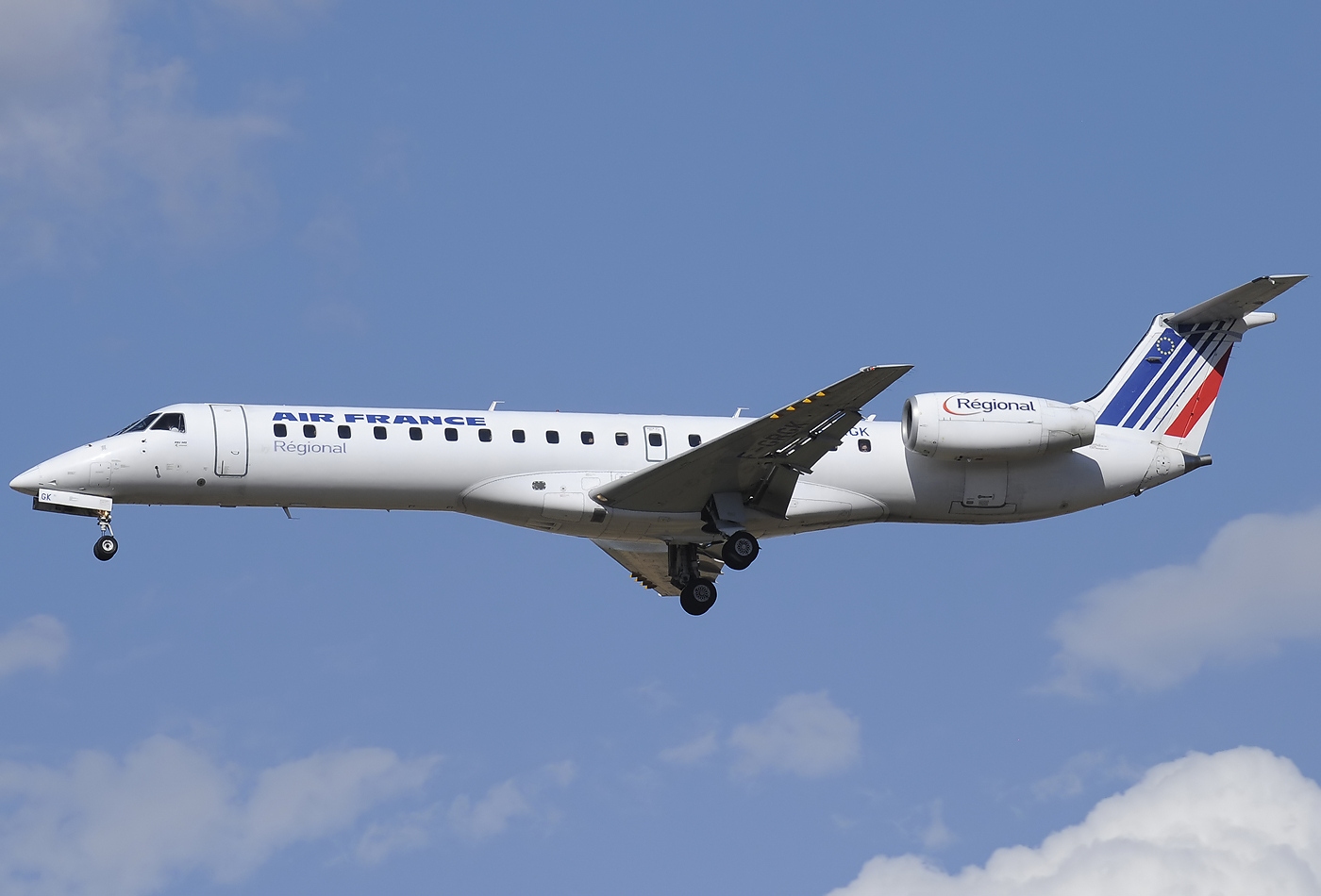
Historical Context & Origins
The Embraer ERJ 140 emerged at the dawn of the new millennium, a period of fervent evolution for regional aviation. Born from the extraordinary experience of the Brazilian manufacturer with the ERJ 145 family, this model represented a strategic response to a specific market niche.
Growing demand for more efficient regional aircraft with slightly lower capacity than the standard 50 seats of the ERJ 145 led Embraer to conceive an optimized variant. The goal was to offer carriers unprecedented operational flexibility, while maintaining high standards of reliability and low costs.
Its first flight, which occurred in 2000, marked the introduction of a 44-seater jet that slotted neatly between the ERJ 135 (37 seats) and the ERJ 145. This intelligent derivation ensured considerable commonality of parts and systems, a crucial advantage for airlines already operating other models in the series.
Architecture & Technological Design
The architecture of the ERJ 140 is a brilliant example of modular engineering, sharing most of its structure with its bigger and smaller brothers. Its design retained the iconic low wings and rear-mounted engines configuration, a distinctive feature of the ERJ family that offers advantages in terms of cabin noise.
The fuselage, although shortened compared to the ERJ 145, retained the same cross-section, ensuring high passenger comfort for its category. Attention to detail extended to advanced materials and construction techniques that contributed to its structural strength and light weight operation, key elements for cost efficiency.
The propulsion heart of the ERJ 140 consisted of two reliable Rolls-Royce AE 3007A turbofan engines, positioned in individual nacelles under the wing. These thrusters were known for their efficiency, low noise and proven reliability, essential for regional operations with frequent flight cycles.
Onboard Specifications
- ◆Honeywell Primus 1000 Digital Avionics: A sophisticated “glass cockpit” that provided pilots with comprehensive, integrated flight information on multifunction LCD screens, improving situational awareness.
- ◆Supercritical Wing Design: Optimized for high-speed cruising, reducing drag and improving fuel efficiency on regional routes.
- ◆Rolls-Royce AE 3007A Engines: High bypass turbofans that provided reliable thrust and excellent performance in terms of fuel consumption and low noise emissions, essential for airport operations.
Operational Career & Operators
The ERJ 140 quickly found its niche, particularly in the North American market, where regional airlines such as American Eagle (operated by Envoy Air) became primary operators. Its capacity of 44 passengers proved ideal for connecting medium-sized cities with larger hubs, strengthening the widespread network of large companies.
Its operational reliability and low operating costs made it a valuable asset for airlines that needed to maximize efficiency on moderate-demand routes. The aircraft made it possible to replace less fast turboprops or to inaugurate new routes that did not justify the use of larger aircraft.
Although it did not reach the sales numbers of the ERJ 145, the ERJ 140 played a crucial role for carriers who needed an "intermediate" aircraft. Its flexibility has allowed flight planning to be optimized, helping to keep regional connectivity alive in many areas.
Legacy & Cultural Impact
The ERJ 140, despite being a specific link in the ERJ chain, has significantly contributed to solidifying Embraer's reputation as the undisputed leader in the regional jet sector. It demonstrated the Brazilian manufacturer's ability to innovate and adapt to the changing needs of the market, offering tailor-made solutions.
The modular design philosophy and commonality of parts and procedures with other members of the ERJ family proved to be a successful model, influencing future generations of regional aircraft. The experience acquired with the ERJ 140 certainly provided valuable lessons for the development of the subsequent, and even more successful, Embraer E-Jet family.
Today, although many examples have been retired or replaced, the ERJ 140 remains a symbol of Brazilian aeronautical ingenuity and its ability to create aircraft that are robust, efficient and fit for purpose. His legacy lies in his ability to have diligently served communities, connecting people and places.
Telemetria Specs (HUD)
Hangar Trivia & Curiosità
- 💡The ERJ 140 shares a high degree of commonality (over 95%) with its ERJ 135 and ERJ 145 siblings, which greatly reduces pilot training and maintenance costs.
- 💡It was specifically developed to target the U.S. '50-seat equivalent' regional jet market, due to unique airline contract requirements at the time.
- 💡The ERJ 140, along with the other ERJ models, contributed significantly to Embraer's rise as a global leader in regional aircraft manufacturing.
Archivio Avvistamenti Spotter
Immagini scattate dalla community in tutto il mondo