ERJ 135
Embraer
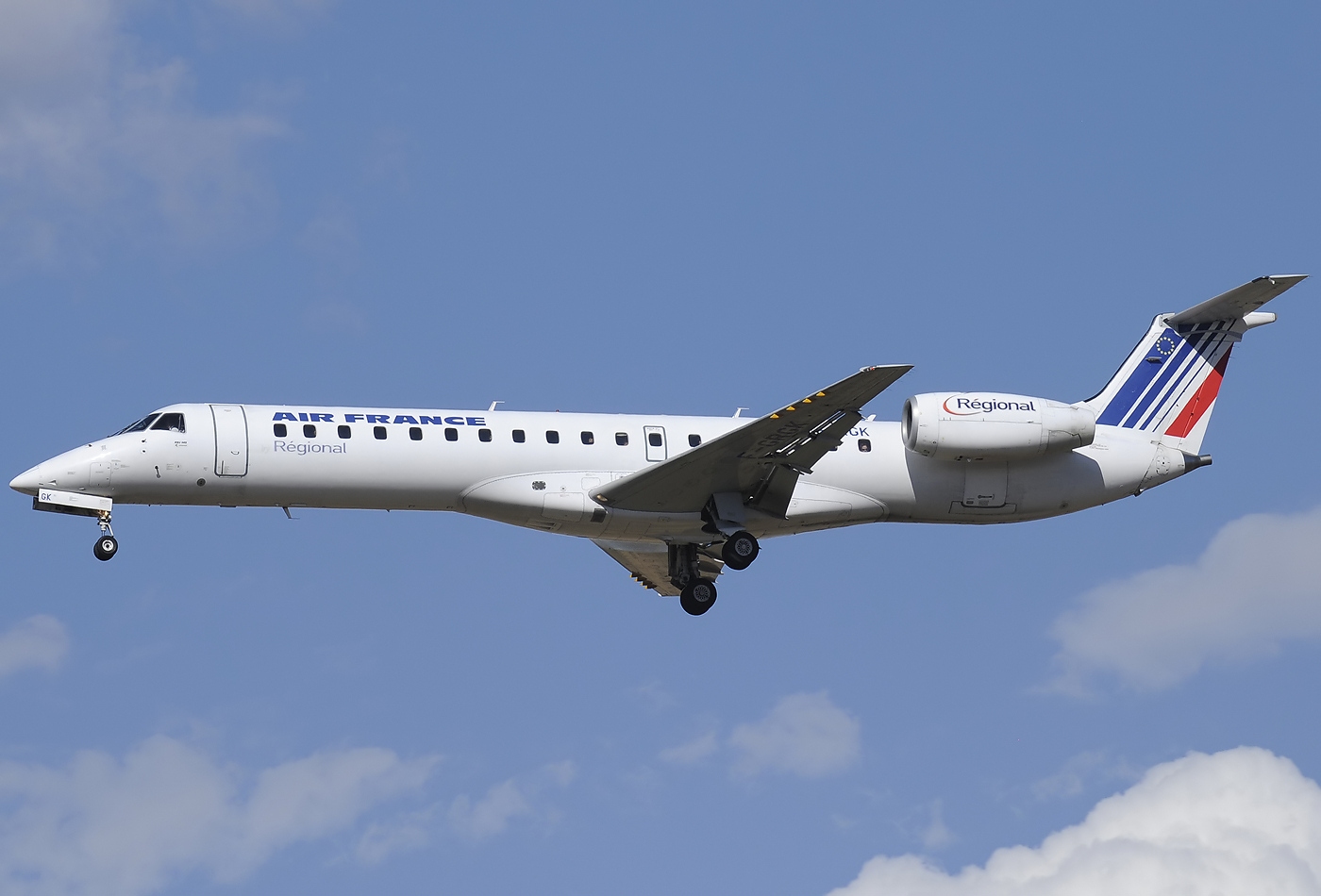
Historical Context & Origins
The Embraer ERJ 135 emerges as a strategic response to the growing demand for efficient regional aircraft, consolidating the Brazilian manufacturer's position in the global aeronautical market. Born from the proven platform of the successful ERJ 145 series, this reduced capacity variant aimed to optimize profitability on low passenger traffic routes.
Its first flight occurred in 1998, positioning itself as a crucial pillar in Embraer's strategy to offer a modular family of regional jets. The ERJ 135 was conceived to serve routes that did not justify the greater capacity of its brother, the ERJ 145, while offering the same advantages in terms of performance and comfort.
Architecture & Technological Design
The ERJ 135 shares much of its robust architecture with its bigger brother, characterized by a low-wing configuration and a distinctive T-tail. This design choice not only optimizes aerodynamic performance, but also facilitates ground operations, making it a valuable asset for regional airlines.
Propulsion is entrusted to two powerful Rolls-Royce AE 3007A turbofan engines, strategically mounted in the rear part of the fuselage. This arrangement significantly reduces cabin noise, improving the flight experience for passengers while ensuring high reliability and consistent performance.
The cockpit is equipped with the advanced Honeywell Primus 1000 EFIS (Electronic Flight Instrument System) avionics system, offering pilots an intuitive interface and comprehensive flight data. This digital system has helped raise the standards of safety and operational efficiency of the entire ERJ family.
Onboard Specifications
- ◆Passenger capacity: Optimized for 37 seats, perfect for medium and low density regional routes.
- ◆Extended autonomy: up to approximately 2,800 km, ensuring connectivity between more distant cities.
- ◆Efficient cruising speed: reaches approximately 834 km/h, combining speed and low fuel consumption.
Operational Career & Operators
The Embraer ERJ 135 quickly found its place in the competitive regional aviation market, becoming a workhorse for numerous air carriers. Airlines such as American Eagle and ExpressJet Airlines have used it extensively to connect smaller communities to their major hubs.
Its versatility and operational economy have made it ideal not only for scheduled routes, but also for charter services and corporate operations. The ability to operate on shorter runways and with limited infrastructure has significantly expanded its area of use, contributing to greater capillarity of air services.
Even today, despite the introduction of more modern aircraft, many ERJ 135s continue to fly actively, testifying to their durability and the effectiveness of the original design. Its reputation for reliability has cemented airlines' confidence in this regional jet.
Legacy & Cultural Impact
The Embraer ERJ 135 has left an indelible mark on regional aviation, helping to set the standard for small jets. Its introduction demonstrated Embraer's ability to innovate and adapt to specific market needs, consolidating its position as a leader in the segment.
Its legacy is reflected in the next generation of Embraer aircraft, including the E-Jets, which capitalized on the success and lessons learned from the ERJ family. The ERJ 135 is a symbol of efficient connectivity, which has made air travel accessible to more cities and passengers.
This aircraft has been a vital link in the regional aviation chain, facilitating economic and social growth in numerous geographic areas. Its operational history is a clear testimony to Brazilian engineering and its far-sighted vision in the global aviation industry.
Telemetria Specs (HUD)
Hangar Trivia & Curiosità
- 💡The ERJ 135 is a 'shrink' version of the larger 50-seat Embraer ERJ 145, maintaining high commonality in parts and pilot training.
- 💡Its launch customer was Continental Express (operating as ExpressJet Airlines) in 1999, which became a major operator of the ERJ family.
- 💡The airframe has also been adapted for special missions and executive transport, offering customized VIP configurations beyond its regional airline role.
Archivio Avvistamenti Spotter
Immagini scattate dalla community in tutto il mondo