A300B1
Airbus
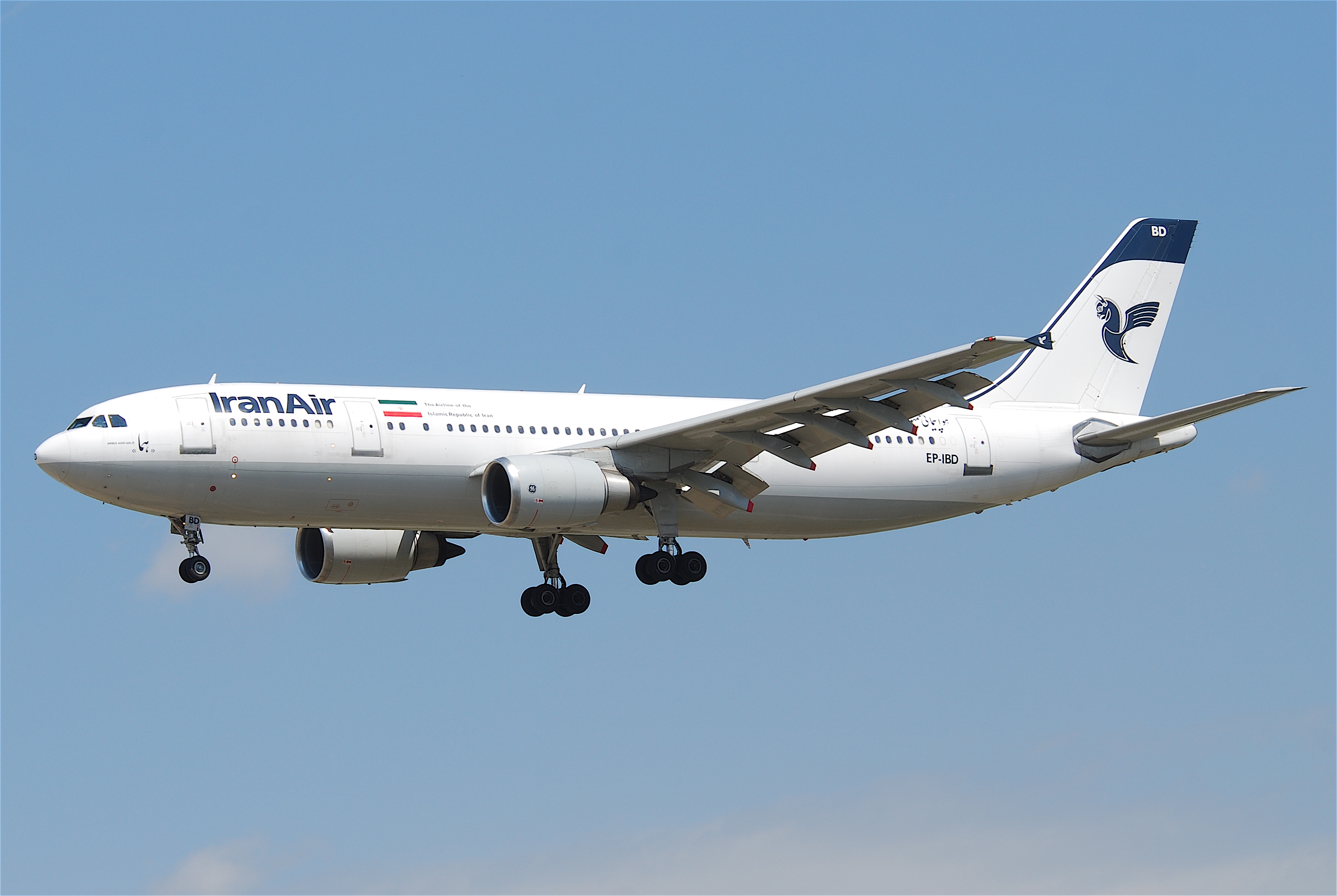
Historical Context & Origins
The first flight of the Airbus A300B1, which took place on 28 October 1972, was not only a technical achievement, but a true manifesto of European ambition. This event marked the birth of a new giant in the aviation industry, destined to challenge the consolidated American dominance in the airliner sector. Europe was looking for a united and innovative response to the growing demand for medium-range, high-capacity flights.
The genesis of the A300 dates back to the 1960s, when the need for an efficient aircraft for transporting passengers on continental routes prompted collaboration between different nations. The project was born from the fusion of ideas and resources from France, Germany and the United Kingdom, culminating in the founding of the Airbus Industrie consortium in 1970. The goal was to create a wide-body aircraft with a capacity of approximately 250-300 passengers, smaller and more optimized than the American giants, but with the same modernity.
The A300B1 was the realization of this vision, the first flying incarnation of a wide-body airliner with just two engines, a bold concept for its time. Its development aimed to offer lower operating costs and greater flexibility than four-engine aircraft, setting a new standard of efficiency for medium-range flights.
Architecture & Technological Design
The Airbus A300B1 immediately stood out for its avant-garde architecture. It was the world's first twin-engine wide-body aircraft, a configuration that was considered revolutionary and risky at the time, as most wide-body aircraft were four-engined. This design choice allowed a significant reduction in fuel consumption and maintenance costs, a crucial competitive advantage.
The B1's aerodynamic design incorporated cutting-edge technologies, such as a supercritical wing developed by Hawker Siddeley, which improved efficiency at cruising speed and reduced drag. The wide and comfortable fuselage was designed to maximize space for passengers and cargo, making the flying experience more pleasant and operation more versatile for airlines.
Another key innovation was the adoption of a high degree of standardization of components and systems between the different models of the future A300 family. This modular approach, ahead of its time, simplified production, staff training and maintenance, further reducing operating costs and laying the foundation for Airbus' long-term success.
Onboard Specifications
- ◆Two-aisle wide-body cabin: A first in Europe for a twin-engine aircraft, it offered superior passenger comfort and unprecedented cargo carrying capacity.
- ◆General Electric CF6-50A engines: The choice of powerful and efficient engines, a first for a European aircraft in this category, guaranteed exceptional performance and reliability.
- ◆Advanced cockpit for its time: Designed to reduce pilot workload, with an ergonomic layout and the integration of modern avionics, anticipating future developments in the sector.
Operational Career & Operators
The Airbus A300B1, as a prototype and development aircraft, had a limited operational career, mainly dedicated to testing and certification. Its importance lies in having paved the way for subsequent variants, such as the A300B2 and A300B4, which would later enter mass commercial service. The success of the B1 test flights was crucial to confidence in the project.
The commercial launch of the A300, thanks to subsequent variants, saw Air France as the first carrier to operate the A300B2 in 1974. Initially, the US market was skeptical of the concept of a twin-engine wide-body aircraft. However, a historic order by Eastern Air Lines in 1977 changed global perception, demonstrating the aircraft's efficiency and reliability.
The A300 became a workhorse for many airlines around the world, prized for its versatility, low operating costs and ability to serve high-density medium-haul routes. From its European base, the A300 rapidly extended its influence, cementing Airbus' reputation as a reliable and innovative manufacturer.
Legacy & Cultural Impact
The Airbus A300B1, while not a direct commercial success in terms of units sold, is the cornerstone on which the entire Airbus was built. It demonstrated the feasibility and effectiveness of the twin-engine wide-body aircraft concept, which became an industry standard and allowed the evolution of aircraft such as the A330 and A350, rulers of today's skies.
Its cultural and technological impact is incalculable. It symbolized Europe's ability to compete at the highest levels in the aerospace sector, promoting transnational cooperation as a model of success. The A300 not only launched a company, but redefined market expectations in terms of efficiency, comfort and operational sustainability, anticipating the challenges of the future.
The legacy of the A300B1 lives on in every Airbus aircraft that takes to the skies today. It was the courage to develop such an innovative aircraft in an era dominated by other concepts that made Airbus' rise to global aeronautical giant possible. It is an enduring symbol of ingenuity, collaboration and pioneering vision, a true cornerstone in the history of commercial aviation.
Telemetria Specs (HUD)
Hangar Trivia & Curiosità
- 💡Only two A300B1 production aircraft were ever built, both delivered to Air France, making it an exceptionally rare variant.
- 💡The A300 was the first aircraft to be assembled in Toulouse, France, by the then-newly formed Airbus Industrie consortium, uniting European aerospace efforts.
- 💡Its advanced wing design, developed in collaboration with Dornier, provided excellent aerodynamic efficiency, crucial for its twin-engine, wide-body operation.
Archivio Avvistamenti Spotter
Immagini scattate dalla community in tutto il mondo

