A300B4
Airbus
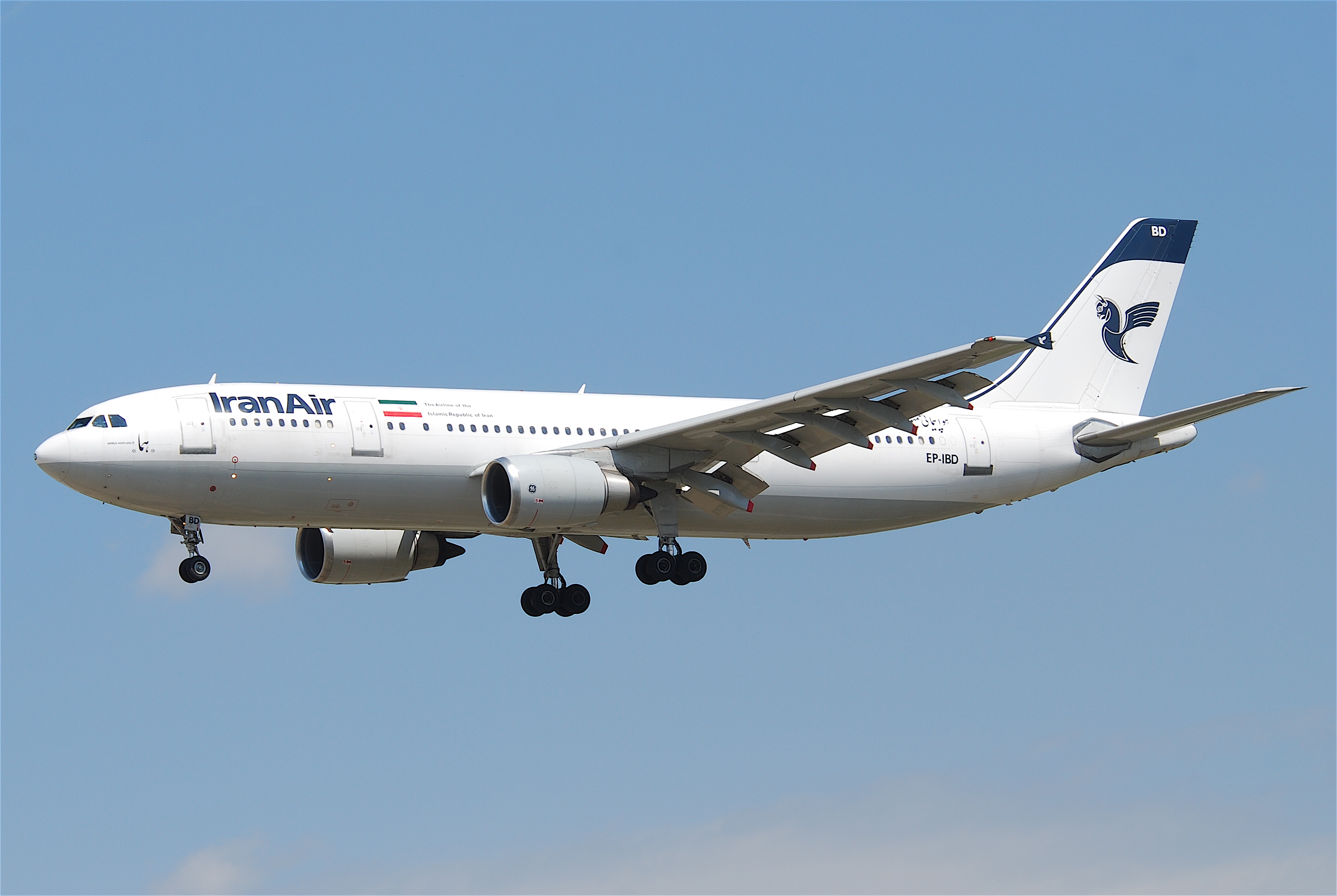
Historical Context & Origins
The Airbus A300B4 represents an absolute milestone in the history of civil aviation: it was the first wide-body (twin-aisle) airliner powered by just two engines (twin-jet). Developed by the European Airbus consortium in the early 1970s to challenge the hegemony of the American three- and four-engine giants, the A300 demonstrated that a large twin-jet could be safe, incredibly efficient and economical.
The A300B4 version, which took off in 1974 and entered service in 1975, was the first highly commercially successful long-range variant, equipped with an additional central fuel tank and improved leading edge flaps to increase maximum take-off weight and operational range.
Architecture & Technological Design
The key innovation of the A300 was the adoption of only two high-bypass-ratio turbofan engines, the General Electric CF6-50C or the Pratt & Whitney JT9D-59A, mounted under the wings. This choice allowed significantly lower fuel consumption compared to contemporary three-engine aircraft such as the DC-10 or the L-1011 TriStar.
The fuselage, 5.64 meters wide, allowed a comfortable double aisle configuration with 8 seats per row (2+4+2), while maximizing the space in the lower deck to accommodate standard LD3 cargo containers, a feature that made it very popular for cargo transport.
Onboard Specifications
- ◆World's first wide-body twin-jet engine, paving the way for future long-range ETOPS flight rules
- ◆Highly aerodynamically efficient wings designed by Hawker Siddeley's UK partners
- ◆Advanced flight control systems with autopilot for landing in low visibility conditions
Operational Career & Operators
The launch customer of the A300 was Air France. Although initial sales were slow, the model took off commercially thanks to acquisition by large US airlines such as Eastern Air Lines, which initially leased four examples demonstrating extraordinary fuel savings.
In Europe and around the world it was purchased in large quantities by leading carriers such as Lufthansa, Alitalia and Singapore Airlines. Many A300B4s were later converted into cargo aircraft (A300B4-F), flying for decades for cargo operators such as FedEx and DHL.
Legacy & Cultural Impact
The A300 founded Airbus's commercial success as a global competitor to Boeing. Without the success of the A300, subsequent models such as the A310, A330 or A380 would never have existed.
It demonstrated the reliability and efficiency of wide-body twin-jet engines, leading to the progressive disappearance of long-range commercial three-engine aircraft and defining the modern civil aviation landscape focused on maximum operating efficiency.
Telemetria Specs (HUD)
Hangar Trivia & Curiosità
- 💡L'A300B4 fu il primo velivolo di linea commerciale a utilizzare materiali compositi per parti significative della struttura primaria, riducendone il peso morto.
- 💡Per promuovere l'aereo negli Stati Uniti, Airbus noleggiò gratuitamente quattro A300 a Eastern Air Lines per sei mesi, una scommessa commerciale audace che fruttò un ordine di 23 velivoli.
- 💡L'A300 stabilì la larghezza standard della fusoliera Airbus wide-body che fu successivamente ereditata quasi identica dal modello A310 e dal fortunato bireattore A330.
Archivio Avvistamenti Spotter
Immagini scattate dalla community in tutto il mondo
Vettori Rilevati (Flotta Attiva)

China Airlines
In Flotta: x8 u.

Lufthansa
In Flotta: x11 u.

Air France
In Flotta: x17 u.
Pakistan International Airlines
In Flotta: x6 u.
EgyptAir
In Flotta: x8 u.
Thai Airways
In Flotta: x14 u.
Garuda Indonesia
In Flotta: x11 u.
Korean Air
In Flotta: x32 u.

Saudia
In Flotta: x11 u.

Japan Airlines
In Flotta: x17 u.