A300B2
Airbus
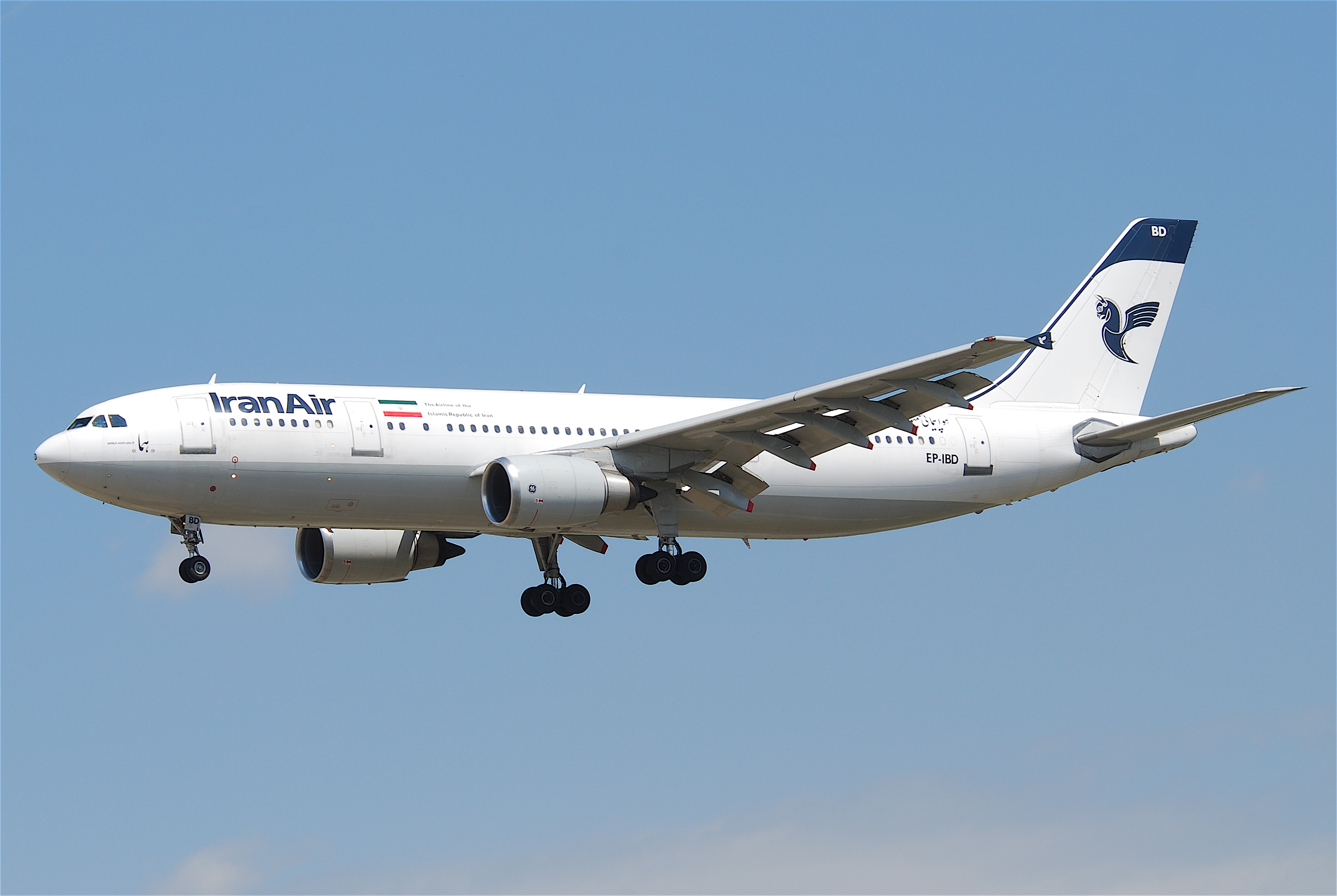
Historical Context & Origins
In the early 1970s, the global aviation industry was dominated by American giants, but a bold vision was emerging in Europe: to create a consortium capable of competing internationally. The Airbus A300B2, with its first flight in 1973, emerged as the realization of this ambition, uniting the engineering forces of nations such as France and Germany under the umbrella of Airbus Industrie.
The A300 project was conceived to meet a growing demand for medium-range, high-capacity aircraft, ideal for rapidly expanding European routes. The goal was a twin-engine wide-body aircraft, a revolutionary choice for the time that defied the convention of three- or four-engine aircraft of this size.
This bold decision not only promised operational efficiency and lower costs, but also laid the foundation for Airbus' future leadership in the commercial aircraft market. The A300B2 was not just an airplane, but the flying manifesto of a new era of European cooperation and innovation.
Architecture & Technological Design
The Airbus A300B2 represented a significant leap in aeronautical engineering, being the world's first twin-engine wide-body airplane. Its design was a real challenge to convention, demonstrating that two engines could effectively propel a large aircraft, while ensuring unprecedented safety and reliability for the category.
The aircraft boasted a wide fuselage, optimized to accommodate two standard LD3 containers side by side, maximizing cargo capacity and baggage handling speed. This design choice became an industry standard, influencing subsequent generations of wide-body aircraft from each manufacturer.
The attention to efficiency was evident in every detail, from the advanced aerodynamics for the time to the selection of lightweight materials. The A300B2's design made it a pioneer in finding an optimal balance between performance, passenger comfort and operating costs, a model still followed today.
Onboard Specifications
- ◆Two-pilot cockpit: a revolution for a wide-body, which significantly reduced crew costs and set a new operational standard.
- ◆Supercritical Wing: An advanced airfoil that improved aerodynamic efficiency, reducing drag and optimizing fuel consumption during cruise flight.
- ◆General Electric CF6-50 or Pratt & Whitney JT9D engines: powerful and reliable options that guaranteed the performance necessary for an aircraft of its class, with high thrust and efficient maintenance.
Operational Career & Operators
The entry into service of the Airbus A300B2 was a historic moment. The first operator to receive it was Air France in 1974, marking the beginning of a long and illustrious career that would redefine the skies. It immediately demonstrated its effectiveness, providing a modern and competitive alternative to American-made aircraft.
Many international carriers relied on the A300B2, including giants such as Lufthansa, Iberia and, in a major win for Airbus, Eastern Air Lines in the United States. Its reliability and ability to generate profits on medium-haul routes made it a valuable asset for global airlines.
The A300B2 not only carried millions of passengers and tons of cargo, but also played a crucial role in validating the concept of ETOPS (Extended-range Twin-engine Operational Performance Standards) operations, paving the way for future twin-engine aircraft on transoceanic routes and radically changing network strategies.
Legacy & Cultural Impact
The Airbus A300B2 was not just a successful aircraft; it was the catalyst that established Airbus as a dominant player in the global aerospace industry. Its bold design and operational efficiency demonstrated the validity of the European consortium model, a winning formula for the future.
The technological legacy of the A300B2 is immense. His innovations in cockpit, wing design and engine integration laid the foundation for future Airbus designs, including the revolutionary A320 fly-by-wire and subsequent wide-body models that would conquer the world.
Even today, many A300s (in its various versions) continue to fly, primarily as cargo aircraft, testifying to the robustness and longevity of the original design. The A300B2 remains an undisputed symbol of innovation, international cooperation and Europe's ability to surpass the giants of the aviation industry.
Telemetria Specs (HUD)
Hangar Trivia & Curiosità
- 💡The A300B2 was the world's first twin-engine wide-body aircraft, a revolutionary concept for its time.
- 💡It was the inaugural aircraft produced by the Airbus consortium, symbolizing a new era of European collaboration in aerospace.
- 💡Early A300 models, including the B2, were primarily designed for shorter European routes, demonstrating the viability of high-capacity, twin-engine operations.
Archivio Avvistamenti Spotter
Immagini scattate dalla community in tutto il mondo
Vettori Rilevati (Flotta Storica / Dismessa)

China Airlines
Stato: Dismesso
Indian Airlines
Stato: Dismesso

Lufthansa
Stato: Dismesso

Air France
Stato: Dismesso
Trans European Airways
Stato: Dismesso
Pakistan International Airlines
Stato: Dismesso
Air Inter
Stato: Dismesso
Thai Airways
Stato: Dismesso
Korean Air
Stato: Dismesso

Saudia
Stato: Dismesso
South African Airways
Stato: Dismesso

Japan Airlines
Stato: Dismesso
