Tu-334
Tupolev
Historical Context & Origins
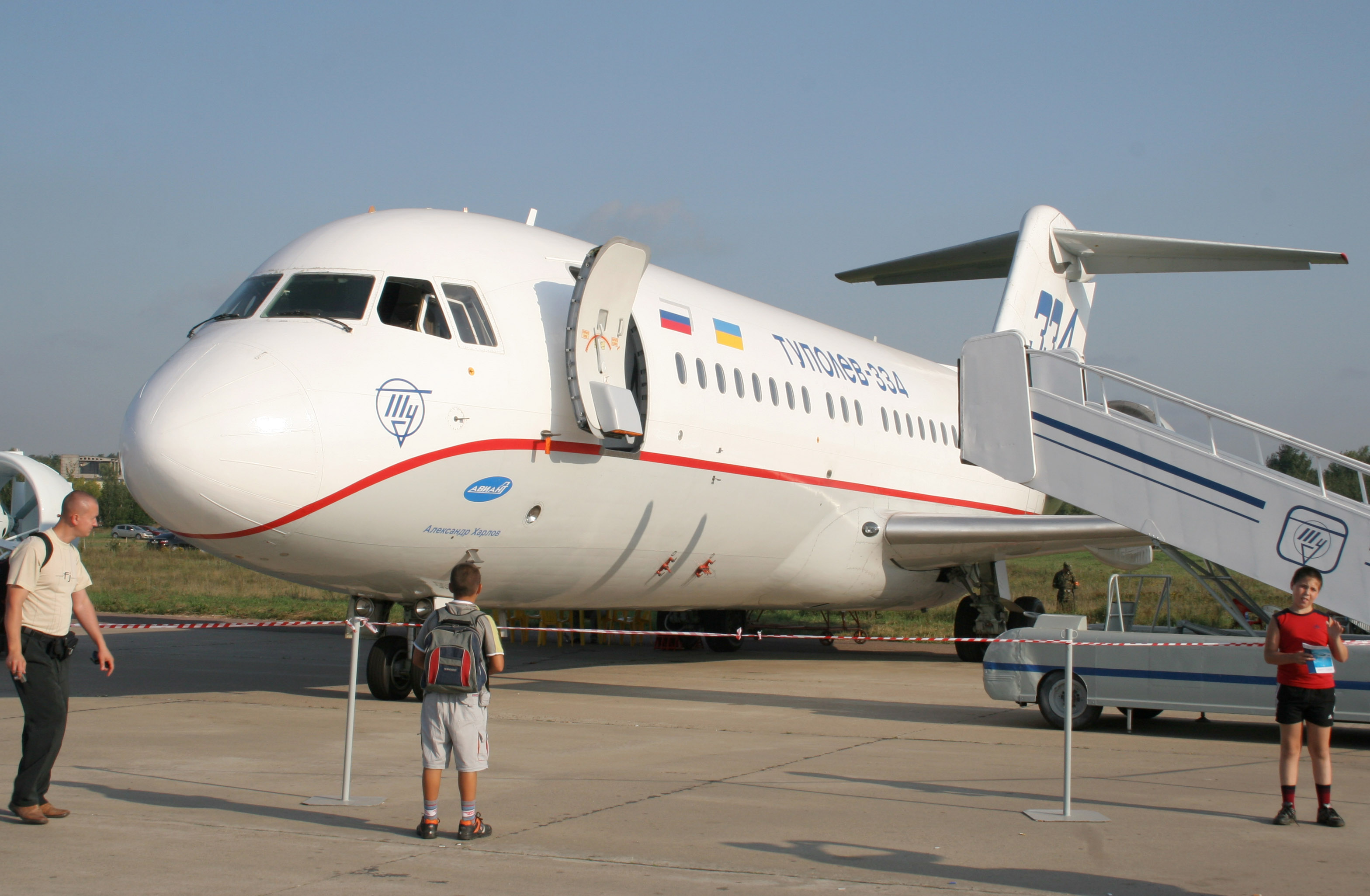
The Tupolev Tu-334 emerged from a pressing need in the post-Soviet Russian Air Force: to replace the now obsolete Tu-134. Developed to serve short-medium range regional routes, this jet aimed to combine operational efficiency and low operating costs, a crucial factor in an era of profound economic and geopolitical transformations for the Russian aviation industry.
The idea took shape in the late 1980s, but the collapse of the Soviet Union dramatically slowed the project. Despite immense financial difficulties, the Tupolev design bureau persisted, presenting a modern and promising aircraft. The first flight of the Tu-334 occurred on 8 February 1999, a significant milestone that demonstrated the resilience and ingenuity of Russian aeronautical engineering in an adverse environment.
Architecture & Technological Design
The Tu-334 sported a distinctive aerodynamic configuration, featuring two engines mounted in the rear of the fuselage and a T-shaped empennage. This arrangement, similar to that of aircraft such as the McDonnell Douglas MD-80 or Fokker 100, aimed to reduce cabin noise and improve the aerodynamic efficiency of the wings. Its fuselage had been optimized for passenger comfort on regional routes.
With a projected capacity of 102 passengers in standard configuration, the Tu-334 was designed to operate effectively on short, unprepared runways, an essential feature for many airlines in the Commonwealth of Independent States (CIS). The modular design should have allowed for several variations, including versions with increased autonomy or reduced capacity, demonstrating considerable design flexibility.
Onboard Specifications
- ◆Rear twin-engine configuration: Reduced cabin noise and clean wing integration for superior aerodynamics.
- ◆Glass cockpit: Modern avionics systems, reducing pilot workload and improving operational safety.
- ◆Supercritical swept wing: Improved aerodynamic efficiency at cruising speeds, optimizing fuel consumption.
Operational Career & Operators
Despite its potential and initial interest from several Russian airlines, the Tu-334 never managed to enter series production. The reasons were multiple and complex, including fierce competition from Western aircraft already established on the market, the scarcity of substantial government funding and general economic uncertainties in Russia.
Several prototypes were built and intensively tested, demonstrating the capabilities and reliability of the design. However, the lack of firm orders and airlines' preference for Western models that were easier to finance and support globally, relegated the Tu-334 to a "what if" role in Russian aviation history. It remained a symbol of an ambitious technical challenge not fully realized.
Legacy & Cultural Impact
Although the Tu-334 never achieved commercial success, its existence is a testament to Russian aeronautical engineering and its ability to innovate under extremely challenging conditions. It represented Tupolev's last attempt to create a new generation airliner for the domestic and international market in the regional segment.
The technical solutions developed for the Tu-334, such as modern avionics and attention to efficiency, undoubtedly contributed to the experience and know-how that would then be applied in subsequent projects. Its commercial failure does not diminish its value as a milestone in the quest for a revival of Russia's civil aviation industry, leaving an indelible mark as an example of untapped potential.
Telemetria Specs (HUD)
Hangar Trivia & Curiosità
- 💡Progettato per sostituire direttamente il diffuso Tupolev Tu-134, il Tu-334 mirava a modernizzare la flotta aerea domestica russa con un velivolo più efficiente e confortevole.
- 💡Nonostante il primo volo nel 1999 e numerosi test, il progetto Tu-334 subì ripetuti ritardi e fu infine cancellato a causa di persistenti carenze di finanziamento e mancanza di ordini fermi in un mercato competitivo.
- 💡La caratteristica coda a T dell'aereo e i motori montati nella parte posteriore sono elementi distintivi di molti jet a corto raggio, offrendo cabine più silenziose e ali più pulite rispetto ai motori sotto l'ala.
Archivio Avvistamenti Spotter
Immagini scattate dalla community in tutto il mondo