Y-12
Harbin
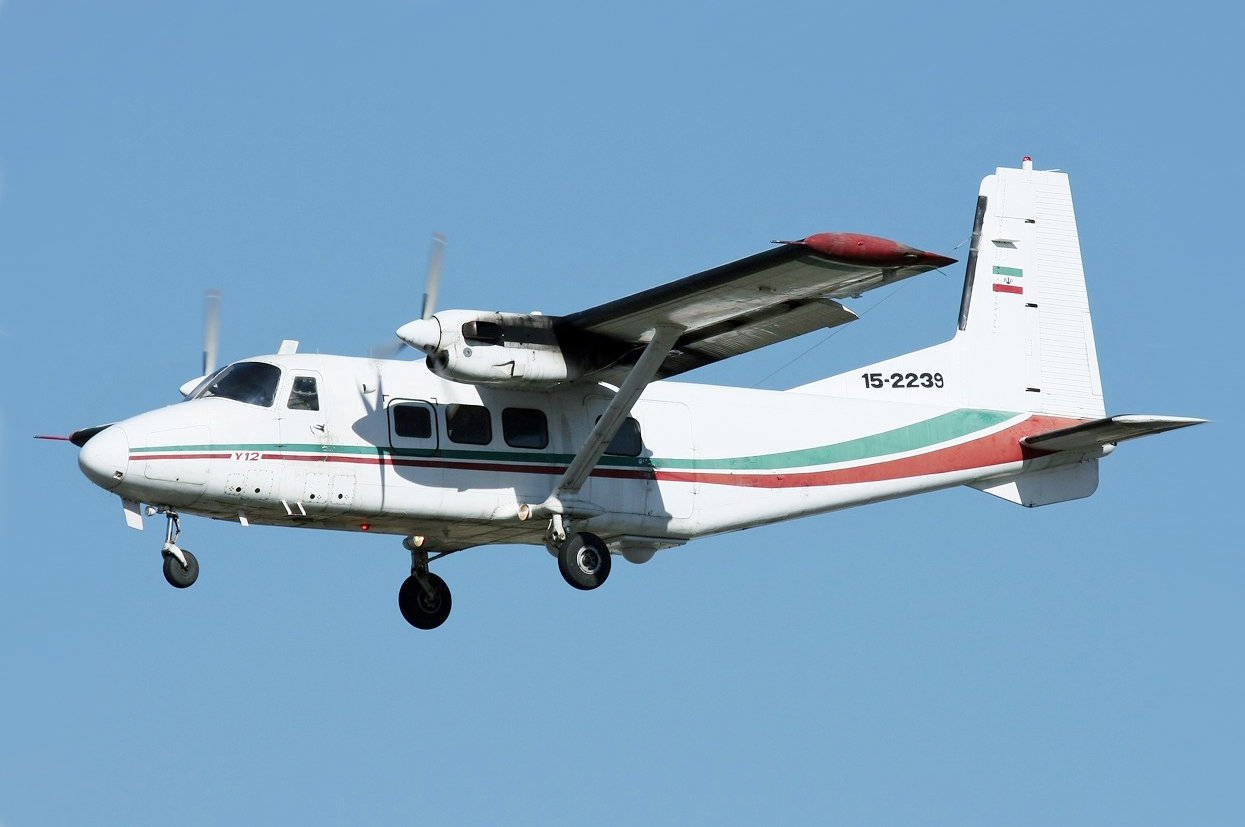
Historical Context & Origins
The Harbin Y-12 emerged at a crucial period for China's aviation industry, when the country aimed to develop independent capabilities in regional air transportation. The project began in the early 1980s at Harbin Aircraft Manufacturing Corporation (HAMC), with the goal of creating a robust, versatile and cost-effective utility aircraft.
The Y-12 was a significant step forward from its predecessor, the less powerful Y-11, inheriting its design philosophy of simplicity and reliability. The first flight occurred in 1982, marking the beginning of an extraordinarily long and diverse career for this twin-engine high-wing aircraft.
Its development was driven by the need for an aircraft capable of operating from short, unprepared runways, essential to serve the remote inland regions of China and to compete in the international utility aircraft market, offering a more modern and high-performance alternative.
Architecture & Technological Design
The design of the Harbin Y-12 is a prime example of practical, function-oriented engineering. Its high-wing twin-engine architecture, typical of light transport aircraft, provides excellent lift at low speeds and superior protection for the propellers from debris on austere runways.
The airframe, constructed predominantly of aluminum alloys, was designed to withstand the stresses of frequent operations and in harsh environments, emphasizing durability and ease of maintenance. This structural robustness has been a key factor in its success in very varied operational contexts.
From a propulsion point of view, the adoption of Western-produced turboprop engines, in particular the renowned Pratt & Whitney Canada PT6A, has given the Y-12 excellent performance, superior reliability and global appeal. This strategic choice opened the doors to international markets, also guaranteeing easy access to maintenance and spare parts.
Onboard Specifications
- ◆Pratt & Whitney Canada PT6A Engines: Guarantee of reliability, high performance and global reputation.
- ◆STOL (Short Take-Off and Landing) capability: Allows operations from short, unprepared runways, maximizing operational versatility.
- ◆Multi-Role Cabin: Quickly adaptable configuration for passenger, cargo, airlift, aerial surveillance or skydiving.
Operational Career & Operators
The Harbin Y-12 quickly demonstrated its versatility, becoming a mainstay for regional passenger and cargo transport in China and beyond. It has been widely adopted by civilian airlines, militaries and private operators in over 30 countries, including the US, Australia, the UK, Pakistan and many African states.
Its ability to operate in extreme climatic and environmental conditions, combined with low operating costs, has made it ideal for roles ranging from maritime patrol to aerial mapping, VIP transport to training. Its numerous variants, such as the Y-12(II), Y-12(IV) and the more modern Y-12F, have continuously improved performance, avionics and comfort.
The aircraft has also been featured in numerous international assistance programmes, supplied to friendly countries as part of humanitarian aid or for the development of air transport infrastructure, cementing its reputation as a reliable and indispensable "workhorse".
Legacy & Cultural Impact
The Harbin Y-12 represents not only a commercial success, but also a symbol of the growing ability of the Chinese aviation industry to produce competitive, quality aircraft. It pioneered the export of Chinese aircraft on a global scale, demonstrating the feasibility of complex designs and their integration with international components and standards.
Its enduring presence in the skies around the world, with hundreds of examples still in active service decades after its first flight, testifies to the solidity of its design and the foresight of its conception. Y-12 has contributed significantly to the economic development and interconnection of many remote regions.
Beyond its practical impact, the Harbin Y-12 solidified China's image as an emerging player in the global aviation industry, laying the foundation for future regional aircraft and strategic transport programs, leaving a legacy of unparalleled reliability and versatility.
Telemetria Specs (HUD)
Hangar Trivia & Curiosità
- 💡First flown in 1982, it was developed by the Harbin Aircraft Industry Group (HAIG) in China.
- 💡The Y-12 achieved FAA certification in 1992, marking a significant milestone as the first Chinese-designed aircraft to do so.
- 💡Widely exported, it serves in numerous civilian and military capacities across Asia, Africa, and Latin America.
Archivio Avvistamenti Spotter
Immagini scattate dalla community in tutto il mondo