Tu-204
Tupolev
Historical Context & Origins
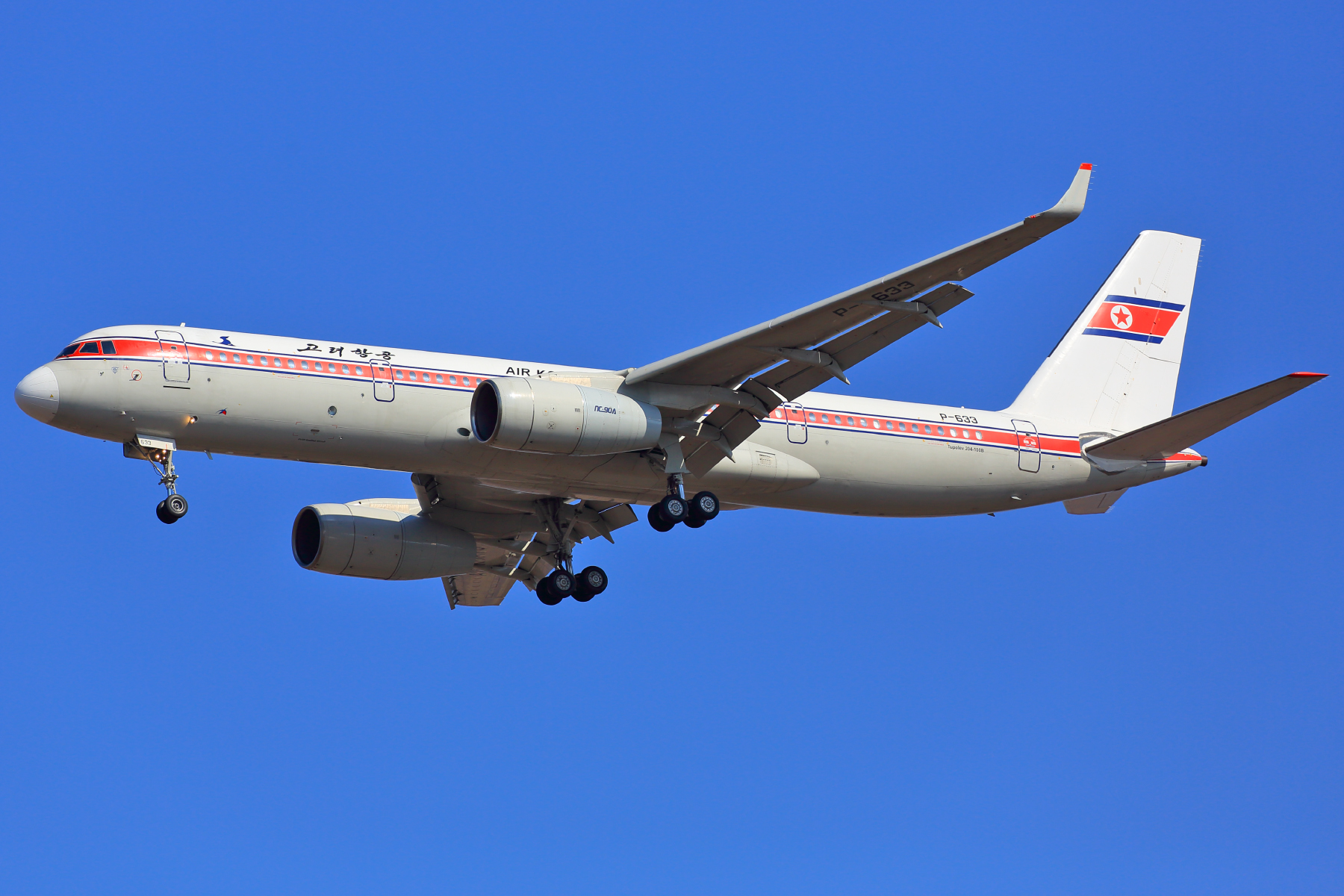
The Tupolev Tu-204 emerges from a period of profound transformation for the Soviet Union, an era dominated by policies of perestroika and glasnost that aimed to reform and modernize the country. With its first flight on January 2, 1989, this medium-range twin-engine aircraft was conceived as the flagship of the Soviet civil aviation industry. The objective was ambitious: to offer an advanced and technologically superior successor to the ancient Tu-154, a workhorse of the time, and at the same time compete directly with Western giants such as the Boeing 757/767 and the Airbus A320.
The need for a more fuel-efficient and quieter aircraft was pressing, not only to meet the growing needs of the domestic market, but also to open up new international opportunities in a rapidly changing world. The Tu-204 therefore represented a bridge between Soviet engineering tradition and new global directives in terms of performance and comfort, promising a significant generational leap.
This modernization effort was a direct response to the technological challenge posed by the West during the Cold War, demonstrating the USSR's ability to produce cutting-edge civilian aircraft. The project was emblematic of a desire to demonstrate that Russian engineering could match, if not exceed, global standards, setting the stage for the post-Soviet era.
Architecture & Technological Design
The Tu-204 is a superb example of modern aircraft design, featuring a narrow-body twin-engine configuration and refined aerodynamics. From the early design stages, attention was placed on efficiency and the reduction of operating costs, crucial elements for its competitiveness on the global market. The introduction of supercritical wing surfaces has allowed the wing profile to be optimized, improving cruising performance and fuel efficiency at high speeds.
One of the most significant innovations was the adoption of a digital fly-by-wire system, a rarity for a Soviet aircraft of the time, which offered pilots more precise control and significantly reduced their workload. The cockpit was equipped with a cutting-edge glass cockpit, with LCD multifunction displays that replaced the traditional analogue instruments, placing it on the same level as the most modern Western aircraft. This technological equipment reflected a serious commitment to safety and operational efficiency.
The extensive use of composite materials in the structure, combined with the use of modern engines such as the Aviadvigatel PS-90A (and later, the option for the Rolls-Royce RB211 for some variants), contributed to significant weight savings and an overall improvement in performance. These design features made the Tu-204 an aircraft not only capable, but also surprisingly efficient for its time.
Onboard Specifications
- ◆Advanced Digital Fly-by-Wire System: For highly responsive flight control and simplified cockpit management.
- ◆Ultra-modern glass cockpit: Equipped with color LCD screens that display flight and navigation data, improving situational awareness.
- ◆Optimized aerodynamics with supercritical wings: which ensures high fuel efficiency and good performance at high cruising speed.
Operational Career & Operators
The operational career of the Tupolev Tu-204, while not as extensive as that of its Western competitors, has been marked by resilience and adaptability, particularly in the post-Soviet context. Economic challenges and strong international competition have limited its global market penetration, but the aircraft has found a significant role with carriers in Russia and some allied nations. Airlines such as Red Wings Airlines, AviaStar-TU and the Cuban Cubana de Aviación have been among the main operators, enhancing its capabilities.
The Tu-204 also stood out in cargo versions, such as the Tu-204C, which found crucial use in cargo transport, consolidating its reputation as a robust and reliable aircraft. Despite initial difficulties related to obtaining international certifications and market perception, subsequent variants, such as the Tu-214 (with greater autonomy) and the modernized Tu-204SM, continued to demonstrate its validity and development potential.
Even today, the Tu-204 and its derivatives continue to fly, performing essential roles in transporting passengers and cargo in several regions. Its presence is a testament to the Russian aviation industry's tenacity in keeping alive a project that, in many respects, was cutting-edge at the time of its debut, overcoming considerable obstacles.
Legacy & Cultural Impact
The legacy of the Tupolev Tu-204 goes far beyond its limited commercial diffusion, representing a powerful symbol of Russian aeronautical engineering in an era of profound uncertainty. It was the first Soviet aircraft to incorporate Western technologies such as glass cockpit and fly-by-wire into a production civilian design, paving the way for future generations of Russian aircraft and proving that the country was capable of competing globally. Its modern conception indirectly influenced the development of subsequent projects.
The Tu-204 demonstrated the Russian industry's ability to adapt to new international requirements in terms of noise, emissions and fuel consumption, setting a new standard for domestic civil aviation. Although it did not become a full-scale commercial success, it played a crucial role in keeping alive the experience and expertise of designing and manufacturing medium-sized civilian aircraft in the post-Soviet period.
In summary, the Tupolev Tu-204 is not just an airplane; it is a statement of intent, a reminder of engineering resilience, and a bridge between two eras. Its story is a fascinating chapter in the complex evolution of aviation, a testament to the courage to innovate in times of great change, leaving an indelible imprint on the imagination of aeronautics enthusiasts.
Telemetria Specs (HUD)
Hangar Trivia & Curiosità
- 💡È stato uno dei primi aerei di linea russi a presentare una cabina di pilotaggio 'glass cockpit' per due piloti, un significativo passo avanti per l'aviazione sovietica.
- 💡Sebbene principalmente alimentato da motori russi Aviadvigatel PS-90A, alcune varianti sono state offerte con motori occidentali Rolls-Royce RB211 per attrarre acquirenti internazionali.
- 💡Le varianti cargo del Tu-204, come il Tu-204-100C, hanno avuto notevole successo, venendo utilizzate da importanti operatori per il trasporto merci a livello globale.
Archivio Avvistamenti Spotter
Immagini scattate dalla community in tutto il mondo