One-Eleven 400
BAC
Historical Context & Origins
In the early 1960s, the British aviation industry was in turmoil, trying to consolidate its position in the regional jet market. The British Aircraft Corporation (BAC) aimed to create a jet successor to popular turboprops such as the Vickers Viscount, capable of offering greater speed and comfort on short-haul routes. The goal was an aircraft that could compete with growing American and European offerings.
The BAC One-Eleven, whose design was also rooted in the experience acquired with the de Havilland Comet, was born from this need for innovation. In an era dominated by larger aircraft, the One-Eleven positioned itself as a pioneer in the shorter-distance "jet airliner" segment. The 400 series, in particular, made its first flight in 1965, further refining the original design to meet increasingly demanding global demand, especially from North America.
Architecture & Technological Design
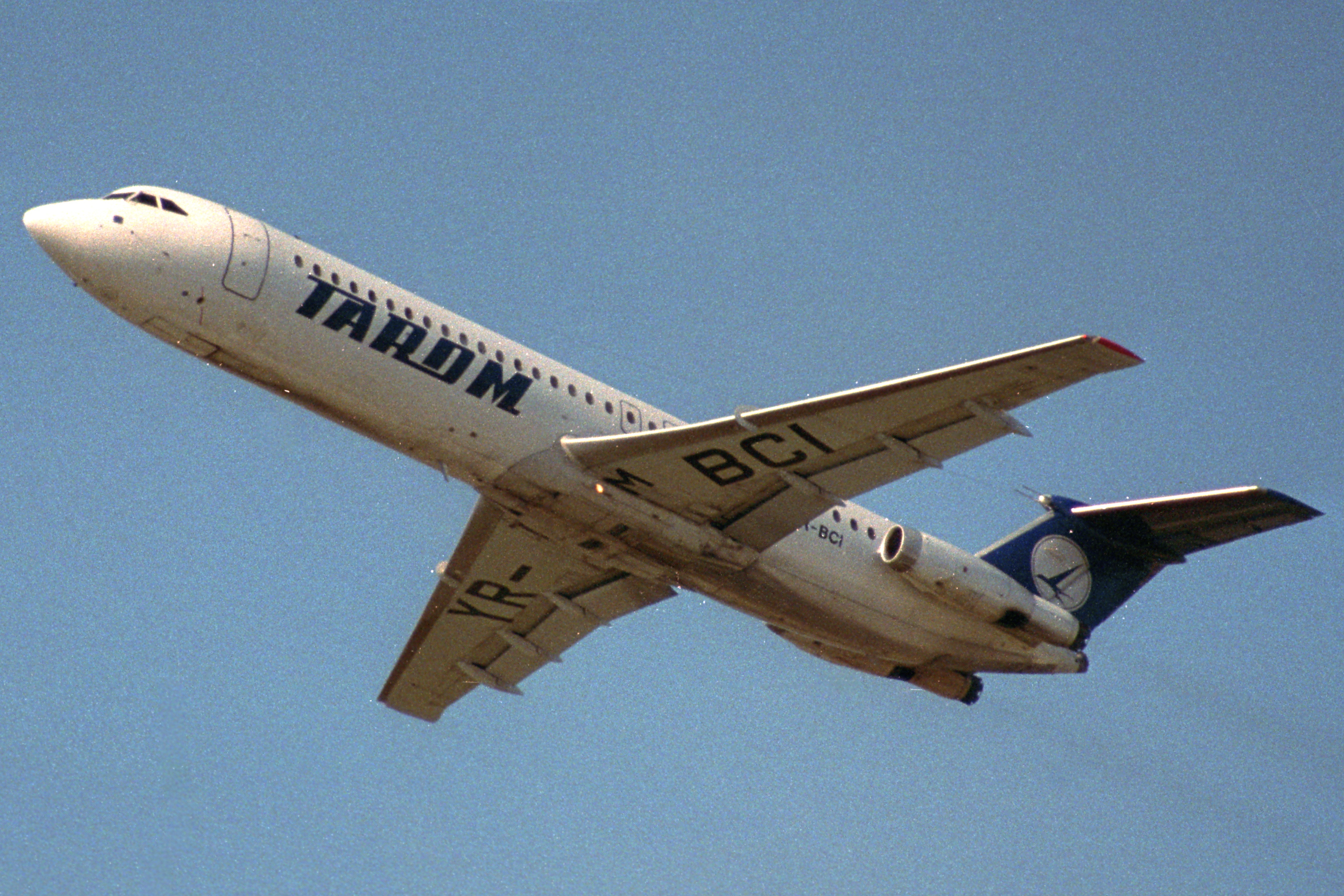
The heart of the BAC One-Eleven 400's design lay in its T-tail architecture and rear-mounted engine configuration. This innovative choice freed the wings from clutter, allowing cleaner airflow and contributing to greater aerodynamic efficiency. Furthermore, placing the engines away from the cabin significantly improved acoustic comfort for passengers, a key factor for the time.
The aircraft was designed to operate effectively from smaller airports, with shorter runways, thanks to a robust undercarriage and aerodynamics optimized for low speeds. This versatility made it ideal for a wide range of airlines. The cabin, although compact, was well lit and provided adequate space for passengers, making the journey a pleasant experience.
Onboard Specifications
- ◆Rolls-Royce Spey engines: reliable and relatively quiet turbofan engines for the time, which guaranteed excellent performance and low fuel consumption.
- ◆Optimized swept wing: Designed to balance efficiency at high cruising speeds with good performance at low takeoff and landing speeds.
- ◆Integrated APU (Auxiliary Power Unit): provided independent electrical and pneumatic power to the ground, reducing the need for external equipment and speeding up turnaround operations.
Operational Career & Operators
The BAC One-Eleven 400 quickly established itself as a true workhorse for airlines around the world. Its reliability and low operating costs made it extremely attractive. American airlines such as American Airlines and Braniff International were among the major buyers, taking advantage of its ability to connect medium-sized cities with fast and efficient jet service.
In Europe, carriers such as British United Airways and Lufthansa (although Lufthansa mainly operated the 500 series) successfully employed it on regional and charter routes. Its reputation as a robust and easy-to-maintain aircraft contributed to its operational longevity, with many examples remaining in service for decades, even in challenging environments. The 400 series, in particular, found a thriving market in North America.
Legacy & Cultural Impact
The BAC One-Eleven 400 was not only a commercially successful aircraft; he was a pioneer in the regional jet segment, profoundly influencing subsequent generations of aircraft such as the McDonnell Douglas DC-9 and the Fokker F28. Its rear-engined, T-tail configuration became a standard for many similarly sized aircraft, demonstrating the effectiveness of its design.
The airplane helped democratize air travel, making jet travel accessible to a wider audience and on more routes. Although the last production example left the assembly line years ago, its impact can still be seen in the evolution of regional air travel, a legacy that makes it an indelible icon in the history of commercial aviation.
Telemetria Specs (HUD)
Hangar Trivia & Curiosità
- 💡It was the first British airliner to be widely exported to the United States, notably with American Airlines being a major operator.
- 💡Its distinctive rear-mounted engines, a common layout for early short-haul jets, provided cleaner wings and efficient thrust.
- 💡Production of the One-Eleven later moved to Romania as the Rombac One-Eleven, with the last units flying into the early 2000s.
Archivio Avvistamenti Spotter
Immagini scattate dalla community in tutto il mondo

