O/7
Handley Page
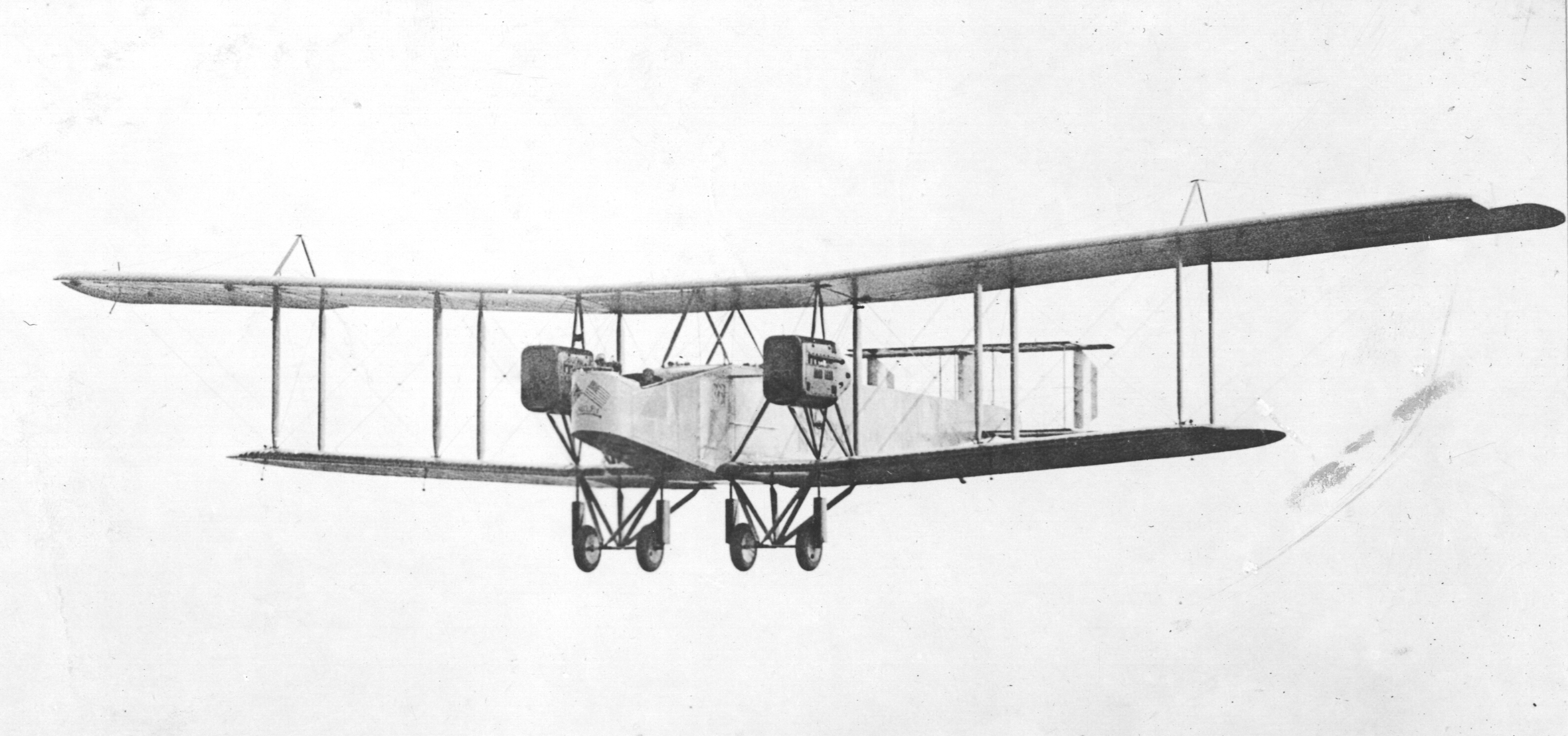
Historical Context & Origins
L'Handley Page O/7, che spiccò il suo primo volo nel 1919, emerse da un contesto storico di profonda transizione, segnando la fine della Prima Guerra Mondiale e l'alba dell'aviazione commerciale. The need to repurpose vast military resources, including bomber aircraft, into instruments of peace and civil progress was pressing.
This mammoth biplane was not born from a blank sheet of paper, but was a brilliant redesign of the famous Handley Page O/400 heavy bomber, a veteran of the war skies. Sir Frederick Handley Page's intuition was to transform a formidable weapon of war into a pioneer of passenger and freight transport, a bold idea for the time.
The O/7 project embodied post-war hope and innovation, positioning itself as the solution to establishing the first commercial air routes. Its genesis was a fundamental step, demonstrating how the war experience could be a catalyst for the development of new economic and social frontiers.
Architecture & Technological Design
The O/7 maintained the majestic twin-engine biplane architecture of its military predecessor, characterized by a robust and imposing structure in wood and canvas, reinforced by metal tie rods. This solid framework was essential to face the challenges of early commercial flights and weather uncertainties.
The transformation from the O/400 was evident in the meticulously redesigned fuselage. The machine gun emplacements and bomb bay were removed, making room for an enclosed passenger cabin and a large cargo compartment. This design was not only functional, but represented a forward-thinking vision of air travel.
Spinto da due motori Rolls-Royce Eagle VIII da 360 cavalli ciascuno, l'O/7 garantiva la potenza e l'affidabilità necessarie per le lunghe tratte. The twin-engine configuration also offered superior safety, crucial to instilling confidence in first-time, skeptical air travelers.
Onboard Specifications
- ◆Closed air-conditioned cabin (albeit rudimentary) for 10-12 passengers: a luxurious innovation for the time.
- ◆Large integrated cargo compartment: essential for transporting mail and urgent goods, making the operation economically sustainable.
- ◆Extended autonomy for international flights: Crucial for emerging routes between European capitals.
Operational Career & Operators
L'Handley Page O/7 fu un protagonista indiscusso nei primi anni dell'aviazione commerciale, principalmente nelle mani di Handley Page Transport Ltd., la compagnia aerea fondata dal costruttore stesso. His career was short but intense, laying the foundation for the future of the industry.
Fu uno dei primi aerei a operare sulla pionieristica rotta aerea internazionale Londra-Parigi, inaugurata nel 1919. L'O/7 trasportò i primi passeggeri paganti, posta e merci tra le due capitali, dimostrando con successo la fattibilità e l'attrattiva del trasporto aereo.
Nonostante le sfide dell'epoca – navigazione rudimentale, condizioni meteorologiche imprevedibili e la necessità di un'infrastruttura di terra minima – l'O/7 volò regolarmente, accumulando preziose esperienze che avrebbero informato la progettazione di futuri aerei di linea. Its operation opened the world's eyes to the potential of air travel.
Legacy & Cultural Impact
The Handley Page O/7, while not remembered as a production sample, left an indelible mark on aviation history. Ha dimostrato con successo la possibilità di riconvertire aeromobili militari in efficienti vettori civili, un modello economico adottato da molte compagnie post-belliche.
Its role in connecting London and Paris was not just a technological achievement, but a cultural bridge that brought nations together. L'O/7 contribuì a superare la percezione dell'aereo come mera macchina da guerra, elevandolo a simbolo di progresso e connettività globale.
The legacy of the O/7 is reflected in the impetus it gave to the development of dedicated, more comfortable and high-performance airliners. Fu un autentico pioniere, un anello cruciale nella catena evolutiva che ha portato all'aviazione moderna, ispirando generazioni di ingegneri e sognatori del volo.
Telemetria Specs (HUD)
Hangar Trivia & Curiosità
- 💡Derivava direttamente dal bombardiere pesante Handley Page O/400 della Prima Guerra Mondiale, riadattato per scopi civili.
- 💡Fu uno dei primi aerei di grandi dimensioni ad essere impiegato per servizi di linea passeggeri e cargo, contribuendo allo sviluppo dell'aviazione commerciale.
- 💡Uno degli O/7 fu utilizzato per il primo volo notturno commerciale di merci tra Londra e Parigi nel 1919.
Archivio Avvistamenti Spotter
Immagini scattate dalla community in tutto il mondo