MD-88
McDonnell Douglas
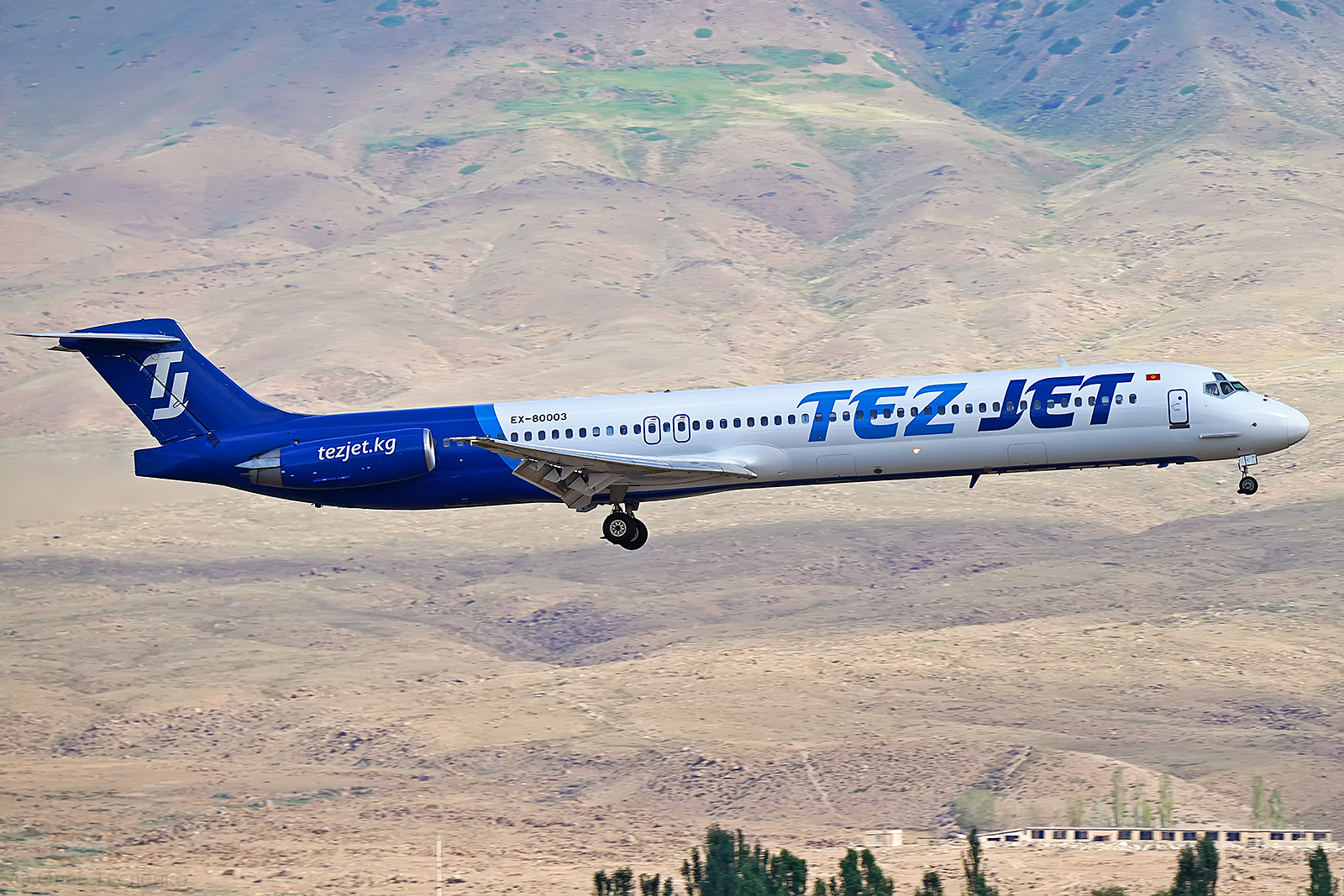
Historical Context & Origins
The McDonnell Douglas MD-88 represents a significant evolution within the MD-80 family, itself a direct descendant of the legendary DC-9. With its first flight in 1987 and entry into service the same year, the MD-88 positioned itself as the most advanced and technologically refined variant of the MD-80 series upon its debut.
Its birth was a response to airlines' growing needs for a medium-range aircraft that combined proven reliability with substantial improvements in avionics and operational efficiency. The project aimed to prolong the competitiveness of the DC-9/MD-80 platform in an era of rapid aeronautical innovation, offering a superior flight experience for both passengers and crews.
The MD-88 inherited the structural strength and twin-engine T-tail configuration with tail-mounted engines, distinctive features of the family. However, it implemented crucial updates that distinguished it from its predecessors, propelling it towards greater digital integration and high on-board comfort, crucial factors for its commercial success.
Architecture & Technological Design
The MD-88 retained the established architecture of the MD-80 series, renowned for its reliability and robustness. However, its real innovation lay in the integration of cutting-edge avionics systems, which radically transformed the cockpit, making it one of the most modern of its time.
The technological heart of the MD-88 was its fully digitized cockpit, which incorporated an advanced EFIS (Electronic Flight Instrument System). This significantly reduced pilots' workload and provided clearer, more complete flight information on color screens, a marked advance over traditional analog gauges.
In addition to the avionics, the MD-88 benefited from minor aerodynamic improvements and interior optimization, aimed at improving passenger comfort. The acoustic design of the cabin was carefully studied to reduce noise and vibration, ensuring a quieter and more pleasant travel experience, a key factor for increasingly competitive airline routes.
Onboard Specifications
- ◆Advanced Cockpit Digitalization (EFIS): A qualitative leap over its predecessors, with color displays for flight instruments, navigation and systems, improving situational awareness.
- ◆Integrated Flight Management System (FMS): Improved flight planning, optimizing routes and fuel consumption, crucial for operational efficiency and cost reduction.
- ◆Cabin Noise Reduction System: Introduction of insulating panels and advanced acoustic design for superior passenger comfort, a key factor to stand out on the market.
Operational Career & Operators
The MD-88 quickly established itself as a workhorse for domestic and regional air routes, thanks to its combination of efficiency, comfort and competitive operating costs. Its reliability made it a popular choice for many airlines looking for a medium-haul aircraft.
The MD-88's primary operator and launch customer was Delta Air Lines, which acquired a significant number of them, making it a mainstay of its fleet for decades. The aircraft proved to be extremely versatile, capable of operating in different environments and conditions, maintaining high punctuality.
Although production of the MD-88 ceased in the early 1990s, many examples remained in active service for a long time, testifying to the robustness of the design. The last major airline, Delta Air Lines, retired its last MD-88 only in June 2020, closing a chapter of over 30 years of honorable service.
Legacy & Cultural Impact
The MD-88 has left an indelible mark on commercial aviation, serving as a technological bridge between the era of analog instrumented aircraft and the advent of modern digital "glass cockpits". Its introduction demonstrated McDonnell Douglas' foresight in adopting new technologies while maintaining a proven platform.
His long and successful career has contributed significantly to the expansion and efficiency of passenger air traffic, particularly in North America. The MD-88 stood as a symbol of reliability and progress, carrying millions of passengers safely across the skies.
Today, although no longer operational in major fleets, the MD-88 is remembered as a shining example of how iterative innovation can extend the life and relevance of a classic aircraft design. Its history reflects a period of intense competition and innovation in the airline industry, cementing its position as a modern aviation classic.
Telemetria Specs (HUD)
Hangar Trivia & Curiosità
- 💡L'MD-88 è stato sviluppato in stretta collaborazione con Delta Air Lines, che ne fu il principale e quasi esclusivo operatore, richiedendo specifiche avanzate per la sua flotta.
- 💡Rappresentava la versione tecnologicamente più avanzata della serie MD-80, introducendo un cockpit 'glass' con schermi EFIS al posto degli indicatori analogici tradizionali.
- 💡Mantiene la distintiva configurazione a coda a T e motori montati nella parte posteriore della fusoliera, tipica della famiglia DC-9 da cui deriva, sebbene con motori Pratt & Whitney JT8D-219 più potenti e silenziosi rispetto ai predecessori.
Archivio Avvistamenti Spotter
Immagini scattate dalla community in tutto il mondo