MD-87
McDonnell Douglas
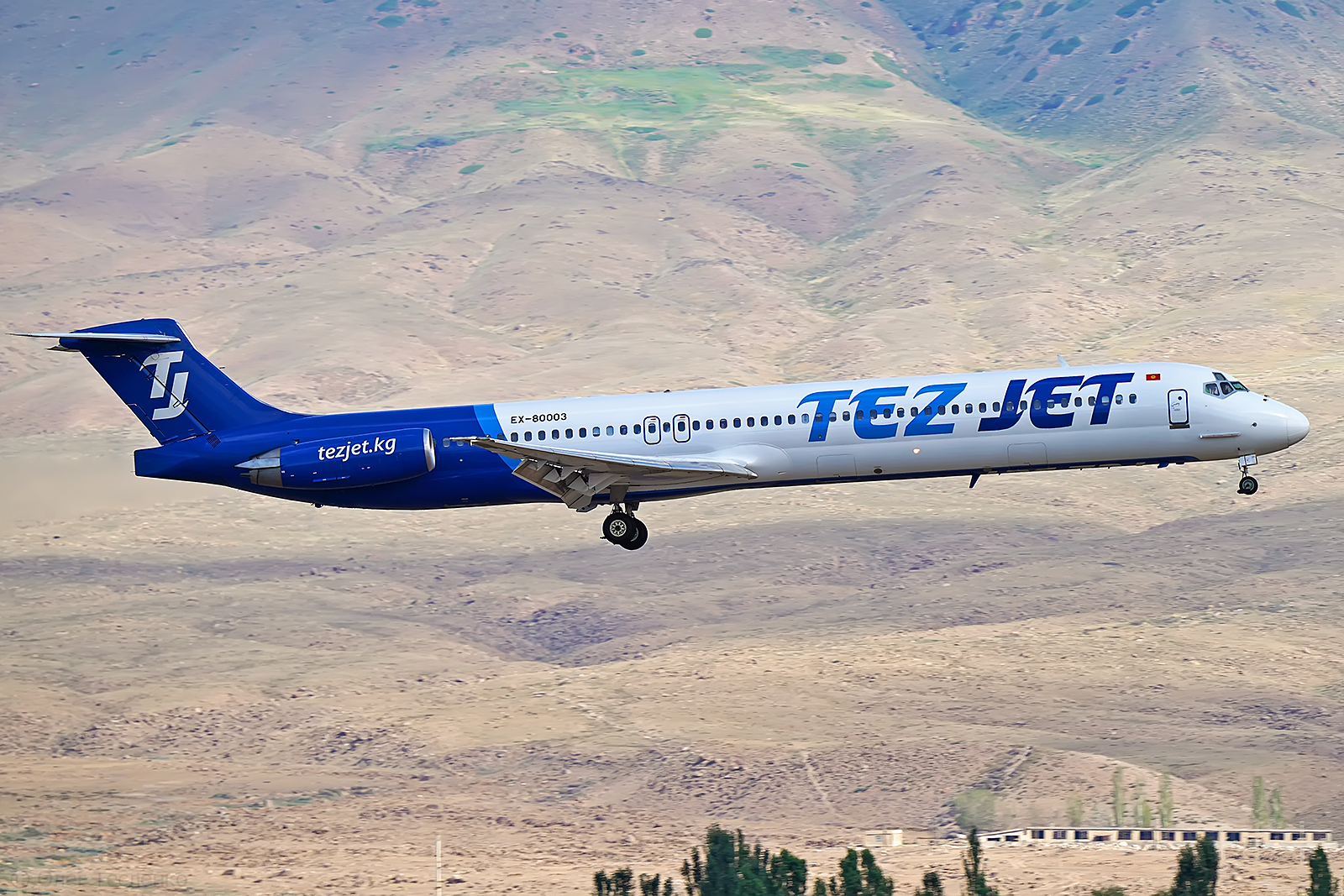
Historical Context & Origins
The McDonnell Douglas MD-87, whose first flight took place in 1987, represents one of the most fascinating iterations of the famous MD-80 family, in turn a direct evolution of the long-lived DC-9. This aircraft was born from the need to offer a shortened fuselage variant, optimized for medium-range routes with lower passenger demand, without sacrificing the advanced performance and operating economy of its bigger brothers.
The MD-80 family was intended to modernize the fleet of airlines looking for a more efficient successor to the DC-9, but the MD-87 was notable for its ability to serve niche markets. It was McDonnell Douglas' response to the growing demand for a flexible aircraft, capable of operating effectively on shorter runways and in more challenging environmental conditions, such as airports at altitude or in hot climates.
Its introduction in 1987 was not a simple shortening, but a strategic recalibration. The MD-87 offered airlines an ideal compromise: the reliability and advanced technology of the MD-80 series, packaged in a more compact package, making it perfect for expanding regional networks and replacing older aircraft in specific roles.
Architecture & Technological Design
The MD-87 was notable for its significantly shorter fuselage than other members of the MD-80 family, resulting in a more agile design. Despite the reduction in size, the aircraft retained the iconic T-tail configuration and rear-mounted Pratt & Whitney JT8D-200 engines, a distinctive signature that provided clean aerodynamics and a quieter cockpit.
The technical design of the MD-87 benefited from the innovations introduced with the MD-80 series, including significantly improved on-board electronics compared to its predecessors. The flight deck featured a modernized cockpit, with digital displays replacing many of the analogue instruments, reducing the pilots' workload and increasing operational safety.
Power was provided by JT8D-217C or JT8D-219 turbofan engines, renowned for their robustness, but optimized for greater fuel efficiency and significant noise reduction compared to previous versions. This combination of power and compactness gave the MD-87 excellent takeoff and climb capabilities, a crucial advantage for its specific missions.
Onboard Specifications
- ◆Advanced Digital Avionics: Integration of EFIS (Electronic Flight Instrument System) displays for improved situational awareness and precise navigation.
- ◆Pratt & Whitney JT8D-217C/219 engines: High bypass turbofans that guaranteed an optimal balance between thrust, efficiency and reduced noise impact, compliant with the most stringent regulations.
- ◆Improved Flight Control System: A robust and redundant hydraulic system, combined with conventional flight controls, ensured reliability and maneuverability in various operating conditions.
Operational Career & Operators
The MD-87 quickly found its place in the global aeronautical landscape, proving to be a valuable asset for several airlines. Carriers such as SAS (Scandinavian Airlines System), Iberia and Austrian Airlines were among the first and most important operators, taking advantage of its capabilities to connect cities with moderate demand or to operate at airports with runway limitations.
Its agility and superior performance in "hot and high" environments made it particularly popular in mountainous regions or with hot climates. Although it was not produced in numbers comparable to other members of the MD-80 family, its 75 built made a significant impact, offering flexibility and profitability on routes that would otherwise have been less than convenient.
Despite the age of the design, some MD-87s continued to serve until recently, testifying to the ruggedness and reliability of the original design. Its operational career has been characterized by a reputation for high reliability and low maintenance costs for its category.
Legacy & Cultural Impact
The MD-87, despite being a niche variant, played a crucial role in the evolution of regional air transport and in consolidating the success of the MD-80 family. It demonstrated that an established design could be successfully adapted to serve specific market segments, extending the useful life and versatility of an already proven platform.
His legacy lies in demonstrating McDonnell Douglas' ability to innovate and respond to market needs with purposeful solutions. The MD-87 helped keep the tradition of rear-engined T-tail jet aircraft alive, indirectly influencing the development of future regional and medium-range aircraft.
Today, the MD-87 is remembered as a brilliant example of aeronautical engineering, an aircraft that combined the reliability of the past with the innovations of the future. Its story is an important chapter in the annals of commercial aviation, a tribute to McDonnell Douglas' vision and mastery of creating aircraft capable of meeting the challenges of the skies for decades.
Telemetria Specs (HUD)
Hangar Trivia & Curiosità
- 💡L'MD-87 è la variante più corta della famiglia MD-80, con una fusoliera accorciata di circa 5,3 metri rispetto all'MD-82/83, rendendolo più maneggevole.
- 💡Nonostante la sua lunghezza ridotta, l'MD-87 manteneva la stessa ala e la stessa sezione di coda dei suoi fratelli maggiori MD-80, garantendo una forte comunanza di parti e procedure per le compagnie aeree.
- 💡Era spesso preferito per operazioni in aeroporti con condizioni 'hot and high' (caldi e in altitudine) o su rotte che richiedevano migliori prestazioni di salita, grazie al suo rapporto spinta-peso più favorevole rispetto alle versioni più lunghe.
Archivio Avvistamenti Spotter
Immagini scattate dalla community in tutto il mondo