MD-81
McDonnell Douglas
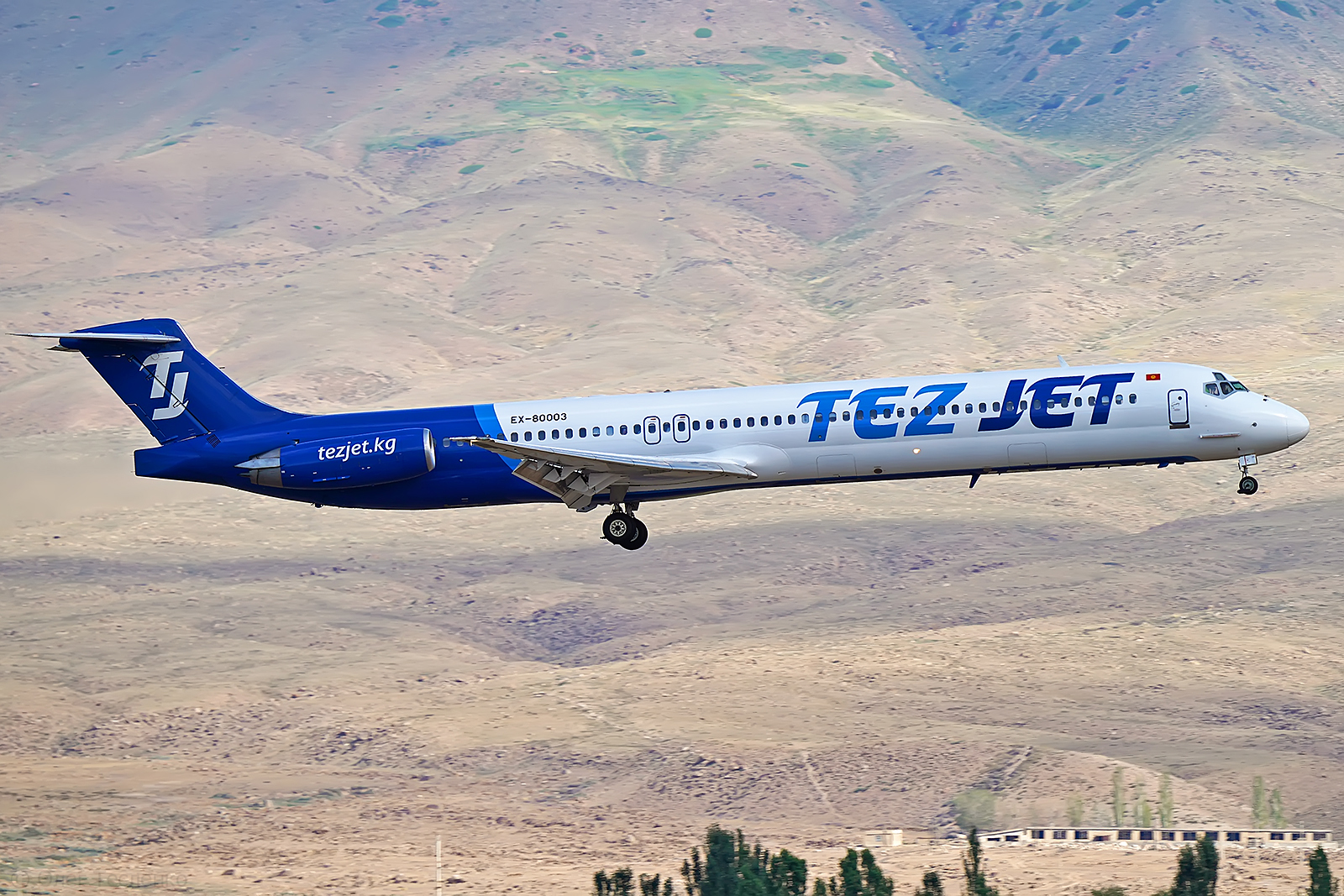
Historical Context & Origins
The McDonnell Douglas MD-81, the first member of the successful MD-80 series, represents a crucial chapter in the evolution of short-medium range airliners. Born as a profound update of the famous Douglas DC-9, it responded to the growing need for a more efficient, silent and spacious aircraft in the seventies. The goal was to maintain the robustness and reliability of its predecessor, but with cutting-edge design and technology.
The program, initially called DC-9 Super 80, aimed to extend the operational life of the DC-9 design while addressing new noise regulations and increasing demand for passenger capacity. The first flight of the prototype occurred on 18 October 1979, ushering in a new era for the US manufacturer and promising a bright future for regional and continental flights. This launch marked McDonnell Douglas' commitment to remaining competitive in an increasingly demanding market.
Architecture & Technological Design
The architecture of the MD-81 was based on the robust DC-9 airframe, but with significant modifications. The fuselage was lengthened to accommodate a greater number of passengers, and the wings were redesigned with a larger wingspan and new aerodynamic profiles to improve efficiency and flight performance. The design retained the distinctive "T" tail and rear-mounted engines, an iconic feature of the family.
The technological heart of the MD-81 lay in its new propulsion. The old Pratt & Whitney JT8D engines were replaced by more modern and powerful versions, the Pratt & Whitney JT8D-200 series turbofans, in particular the JT8D-209. These next-generation powerplants offered notable noise reduction and significantly improved fuel efficiency, which were critical to airport operations in the 1980s and beyond.
Onboard Specifications
- ◆Pratt & Whitney JT8D-209 turbofan engines: Powerful and quiet for its time, ensuring optimized operational efficiency.
- ◆Elongated fuselage (45.06 m): Capacity to accommodate up to 172 passengers in typical configuration.
- ◆Advanced Digital Avionics: Introduction of CRT screens and flight management systems for greater automation and reduced pilot workload.
Operational Career & Operators
The MD-81 entered service in 1980 with its first operator, Swissair, quickly followed by other major airlines such as Austrian Airlines and Alitalia. It was immediately appreciated for its reliability and ability to operate effectively on short-medium range routes, becoming a workhorse in many European and North American fleets. Its structural strength and relative ease of maintenance made it economically advantageous.
Over the years, the MD-81 and its subsequent variants established themselves as mainstays of aviation, with carriers such as American Airlines, Delta Air Lines and Scandinavian Airlines (SAS) ordering hundreds of examples. Its versatility allowed it to operate in both congested airports and regional hubs, demonstrating an operational flexibility that contributed to its enormous commercial success for over two decades.
Legacy & Cultural Impact
The MD-81 and the entire MD-80 series left an indelible mark on civil aviation, representing a bridge between the generation of early jets such as the DC-9 and modern airliners. Its operational longevity and its ubiquitous presence in the skies around the world have made it a recognizable icon, witness to an era of great expansion in global air transport. Many passengers have become familiar with the distinctive shape and sound of its trailing engines.
The MD-81 has demonstrated the validity of an evolutionary design, capable of adapting and renewing itself in the face of the changing needs of the sector. Although its production ceased in 1999, its spirit continues to live on in its indirect successors and in the memory of enthusiasts. It helped shape the concept of modern regional flight, bringing efficiency and capacity to millions of travelers in a period of extraordinary growth in commercial aviation.
Telemetria Specs (HUD)
Hangar Trivia & Curiosità
- 💡L'MD-81, e l'intera serie MD-80, fu inizialmente commercializzato come "DC-9 Super 80" prima della ridenominazione.
- 💡I suoi distintivi motori montati nella parte posteriore e la configurazione a T-tail sono un'eredità diretta del suo predecessore, il DC-9.
- 💡La cabina di pilotaggio dell'MD-81 era progettata per un equipaggio di due persone, un significativo passo avanti rispetto all'equipaggio di tre persone comune in molti aerei di linea più vecchi.
Archivio Avvistamenti Spotter
Immagini scattate dalla community in tutto il mondo