Komet II
Dornier
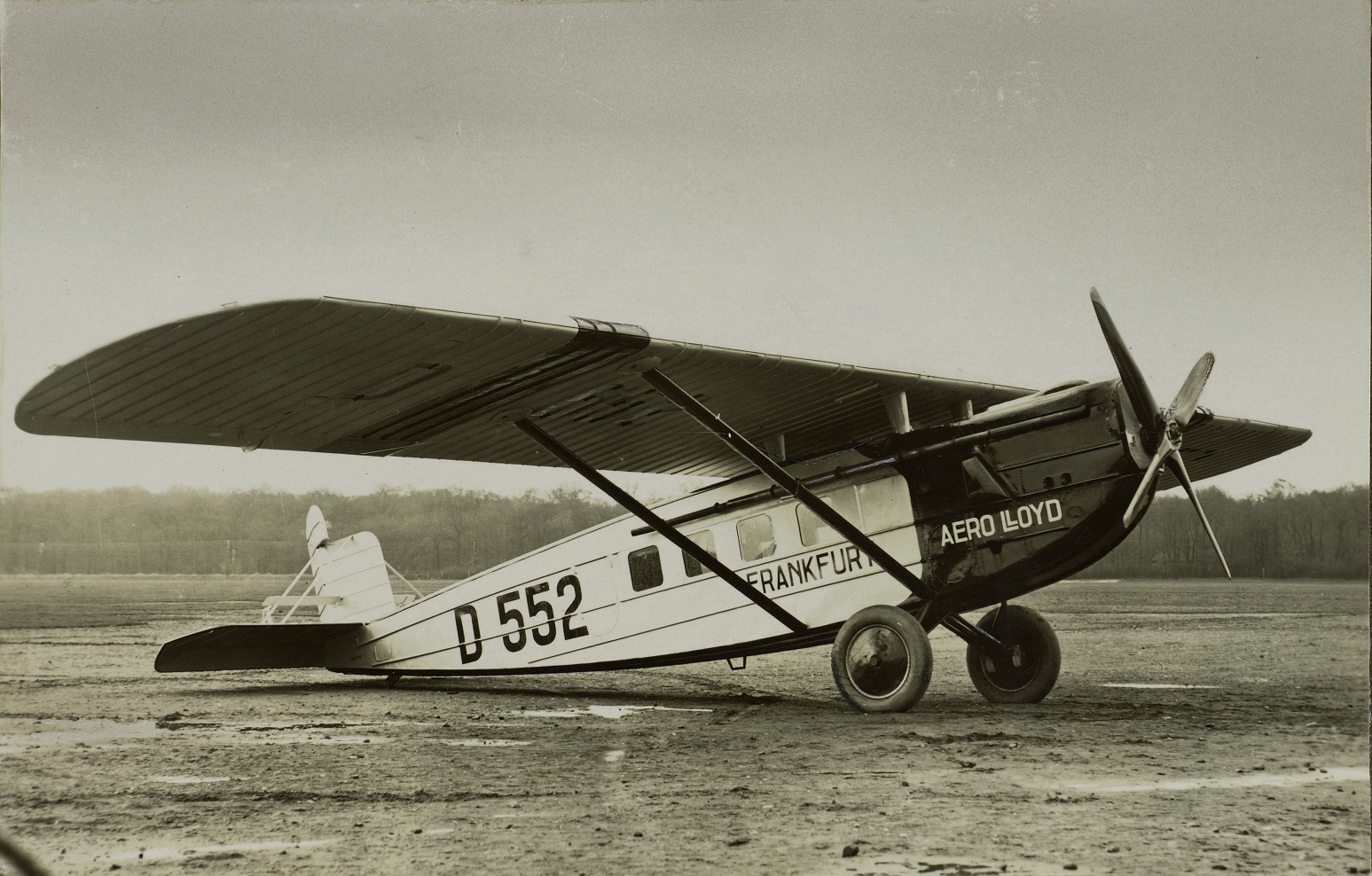
Historical Context & Origins
The Dornier Komet II, whose first flight took place in 1923, emerged in an era of great turmoil and restrictions for German aviation. After World War I, the Treaty of Versailles imposed severe limitations on the construction of military aircraft, pushing companies like Dornier to focus on the development of civilian aircraft, particularly for passenger and postal transport.
This context favored innovation and the birth of futuristic projects for the time, with particular attention to safety, efficiency and comfort. Dornier, under the visionary leadership of Claude Dornier, was notable for its pioneering adoption of all-metal structures, a design philosophy that would define the aviation industry for decades to come.
The Komet II was the direct evolution of the Komet I, refining the concept of a light and robust passenger aircraft. Its debut marked a significant step towards the normalization of commercial air travel, demonstrating the feasibility of regular air connections in Europe and laying the foundation for future airline expansions.
Architecture & Technological Design
The architecture of the Dornier Komet II was revolutionary for its time, embodying the principles of robustness and reliability that would become synonymous with the Dornier brand. It was a cantilever high-wing monoplane, a configuration that offered excellent stability and unobstructed visibility for passengers, crucial factors in instilling confidence in flying.
The choice of all-metal duralumin construction was a distinctive feature, differentiating it from most contemporary aircraft that still relied on mixed wood and canvas structures. This technique ensured greater structural strength, longevity and easier maintenance, significantly reducing operational risks.
The Komet II was typically equipped with an inline engine, such as the BMW IV or Rolls-Royce Eagle IX, capable of producing approximately 360 horsepower. This power, combined with a clean aerodynamic design and an enclosed cabin, allowed it to reach a maximum speed of approximately 170 km/h and a range of approximately 700 km, notable parameters for a passenger aircraft of the period.
Onboard Specifications
- ◆Cantilever high-wing monoplane: Optimized for stability, safety and a panoramic view for passengers, a hallmark of the Dornier design.
- ◆Full metal structure in duralumin: Pioneer in the use of light and resistant alloys, ensuring durability, less maintenance and greater structural safety.
- ◆Enclosed and heated passenger cabin: A luxury for its time, offering superior comfort and protection from the elements, essential for civil air transport.
Operational Career & Operators
The Dornier Komet II found its main use as a passenger and postal airliner, contributing fundamentally to the development of the first commercial air routes. It was adopted by several pioneer airlines, including Deutsche Luft Hansa (then just founded) and some Swiss airlines, becoming a key player in the first European airline networks.
Its robustness and reliability made it ideal for operating in variable weather conditions and on still rudimentary airports. The Komet II was used on routes connecting the main European cities, demonstrating that flying was no longer just an adventure, but a practical and increasingly accessible method of transport.
Even if it was not produced in huge numbers, each example contributed to consolidating public confidence in air transport. Its regular operation helped overcome initial skepticism, demonstrating the commercial viability and strategic importance of civil aviation.
Legacy & Cultural Impact
The legacy of the Dornier Komet II extends far beyond its significant operational career. It represented a turning point in passenger aircraft design, setting new standards in safety, comfort and reliability, at a time when aviation was still in its nascent stages.
Its innovative design, particularly the metal structure, directly influenced subsequent generations of Dornier aircraft and the aviation industry in general. It proved that a civil aircraft could be elegant, efficient and, above all, safe for the public, paving the way for the golden era of air travel.
The Komet II was not just an airplane, but a symbol of progress and a new era. It helped shape the perception of flight, transforming it from a daring undertaking to an everyday reality, leaving an indelible imprint on the history of aviation and the culture of air travel.
Telemetria Specs (HUD)
Hangar Trivia & Curiosità
- 💡The Komet II was one of Dornier's early land-based aircraft, following their success with all-metal flying boats.
- 💡Its design emphasized passenger comfort for its era, featuring an enclosed cabin with windows for passengers.
- 💡It served with early German airlines, such as Deutsche Aero Lloyd, contributing to the establishment of post-WWI commercial air routes.
Archivio Avvistamenti Spotter
Immagini scattate dalla community in tutto il mondo