IA 50 Guaraní II
FMA
Historical Context & Origins
Argentina in the 1960s aspired to greater autonomy in the aviation industry, and the Fábrica Militar de Aviones (FMA) in Córdoba was at the heart of these ambitions. After the success of the IA 35 Huanquero, a twin-engine piston aircraft, there was a need for a light and versatile transport aircraft, capable of superior performance and greater operational efficiency, which could consolidate national engineering capabilities.
It was in this context of innovative fervor that the IA 50 project took shape, conceived to overcome the limitations of the previous generation. The objective was to create a twin-engine turboprop aircraft, suitable for both military transport and liaison tasks and civilian roles for passengers and cargo, thus responding to a wide range of operational needs over a vast and geographically complex territory.
The first flight of the prototype, which took place on 17 May 1962, marked a milestone for Argentine aeronautical engineering. This event not only demonstrated the feasibility of the project, but also symbolized the country's ability to independently produce technologically advanced aircraft, projecting the FMA into the international scene as an emerging manufacturer of modern aircraft.
Architecture & Technological Design
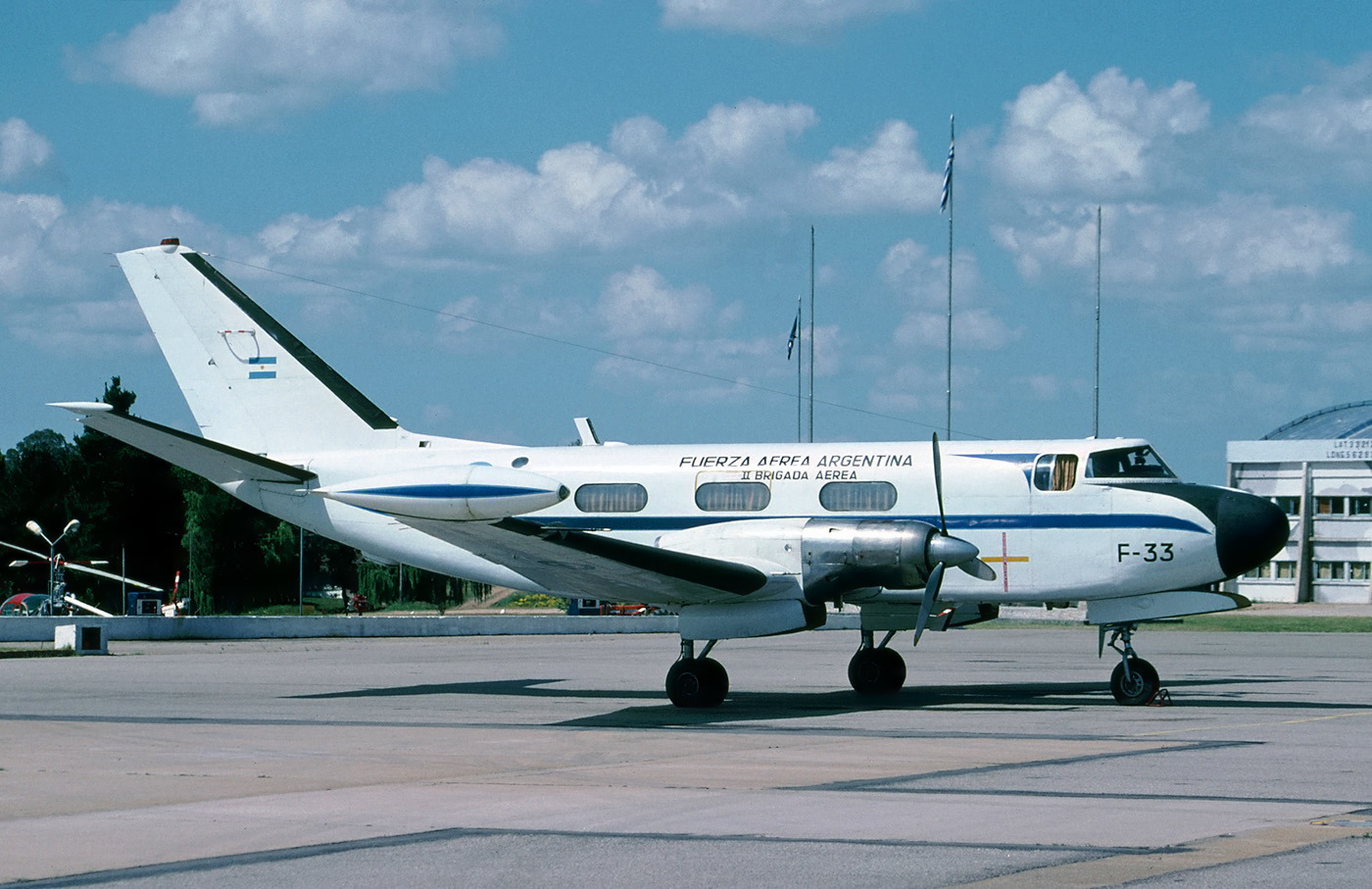
The FMA IA 50 Guaraní II came with a high-wing configuration and retractable tricycle landing gear, a choice that favored its operation from semi-prepared runways and airports with limited infrastructure. Its robust all-metal structure, made mainly of light alloys, ensured durability and resistance in a wide range of operating conditions, from hot-humid to arid environments.
The technological heart of the Guaraní II was represented by its two Turbomeca Bastan VI turboprop engines, each capable of delivering 930 eshp. These engines, compared to previous piston engines, offered significant advantages in terms of power, efficiency, reliability and vibration reduction, significantly improving flight performance and on-board comfort for crew and passengers.
The fuselage and cockpit design had been optimized for multi-role versatility. The easily reconfigurable cabin could accommodate up to 10-15 passengers or an equivalent load of cargo, making it ideal for troop transport, medical evacuation (MEDEVAC), photographic survey missions or as a training aircraft for pilots and navigators.
Onboard Specifications
- ◆Turbomeca Bastan VI engines: Two powerful 930 eshp turboprops, a guarantee of high performance and operational reliability.
- ◆Short Range Capability (STOL): Excellent short takeoff and landing capability, critical for operating in remote regions and on unprepared runways.
- ◆Rugged Structure for Versatile Operation: All-metal, high-wing design to withstand harsh conditions and facilitate internal reconfiguration for different missions.
Operational Career & Operators
The Guaraní II quickly became a mainstay of the Argentine Air Force (FAA), serving as a light transport, liaison and training aircraft for decades. Its reliability and robustness made it indispensable for logistical support and for the connection between air bases dispersed throughout the national territory, including Antarctic bases in extreme conditions.
In addition to its military role, the IA 50 was also widely used by Líneas Aéreas del Estado (LADE), the Argentine state airline, to transport passengers and cargo to less accessible destinations served by commercial carriers. This dual function testified to its intrinsic flexibility and its importance in the socio-economic fabric of the country.
The operational longevity of some examples, which have exceeded 40 years of service, is a clear testimony to the solidity of the design and construction quality. Many Guaraní IIs have flown countless missions in every corner of Argentina, consolidating their reputation as the "workhorses" of the national aviation, reliable and tireless.
Legacy & Cultural Impact
The FMA IA 50 Guaraní II represents much more than a simple aircraft; it is a tangible symbol of Argentine ingenuity and industrial capacity. Its design and construction at home demonstrated that Argentina was capable of competing internationally in the production of modern aircraft, stimulating national pride and confidence in its technological competence.
The success of the Guaraní II had a lasting impact on the development of Argentine aviation, influencing subsequent generations of aeronautical engineers and technicians. It has helped keep the skills and infrastructure needed for the aerospace industry alive, serving as a testing ground for the adoption of new technologies and manufacturing processes.
Even today, several examples of the Guaraní II are preserved in museums and private collections, silent witnesses of an era of great turmoil and aspirations. Its iconic figure evokes memories of pioneering, epic flights and the fundamental contribution this aircraft made to the connectivity and defense of the vast Argentine territory, cementing its place in aeronautical history.
Telemetria Specs (HUD)
Hangar Trivia & Curiosità
- 💡It was the first turboprop aircraft developed and manufactured in Argentina by Fábrica Militar de Aviones (FMA).
- 💡One Guaraní II undertook a pioneering long-range flight to the United States in 1966 for display, showcasing Argentine aviation capabilities.
- 💡Several units were adapted for specialized roles beyond transport, including aerial photography and maritime surveillance missions.
Archivio Avvistamenti Spotter
Immagini scattate dalla community in tutto il mondo