F.III
Fokker
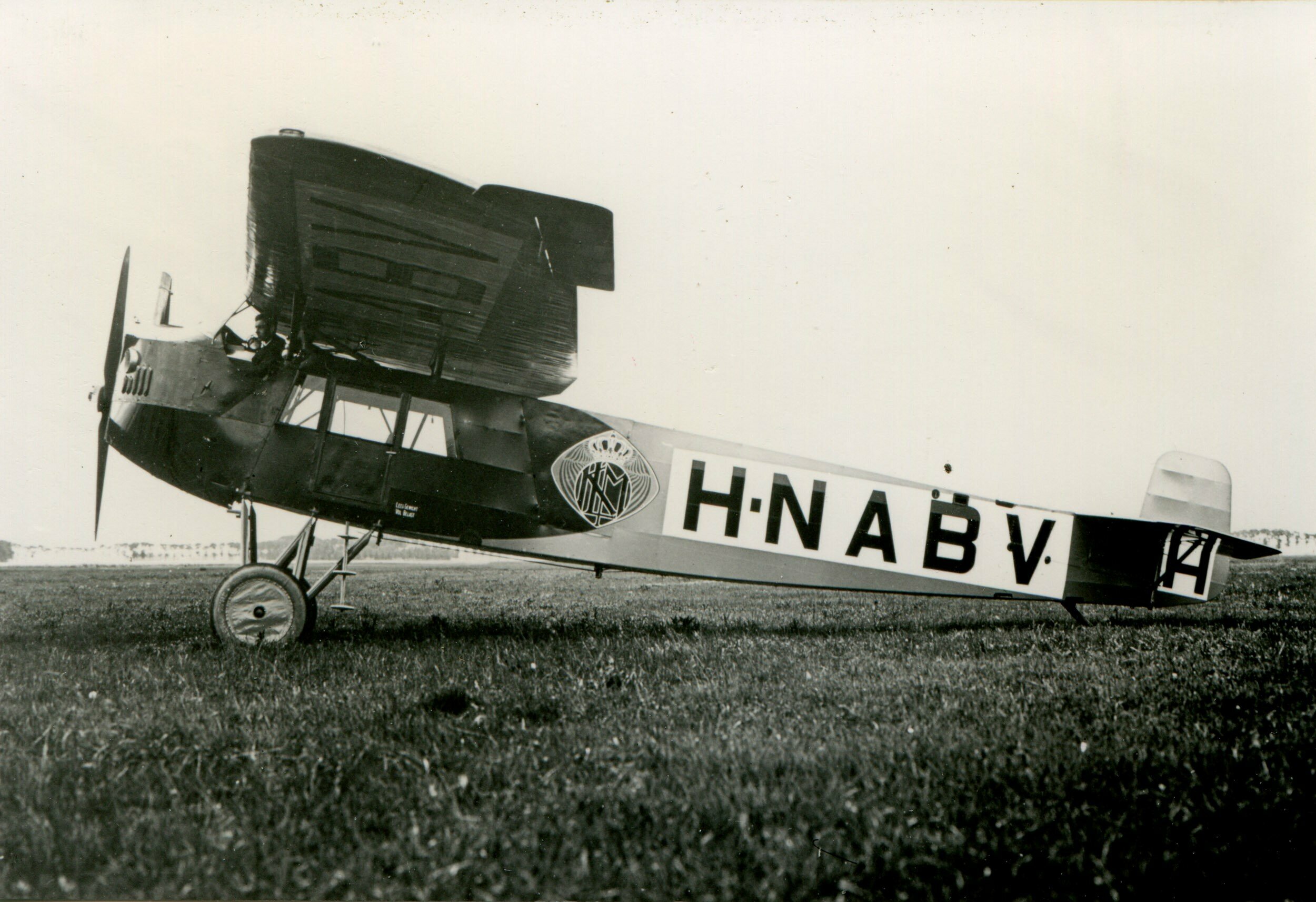
Historical Context & Origins
The Fokker F.III, with its first flight in 1921, emerged in an era of profound transformation for aviation, rapidly moving from military use in the First World War to the embryonic era of civil transport. The post-war period saw the urgency of reconverting war technologies and infrastructures towards peaceful purposes, and Anthony Fokker, with his keen vision, was among the pioneers of this transition.
This aircraft represented a direct evolution of the previous F.II, refining the concepts of robustness, reliability and operational simplicity, essential qualities for a nascent sector. The primary objective was to offer new airlines an efficient and safe means of transporting passengers and mail, laying the foundations for future European trade routes.
Architecture & Technological Design
The F.III sported a distinctive, cutting-edge design for its time, cementing Fokker's reputation for engineering innovation. It was a high-wing monoplane, with the characteristic cantilever wing that eliminated the need for external struts or rods, reducing aerodynamic drag and simplifying construction and maintenance.
The fuselage, robust but light, was mainly built in plywood on a wooden structure, while the wings often used wood and fabric. This combination of materials ensured considerable structural strength, essential for meeting the challenges of pioneering civil flight, and relative ease of repair.
The powerplant was often a reliable 360 hp Rolls-Royce Eagle VIIIor450 hpNapier Lion engine, located in the nose of the aircraft. This provided the power needed to carry a significant payload and kept the configuration simple, contributing to its operational reliability in an era of rapid technological evolution.
Onboard Specifications
- ◆Cantilever wing: A key innovation that eliminated external stays, reducing drag and improving aerodynamic efficiency, typical of the Fokker design.
- ◆Enclosed and, in some versions, heated passenger cabin: a significant step forward for passenger comfort, protecting them from the elements and making air travel more attractive.
- ◆Rolls-Royce Eagle VIII or Napier Lion engines: engines with proven reliability and power, crucial to the aircraft's performance and load capacity on early commercial routes.
Operational Career & Operators
The Fokker F.III found its flagship role with the nascent KLM Royal Dutch Airlines, quickly becoming the backbone of its initial fleet. These aircraft were instrumental in establishing the first regular air routes in Europe, connecting vital cities such as Amsterdam, London, Brussels and Paris, helping to weave the continental air transport network.
In addition to KLM, other European airlines, such as the German Deutsche Aero Lloyd, also employed the F.III, appreciating its proven reliability and relatively low operating costs. This made it possible to demonstrate the economic feasibility of scheduled air transport, even with a limited number of passengers (often 4-5 people) and a load of mail.
Legacy & Cultural Impact
Although not among the most famous aircraft in the popular sense, the Fokker F.III left an invaluable legacy in the development of civil aviation. It was a crucial "workhorse" that validated the airlines' business model, demonstrating that air travel could be a safe and profitable enterprise.
Its high-wing monoplane architecture, the innovations of which were further refined by Fokker, directly influenced the company's later, larger models. The F.III is therefore a tangible symbol of the pioneering spirit that shaped commercial aviation, a fundamental step towards the modern jets that soar the skies today.
Telemetria Specs (HUD)
Hangar Trivia & Curiosità
- 💡Early F.III models unusually placed the pilot inside the main passenger cabin, behind the passengers, before a separate enclosed cockpit was introduced.
- 💡KLM was a major operator, utilizing a significant fleet of F.IIIs to establish some of Europe's first regular international passenger air routes.
- 💡It was a pioneering commercial airliner, demonstrating the viability of scheduled passenger air travel in the nascent stages of aviation.
Archivio Avvistamenti Spotter
Immagini scattate dalla community in tutto il mondo