EMB 120 Brasilia
Embraer
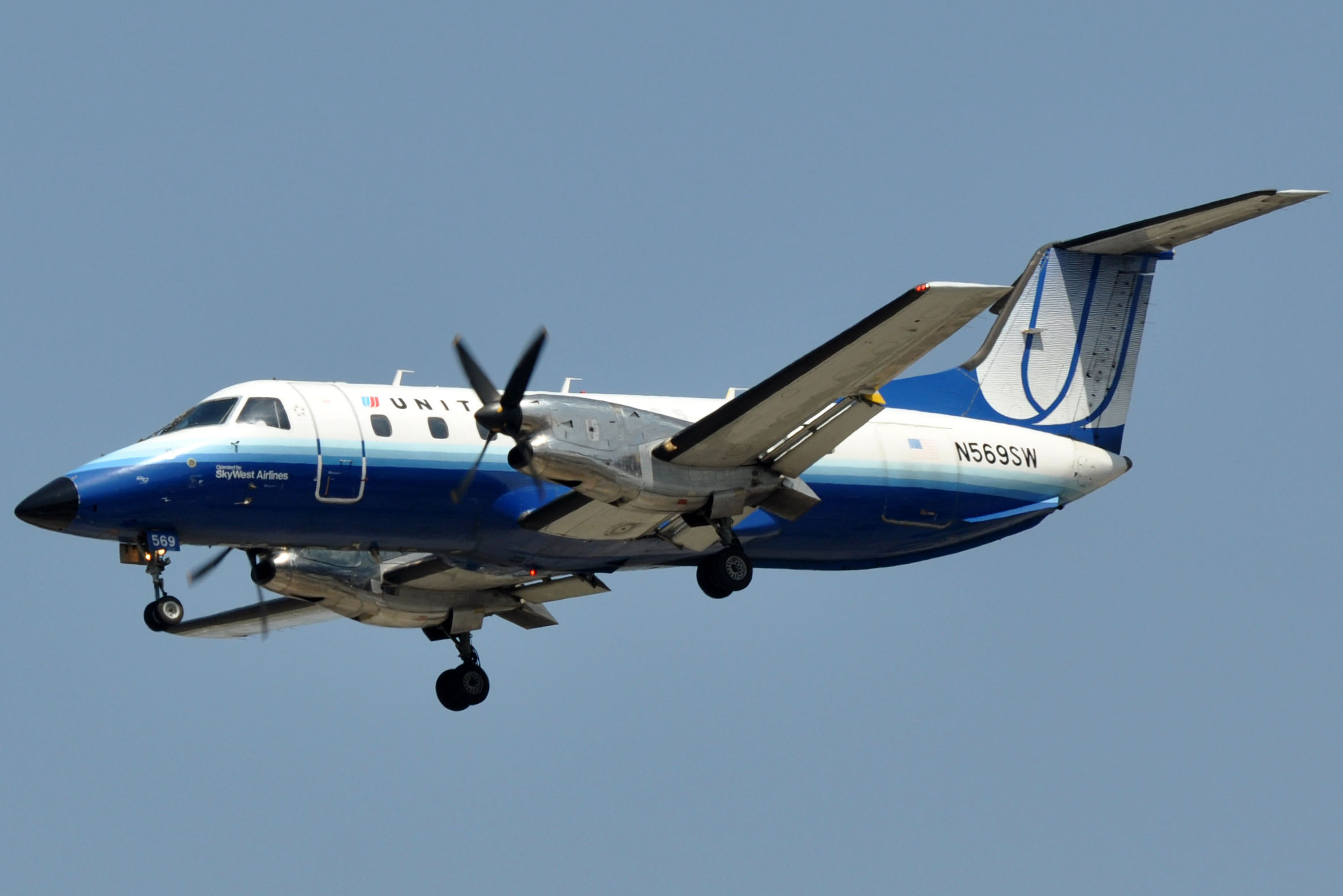
Historical Context & Origins
The early 1980s marked a period of great dynamism in regional aviation. Embraer, building on the global success of the EMB 110 Bandeirante, aimed to consolidate its position with a larger and more high-performance aircraft, capable of meeting the needs of a rapidly expanding market for air transport over medium-short distances.
The Embraer EMB 120 Brasilia was conceived as a new generation turboprop, designed to combine the typical performance of a jet with the operational efficiency of propeller aircraft. The goal was to effectively connect secondary airports to major hubs, while ensuring a superior travel experience for passengers.
On July 27, 1983 the prototype took to the air for the first time, marking the beginning of a new era for regional aviation and the Brazilian aeronautical industry. The Brasilia represented a significant leap in quality, quickly establishing itself as a serious competitor in the regional aircraft landscape.
Architecture & Technological Design
The EMB 120 Brasilia stood out for its sophisticated aerodynamic architecture and robust design, optimized to maximize efficiency and reliability. It was a low-wing monoplane, twin-engine turboprop configuration, which combined aesthetic elegance with impeccable operational functionality, crucial for its class.
At the heart of its exceptional performance were the powerful Pratt & Whitney Canada PW118 engines, renowned for their reliability and fuel efficiency. Coupled with four-bladed Dowty Rotol propellers, these thrusters provided vigorous thrust while reducing noise and vibration in the cabin for greater passenger comfort.
The pressurized fuselage, a fundamental element for the well-being of travelers on regional routes, allowed flights at higher altitudes, overcoming turbulence and guaranteeing greater cruising speed. The use of light alloys and, in some sections, composite materials contributed to keeping the weight down, increasing the overall efficiency of the aircraft.
Onboard Specifications
- ◆Cruising speed: Approximately 550 km/h (297 knots), an impressive figure for a turboprop of the time, fundamental for the speed of connections.
- ◆Passenger Capacity: Typically configured for 30 passengers, arranged in a comfortable three-per-row configuration.
- ◆Autonomy: Up to 1,500 km (810 nautical miles), allowing long-range regional flights without the need for intermediate stops.
Operational Career & Operators
The Embraer EMB 120 Brasilia entered active service in the mid-1980s, quickly earning a solid reputation as a versatile and highly reliable aircraft. Its winning combination of high performance, passenger comfort and low operating costs made it a favorite among regional airlines around the world.
Prominent operators such as Atlantic Southeast Airlines (ASA) and SkyWest Airlines in the United States, or the Swiss Crossair in Europe, became loyal customers of the Brasilia. They took full advantage of its ability to serve moderate-demand routes with high frequency, making Brasilia an essential pillar of their networks.
Its intrinsic robustness and remarkable ease of maintenance have contributed to its extraordinary operational longevity. Many examples have accumulated decades of impeccable service, continuing to fly in different configurations, from passenger transport to cargo or for special missions, in every corner of the globe.
Legacy & Cultural Impact
The EMB 120 Brasilia was not simply a commercial success, but a real catalyst for Embraer, firmly establishing it as one of the major aircraft manufacturers globally. Its triumph provided the fundamental foundations and indispensable know-how for the development of the subsequent revolutionary ERJ series of regional jets.
The Brasilia epitomized Brazilian engineering excellence, demonstrating to the world the country's ability to produce cutting-edge aircraft. It has become a tangible symbol of national pride and an unsurpassed landmark in the regional aviation landscape, loved for its reliability and distinctive imprint in the skies.
Even today, the Embraer EMB 120 Brasilia is remembered with deep respect and affection by pilots, crews and passengers for its robustness, its unrivaled performance and the crucial role it played in the expansion and democratization of regional air transport. Its legacy continues to influence the design and philosophy of modern airliners, bearing witness to timeless design.
Telemetria Specs (HUD)
Hangar Trivia & Curiosità
- 💡It was Embraer's first pressurized aircraft specifically designed for commercial passenger operations, marking a major step for the Brazilian manufacturer.
- 💡The EMB 120 held the record for the fastest regional turboprop in its class for several years after its introduction.
- 💡Despite its age, many Brasilia aircraft have been converted into cargo freighters or executive transports, extending their operational life due to their reliability and robust design.
Archivio Avvistamenti Spotter
Immagini scattate dalla community in tutto il mondo