DH.50
de Havilland
Historical Context & Origins
The early 1920s marked a crucial transition for aviation, from the military to the civilian sphere. Airlines sought reliable, economical, and comfortable aircraft to transport passengers and mail, overcoming the limitations of the open biplanes of the post-war era.
In this context, the de Havilland Aircraft Company, led by Geoffrey de Havilland, responded with the versatile DH.50. Designed as a single-engine biplane, its goal was twofold: to excel at carrying air mail and to offer a modest but popular passenger capacity, a bold concept for its time. The first flight occurred in 1924, ushering in a new generation of civil aircraft.
Architecture & Technological Design
The de Havilland DH.50 exhibited classic biplane architecture, with a boxy fuselage made of wood and plywood, covered in canvas, ensuring structural strength and lightness. The design emphasized ease of maintenance and versatility, placing the open cockpit for the pilot behind the wing.
The real innovation lay in the enclosed passenger cabin, usually configured to accommodate four passengers, providing unprecedented comfort for scheduled flights of that period. Originally powered by a Siddeley Puma 230hp engine, the DH.50 demonstrated remarkable adaptability to a variety of engines, including the Rolls-Royce Eagle and Armstrong Siddeley Jaguar, maximizing operational efficiency and spares availability.
Onboard Specifications
- ◆Enclosed and comfortable passenger cabin: A luxury for its time, it offered protection from the elements and reduced noise, enhancing the travel experience.
- ◆Interchangeability of engines: The modular design allowed the installation of different propulsion units, increasing the operational flexibility and longevity of the aircraft.
- ◆Sturdy wood and canvas construction: Chosen for its proven reliability, ease of repair and low manufacturing costs, crucial factors for the expansion of airline services.
Operational Career & Operators
The DH.50 quickly became a mainstay of commercial and postal aviation, especially for operators in the British Empire. Imperial Airways used it on its first European routes and for mail transport, consolidating its reputation for reliability and efficiency.
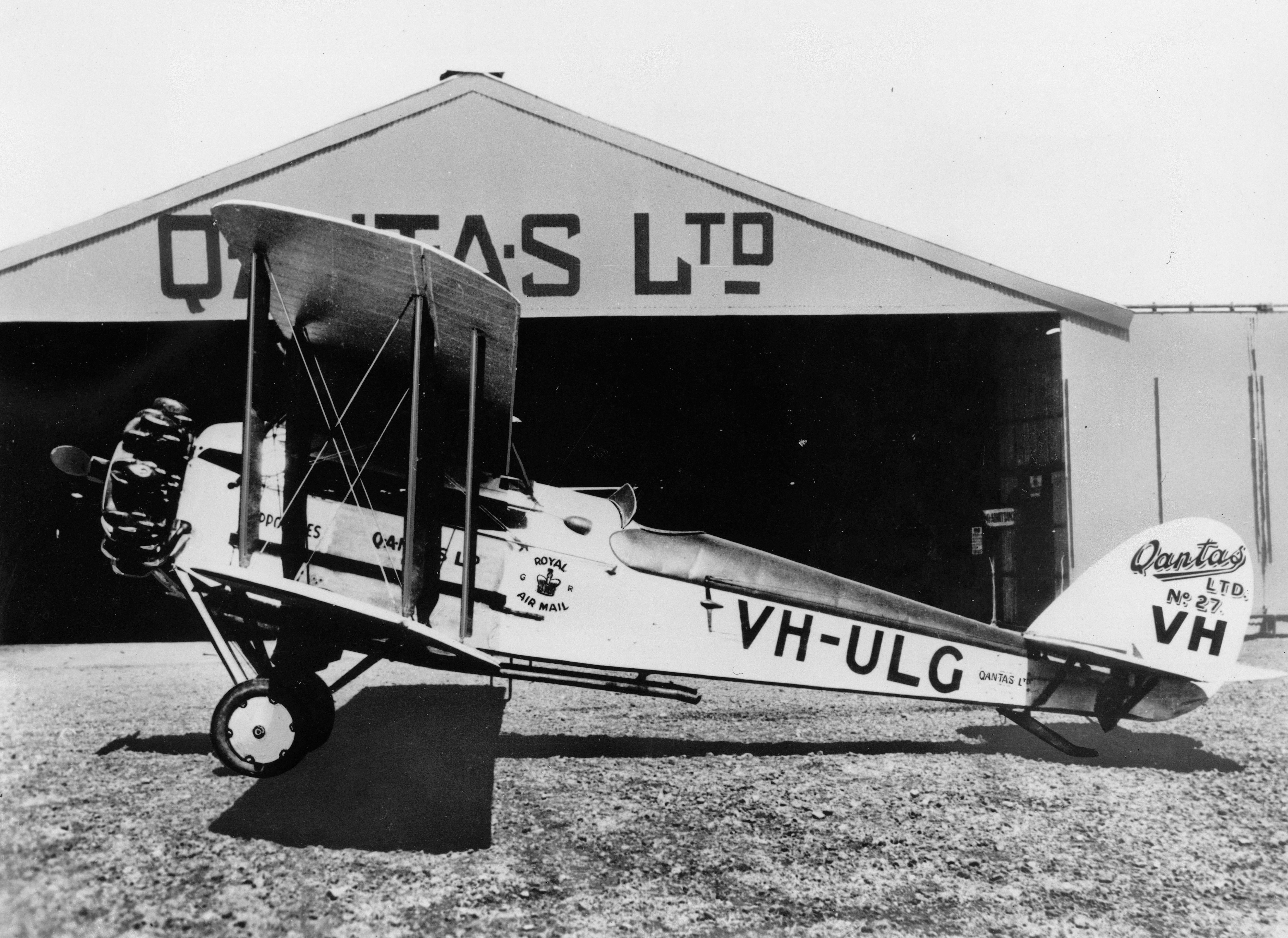
In Australia, the DH.50 found fertile ground, where Qantas adopted it as its workhorse to expand air services into remote outback regions. It was crucial in connecting isolated communities, transporting mail, goods and passengers across immense distances, often in extreme environmental conditions. Its versatility was further highlighted by the ability to be converted into a seaplane, opening up new opportunities for coastal and lake routes, contributing to its global success.
Legacy & Cultural Impact
The de Havilland DH.50 was not simply an airplane; it was a catalyst for the expansion of commercial aviation and a symbol of growing confidence in air transportation. Its robustness and ability to operate in diverse environments demonstrated that aviation could be a reliable and sustainable service.
The DH.50 laid the foundation for future generations of de Havilland civil aircraft, influencing the company's design and engineering approach. It represented a critical step from the experimental era to that of consolidated air operations, helping to shape the first routes that would become vital arteries for global trade and communication. Today it is celebrated as a hard-working pioneer, an aircraft that helped "close the gap" and demonstrate the limitless potential of commercial flight.
Telemetria Specs (HUD)
Hangar Trivia & Curiosità
- 💡Qantas effettuò il suo primo volo passeggeri internazionale con un DH.50 nel 1935, collegando Brisbane a Singapore.
- 💡Molti DH.50 furono costruiti su licenza in Australia dalla stessa Qantas, rendendolo un significativo aereo assemblato localmente nei primi anni dell'aviazione australiana.
- 💡La sua robustezza permetteva facili conversioni a idrovolante o skiplane, estendendone l'utilità in aree remote o prive di piste convenzionali.
Archivio Avvistamenti Spotter
Immagini scattate dalla community in tutto il mondo