DC-9-50
McDonnell Douglas
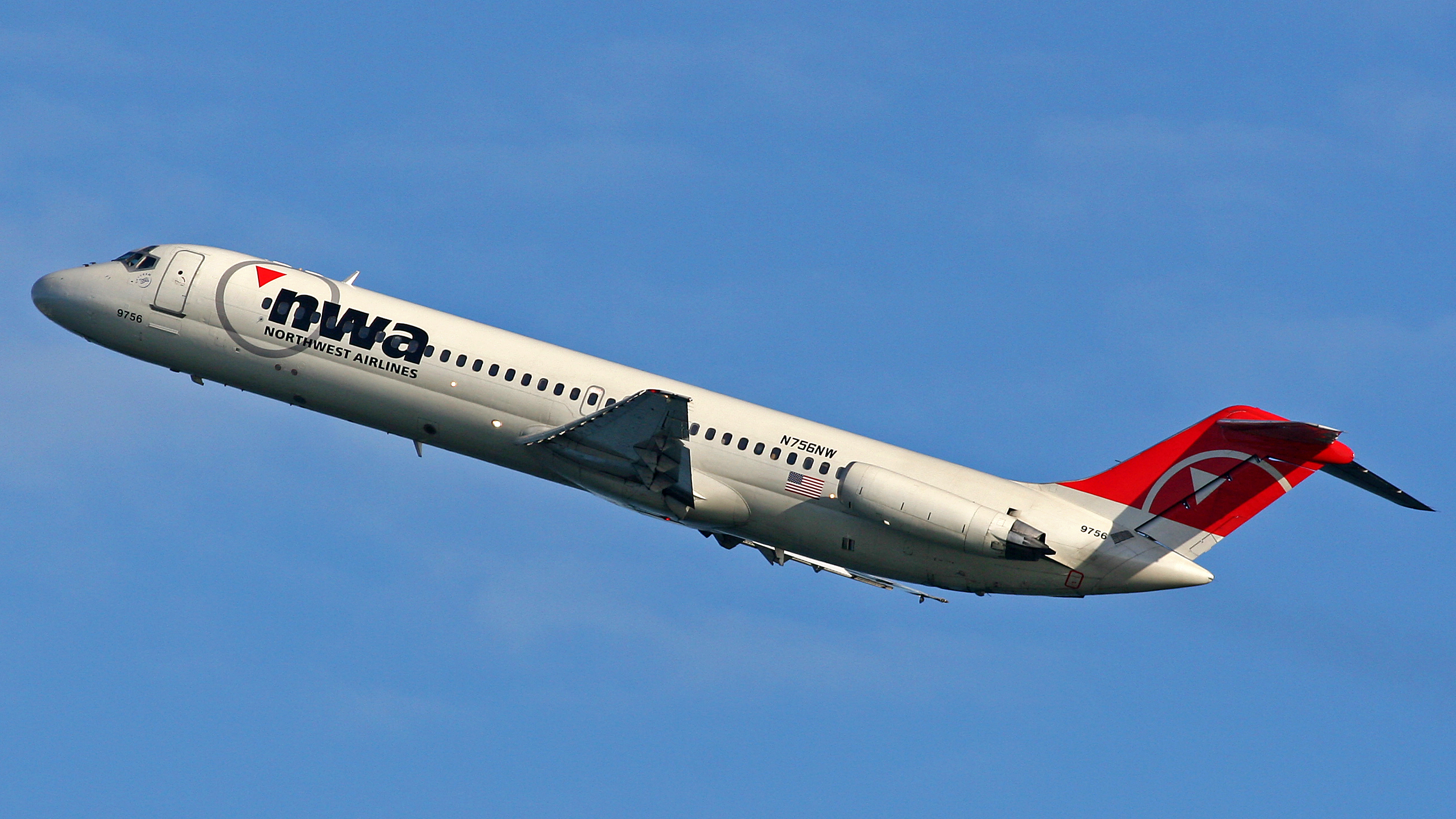
Historical Context & Origins
The McDonnell Douglas DC-9 established itself as an irreplaceable pillar in the short and medium range air traffic panorama, thanks to its operational efficiency and structural robustness. Originally conceived to serve high-frequency routes and airports with limited infrastructure, it quickly became a favorite among airlines.
With the unstoppable growth in demand for air transport and the need to optimize capacity on increasingly busy routes, the need for a version with greater capacity became apparent. The DC-9-50 was born from this evolutionary push, representing the pinnacle of the development of the original short and medium fuselage design.
Its first flight took place in 1974, marking the entry of a variant that responded decisively to the new challenges of the market. The DC-9-50 was designed to offer greater profitability and versatility, solidifying the reputation for reliability and performance of the entire DC-9 family.
Architecture & Technological Design
The distinguishing feature of the DC-9-50 was its significantly lengthened fuselage, a modification that made it the most spacious of the initial series models. This extended aerodynamic body allowed it to accommodate considerably more passengers, raising its transport capacity to new levels.
To compensate for the increased weight and new performance requirements, the DC-9-50 was equipped with the more powerful Pratt & Whitney JT8D-15 or JT8D-17 turbofan engines. These thrusters, mounted in a distinctive tail configuration, provided not only the necessary thrust but also excellent fuel efficiency and noise reduction.
The design retained the low wing, T-shaped empennage and proven structural strength of the DC-9, but with specific reinforcements and landing gear adjustments to handle the increased maximum takeoff weight. These technological evolutions made it an extremely high-performance and economically advantageous aircraft.
Onboard Specifications
- ◆Fuselage lengthened by 4.14 meters compared to the DC-9-30, maximizing capacity.
- ◆Passenger capacity increased up to 139 seats in high density configuration.
- ◆Pratt & Whitney JT8D-15/17 engines which provided greater thrust and efficiency.
Operational Career & Operators
The DC-9-50 quickly achieved considerable commercial success, joining the fleets of numerous global air carriers. Among its most important operators stand out names such as Eastern Airlines, which was the launch customer, Swissair and SAS (Scandinavian Airlines System), which appreciated its high versatility and operating economy.
The aircraft proved excellent in mass transportation on high-frequency short- and medium-haul routes, becoming a crucial element in the daily operations of many airlines for decades. Its inherent reliability and low maintenance costs strengthened its reputation as a robust and profitable aircraft.
Although production of the DC-9-50 ended in 1975, many examples remained in active service for long periods, with some examples flying well beyond the start of the new millennium. This longevity is a testament to its exceptional durability and the foresight of its design.
Legacy & Cultural Impact
The McDonnell Douglas DC-9-50 has left a profound legacy in commercial aviation, serving as a crucial link between the first generations of short-range jetliners and modern regional aircraft. Its combination of capability and efficiency directly influenced the development of future successors, including the MD-80/90 and, ultimately, the Boeing 717.
Its story embodies a fundamental chapter in the evolution of aviation, highlighting how a well-conceived design can be adapted and improved to effectively respond to changing market needs. The DC-9-50 was not simply an airplane, but a symbol of innovation and adaptability for the entire jet age.
Even today, the memory of the DC-9-50 evokes an era of remarkable growth and transformation for aviation, a period in which air connectivity became accessible to an ever-wider audience. Its legacy lies in its ability to efficiently connect cities and people, pioneering today's standards in air transportation.
Telemetria Specs (HUD)
Hangar Trivia & Curiosità
- 💡The DC-9-50 was the largest and heaviest variant within the original DC-9 series before the introduction of the MD-80 family.
- 💡It typically utilized more powerful Pratt & Whitney JT8D-15 or JT8D-17 engines to accommodate its increased size and passenger capacity compared to earlier DC-9 models.
- 💡With its stretched fuselage, the DC-9-50 could carry up to 139 passengers in a single-class configuration, a substantial increase from the initial DC-9-10's capacity.
Archivio Avvistamenti Spotter
Immagini scattate dalla community in tutto il mondo