DC-9-30
Douglas
Historical Context & Origins
The Douglas DC-9-30, with its first flight in 1966, emerged in an era of rapid expansion of air travel, when airlines needed an efficient and robust jet for medium-to-short-haul routes. The Douglas Aircraft Company responded to this growing demand with an innovative design, conceived to operate effectively even from smaller airports, characterized by shorter runways and limited infrastructure.
This aircraft was a direct response to the need to connect urban and regional centers with the speed and comfort of jets, but without the excessive capacity of the "jumbos" of the time. The original DC-9, first flown in 1965, proved a success, but the -30 variant, with its increased capacity and range, soon became the backbone of numerous global airline fleets, setting the standard for regional jets.
Architecture & Technological Design
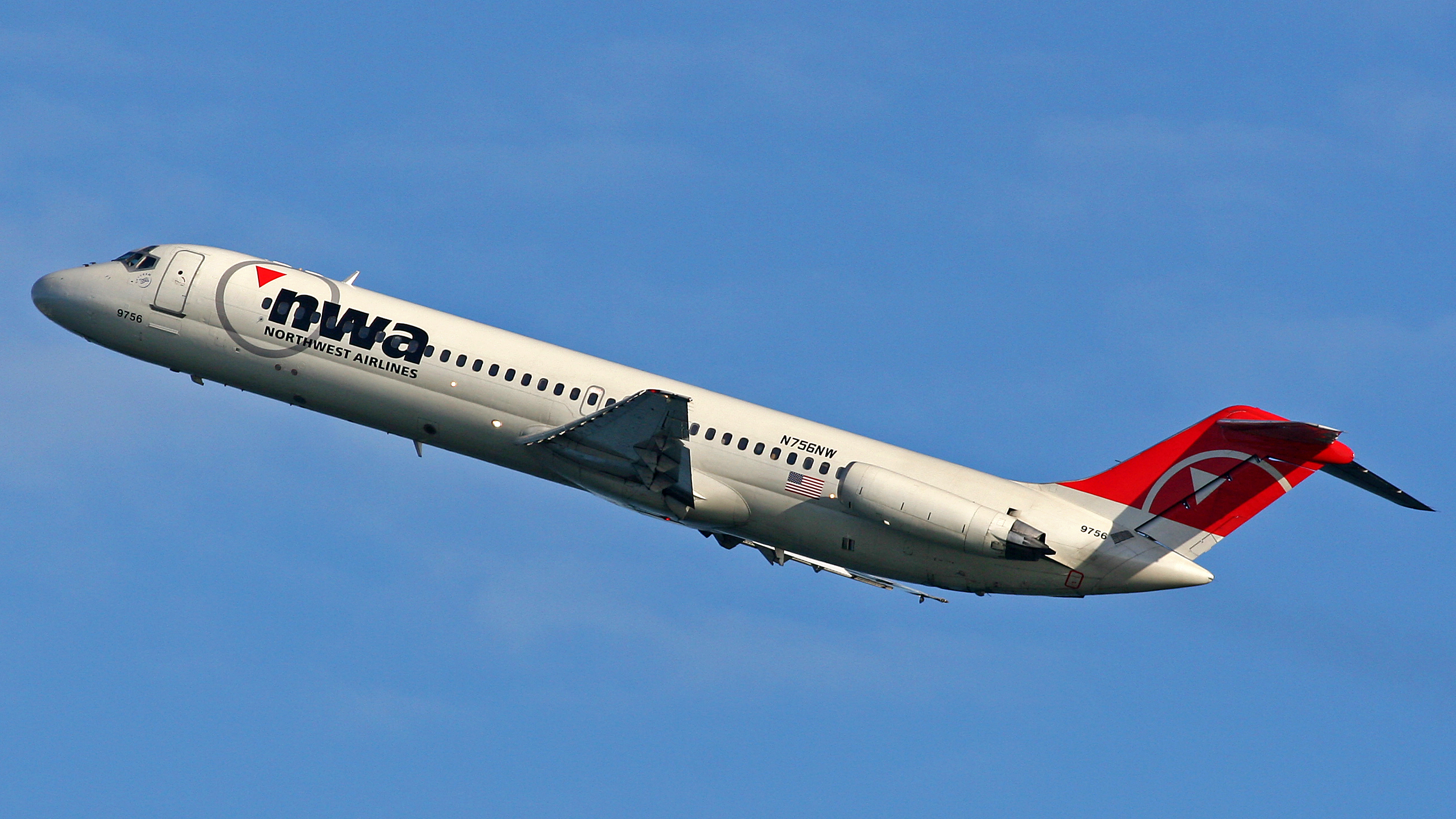
The architecture of the DC-9-30 was distinguished by advanced and practical engineering solutions, designed to maximize operational efficiency. The configuration with two rear-mounted Pratt & Whitney JT8D engines and a distinctive T-tail not only improved aerodynamics but also protected the engines from debris on runways. This design choice also freed up the wings, allowing for a simpler and more robust design.
The stretched fuselage of the -30 series compared to previous models increased passenger capacity, typically bringing it to 115-125 seats, without compromising excellent take-off and landing performance. Its low aspect ratio wings, optimized for low speeds, allowed it to operate with agility on shorter runways, reducing turnaround times and operating costs for airlines.
Onboard Specifications
- ◆Integrated APU (Auxiliary Power Unit): It allowed energy autonomy on the ground, reducing dependence on airport infrastructure and accelerating boarding operations.
- ◆Air brakes on wings (Spoilers): Essential for quickly reducing speed and landing distance, contributing to its ability to operate on short runways.
- ◆Modular Cabin Design: Offered carriers flexibility to configure interiors to specific passenger and cargo needs, maximizing revenue potential.
Operational Career & Operators
The DC-9-30 quickly won the hearts of airlines around the world, becoming an invaluable workhorse for domestic and regional routes. Iconic carriers such as Delta Air Lines, Eastern Air Lines, Alitalia and SAS used it extensively, appreciating its reliability, robustness and ease of maintenance.
Its operational career was exceptionally long, with many examples flying for decades, testifying to the soundness of the original design. The DC-9-30's ability to operate with high frequency and low costs per passenger mile made it the ideal choice for expanding connection networks, bringing air transport to an ever wider audience.
Legacy & Cultural Impact
The legacy of the Douglas DC-9-30 is deep and enduring, having influenced an entire generation of subsequent aircraft. Its basic architecture, with engines in the tail and T-tail, was the blueprint for the evolution of a prolific family of jets, including the famous MD-80, MD-90 and, finally, the Boeing 717.
This aircraft was not only a commercial success, but a symbol of reliability and accessibility, significantly contributing to the democratization of air travel. Even today, although most have been withdrawn from passenger service, some examples continue to fly in cargo or military roles, demonstrating a truly timeless design.
Telemetria Specs (HUD)
Hangar Trivia & Curiosità
- 💡La serie DC-9 fu progettata per atterraggi su campi corti e rapidi turnaround, rendendola ideale per espandere il servizio di jet regionali.
- 💡Molti DC-9, inclusa la variante -30, furono successivamente modernizzati e rimotorizzati, trasformandosi nella serie MD-80 e prolungandone significativamente la vita operativa.
- 💡La sua distintiva configurazione con motori posteriori permetteva un'ala "pulita", migliorando l'efficienza aerodinamica e riducendo il rumore in cabina.
Archivio Avvistamenti Spotter
Immagini scattate dalla community in tutto il mondo
Vettori Rilevati (Flotta Attiva)



Vettori Rilevati (Flotta Storica / Dismessa)


Ozark Air Lines
Stato: Dismesso

Swissair
Stato: Dismesso

Aero Trasporti Italiani
Stato: Dismesso
Dutch Caribbean Airlines
Stato: Dismesso

Atlantis
Stato: Dismesso
Aero Lloyd
Stato: Dismesso
Alitalia
Stato: Dismesso
Adria Airways
Stato: Dismesso

ALM Antillean Airlines
Stato: Dismesso

Aviaco
Stato: Dismesso