DC-9-20
Douglas
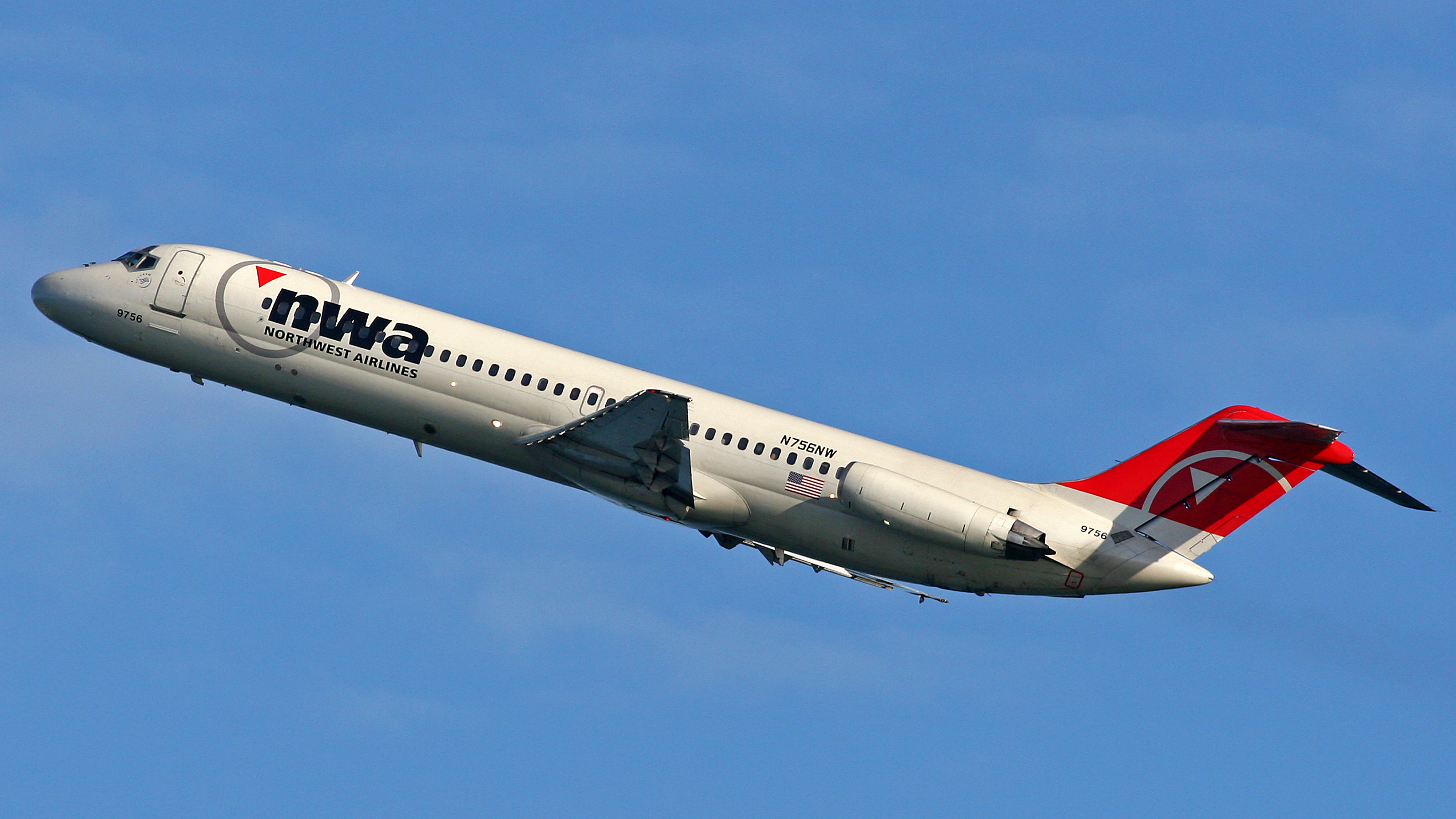
Historical Context & Origins
The Douglas DC-9, launched in 1965, was McDonnell Douglas' innovative response to the growing demand for affordable, reliable short-range airliners. Born to operate from smaller airports with limited infrastructure, it quickly became a mainstay of regional aviation, characterized by its tail-engine configuration and clean wing.
The DC-9 family expanded with several variants, but the need for a high-performance aircraft on short runways and in difficult conditions led to the birth of the DC-9-20. This version was an ingenious fusion of features, developed primarily for the needs of carriers such as SAS (Scandinavian Airlines System), which operated in particularly challenging climatic and infrastructure environments.
The first flight of the DC-9-20 occurred in 1968, marking the entry into service of a highly specialized version. Retaining the shorter fuselage of the DC-9-10, crucial for maneuverability, it integrated the larger, more aerodynamically advanced wings of the future DC-9-30 and -40, featuring a larger wingspan and improved flaps.
Architecture & Technological Design
The DC-9-20 represented a targeted optimization, combining the compactness of the -10 model with the aerodynamic power of subsequent variants. The 29.15 meter fuselage of the -10 allowed for a capacity of 90-115 passengers, ideal for high-frequency regional routes, maintaining operational agility in confined spaces.
The real innovation lay in its wings, inherited from the -30 and -40 models. With a wingspan of 28.47 meters, significantly larger than the 27.25 meters of the -10, and the integration of slats on the leading edge, the DC-9-20 guaranteed exceptional lift capacity. This design gave it superior STOL (Short Take-Off and Landing) performance, essential for airports with short runways or high altitudes.
Completing the performance package were the powerful Pratt & Whitney JT8D-11 or JT8D-15 turbofan engines, mounted on the tail. These thrusters provided considerable thrust, allowing the aircraft to accelerate rapidly and reach optimal takeoff speeds over short distances, demonstrating remarkable resilience in adverse conditions.
Onboard Specifications
- ◆Advanced propulsive power: JT8D-11 or JT8D-15 engine for a thrust of approximately 64.5 kN (14,500 lbf) each. These engines provided the power needed for quick takeoffs on short runways.
- ◆STOL optimized aerodynamics: Extended wingspan with slats and dual-slotted flaps to maximize lift and reduce landing speeds. This configuration allowed exceptional performance in difficult conditions.
- ◆Robust structure for intensive cycling: Designed to withstand the stresses resulting from frequent take-offs and landings, typical of short-range operations. Its durability was critical for consistent and reliable operation.
Operational Career & Operators
The main and almost exclusive operator of the DC-9-20 was SAS (Scandinavian Airlines System), which ordered ten examples. The aircraft immediately proved to be a workhorse in an operational environment that included often snowy or icy runways, with specific requirements for approach and takeoff procedures in Norway and Sweden.
Thanks to its exceptional STOL capabilities, the DC-9-20 allowed SAS to efficiently serve a vast network of regional airports, ensuring fast and reliable connections even in the most remote locations in Scandinavia. Its reliability and short runway performance made it an indispensable tool for Nordic connectivity.
Although production of the DC-9-20 was limited, its operational career was long-lived, with some examples remaining in service for decades, a testament to the robustness of the design and the validity of the concept for niche needs.
Legacy & Cultural Impact
The Douglas DC-9-20, while not the largest member of its family, left a significant footprint as an example of focused aeronautical engineering. Its creation demonstrated the flexibility of the DC-9 platform and McDonnell Douglas' ability to adapt its designs to meet highly specific operational requirements.
Its success in hostile environments helped cement the DC-9 series' reputation for reliability and versatility. The philosophy of integrating components from different variants to optimize performance for a given market segment is a design lesson that has influenced the development of future regional and short-range aircraft.
Today, the DC-9-20 is remembered as a testament to the golden era of regional jetliners, a symbol of ingenuity and adaptability. Its contribution, although niche, was instrumental in expanding air connectivity into hard-to-reach regions, cementing its place in aviation history.
Telemetria Specs (HUD)
Hangar Trivia & Curiosità
- 💡Il principale operatore del DC-9-20 fu Scandinavian Airlines System (SAS), che ne ordinò dieci esemplari, apprezzandone le capacità su rotte europee brevi e ad alta densità.
- 💡Nonostante fosse una delle varianti più corte del DC-9 (simile al -10), montava i motori più potenti solitamente trovati sulle versioni più lunghe (-30 o -40), garantendo prestazioni superiori.
- 💡Il suo design robusto, inclusa una scaletta integrata (airstair), permetteva tempi di turnaround rapidi e operazioni in aeroporti con attrezzature di terra limitate, ideale per i servizi regionali.
Archivio Avvistamenti Spotter
Immagini scattate dalla community in tutto il mondo