DC-8 Super 70 Series
Douglas
Historical Context & Origins
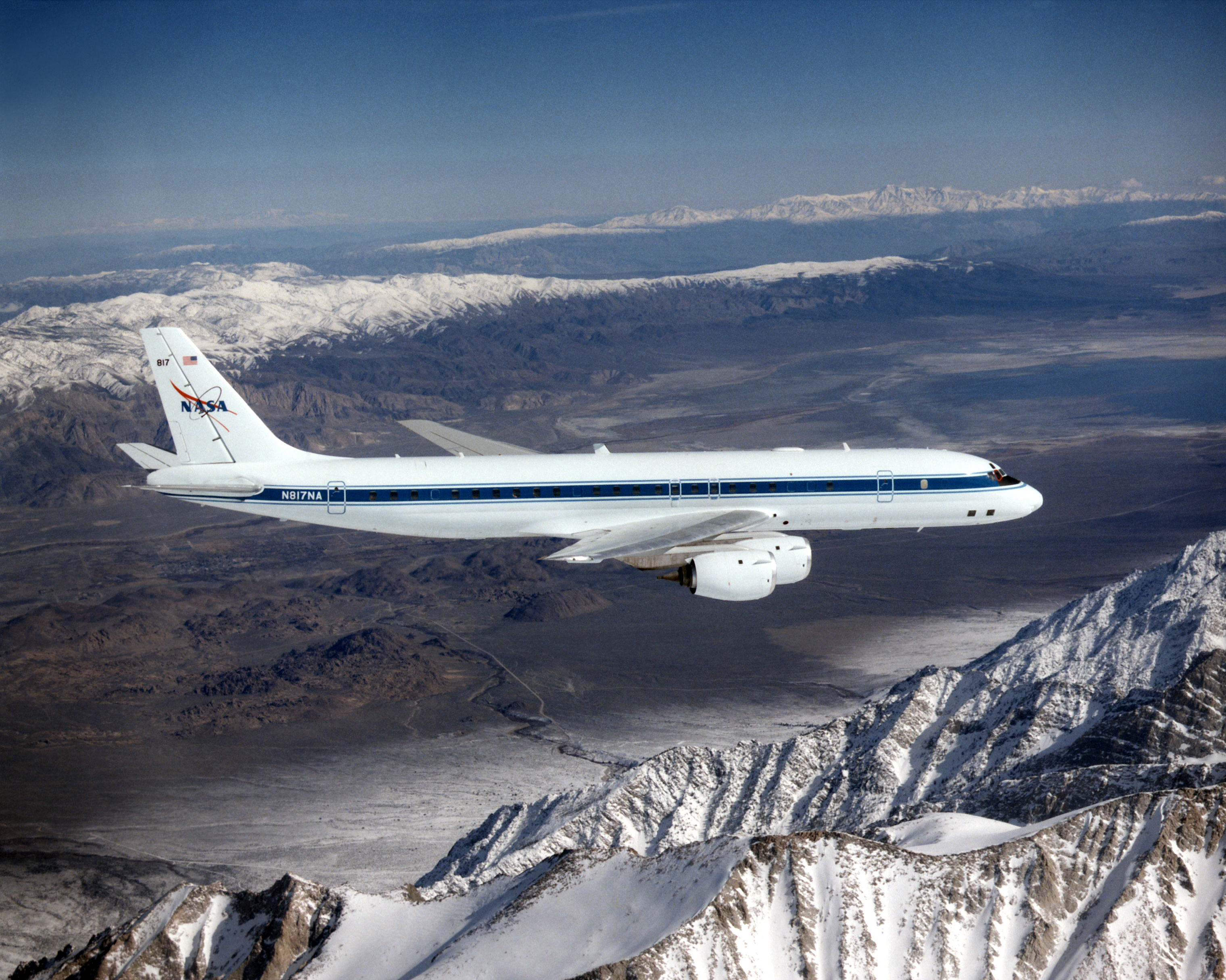
The Douglas DC-8, a mainstay of commercial aviation since its debut in 1958, has found a surprising and extended second life with the introduction of the Super 70 series. This evolution was not a simple improvement, but a true rebirth, driven by the pressing need to comply with new and more stringent environmental and efficiency regulations of the early 1980s.
As noise laws tightened, particularly the FAA's FAR Part 36 Stage 3 standard, and fuel costs soared in the wake of the oil shocks, many operators found themselves with fleets of DC-8s that were structurally efficient but engine-obsolete. McDonnell Douglas' innovative solution, announced in 1981, was the Super 70 series, an ambitious re-motorization program.
This project significantly extended the operational life of the DC-8, transforming a historic aircraft into a surprisingly modern and competitive workhorse. The DC-8 Super 70 became the emblem of how a robust, well-engineered design could adapt to radical changes in the aviation landscape, ensuring additional decades of service.
Architecture & Technological Design
The heart of the transformation of the DC-8 into the Super 70 series lay in the adoption of cutting-edge engines: the CFM International CFM56-2 engines. These high-bypass turbofans replaced the older and noisier Pratt & Whitney JT3D or JT8D, marking a generational leap in performance and operational sustainability.
Changing the engines was not a trivial operation; required significant modifications to the nacelles and wing pylons to accommodate the much larger and heavier CFM56s. The DC-8's engineering proved incredibly resilient, allowing these new propulsion units to be integrated with minimal alterations to the main wing structure, a testament to its original robustness.
The result was an aircraft with significantly higher fuel efficiency, a drastic reduction in sound signature (making it Stage 3 compliant), and an increase in performance in terms of thrust and range. This technological makeover gave the DC-8 a new competitiveness, especially in the growing cargo transport sector.
Onboard Specifications
- ◆CFM International CFM56-2 Engines: High-bypass turbofan engines that revolutionized efficiency and quietness.
- ◆FAR Part 36 Stage 3 compliant: Full compliance with the strictest international noise regulations, crucial for airport access.
- ◆Autonomy extended up to 10,000 km: A significant increase that has opened up new routes and logistical opportunities, especially for cargo.
Operational Career & Operators
The Super 70 series of DC-8 found its true calling in the cargo market, where its ruggedness, cargo capacity and now its efficiency became unmatched. Companies such as United Parcel Service (UPS), DHL and Emery Worldwide became major operators, taking full advantage of long-haul capabilities and low operating costs per ton mile.
Although some examples continued to serve in passenger transport for charter or smaller companies, it was in cargo transport that the Super 70 dominated, transporting goods around the world for decades. Its reliability and ease of maintenance with the new engines made it a valuable asset for global logistics operations.
Even today, albeit in small numbers, it is possible to see some DC-8 Super 70 hurtling through the skies, an iconic image of its incredible longevity. Many examples remained in active service well beyond 2010, a remarkable achievement for an aeronautical project born over fifty years earlier.
Legacy & Cultural Impact
The Douglas DC-8 Super 70 represents a fundamental chapter in the history of aviation, demonstrating the effectiveness and sustainability of re-engineering programs. He was a pioneer in an era when upgrading existing platforms became a cost-effective alternative to purchasing new aircraft, influencing future similar designs.
Its history is a tribute to the original engineering of the DC-8, a "built to last" aircraft whose structure was so oversized that it could withstand the integration of radically different and more powerful engines decades after its conception. This makes it a symbol of longevity and adaptability in the fast-paced world of aviation.
In addition to being a tireless worker of the cargo skies, the DC-8 Super 70 remains an icon for aviation enthusiasts, a testament to an era in which innovation did not necessarily mean creating something from scratch, but rather reinventing and refining what already existed with skill and foresight.
Telemetria Specs (HUD)
Hangar Trivia & Curiosità
- 💡The Super 70 series was a re-engining program, not a new aircraft build; existing DC-8-60 airframes were retrofitted with modern engines.
- 💡The CFM56 engines installed on the Super 70s were revolutionary, drastically cutting fuel consumption and noise levels, making the aging DC-8 compliant with Stage 3 noise regulations.
- 💡Many DC-8 Super 70s remained in active, primarily cargo, service well into the 21st century, demonstrating the incredible longevity and adaptability of the original airframe.
Archivio Avvistamenti Spotter
Immagini scattate dalla community in tutto il mondo
Vettori Rilevati (Flotta Attiva)


Martinair
In Flotta: x10 u.

Lufthansa
In Flotta: x11 u.

Air France
In Flotta: x16 u.
Ethiopian Airlines
In Flotta: x6 u.
Air New Zealand
In Flotta: x2 u.

Air Inuit
In Flotta: x15 u.
SATA Air Açores
In Flotta: x7 u.
Luftwaffe
In Flotta: x2 u.
Líneas Aéreas del Estado (LADE)
In Flotta: x2 u.Vettori Rilevati (Flotta Storica / Dismessa)


American Airlines
Stato: Dismesso
Ozark Air Lines
Stato: Dismesso
Southern Air Transport
Stato: Dismesso
Provincetown-Boston Airlines
Stato: Dismesso
Piedmont Airlines
Stato: Dismesso
Aigle Azur (1970)
Stato: Dismesso
Olympic Airways
Stato: Dismesso