DC-8 Super 62
Douglas
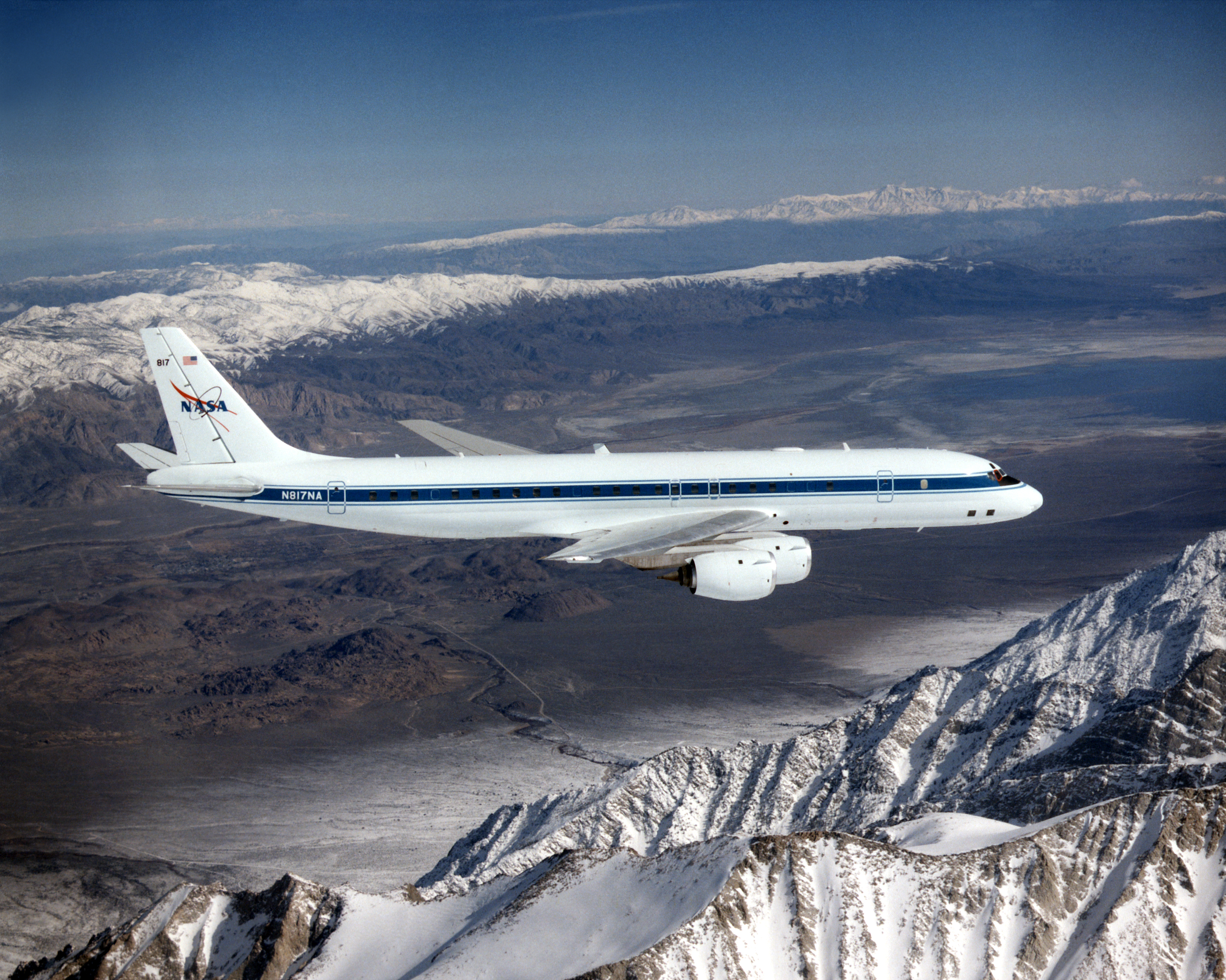
Historical Context & Origins
The advent of the commercial jet age in the 1950s marked a revolution in aviation, with Douglas Aircraft Company poised to compete in the ambitious new market. The Douglas DC-8, initially conceived as a direct response to the rival Boeing 707, quickly became a mainstay of long-range aviation, but evolving operational needs pushed for bold innovations.
The Super 60 series, introduced in the mid 1960s, represented the pinnacle of that development, transforming the DC-8 into a giant of the skies with unprecedented capability and range. Among these, the DC-8 Super 62, with its first flight in 1966, emerged as the variant optimized for ultra-long range flights, responding to the growing demand for direct and efficient intercontinental connections.
This specific version was designed to dominate transatlantic and transpacific routes, offering a competitive alternative with significant passenger carrying capacity and impressive range. The Super 62 cemented the DC-8's reputation as a versatile and technologically advanced aircraft for its time, a true pioneer of the global skies.
Architecture & Technological Design
The Douglas DC-8 Super 62 was distinguished by a series of aerodynamic and structural refinements aimed at efficiency and range. Its most notable feature was the introduction of a stretched wing – with an increase in span of 2 meters (6.6 feet) – featuring redesigned wingtips to optimize lift and reduce cruising drag.
This wing configuration, together with reprofiled engine pylons, ensured better fluid dynamics and greater fuel efficiency, essential for very long-distance flights. The aircraft was powered by four Pratt & Whitney JT3D turbofan engines, renowned for their thrust and reliability, allowing for high-speed, high-altitude cruising.
The airframe was further strengthened to accommodate the increased loads and takeoff weight associated with the extra fuel capacity, allowing the Super 62 to achieve ranges that, at the time, were among the longest available in commercial transportation, establishing itself as a masterpiece of aeronautical engineering.
Onboard Specifications
- ◆Stretched wing with redesigned tips: Maximum aerodynamic efficiency to reduce fuel consumption over long distances.
- ◆Additional integrated fuel tanks: Significant increase in operational range, crucial for intercontinental routes.
- ◆Advanced navigation systems: Essential support for precise heading on the vast oceans, an innovation for the 1960s.
Operational Career & Operators
The DC-8 Super 62 quickly entered service with major global airlines, eager to exploit its exceptional long-range capabilities. Carriers such as Pan Am, United Airlines and SAS were among the first to integrate this technological gem into their fleets, using it on prestigious routes that connected continents.
Its reliability and ability to carry considerable numbers of passengers and cargo made it an invaluable workhorse for the expansion of international air traffic. Despite the later introduction of wide-body aircraft, many DC-8 Super 62s continued to serve passenger routes well into the 1980s, a testament to their durability.
Subsequently, most examples were converted for cargo transport, significantly extending their operational life. Even today, you can find some of these DC-8 in cargo configuration, testifying to a robust design and inherent versatility that few other aircraft have matched.
Legacy & Cultural Impact
The Douglas DC-8 Super 62 was not just an airplane, but a symbol of the human ambition to connect the world, making intercontinental travel accessible and relatively fast for its time. Its ability to operate non-stop flights over extreme distances helped shape the geography of modern air travel.
This model demonstrated the feasibility and effectiveness of a narrow-body airliner optimized for long range, indirectly influencing subsequent aircraft development and airline network strategies. Its innovative design and operational longevity are a clear example of Douglas' engineering excellence.
The legacy of the DC-8 Super 62 persists in the memory of aviation enthusiasts and in the continued service of some examples as freighters, a tribute to its resilience. It remains a milestone in the history of commercial aviation, a flying bridge between continents that paved the way for an era of greater global connectivity.
Telemetria Specs (HUD)
Hangar Trivia & Curiosità
- 💡The Super 60 series, including the 62, were among the longest commercial airliners upon their introduction, extending the fuselage by over 11 meters from earlier models.
- 💡Many DC-8 Super 60s underwent extensive re-engining programs in the 1980s, notably with CFM56 engines, transforming them into the quieter and more efficient 'Super 70' series.
- 💡The Super 62 variant was specifically optimized for ultra-long-range flights, featuring a slightly shorter fuselage than the Super 61/63 but incorporating redesigned wingtips for improved aerodynamic efficiency.
Archivio Avvistamenti Spotter
Immagini scattate dalla community in tutto il mondo
Vettori Rilevati (Flotta Attiva)


Martinair
In Flotta: x9 u.

Lufthansa
In Flotta: x3 u.

Air France
In Flotta: x9 u.
Ethiopian Airlines
In Flotta: x10 u.
Air New Zealand
In Flotta: x10 u.

Air Inuit
In Flotta: x6 u.
SATA Air Açores
In Flotta: x7 u.
Luftwaffe
In Flotta: x12 u.
Líneas Aéreas del Estado (LADE)
In Flotta: x4 u.Vettori Rilevati (Flotta Storica / Dismessa)


Southern Airways
Stato: Dismesso
American Airlines
Stato: Dismesso
Ozark Air Lines
Stato: Dismesso

British European Airways
Stato: Dismesso
Provincetown-Boston Airlines
Stato: Dismesso
Piedmont Airlines
Stato: Dismesso
Aigle Azur (1970)
Stato: Dismesso
Olympic Airways
Stato: Dismesso