CN-235
CASA
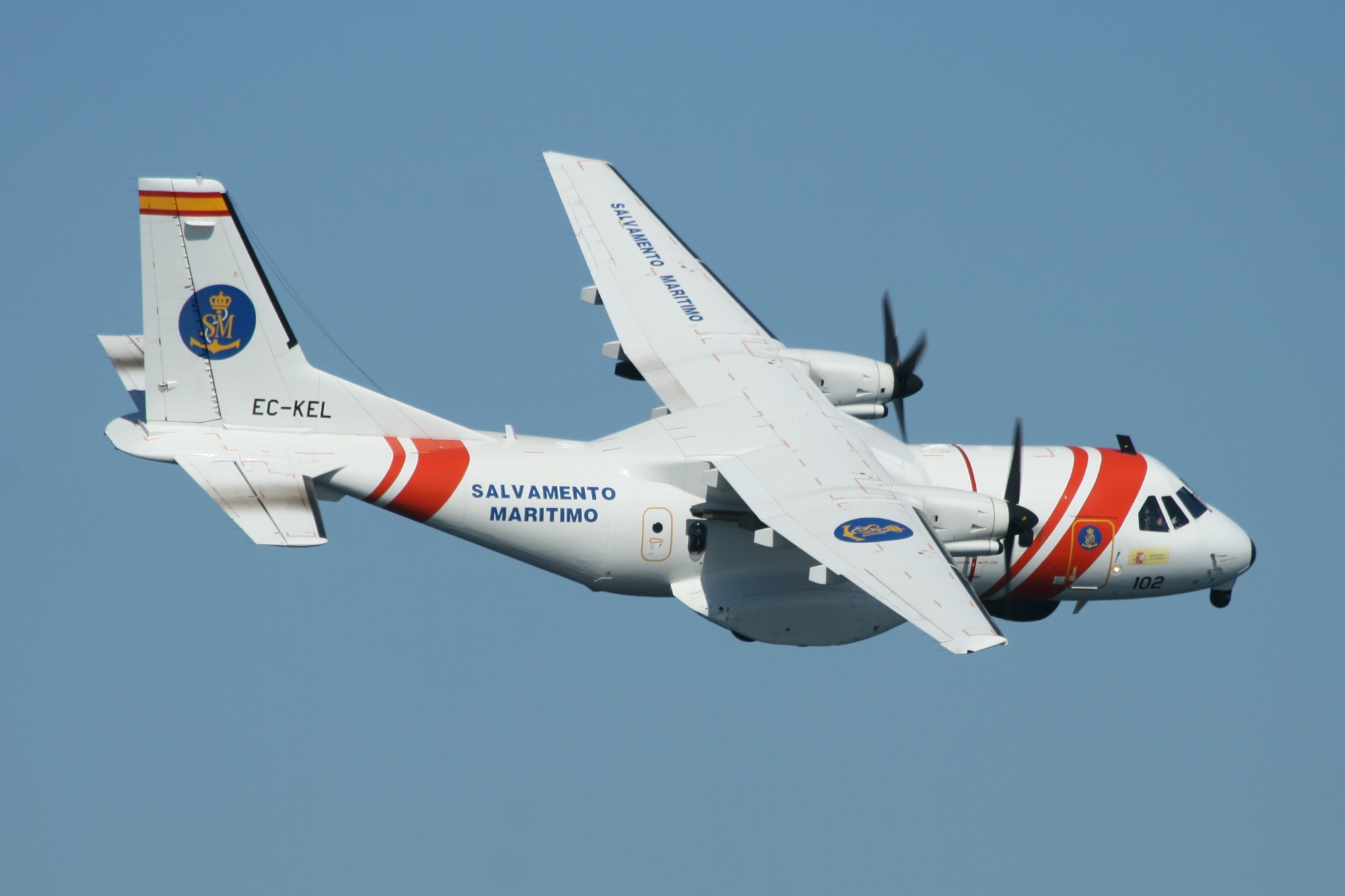
Historical Context & Origins
The CASA CN-235, whose first flight occurred in 1983, represents a turning point in tactical and regional transport aviation. Born from a pioneering collaboration between the Spanish CASA (Construcciones Aeronáuticas SA) and the Indonesian IPTN (Industri Pesawat Terbang Nusantara), it aimed to fill an important market gap.
This joint venture, known as Airtech, set out to develop a modern, reliable and highly versatile twin-engine aircraft. The objective was to provide a platform capable of operating in extreme conditions, accessible to both military forces and civil operators with light-medium transport needs.
Design began in the early 1980s, with the intent of creating a successor to older models and offering advanced STOL (Short Take-off and Landing) capabilities. The CN-235 was intended to be a workhorse, robust and capable of adapting to multiple configurations and missions.
Architecture & Technological Design
The CASA CN-235 features a high wing architecture, an ideal configuration to maximize lift and protect the engines from debris during operations on semi-prepared runways. This design choice gives the aircraft exceptional short takeoff and landing capabilities.
Initially powered by two General Electric CT7-9C turboprop engines, each capable of delivering approximately 1,750 shp, the aircraft guarantees excellent operational efficiency and reliability. Their high-wing location further contributes to STOL performance and safety in unconventional environments.
One of its most distinctive features is the rear loading ramp, a crucial element that significantly increases its versatility. It allows for the rapid loading and unloading of bulky goods, light vehicles, and the launching of paratroopers, making it indispensable for logistical and military operations.
Onboard Specifications
- ◆Digital Avionics Systems: Advanced integration for precise flight control and reduced pilot workload.
- ◆Integrated rear loading ramp: Easy access and versatility for bulky cargo, vehicles and airdrop or MEDEVAC operations.
- ◆Exceptional STOL capability: Allows operations from unpaved or semi-prepared runways as short as 800 meters, significantly extending the operational range.
Operational Career & Operators
Since its introduction, the CASA CN-235 has demonstrated extraordinary adaptability, serving in over 30 countries worldwide. It has been adopted by military, coast guard and civilian operators, performing a wide range of critical missions on every continent.
Among its main roles stand out the tactical transport of troops and materials, maritime patrolling (MPA) thanks to specialized variants equipped with advanced sensors, and search and rescue (SAR) missions. Its robustness makes it ideal for demanding scenarios.
Notable customers include the Spanish Air Force, the U.S. Coast Guard, and numerous African and Asian air forces. Its reliability and low operating costs have cemented its reputation as an irreplaceable air asset for many nations.
Legacy & Cultural Impact
The legacy of the CASA CN-235 is deep and lasting, having set a benchmark for light-to-medium transport aircraft. Its operational longevity, with many examples still in active service after decades, is a testament to the robustness of the design and its inherent versatility.
It represented the precursor and basis for the development of successful platforms such as the Airbus C-295, which took over and evolved many key concepts, demonstrating the foresight of the original project. This ensured continuity in the production line and innovation.
The CN-235 is not just an airplane; it is a symbol of international collaboration and aeronautical engineering that has been able to respond to the needs of a diversified global market. Its presence in the world's skies continues to underline its significant impact on modern aviation.
Telemetria Specs (HUD)
Hangar Trivia & Curiosità
- 💡Its development was a collaboration between Spain's CASA and Indonesia's IPTN, making it a truly international project from its inception, showcasing early examples of aerospace joint ventures.
- 💡The CN-235 boasts exceptional Short Take-Off and Landing (STOL) capabilities, enabling it to operate from very short and unprepared airstrips, a crucial feature for military logistics and remote area access.
- 💡Beyond transport, the aircraft has been adapted into specialized variants, including the CN-235 MPA (Maritime Patrol Aircraft), equipped with advanced sensors for surveillance, anti-submarine warfare, and search and rescue missions.
Archivio Avvistamenti Spotter
Immagini scattate dalla community in tutto il mondo