C-212 Aviocar
CASA
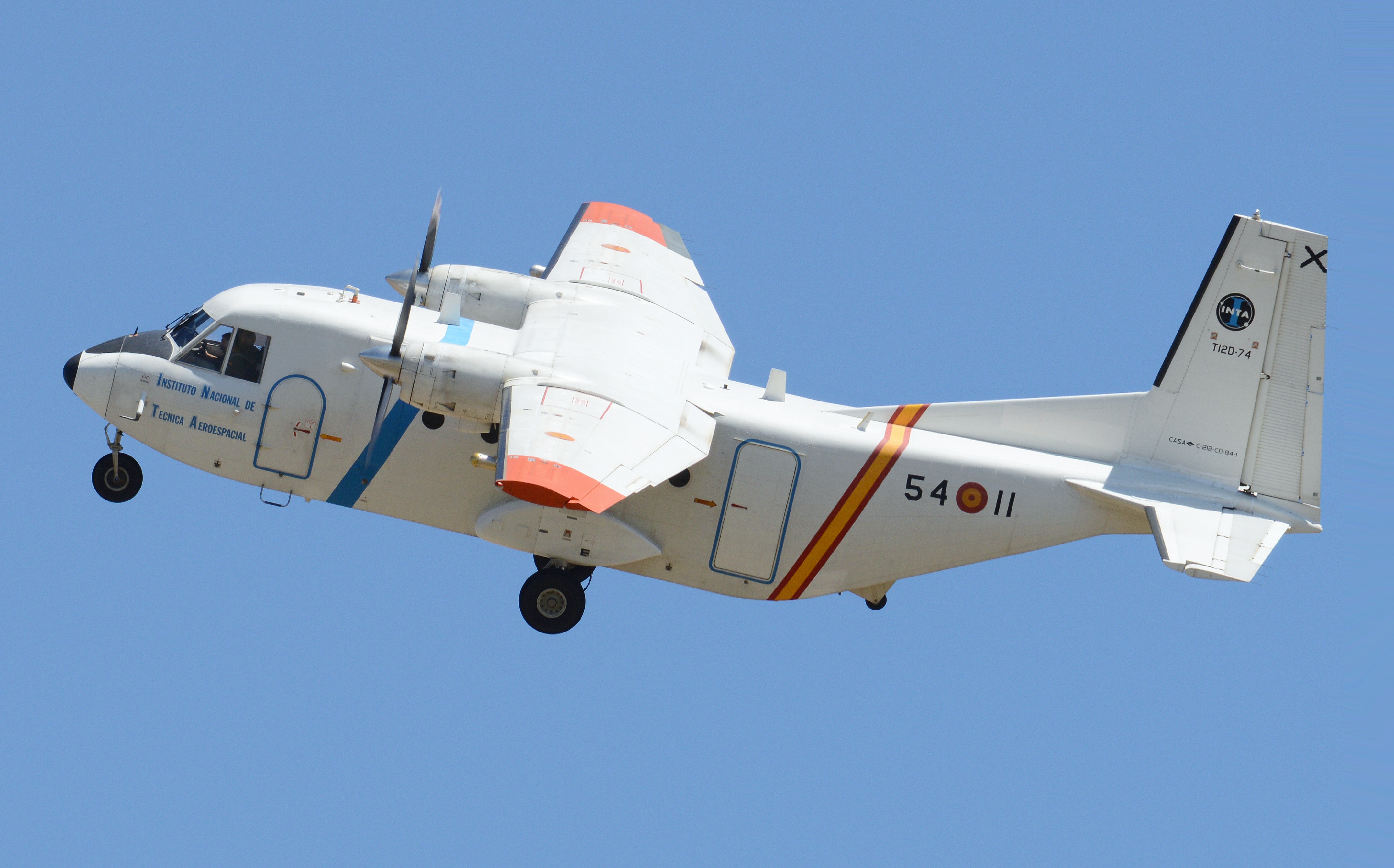
Historical Context & Origins
The CASA C-212 Aviocar, a legendary light transport aircraft, made its first flight in 1971, born from a strategic need of the Spanish Armed Forces. At the time, the Air Force was looking for a modern replacement for its fleet of aging aircraft such as the Junkers Ju 52 and Douglas C-47, needing an aircraft capable of operating in diverse scenarios.
CASA (Construcciones Aeronáuticas SA), the main Spanish aeronautical manufacturer, responded with the design of a robust, versatile and above all economical aircraft. The objective was to create a multipurpose aerial platform, suitable both for the tactical transport of troops and materials and for parachute drop missions, operating from short and semi-prepared runways.
The concept behind the Aviocar was operational simplicity combined with significant payload capacity. This allowed the development of an aircraft that not only met Spanish military needs, but which would later establish itself as a mainstay in countless civil and military fleets around the world, thanks to its indomitable adaptability.
Architecture & Technological Design
The C-212 design is intrinsically functional, featuring a high-wing monoplane configuration and two turboprop engines, typical for tactical transport aircraft. This architecture ensures a high wing span, which facilitates operations in rough terrain and provides excellent short take-off and landing (STOL) characteristics.
The aircraft is equipped with fixed and robust landing gear, a choice which, although implying a slight penalty in terms of aerodynamic drag, maximizes reliability and reduces maintenance costs, crucial elements for operations in remote and difficult environments. Its structural simplicity facilitates repair and management in the field.
A distinctive element is the rear loading ramp, a fundamental feature that gives the Aviocar chameleonic versatility. It allows not only the rapid loading of bulky goods and light vehicles, but also the simultaneous launch of paratroopers and use in aerial reconnaissance or maritime surveillance missions with dedicated sensors.
Onboard Specifications
- ◆Garrett TPE331 Turboprop Engines: Reliable and powerful, they guarantee excellent thrust for STOL performance and good fuel efficiency.
- ◆Fixed undercarriage and structural strength: Essential for operating from unprepared or semi-prepared runways, maximizing operational readiness.
- ◆Rear loading ramp: Key innovation that allows rapid adaptation between cargo, troop transport and parachute launch configurations.
Operational Career & Operators
Since its introduction, the C-212 Aviocar has demonstrated incredible longevity and versatility. With over 480 units built in different variants, it has been employed by over 90 operators in over 40 countries on five continents. Its robustness and reliability have made it a favorite choice for critical missions.
In the military sector, he has held roles in tactical transport, maritime patrol, search and rescue (SAR), electronic warfare and paratroop drop. Its ability to adapt to special tasks, sometimes in extreme conditions, has cemented its reputation as a true workhorse of the air.
In the civil sector, the Aviocar has found use as regional cargo transport, passenger feeder, aerial survey aircraft and sport parachuting operations. Its low cost of operation and ability to operate from smaller airports have made it indispensable for the connectivity of isolated communities.
Legacy & Cultural Impact
The CASA C-212 Aviocar is not just an airplane; it is a symbol of Spanish aeronautical engineering and its ability to create pragmatic and durable solutions. Its unmistakable silhouette and reputation for reliability have made it an icon of utility aviation worldwide.
The impact of the Aviocar extends far beyond its technical specifications, influencing the development of subsequent aircraft in the light transport segment and demonstrating the importance of a design aimed at maximum functionality and ease of maintenance. Its ability to operate in every corner of the globe has cemented its status as a "world-beater".
Even today, decades after its first flight, many C-212s continue to fly, testifying to the solidity of its original design. Its legacy is that of an aircraft that democratized access to tactical and civilian air transportation in many regions, leaving an indelible mark on the history of aviation.
Telemetria Specs (HUD)
Hangar Trivia & Curiosità
- 💡Despite its 1971 first flight, some variants of the C-212 are still in limited production by Airbus Military (formerly CASA) in Seville, Spain.
- 💡Its distinctive square fuselage cross-section is designed to maximize internal volume for cargo and paratroopers, facilitating easier loading and unloading.
- 💡The C-212 is renowned for its excellent STOL capabilities, allowing it to operate from unpaved and very short runways, ideal for remote or austere locations.
Archivio Avvistamenti Spotter
Immagini scattate dalla community in tutto il mondo