ATR 72-500
ATR
Historical Context & Origins
The ATR 72, the result of the collaboration between the Italian Aeritalia (then Alenia Aeronautica, now part of Leonardo) and the French Aérospatiale (now Airbus), was born from the need for an efficient and capacious regional aircraft. The success of its little brother, the ATR 42, paved the way for a lengthened version, designed for expanding markets and medium-distance routes, consolidating ATR's position in the regional transport sector.
The first flight of the ATR 72 prototype took place in 1986, with the first deliveries starting in 1989. The ATR 72-500 variant, whose first official flight dates back to 1997, represented a significant evolution, consolidating the innovations introduced by the -210 and -212 series, focusing on improved performance, greater reliability and superior passenger comfort.
Architecture & Technological Design
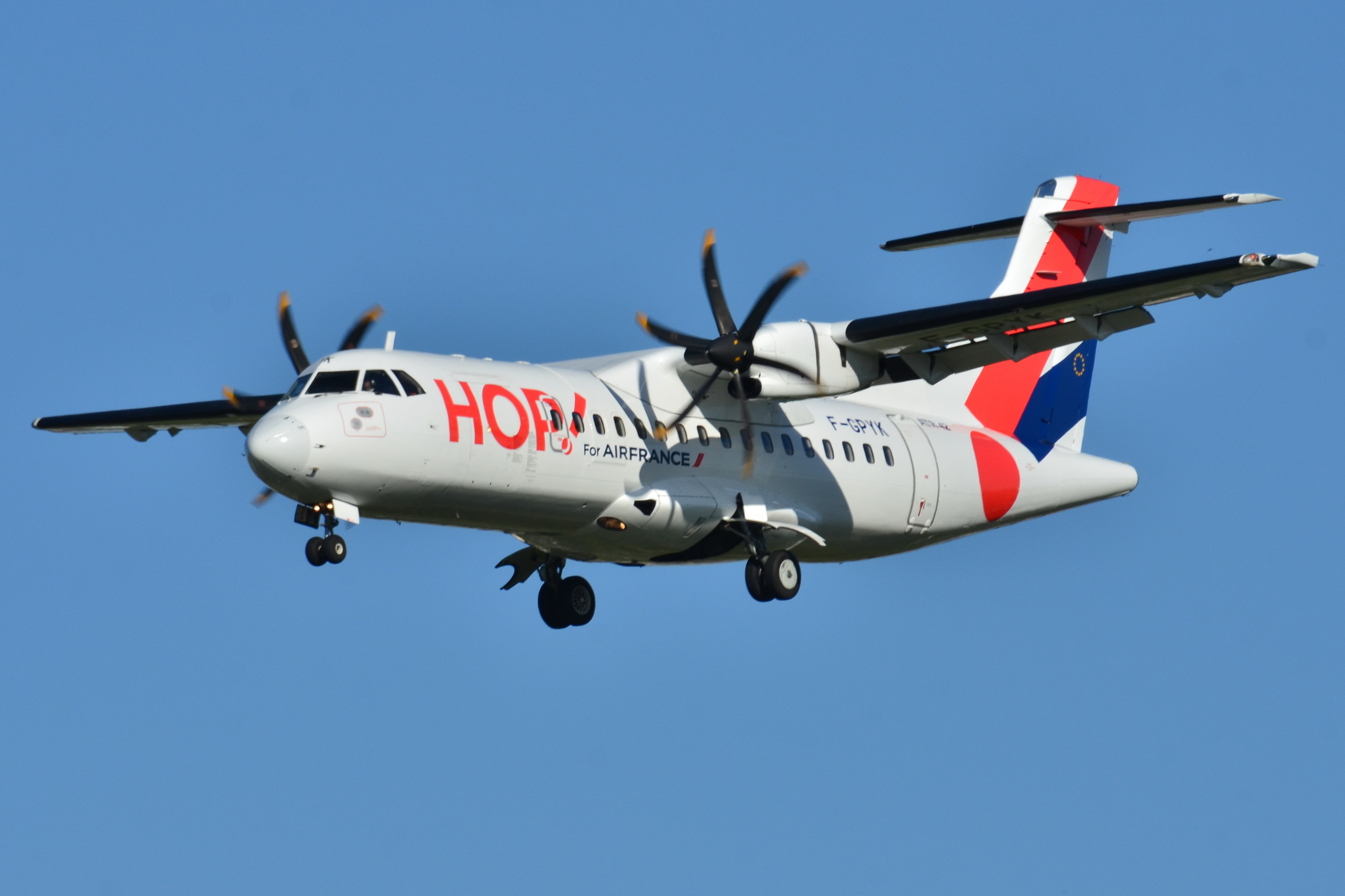
The ATR 72-500 stands out for its turboprop aircraft architecture, a design choice that maximizes efficiency on short- and medium-range flights. This configuration, with its distinctive propellers, allows for lower operating costs and excellent take-off and landing capability on shorter runways, making it ideal for less well-equipped regional airports.
The technological heart of the -500 lies in its engines and advanced propeller. The variant incorporated aerodynamic and structural improvements, as well as more sophisticated avionics than its predecessors. The focus was on reducing noise and vibration in the cabin for a quieter and more comfortable travel experience, a critical factor for passengers on regional flights.
Onboard Specifications
- ◆Pratt & Whitney Canada PW127F/M Engines: These powerful turboprops rated at 2,750 shp (shaft horsepower) each, offering an excellent balance of performance, reliability and fuel economy, critical to the profitability of regional operations.
- ◆Hamilton Standard/Ratier-Figeac Six-Blade Propellers: The introduction of six-blade propellers was a game changer. They contributed significantly to the reduction of internal and external noise, simultaneously improving propulsive efficiency and take-off performance.
- ◆EFIS (Electronic Flight Instrument System) Avionics: The -500 cockpit was upgraded with a digital EFIS system, providing pilots with a clear, integrated representation of flight data, increasing situational awareness and operational safety.
Operational Career & Operators
The ATR 72-500 quickly established itself as the workhorse of regional transport in every corner of the globe. Its combination of low operating costs, proven reliability and a capacity of approximately 70-74 passengers made it a favorite choice for numerous airlines needing to connect smaller urban centers or serve high-frequency routes.
Airlines such as Alitalia Express, American Eagle, Air Nostrum and many others in Asia and South America have relied on the ATR 72-500 to expand their networks. It has demonstrated exceptional versatility, operating effectively in diverse climates, from tropical regions to mountainous areas, cementing its reputation as a robust, high-performance aircraft.
Legacy & Cultural Impact
The ATR 72-500 has left an indelible mark on regional aviation, becoming synonymous with efficient and accessible connectivity. It has enabled millions of people to travel between cities who would otherwise have remained isolated or required longer and more expensive journeys, playing a crucial role in the economic and social development of entire regions.
Its reliability and relatively small ecological footprint for the time made it a successful model, inspiring subsequent generations of regional aircraft. The experience and technical innovations of the -500 have laid the foundation for more modern versions, such as the ATR 72-600, ensuring that the legacy of this extraordinary turboprop continues to fly in skies around the world.
Telemetria Specs (HUD)
Hangar Trivia & Curiosità
- 💡The '72' in ATR 72 traditionally refers to the aircraft's standard seating capacity, accommodating between 68 and 78 passengers depending on the airline's configuration.
- 💡ATR is a 50/50 joint venture between Airbus (formerly Aérospatiale of France) and Leonardo S.p.A. (formerly Alenia Aermacchi of Italy), combining European aerospace expertise.
- 💡Known for its excellent short-field performance, the ATR 72-500 can operate from smaller regional airports with shorter runways, expanding connectivity to remote or less-served destinations.
Archivio Avvistamenti Spotter
Immagini scattate dalla community in tutto il mondo