ATR 72-200
ATR
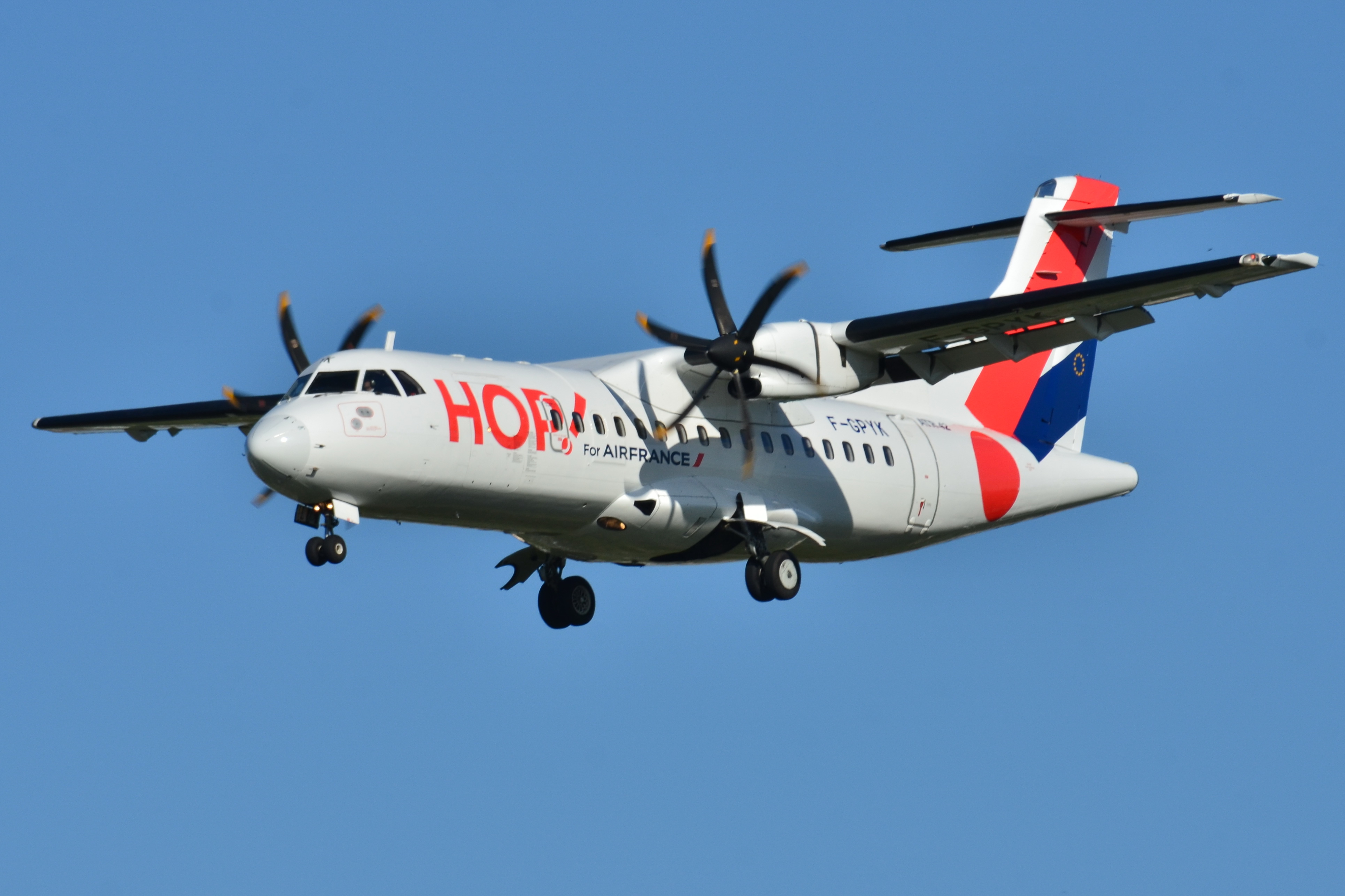
Historical Context & Origins
The ATR (Avions de Transport Régional) Consortium, born from the far-sighted collaboration between the French Aérospatiale and the Italian Aeritalia, aimed to revolutionize regional air transport in the 1980s. The great success of the ATR 42, conceived as the progenitor of a new generation of turboprop aircraft, quickly pushed towards the development of a model with greater capacity.
The need to cover regional routes with higher traffic density and greater autonomy led to the birth of the ATR 72. This aircraft, a direct evolution of the ATR 42 but with a lengthened fuselage and enlarged wings, made its first flight on 27 October 1986. The ATR 72-200 variant, introduced later with significant improvements, took to the skies for the first time in 1988, marking the beginning of an extraordinary operational career.
Architecture & Technological Design
The ATR 72-200 embodies a pragmatic design philosophy, aimed at operational efficiency and robustness. Its bi-turboprop configuration, with engines mounted on the high wing, not only offers excellent maintenance access but also guarantees superior performance on short and less prepared runways, typical of regional airports. The fuselage has been extended by 4.5 meters compared to the ATR 42, allowing the passenger capacity to be increased up to a maximum of 72 seats.
The high aspect ratio (high aspect ratio) wing architecture contributes significantly to aerodynamic efficiency and stability in flight, reducing fuel consumption. The rugged, simple landing gear was designed to withstand the stresses of frequent landings and operate in a wide variety of climate and environmental conditions.
Onboard Specifications
- ◆Pratt & Whitney Canada PW124B or PW127 engines: These engines, recognized for their reliability and low fuel consumption, deliver combined power that ensures excellent take-off and cruise performance.
- ◆Spacious cabin for 68-74 passengers: With a standard configuration of four seats per row, it offers superior comfort than many direct competitors, making regional flights more enjoyable.
- ◆Collins Digital Avionics: The cockpit, updated compared to the first models, integrates multifunction CRT (and later LCD) screens that improve situational awareness and optimize flight management for the crew.
Operational Career & Operators
Since its introduction, the ATR 72-200 has rapidly conquered the regional flight market, becoming an irreplaceable asset for hundreds of global airlines. Its ability to operate effectively on short- and medium-range routes, combined with low operating costs, has made it the preferred choice for expanding regional networks and connecting previously underserved communities.
It has carried millions of passengers on all continents, demonstrating exceptional versatility. Whether it is scheduled flights in Europe, inter-island connections in the Philippine archipelago or cargo missions in Africa, the structural robustness and reliability of its systems have made it a true workhorse, capable of tackling the most disparate challenges of regional air transport.
Legacy & Cultural Impact
The ATR 72-200 has left a profound legacy in the world of commercial aviation, redefining the standards of regional transportation. It unequivocally demonstrated the validity and efficiency of turboprops in an era dominated by the advance of jets, establishing a benchmark for future generations of regional aircraft.
Its basic architecture served as a solid platform for the development of subsequent and even more advanced variants, such as the ATR 72-500 and the current ATR 72-600, which continue to dominate the market. This plane is not just a means of transportation; it is a symbol of connectivity, a witness to the Franco-Italian aeronautical ingenuity that has allowed countless people to travel and contributed to the economic development of entire regions. Its efficiency and history make it an icon of modern regional aviation.
Telemetria Specs (HUD)
Hangar Trivia & Curiosità
- 💡"ATR" stands for "Aerei da Trasporto Regionale" (Italian) or "Avions de Transport Régional" (French).
- 💡The ATR 72-200 is a stretched version of the earlier ATR 42, featuring a longer fuselage and increased passenger capacity.
- 💡Many ATR 72-200 variants are still actively flying today, showcasing the design's longevity and adaptability in regional aviation.
Archivio Avvistamenti Spotter
Immagini scattate dalla community in tutto il mondo