ATR 42-300
ATR
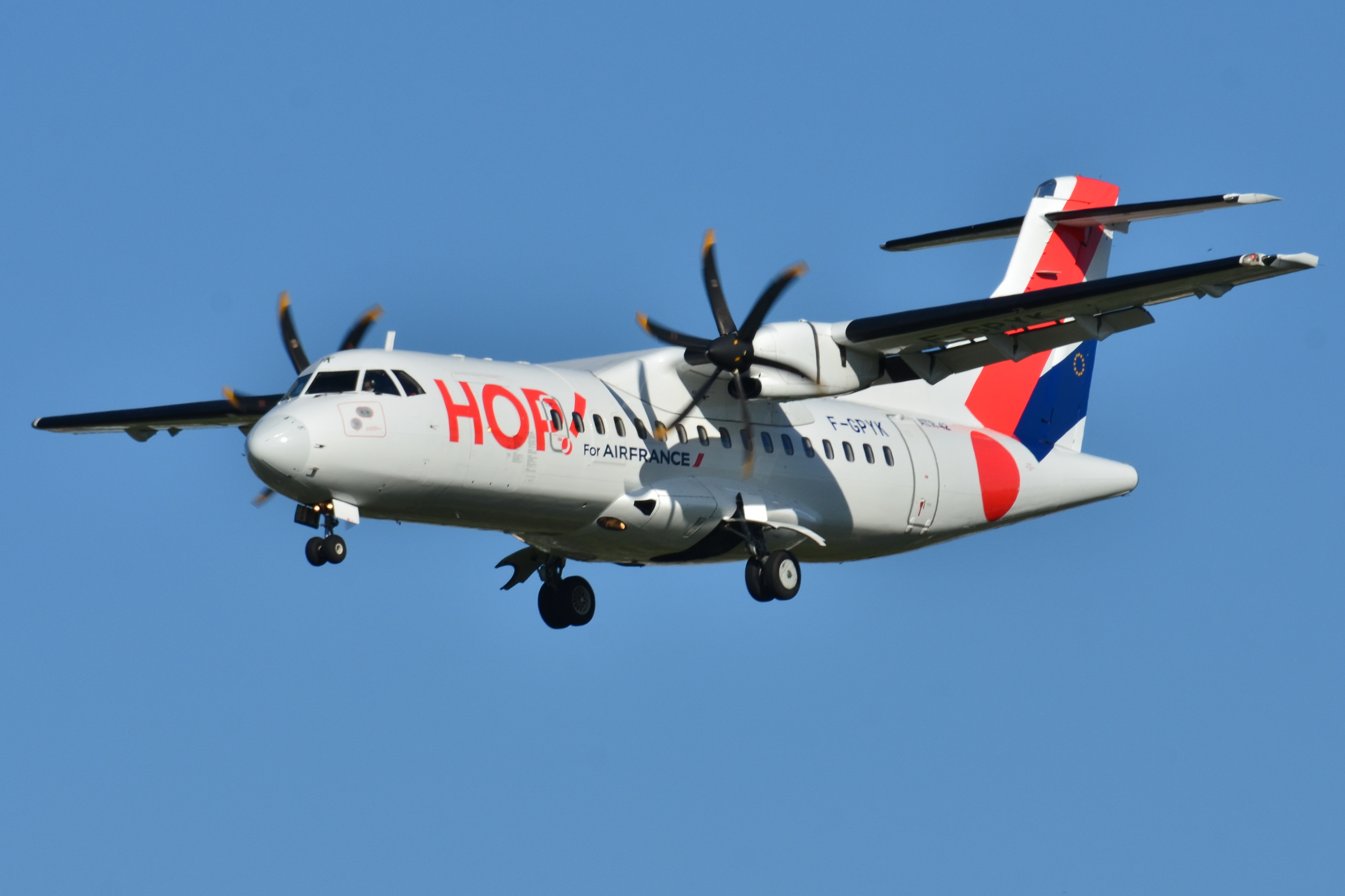
Historical Context & Origins
The ATR 42-300 was born from a pressing need in the aeronautical panorama of the 1980s: that of a modern, efficient regional airliner capable of connecting smaller airports. Its conception came from a visionary joint venture between the French Aerospatiale and the Italian Aeritalia, united in the ATR (Regional Transport Aircraft) consortium.
This transnational collaboration aimed to create an aircraft that combined the engineering excellence of both countries. The project came together quickly, culminating in the prototype's first flight on August 16, 1984, an event that marked the beginning of a legend in commercial aviation.
The ATR 42-300 was designed to replace less efficient models and to open new routes, offering airlines a reliable and economical option for passenger transport over medium to short distances. Its capacity and performance immediately made it a point of reference in the sector.
Architecture & Technological Design
The design of the ATR 42-300 is a hymn to functionality and efficiency, a high-wing twin-engine turboprop aircraft, an ideal configuration for operating even from short and not perfectly equipped runways. This design choice guaranteed remarkable structural strength and ease of maintenance, crucial aspects for regional operators.
The fuselage, characterized by a circular section, optimized space for passengers and cargo, while ensuring excellent aerodynamic resistance. The design philosophy focused on operational simplicity and reliability, elements that have contributed to its extraordinary global success.
The integration of cutting-edge materials for the time, while maintaining a proven architecture, made it possible to achieve an enviable balance between weight, resistance and operating costs. Attention to construction details reflected a deep understanding of the needs of the regional transportation market.
Onboard Specifications
- ◆Pratt & Whitney Canada PW120 engines: Reliable and powerful, these fuel-efficient turboprops guaranteed excellent performance and competitive operating range.
- ◆Hamilton Standard 14F5 Four-Blade Propellers: Designed to maximize thrust and minimize noise, contributing to a comfortable flight experience for passengers.
- ◆Mixed analog/digital avionics: A cockpit designed to be intuitive and functional, with a balance between traditional instruments and the first digital integrations to improve situational awareness.
Operational Career & Operators
Since its commercial debut, the ATR 42-300 has established itself as a mainstay of regional transport in every corner of the world. Its flexibility and low operating costs have made it the preferred choice for a wide range of carriers, from national carriers to small regional operators.
Airlines such as Air Littoral, Finnair and numerous others were among the earliest and most loyal operators, taking advantage of the aircraft's ability to serve less busy routes with unparalleled efficiency. Its robustness has proven successful even in demanding operational contexts, from the Nordic regions to the African savannas.
The -300 version carried millions of passengers, creating vital connections between remote communities and large hubs, contributing significantly to the economic and social growth of many regions. Its operational reliability has become legendary among crews and airlines.
Legacy & Cultural Impact
The ATR 42-300 is not just an airplane; he is the founder of a successful family that has redefined the concept of regional flight. Its extraordinary longevity and the trust it earned in the industry paved the way for subsequent evolutions, such as the ATR 42-500 and the still current ATR 42-600.
Its cultural impact lies in its ubiquity and its ability to democratize air travel. It has made fast, comfortable flights accessible to a wider audience, becoming a symbol of connectivity and progress for countless cities and countries.
Today, the ATR 42-300 continues to fly in many parts of the world, a living testament to the brilliance of its original design and its inexhaustible reliability. It represents a fundamental chapter in the history of aviation, a true "workhorse" of the regional skies.
Telemetria Specs (HUD)
Hangar Trivia & Curiosità
- 💡Its first flight took place on October 27, 1984, marking the official launch of the successful ATR 42 aircraft family.
- 💡The 'ATR' acronym stands for 'Aerei da Trasporto Regionale' in Italian and 'Avions de Transport Régional' in French, reflecting its Franco-Italian manufacturing consortium.
- 💡The number '42' in its designation originally referred to its standard seating capacity for roughly 42 passengers, although configurations could vary slightly.
Archivio Avvistamenti Spotter
Immagini scattate dalla community in tutto il mondo