An-8
Antonov
Historical Context & Origins
In the turbulent post-war era, the Soviet Union urgently needed a tactical military transport aircraft capable of operating in extreme conditions, a robust and versatile aircraft that could project power and logistics. In this scenario, the Antonov An-8 project took shape, an ambitious initiative destined to revolutionize Soviet air transport. OKB Antonov, under the leadership of the legendary Oleg Antonov, responded to this strategic need.
The An-8 represented a direct response to the need to overcome the limitations of previous piston transports, offering superior performance in terms of speed, payload and operational range. Its first flight in 1956 marked a turning point, ushering in the era of large turboprop transports in the Eastern Bloc. It was a bold step towards modernizing the armed forces.
Architecture & Technological Design
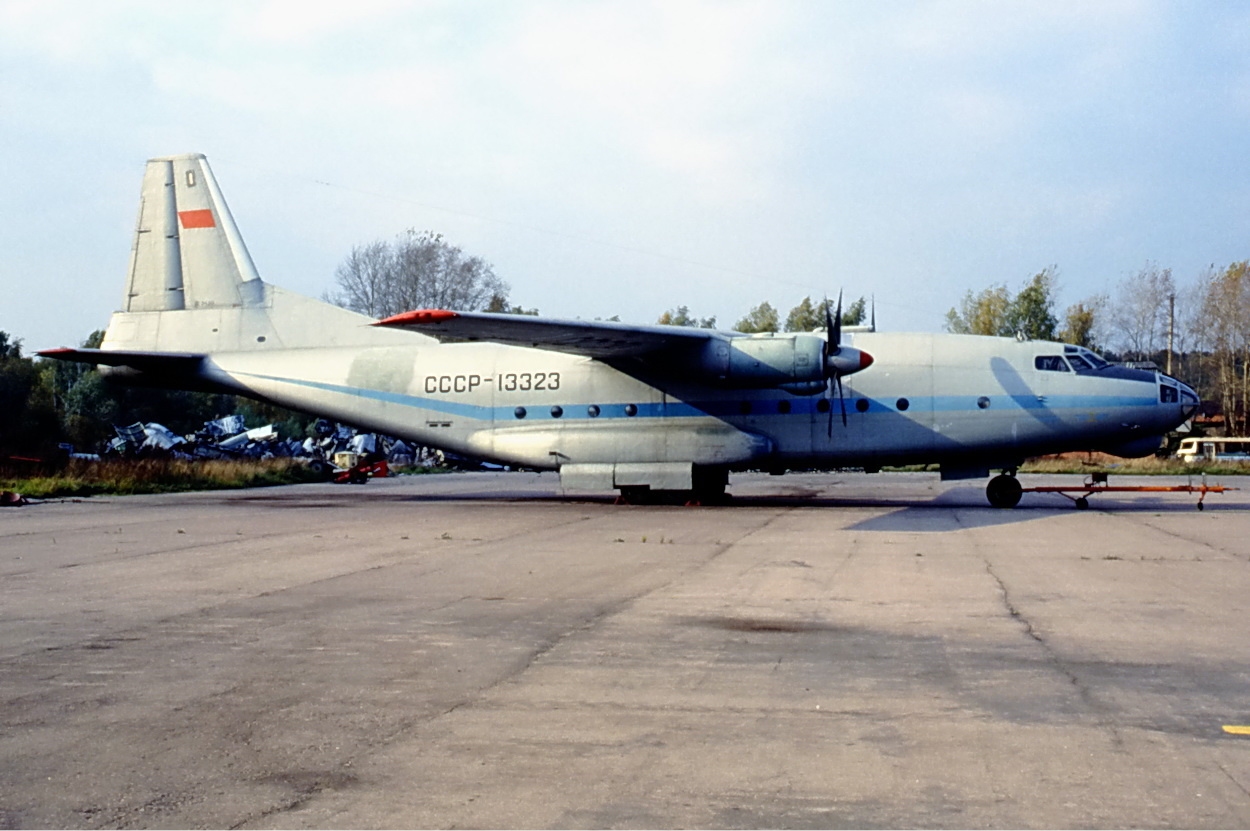
The Antonov An-8 was distinguished by a robust and pragmatic configuration, typical of Antonov creations: a high-wing, all-metal monoplane, designed for maximum functionality. Its two Ivchenko AI-20D turboprop engines, which delivered 4,000 shp each, ensured the necessary power for demanding missions and takeoffs from unprepared runways. The choice of the turboprop was innovative and strategic for the Soviet era.
The operational heart of the An-8 was its vast, non-pressurized cargo hold, accessible via a large integrated rear cargo ramp. This feature, revolutionary for its time, allowed for the rapid loading and unloading of light vehicles, artillery and even paratroopers, making it extremely versatile for tactical support. The ability to operate from semi-prepared camps was central to Soviet military doctrine.
Onboard Specifications
- ◆Ivchenko AI-20D turboprop engines for high performance and reliability.
- ◆Integrated rear loading ramp for quick unloading/loading of materials and vehicles.
- ◆Robust tricycle landing gear with low pressure tires, ideal for unprepared runways.
Operational Career & Operators
The operational career of the Antonov An-8 was primarily in the service of the Soviet Air Force (VVS), where it played a crucial role as a tactical transport, parachute drop platform and advanced logistics cargo aircraft. Its ability to operate in harsh conditions made it invaluable in diverse geographic areas, from the frigid Arctic to desert regions. Although produced in relatively limited numbers (around 150 examples), its impact was significant.
Despite its robustness and versatility, the An-8 was relatively soon joined and then replaced by subsequent and more advanced designs, such as the famous Antonov An-12. Many of the An-8s were later converted to secondary civilian roles, such as cargo transport or surveillance, before being finally withdrawn from active service. Some examples were also exported to allied countries, expanding their operational area.
Legacy & Cultural Impact
The Antonov An-8, while not achieving the fame of some of its successors, holds an honorable place in the history of Soviet aviation as a true pioneer. It was the USSR's first twin-engine turboprop military transport aircraft, providing the OKB Antonov and the Soviet aviation industry with invaluable experience in the design and production of aircraft of this category. His conception paved the way for future, larger and more iconic creations.
Its basic architecture and adopted technical solutions, such as the rear loading ramp and the ability to operate from austere runways, became hallmarks and pillars for Antonov's future successes. The An-8 symbolizes a moment of rapid technological evolution in Soviet aviation, a testament to the desire for autonomy and capacity for engineering innovation that would lead the USSR to compete with Western powers in the field of heavy air transport. Today, surviving examples are rare heirlooms, precious reminders of a bold era.
Telemetria Specs (HUD)
Hangar Trivia & Curiosità
- 💡Fu inizialmente sviluppato con la designazione interna 'Prodotto P' (izdeliye P) prima di ricevere la sua designazione ufficiale An-8.
- 💡L'An-8 era dotato di una rampa/portellone posteriore unico che permetteva il lancio simultaneo di truppe e carico, aumentandone la flessibilità operativa.
- 💡I suoi potenti motori turboelica Ivchenko AI-20 furono uno sviluppo significativo, utilizzati in seguito su altri aerei sovietici di successo come l'An-12 e l'Il-18.
Archivio Avvistamenti Spotter
Immagini scattate dalla community in tutto il mondo