An-148
Antonov
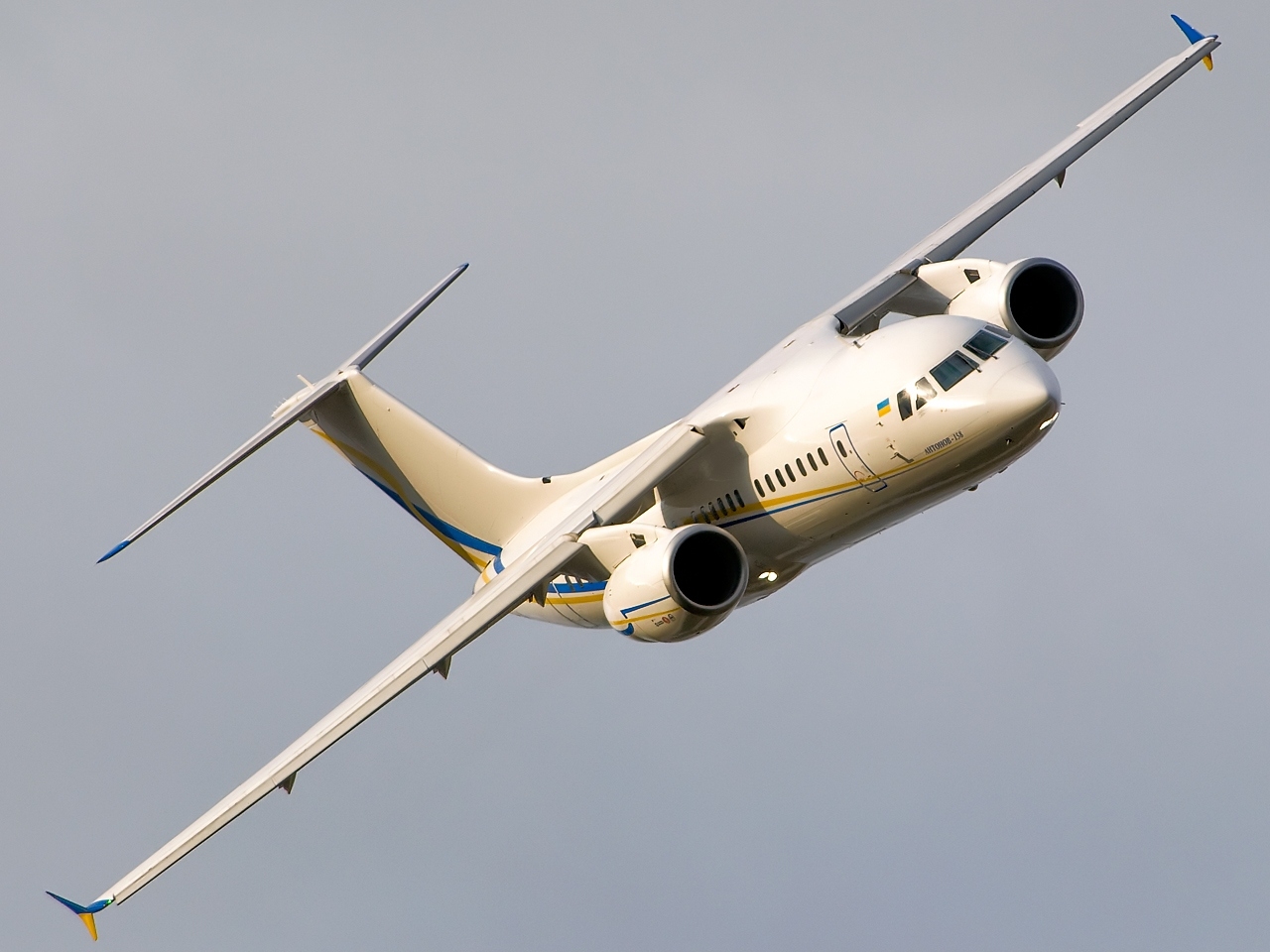
Historical Context & Origins
The Antonov An-148 emerges as an ambitious response to the needs of the post-Soviet aviation market, a period characterized by the need to modernize regional fleets with more efficient aircraft that comply with international standards. Designed by the renowned Ukrainian design bureau Antonov, this regional jet aimed to replace aging aircraft such as the Tu-134, An-24 and Yak-40, offering a cutting-edge alternative.
The project took shape in the early 2000s, with the aim of combining the rugged reliability typical of Antonov designs with contemporary aerodynamic and propulsion technologies. Its first flight took place on 17 December 2004, marking a significant step in the recovery of Eastern Europe's regional aviation industry.
The An-148 was designed to operate effectively on short- and medium-range routes, with particular emphasis on the ability to handle less well-equipped airports and challenging operating conditions, while maintaining low operating costs and a high level of passenger comfort. This versatility represented a fundamental strength in its market segment.
Architecture & Technological Design
The An-148 sports a distinctive aerodynamic configuration, characterized by a high wing and a circular-section fuselage, optimized for the carriage of 68-85 passengers. The choice of the high wing is not accidental: it allows greater ground clearance for the engines, protecting them from debris during operations on unprepared or semi-prepared runways, a crucial requirement for many regional destinations.
The two Ivchenko-Progress D-436-148 turbofan engines, mounted on pylons under the wing, are a pillar of its operational efficiency. These new generation engines offer an excellent balance between thrust, fuel consumption and reduced noise emissions, helping to meet the most stringent environmental regulations and reduce overall operating costs.
The cockpit is a fully digitalized glass cockpit, equipped with multifunction displays and a state-of-the-art flight control system. This technological integration significantly improves pilots' situational awareness and reduces workload, while ensuring high standards of safety and precision in piloting.
Onboard Specifications
- ◆High Wing Configuration: Designed to maximize engine protection from foreign objects and improve performance on short, unpaved runways.
- ◆Advanced Digital Avionics: Equipped with a modern "glass cockpit" with five multifunction LCD displays, for intuitive and integrated management of flight and navigation systems.
- ◆High Structural Robustness: The aircraft is built to withstand intense flight cycles and extreme weather conditions, with an extended service life for the most demanding regional operations.
Operational Career & Operators
The An-148 entered commercial service in 2009 with the Ukrainian airline Aerosvit, quickly followed by Russian carriers such as Rossiya Airlines and Angara Airlines. It has demonstrated its reliability and versatility by operating on a wide range of routes, from the frozen expanses of Siberia to the milder climes of Eastern Europe, effectively connecting communities that are often difficult to reach.
Despite its technical capabilities, the production of the An-148 has encountered several challenges, including complex political and economic dynamics between Ukraine and Russia, which have affected its deployment. Its ability to operate autonomously from complex airport infrastructures, thanks also to its own auxiliary starting system (APU), has made it invaluable in specific regional contexts.
Although it has not reached the sales volumes of its Western competitors, the An-148 has played a fundamental role for the companies that have adopted it, offering an efficient and robust air transport service. Its operational history is a testament to the perseverance of aeronautical engineering in the region.
Legacy & Cultural Impact
The Antonov An-148 represents an important chapter in Ukrainian and post-Soviet aviation history, testifying to Antonov's continued ability to design and build technically sound aircraft. Although its career was limited by geopolitical and competitive factors, the aircraft demonstrated that the region could still produce competitive, modern jetliners.
Its legacy lies in the demonstration of resilient engineering expertise, capable of adapting to the new needs of the global market. The An-148 served as a platform for the introduction of new technologies and manufacturing processes in the Eastern aviation industry, acting as a bridge between traditions of ruggedness and contemporary innovation.
Ultimately, the An-148 remains a symbol of pride for Ukrainian aeronautical engineering, an aircraft that defied adversity to bring connectivity and progress to often overlooked regions, cementing Antonov's reputation as a pioneer in the field of specialized aviation.
Telemetria Specs (HUD)
Hangar Trivia & Curiosità
- 💡Il suo design ad ala alta e i motori posizionati sopra l'ala lo proteggono efficacemente da detriti durante le operazioni su piste non asfaltate o deteriorate.
- 💡Lo sviluppo e la produzione dell'An-148 hanno inizialmente coinvolto una stretta collaborazione tra imprese aeronautiche ucraine e russe.
- 💡Esiste una versione allungata del velivolo, denominata An-158, che può trasportare un numero maggiore di passeggeri (fino a 99) su rotte simili.
Archivio Avvistamenti Spotter
Immagini scattate dalla community in tutto il mondo