Airmaster
Cessna
Historical Context & Origins
In the mid-1930s, civil aviation flourished, requiring aircraft that combined performance, comfort and aesthetics. Armed with experience with racing airplanes like the CR-3, Cessna saw an opportunity to redefine the private plane.
The idea was to create a four-seater cabin aircraft, fast, easy to handle, elegant and luxurious. Under Clyde Cessna, the company aimed to push the boundaries of the era for a superior flying experience.
In 1936, the Cessna Airmaster prototype, initially Model C-34, made its first flight. A bold step that combined sportiness and practicality, marking the beginning of a legend.
Architecture & Technological Design
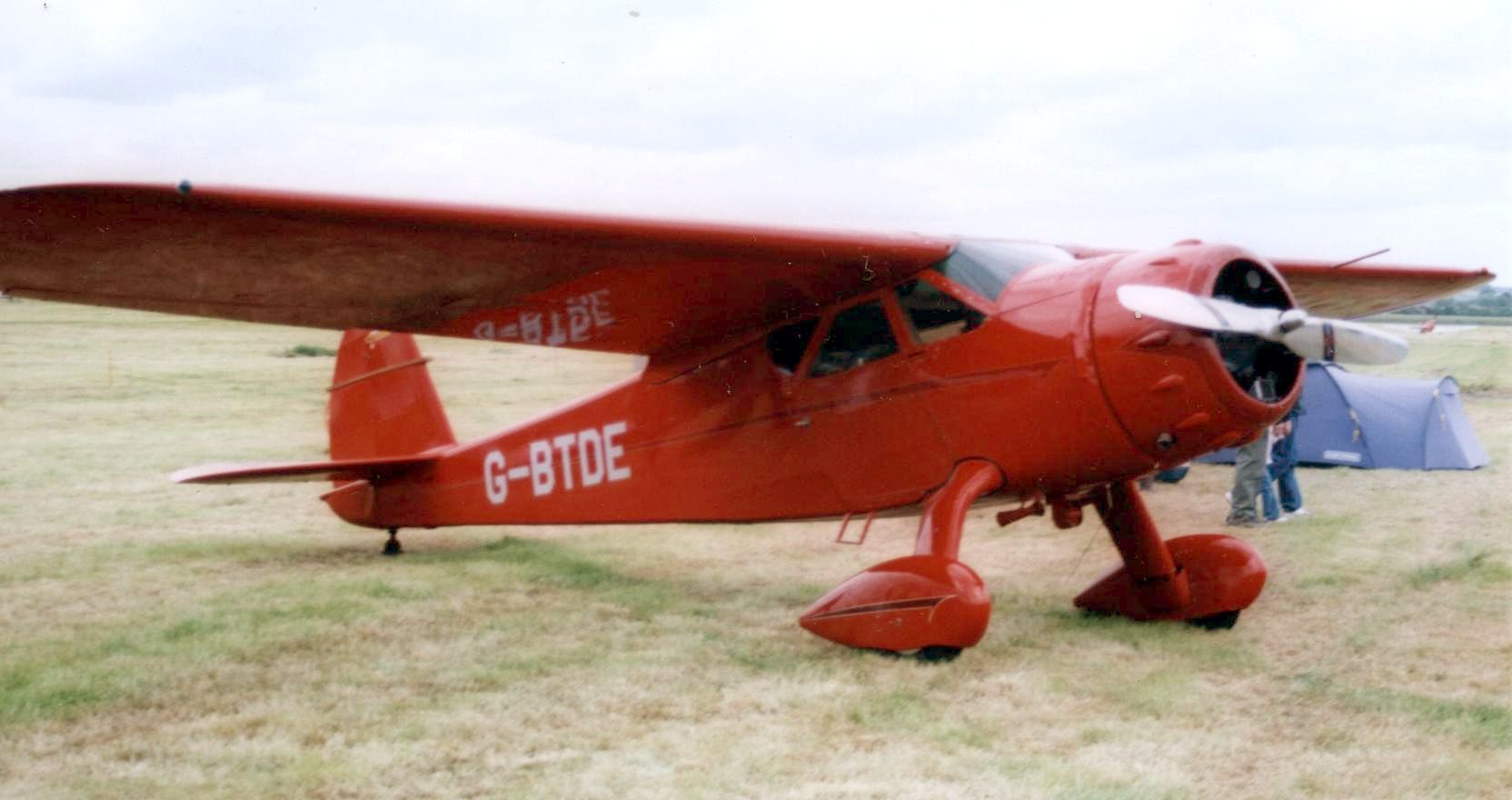
The Airmaster was notable for its avant-garde architecture. The semi-monocoque wooden fuselage, covered in plywood and canvas, ensured lightness and strength, contributing to the excellent aerodynamic performance.
The design of the cantilever wings was revolutionary, eliminating the external struts. This choice reduced drag, allowing for higher speeds and a cleaner look for the Airmaster series.
Typically powered by a reliable Jacobs R-755 radial engine, the Airmaster delivered up to 225 horsepower in the most powerful versions. The often retractable landing gear completed the advanced aerodynamic profile.
Onboard Specifications
- ◆Cantilever Wings: Innovative design that eliminated the external struts, improving aerodynamics and speed.
- ◆Retractable Landing Gear: Advanced feature that reduced drag and increased flight performance, raising the standard.
- ◆Luxurious interior: Soundproofed and well-finished cabin with quality upholstery, designed for maximum comfort of passengers on the road.
Operational Career & Operators
The Cessna Airmaster was a hit with private pilots and air taxi operators. Its unique combination of speed, range and comfort made it desirable for business and leisure travel.
It set numerous speed and distance records in its pre-war category, participating in air competitions and demonstrating exceptional reliability and performance. A clear testimony to Cessna's potential.
Production stopped with the start of World War II, when Cessna turned to military trainer aircraft. Some Airmasters were, however, employed for liaison or light transport duties.
Legacy & Cultural Impact
The Airmaster left an indelible legacy, laying the foundation for future generations of Cessna cabin aircraft. His design principles directly influenced iconic models such as the later Cessna 195.
Today, it is an authentic collector's item, jealously guarded and passionately restored by enthusiasts from all over the world. Each example is a precious time capsule, bearing witness to a golden age.
This aircraft is not just history; it is a symbol of personal freedom and technological progress. An icon that combines Art Deco elegance with the ambition to conquer the skies. The Airmaster remains a masterpiece.
Telemetria Specs (HUD)
Hangar Trivia & Curiosità
- 💡The Airmaster series (C-34, C-37, C-38) was notable for being Cessna's first aircraft to use metal wing spars, combined with traditional fabric covering.
- 💡It was among the most aerodynamic aircraft of its era, featuring streamlined wheel pants and fuselage fairings, contributing to its 'Airmaster' designation.
- 💡Despite its pre-WWII popularity, production ceased in 1941 as Cessna shifted its focus entirely to military trainer aircraft for the war effort.
Archivio Avvistamenti Spotter
Immagini scattate dalla community in tutto il mondo