A350-1000
Airbus
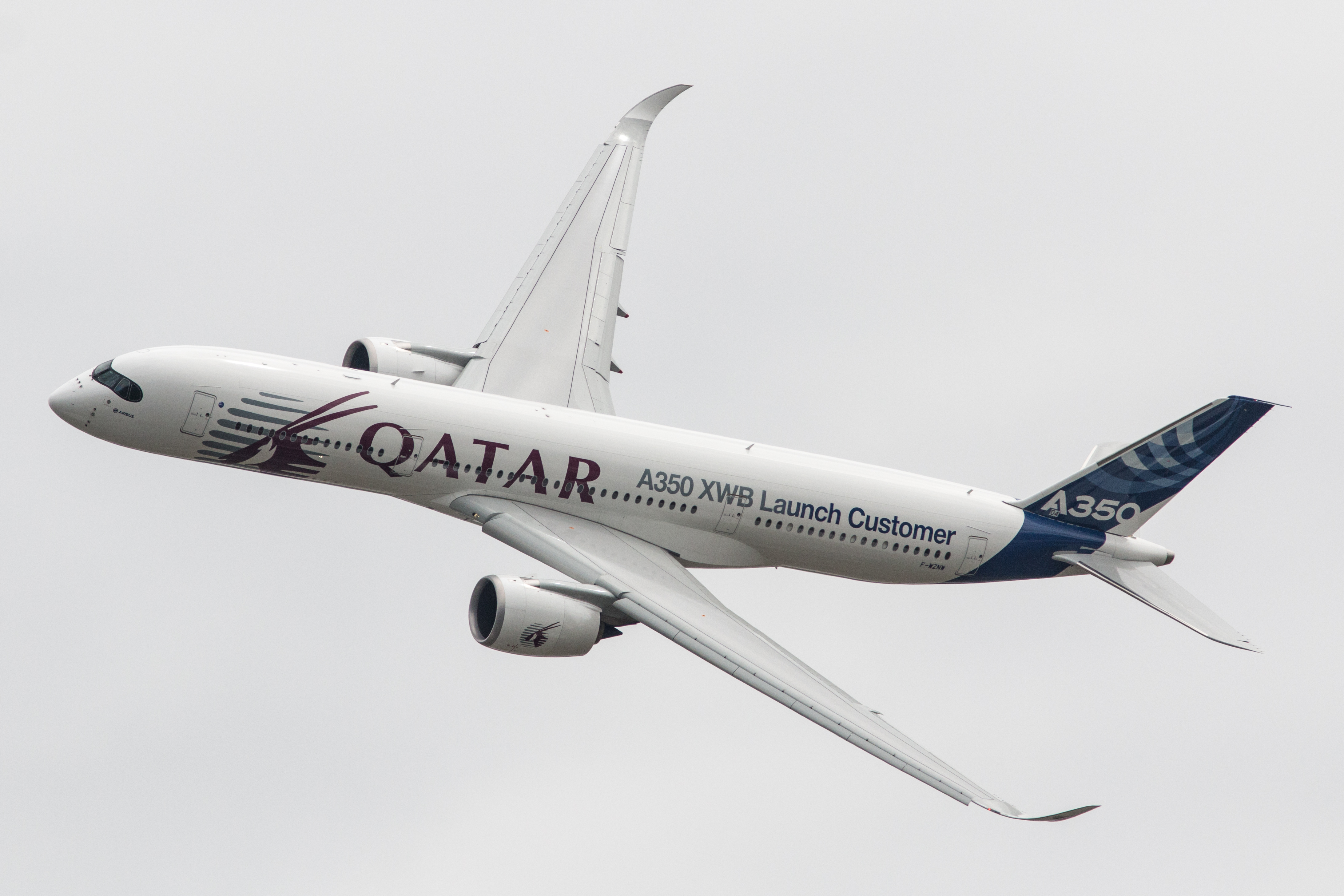
Historical Context & Origins
The Airbus A350-1000 represents the culmination of Airbus' vision for a new generation of wide-body aircraft. The A350 XWB (eXtra Wide-Body) program was born as a strategic response to the challenges posed by competitors and the growing demand for more efficient long-range aircraft. Initially conceived as a derivative of the A330, the project was radically rethought to adopt a completely new design, maximizing technological innovation.
The A350-1000 variant is positioned as the largest model in the A350 family, specifically designed to compete in the ultra-long-range, high-capacity aircraft segment. Its development aimed to offer a modern and technologically advanced alternative to the Boeing 777-300ER, focusing on efficiency, comfort and sustainability. The first flight, a historic moment for European aviation, took place on 24 November 2016.
Architecture & Technological Design
The A350-1000 embodies a revolution in aeronautical engineering, with an architecture that favors composite materials. Its structure is composed of over 50% advanced materials, mainly carbon fiber reinforced polymers (CFRP), which contribute to significant weight reduction, improving fuel efficiency and overall performance of the aircraft. This design choice made it possible to overcome the structural limits of traditional metals.
The beating heart of the A350-1000 is the Rolls-Royce Trent XWB-97 engines, developed specifically for this version. These cutting-edge engines offer unprecedented thrust, essential for the aircraft's load and autonomy capabilities. Aerodynamics are finely optimized, with elongated wings and scimitar winglets that reduce drag, maximizing lift and stability in flight.
The cabin experience, called "Airspace by Airbus", is another strong point. Designed to maximize passenger comfort, it features a quiet environment, high humidity levels and lower cabin pressure (equivalent to an altitude of 6,000 feet instead of the traditional 8,000). The dynamic LED lighting adapts to the phases of the flight, helping to reduce jet lag and improve well-being on board.
Onboard Specifications
- ◆Rolls-Royce Trent XWB-97 Engines: Provide 97,000 pounds of thrust, essential for extended range and payload capacity.
- ◆Composite materials structure: More than 50% of the weight of the aircraft is made up of advanced materials such as CFRP, for greater lightness and strength.
- ◆Integrated Avionics System: The cockpit features six large, interchangeable LCD displays, improving situational awareness and reducing pilot workload.
Operational Career & Operators
Dopo un rigoroso programma di test, l'A350-1000 ha ottenuto la certificazione e ha iniziato le consegne. The launch carrier was Qatar Airways, which received the first example in February 2018, immediately deploying it on strategic long-haul routes. This marked the beginning of a new era for ultra-long range operations.
Since then, the A350-1000 has joined the fleets of several leading airlines, including Cathay Pacific, Virgin Atlantic, British Airways and Etihad Airways. Its exceptional fuel efficiency, combined with a range of approximately 16,100 km and a typical capacity of 350-410 passengers, makes it ideal for the world's most challenging and profitable routes.
Legacy & Cultural Impact
The Airbus A350-1000 has redefined market expectations for twin-engine long-range aircraft, consolidating Airbus' position in a segment traditionally dominated by competitors. Its emphasis on efficiency and comfort pushed the entire industry towards higher standards, influencing future aeronautical developments.
A symbol of innovation and sustainability, the A350-1000 significantly contributes to reducing the environmental impact of aviation, thanks to its reduced CO2 emissions and its remarkable operational silence. He is an ambassador for European technology, demonstrating how bold designs and advanced engineering can coexist to shape the future of global aviation.
Telemetria Specs (HUD)
Hangar Trivia & Curiosità
- 💡È la variante più lunga della famiglia A350 XWB, superando l'A350-900 di circa 7 metri.
- 💡È alimentato esclusivamente da motori Rolls-Royce Trent XWB-97, i più potenti mai sviluppati per un aereo Airbus bimotore.
- 💡Può volare per oltre 16.100 km (8.700 miglia nautiche) senza scalo, consentendo collegamenti diretti tra città molto distanti.
Archivio Avvistamenti Spotter
Immagini scattate dalla community in tutto il mondo