A330-300
Airbus
Historical Context & Origins
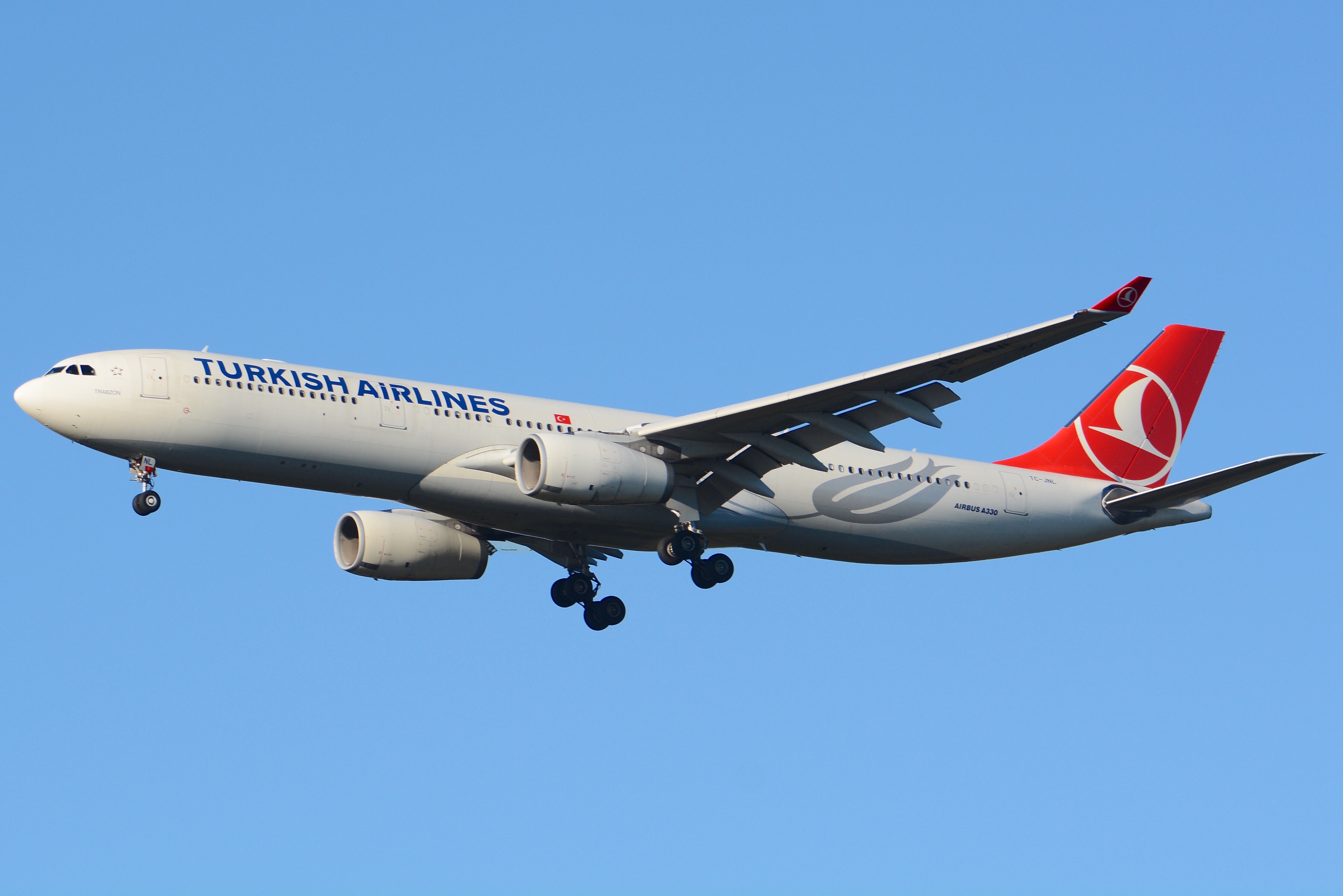
The Airbus A330-300 was born from an ambitious European vision in the 1980s, when Airbus sought to expand its presence in the long-haul segment. The goal was to offer a competitive alternative to American aircraft, combining efficiency and capability in a single design. Its conception was parallel to that of the four-engine A340, sharing a development philosophy that aimed to maximize commonality between the two models.
This strategic approach enabled significant reductions in development and maintenance costs, offering airlines unprecedented operational flexibility. The A330-300 was specifically designed for medium-long haul routes with high passenger density, focusing on the economic advantages offered by a twin-engine configuration. Its first flight took place on 2 November 1992, marking the beginning of a new era for the European manufacturer.
Architecture & Technological Design
The architecture of the A330-300 is a masterpiece of aeronautical engineering, which integrated cutting-edge technologies for its time. The aircraft boasted a supercritical wing designed for aerodynamic efficiency, combined with a wide fuselage that provided superior passenger comfort and considerable flexibility in cabin configuration. The choice of General Electric CF6, Pratt & Whitney PW4000 or Rolls-Royce Trent 700 engines provided airlines with exceptional operational versatility and cost optimization.
The technological heart of the A330-300 lay in its digital fly-by-wire system, a pioneering innovation introduced by Airbus with the A320. This technology not only improved flight safety and efficiency, but also reduced pilot workload by standardizing operating procedures across the Airbus range of aircraft. Its range of approximately 11,750 km and a typical capacity of 250-440 passengers made it ideal for a wide range of markets.
Onboard Specifications
- ◆Digital Fly-by-Wire System: Computerized control that offers greater precision, stability and safety in flight.
- ◆Common Cockpit Cockpit: Shared with the A340, allowing pilots to qualify for either type with minimal additional training.
- ◆High Aspect Ratio Wings: Designed to maximize aerodynamic efficiency, reducing drag and fuel consumption.
Operational Career & Operators
The A330-300 entered commercial service in January 1994 with Air Inter, quickly gaining favor with global airlines. Its combination of high capacity, adequate autonomy and low operating costs made it an immediate success. It has become a mainstay in the fleets of prestigious carriers such as Cathay Pacific, Delta Air Lines, Air France, Lufthansa and Turkish Airlines, operating on high-demand transcontinental and intercontinental routes.
Its reliability and versatility have allowed the A330-300 to effectively serve myriad markets, from long-haul domestic flights in China to transatlantic connections. Its proven ability to operate efficiently helped set the standards for Extended-range Twin-engine Operational Performance Standards (ETOPS) flights, demonstrating the safety of twin-engine aircraft over long marine distances.
Legacy & Cultural Impact
The Airbus A330-300 has left an indelible mark on commercial aviation, establishing itself as one of the most successful and enduring wide-bodies. Its legacy lies not only in more than 800 delivered, but also in its role as a technological bridge to future Airbus innovations, such as the A350. It demonstrated the validity of the concept of "communality" and the superiority of European design.
This aircraft is not just a means of transportation, but a symbol of global connectivity and engineering ingenuity. It has helped make long-haul travel more accessible and efficient, shaping the way millions of people move around the world. The A330-300 continues to fly and evolve, remaining a key player in the global aviation landscape.
Telemetria Specs (HUD)
Hangar Trivia & Curiosità
- 💡Il primo operatore del modello A330-300 fu Air Inter, che ricevette il suo primo velivolo nel dicembre 1993.
- 💡L'A330-300 offre la scelta tra tre diversi produttori di motori: Rolls-Royce (Trent 700), General Electric (CF6) e Pratt & Whitney (PW4000).
- 💡Sebbene il primo volo sia avvenuto nel 1992, la famiglia A330 condivide molte somiglianze strutturali e di sistema con il quadrimotore A340, riducendo i costi di formazione e manutenzione per gli operatori.
Archivio Avvistamenti Spotter
Immagini scattate dalla community in tutto il mondo
Vettori Rilevati (Flotta Attiva)


Turkish Airlines
In Flotta: x40 u.

Swiss International Air Lines
In Flotta: x15 u.
EVA Air
In Flotta: x33 u.

Lufthansa
In Flotta: x20 u.

China Southern Airlines
In Flotta: x25 u.

Air France
In Flotta: x15 u.

Virgin Atlantic
In Flotta: x10 u.
Thai Airways
In Flotta: x25 u.
Finnair
In Flotta: x8 u.
Garuda Indonesia
In Flotta: x20 u.
Korean Air
In Flotta: x25 u.

Qantas
In Flotta: x10 u.
China Eastern Airlines
In Flotta: x30 u.

Delta Air Lines
In Flotta: x32 u.
Air China
In Flotta: x28 u.
SriLankan Airlines
In Flotta: x7 u.

Cathay Pacific
In Flotta: x39 u.