A330-200
Airbus
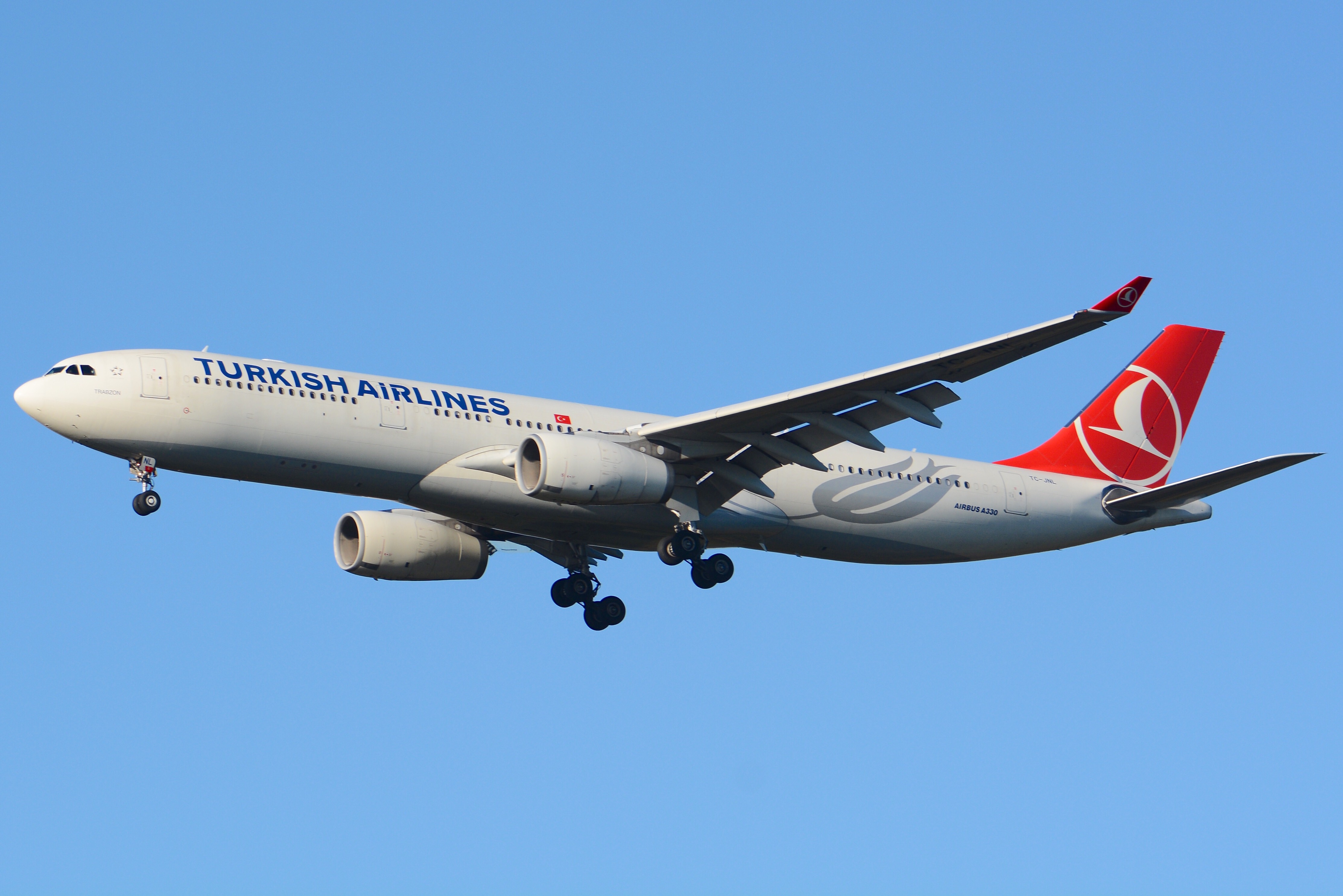
Historical Context & Origins
The Airbus A330-200 emerges as a pillar in the evolution of modern commercial aviation, a direct response to market needs for a more efficient and versatile long-range airliner. Born from the A330 family, whose parent, the A330-300, focused on capacity, the -200 was designed to significantly extend range.
Its genesis lies in a period of intense innovation and competitiveness, with the aim of offering a superior alternative in the wide-body twin-engine segment. The first flight, which took place in 1997, marked the beginning of a new era for Airbus, consolidating its position against historical rivals.
This shorter but more autonomous variant proved to be a winning strategic move, opening up new route opportunities and defining a standard of operational flexibility. The A330-200 was not simply a derivative, but an aircraft with its own well-defined identity and immediate global impact.
Architecture & Technological Design
The A330-200 sports a majestic wide-body twin-engine architecture, expertly engineered to balance aerodynamic efficiency and structural capacity. Its distinctive design includes a shorter fuselage than the A330-300, optimized to reduce drag and increase maximum range.
The technological heart of this giant of the skies lies in the pioneering implementation of the Fly-by-Wire system, an Airbus trademark that revolutionized flight control. This sophisticated digital interface offers pilots unparalleled precision and safety, while reducing their workload.
Its wing, although derivative, has been optimized with increased fuel capacity and aerodynamic refinements to enable transoceanic routes, positioning the A330-200 as an ideal vehicle for intercontinental air links with competitive operating costs.
Onboard Specifications
- ◆Digital Fly-by-Wire Avionics: A pillar of Airbus engineering offering precision and advanced redundancy in flight control systems.
- ◆High cabin commonality with other Airbuses: Reducing training costs for pilots and maintenance for operators.
- ◆Extended ETOPS certification for long-range twin-engine operations: The key to its global versatility and ability to serve ocean routes.
Operational Career & Operators
Since its introduction, the Airbus A330-200 has enjoyed resounding commercial success, quickly becoming a workhorse for countless airlines around the world. Its ability to operate medium- and long-haul routes with excellent efficiency has made it indispensable to carriers such as Lufthansa, Qantas and Air China.
Its operational reliability and versatility have allowed airlines to expand their networks, connecting cities previously not served by direct flights. The A330-200 has been the star of numerous maiden flights on transatlantic and transpacific routes, demonstrating its robustness and performance.
Even today, despite the introduction of newer models, the A330-200 continues to fly in global fleets, prized for its operating economy and passenger comfort, testament to its enduring relevance in the commercial aviation sector.
Legacy & Cultural Impact
The Airbus A330-200 has left an indelible mark on the aviation industry, establishing itself as a symbol of efficiency and global connectivity. It redefined expectations for long-range twin-engine aircraft, demonstrating that it was possible to combine significant capabilities with extended range and optimized operating costs.
Its success contributed significantly to strengthening Airbus' position as a world leader in airliner construction. It has paved the way for further developments within the A330 family, including the new generation neo, capitalizing on the legacy of a proven and appreciated design.
The A330-200 is not just a means of transport; it is an iconic witness to European aeronautical engineering, a vehicle that shortened the distances between continents and continues to influence the way the world travels. Its history is a narrative of innovation, reliability and lasting success.
Telemetria Specs (HUD)
Hangar Trivia & Curiosità
- 💡È una variante accorciata dell'A330-300, ma con un'autonomia significativamente maggiore, rendendolo ideale per rotte transcontinentali.
- 💡L'A330-200 è stato un pioniere nell'ottenere l'approvazione ETOPS-180, permettendo voli su rotte lontane dagli aeroporti di deviazione per un massimo di 3 ore.
- 💡La sua piattaforma è stata adattata per scopi militari, dando origine all'Airbus A330 MRTT (Multi Role Tanker Transport), un aereo da rifornimento in volo e trasporto strategico.
Archivio Avvistamenti Spotter
Immagini scattate dalla community in tutto il mondo
Vettori Rilevati (Flotta Attiva)


Hawaiian Airlines
In Flotta: x24 u.

Turkish Airlines
In Flotta: x14 u.

Air Canada
In Flotta: x8 u.
EVA Air
In Flotta: x9 u.

Aer Lingus
In Flotta: x12 u.

Air France
In Flotta: x16 u.
EgyptAir
In Flotta: x4 u.
Aeroflot
In Flotta: x17 u.
Korean Air
In Flotta: x21 u.

Qantas
In Flotta: x18 u.

Iberia
In Flotta: x8 u.

China Eastern Airlines
In Flotta: x30 u.

KLM Royal Dutch Airlines
In Flotta: x7 u.
Delta Air Lines
In Flotta: x11 u.
LATAM Airlines Group
In Flotta: x15 u.