A321XLR
Airbus
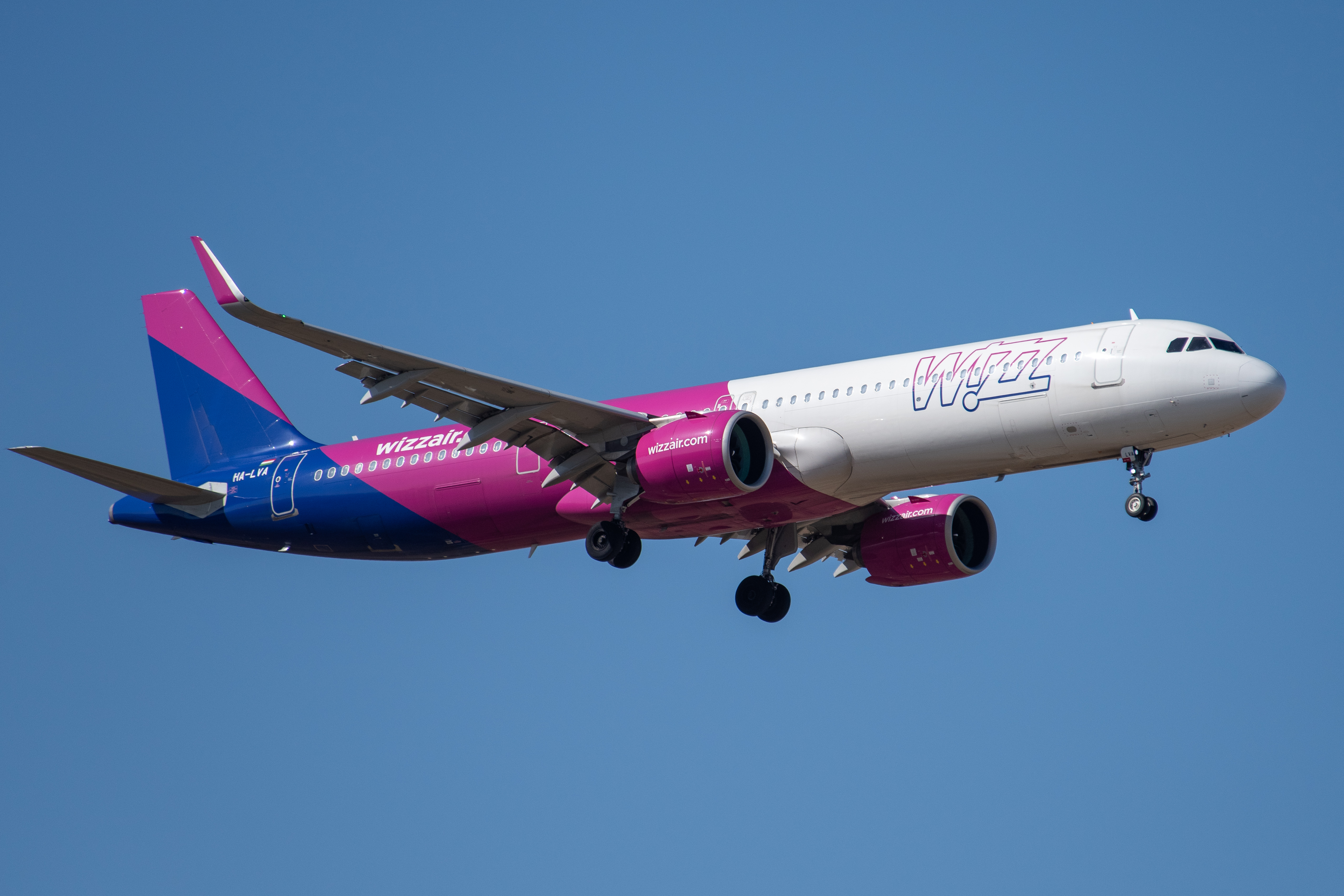
Historical Context & Origins
The Airbus A321XLR was born from the ever-growing demand for single-aisle aircraft capable of covering distances previously reserved for wide-bodies. It represents the evolutionary pinnacle of the A320neo family, whose philosophy of efficiency and versatility has already revolutionized short and medium-range air transport. This development aims to fill a strategic gap in the market, offering an ultra-efficient solution for new point-to-point routes.
The project took shape in response to the need for airlines to operate transcontinental flights with significantly lower costs per seat than twin-aisle aircraft, which are often oversized for low-density routes. The objective was to create a "middle of the market" (MoM) capable of redefining operational horizons, allowing the opening of direct connections between secondary cities or less saturated markets, without the need for complex hubs.
Officially announced at the 2019 Paris Air Show, the A321XLR completed its maiden flight on 15 June 2022, marking a pivotal moment for the aviation industry. This aircraft promises to be a game-changer, extending single corridor capabilities to a previously unthinkable range, solidifying Airbus' vision for a more flexible and sustainable air transport future.
Architecture & Technological Design
The heart of the A321XLR's extraordinary capability lies in a series of technical innovations aimed at maximizing autonomy. The most significant change is the integration of an Additional Rear Center Tank (RCT), a permanently installed rear fuel tank, which dramatically increases storage capacity compared to the optional modules of previous versions.
To support the additional weight of the fuel and the resulting increase in maximum take-off weight (MTOW), the aircraft was structurally strengthened. The modifications include strengthened landing gear and new trailing edge flaps to optimize aerodynamic performance during take-off and landing, while ensuring maximum operational safety.
From a propulsion point of view, the A321XLR benefits from the efficiency of the new generation engines, the same as the A320neo family: the Pratt & Whitney PW1100G or the CFM LEAP-1A. These engines, combined with the Sharklet wingtip devices, contribute to a significant reduction in fuel consumption and emissions, making it a highly competitive and environmentally conscious option.
Onboard Specifications
- ◆Autonomy extended up to 8,700 km (4,700 nautical miles)
- ◆Integration of an Additional Rear Center Tank (RCT) for increased fuel capacity
- ◆Strengthened landing gear and structural modifications for up to 101 tonnes MTOW
Operational Career & Operators
Even before its first flight, the Airbus A321XLR has enjoyed overwhelming commercial success, amassing hundreds of orders from over 20 airlines around the world. Vettori come American Airlines, Qantas e Wizz Air hanno riconosciuto il potenziale rivoluzionario di questo aereo, immaginando nuove rotte transatlantiche e transoceaniche che prima erano impensabili con un aereo a corridoio singolo.
XLR is expected to connect European cities with the US east coast or Brazil, and Asian cities with Australia, allowing airlines to bypass large hubs and offer cheaper direct flights. This capability will open up unexplored markets and generate new travel opportunities, reducing transfer times and improving the passenger experience.
First deliveries are expected in mid-2024, at which point the XLR will begin writing its chapter in commercial aviation history. Its operational flexibility will allow companies to quickly adapt to fluctuations in demand and new market needs, consolidating its position as a key tool for the sector's post-pandemic recovery and growth.
Legacy & Cultural Impact
The Airbus A321XLR is set to leave a lasting legacy, redefining expectations and possibilities in the single-aisle segment. Its ability to operate long-haul flights with the efficiency and flexibility of a narrow-body represents a technological leap forward that pushes the boundaries of what is economically feasible for airlines and convenient for passengers.
Its cultural impact will manifest itself in the democratization of long-haul travel, making new point-to-point destinations accessible that would not justify the use of a wide-body aircraft. This will contribute to greater global connectivity, stimulating tourism and trade between previously disconnected cities, fostering widespread economic growth.
Ultimately, the A321XLR is more than just an airplane; it is a symbol of bold innovation and the constant pursuit of efficiency in aviation. Its introduction will not only consolidate Airbus' leadership in a crucial market segment, but will also influence future generations of aeronautical designs, pushing the entire sector towards increasingly high-performance and sustainable solutions.
Telemetria Specs (HUD)
Hangar Trivia & Curiosità
- 💡The A321XLR's first flight occurred on June 15, 2022, from Hamburg, Germany, beginning its flight test campaign.
- 💡To achieve its extra long range, the A321XLR features a permanent rear center fuel tank (RCT) and an enhanced landing gear for higher maximum take-off weight (MTOW).
- 💡It is designed to open up 'thin' transatlantic and other long-range routes, allowing airlines to operate direct flights with a single-aisle aircraft that were previously only viable with less efficient wide-body jets.
Archivio Avvistamenti Spotter
Immagini scattate dalla community in tutto il mondo
Vettori Rilevati (Flotta Attiva)


American Airlines
In Flotta: x50 u.
Air Astana
In Flotta: x7 u.
Cebu Pacific
In Flotta: x10 u.

Lufthansa
In Flotta: x10 u.

Aer Lingus
In Flotta: x6 u.
Icelandair
In Flotta: x4 u.
JetBlue Airways
In Flotta: x13 u.

Air Transat
In Flotta: x4 u.
United Airlines
In Flotta: x50 u.

Qantas
In Flotta: x28 u.

Iberia
In Flotta: x8 u.
Delta Air Lines
In Flotta: x20 u.
TAP Air Portugal
In Flotta: x12 u.
LATAM Airlines Group
In Flotta: x17 u.