A321neo
Airbus
Historical Context & Origins
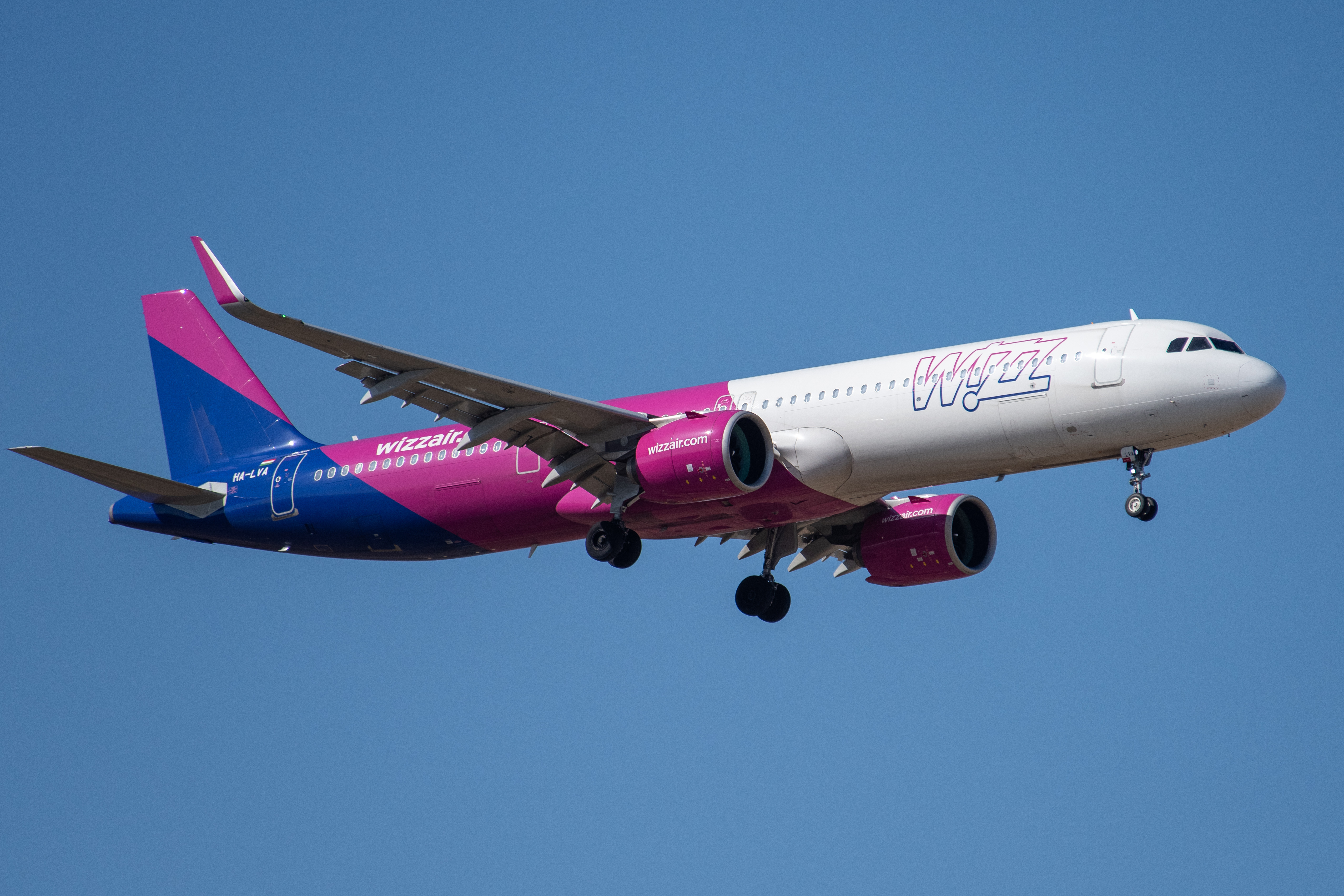
The Airbus A321neo, an acronym for "New Engine Option", represents the evolutionary pinnacle of the famous A320 family, one of the most successful commercial aircraft series in the history of aviation. Its genesis is rooted in the need of an ever-evolving industry to optimize operational efficiency and reduce environmental impact, while maintaining the proven reliability and versatility of its predecessor.
The A321, already the largest member of the extended-capacity A320 family, was the natural candidate for a major overhaul. With the introduction of the new engines and aerodynamic refinements, Airbus has responded to growing demands from airlines for a single-aisle aircraft with significantly improved performance, capable of covering longer routes at lower costs. The first flight, a historic moment for aviation, occurred on February 9, 2016, marking the beginning of a new era.
The primary objective was to offer unprecedented fuel savings while drastically reducing emissions and noise. This has allowed the A321neo to position itself as a strategic solution for companies wishing to modernize their fleets and operate in a more sustainable and economical way, projecting themselves into the future of air transport.
Architecture & Technological Design
The heart of the A321neo's innovation lies in its new generation engines. Airlines can choose between two state-of-the-art options: the Pratt & Whitney PW1100G-JM with Geared Turbofan technology or the CFM International LEAP-1A, both capable of offering improved fuel efficiency of up to 20% compared to previous generation engines, accompanied by significant reductions in CO2 emissions and noise.
In addition to the new engines, the A321neo incorporates significant aerodynamic improvements, the most visible of which are the Sharklets, the distinctive vertical wingtips. These structures, nearly 2.5 meters tall, reduce induced drag and further contribute to fuel efficiency, while extending the aircraft's range and optimizing take-off and landing performance.
Another crucial innovation is the introduction of the Airbus Cabin Flex (ACF) option, a cabin redesign that eliminates one door and repositions others, allowing for a more flexible interior configuration. This structural modification not only maximizes seating capacity, reaching up to 244 passengers, but was fundamental to the development of ultra-long-range variants such as the A321LR and A321XLR, revolutionizing the concept of long-haul flights with single-aisle aircraft.
Onboard Specifications
- ◆New generation engines (PW1100G-JM or LEAP-1A): for up to 20% higher fuel efficiency and significant noise reduction.
- ◆Advanced wing sharklets: for better aerodynamics, less drag and greater flight range.
- ◆Airbus Cabin Flex (ACF) configuration: Offers flexibility in cabin layout and allows for increased passenger capacities, critical for long-range versions.
Operational Career & Operators
The Airbus A321neo has quickly conquered the global market, becoming a mainstay for numerous airlines seeking efficiency and versatility. Since its entry into service, it has been adopted by leading carriers around the world, from Europe to Asia, from the Americas to the Middle East, thanks to its extraordinary ability to operate on regional routes and, with the LR/XLR variants, also on transcontinental routes.
Its ability to carry large numbers of passengers over considerable distances, at a lower cost per seat, has made it ideal for expanding route networks, opening up markets previously inaccessible to single-aisle aircraft. Many airlines use it to replace older aircraft or to launch new "point-to-point" routes that do not justify the use of wide-body aircraft, optimizing resource allocation.
The A321neo has demonstrated exceptional reliability, contributing to a more comfortable travel experience for passengers thanks to noise reduction and a modern cabin. Its rapid adoption and substantial orders are testament to its revolutionary impact on short- and medium-range air transport, cementing its position as the undisputed leader in the segment.
Legacy & Cultural Impact
The Airbus A321neo has established itself not only as a technologically advanced aircraft, but as a true game-changer in the aviation industry. Its emphasis on fuel efficiency and emissions reduction has set new standards, influencing the development of future projects and pushing the entire industry towards greater environmental sustainability, a crucial issue for the future of the planet.
It has redefined expectations for single-aisle aircraft, demonstrating that it is possible to combine high capabilities with astonishing operational efficiency, even on long-haul routes. The A321LR and A321XLR variants, in particular, have opened up a world of new possibilities for airlines, allowing them to serve "thin long-haul" markets with previously unthinkable economics, eliminating the need for larger, more expensive aircraft.
The A321neo's legacy is that of a bold innovator and a pragmatic pioneer. It cemented Airbus' reputation as a leader in innovation and efficiency, setting a new benchmark for single-aisle aircraft design and profoundly influencing the way people fly and airlines operate, putting it firmly into the future of commercial aviation.
Telemetria Specs (HUD)
Hangar Trivia & Curiosità
- 💡The 'neo' in A321neo stands for 'New Engine Option', highlighting its advanced engine choices for better performance.
- 💡It has specialized long-range versions, the A321LR and A321XLR, capable of flying routes previously served by wide-body aircraft.
- 💡The A321neo offers a choice between two modern engine types: the CFM LEAP-1A or the Pratt & Whitney PW1100G.
Archivio Avvistamenti Spotter
Immagini scattate dalla community in tutto il mondo
Vettori Rilevati (Flotta Attiva)


Turkish Airlines
In Flotta: x30 u.

American Airlines
In Flotta: x75 u.
EVA Air
In Flotta: x10 u.
Air Astana
In Flotta: x5 u.

China Southern Airlines
In Flotta: x20 u.
Spirit Airlines
In Flotta: x25 u.
Alaska Airlines
In Flotta: x10 u.
Frontier Airlines
In Flotta: x10 u.
Vietnam Airlines
In Flotta: x10 u.

British Airways
In Flotta: x10 u.
United Airlines
In Flotta: x20 u.

Saudia
In Flotta: x20 u.

Iberia
In Flotta: x10 u.
China Eastern Airlines
In Flotta: x25 u.
Delta Air Lines
In Flotta: x35 u.
TAP Air Portugal
In Flotta: x10 u.
LATAM Airlines Group
In Flotta: x15 u.
Air China
In Flotta: x15 u.
Wizz Air
In Flotta: x90 u.