A321LR
Airbus
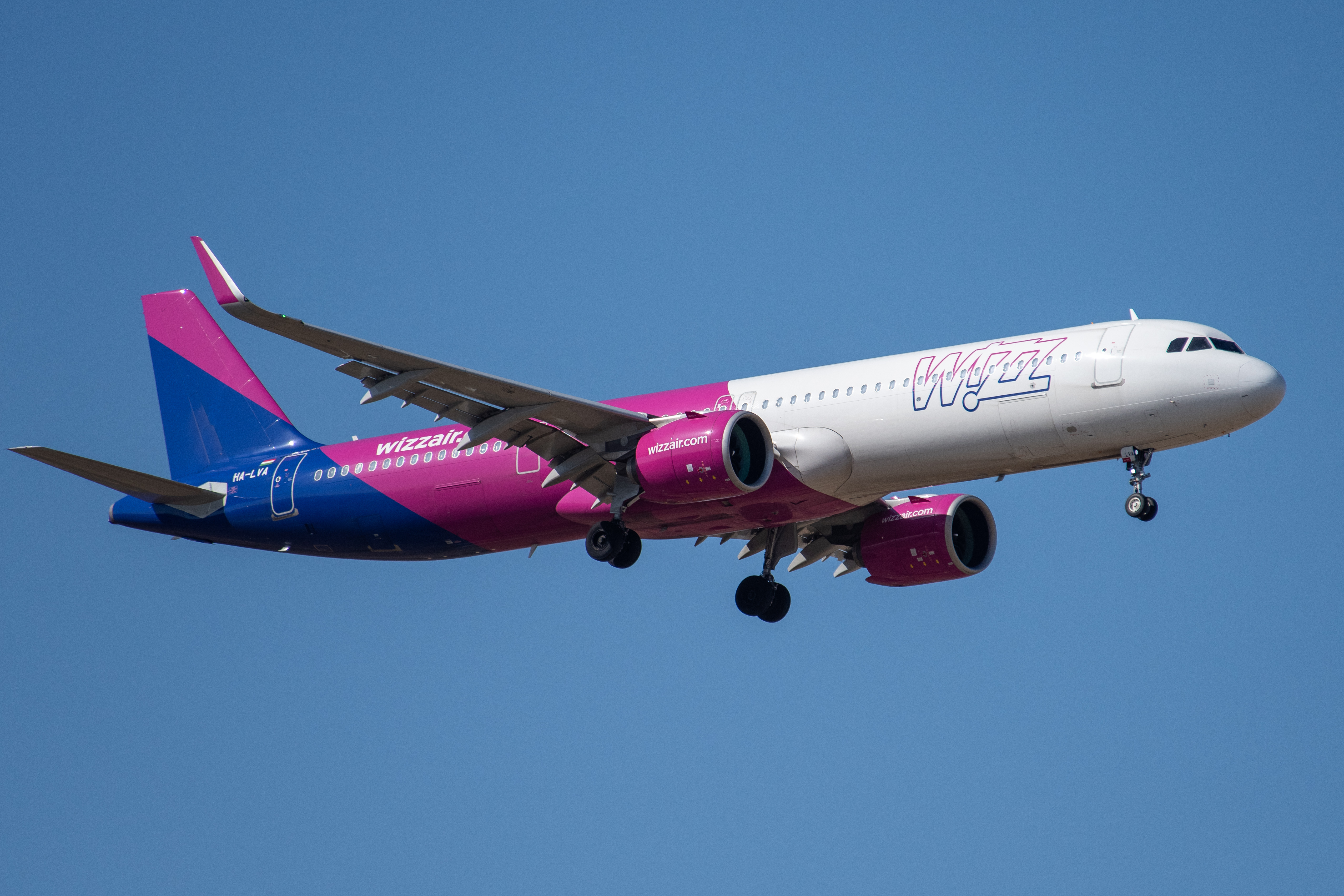
Historical Context & Origins
The Airbus A321LR (Long Range) emerges as a strategic response to the market need for single-aisle aircraft capable of operating on transoceanic routes, traditionally the preserve of twin-aisle aircraft. Born as an evolution of the already popular A321neo, this model aims to fill the gap in the "middle of the market" segment, offering unprecedented efficiency and flexibility.
Its genesis comes in an era of growing demand for direct connections between secondary cities or low-density but long-distance routes. The A321LR promised to make routes economically viable that, with larger aircraft, would have been underutilized and uneconomical for airlines. Its first flight occurred on January 31, 2018, marking the beginning of a new era.
This innovation has allowed airlines to expand their networks, bypassing the main hubs and directly connecting destinations previously unreachable with an aircraft of this size. It represented a bold move by Airbus to redefine long-haul in the modern commercial aviation landscape.
Architecture & Technological Design
The heart of the A321LR's innovation lies in its ability to significantly extend range while maintaining the single-aisle architecture. This was made possible mainly thanks to the integration of three additional auxiliary center tanks (ACT) in the lower cargo section. These additional fuel tanks transform a medium-range aircraft into a true long-distance pioneer.
To support the additional fuel weight and allow for a greater payload, the A321LR benefits from an increased maximum take-off weight (MTOW), which reaches 97 tonnes. This greater structural robustness, combined with the new generation engines (CFM LEAP-1A or Pratt & Whitney PW1100G), guarantees not only impressive autonomy but also first-rate fuel efficiency and noise reduction.
The wing is equipped with the efficient Sharklets, wing devices that reduce induced drag and further improve aerodynamic efficiency, contributing to the extension of the range of action. The cabin design, with the possibility of configurations for up to 206 passengers in two classes, guarantees comfort even on the longest routes.
Onboard Specifications
- ◆Auxiliary Fuel Tanks (ACT): Three additional tanks for a maximum range of 7,400 km.
- ◆Increased MTOW: Up to 97 tons for increased fuel capacity and payload.
- ◆Next Generation Engines: CFM LEAP-1A or Pratt & Whitney PW1100G options for efficiency and power.
Operational Career & Operators
The A321LR quickly demonstrated its value in the operational field, with the first delivery taking place in November 2018 to Arkia Israeli Airlines and the commercial debut in January 2019 with TAP Air Portugal. Numerous carriers have embraced this solution, recognizing its potential for opening new routes and optimizing fleets.
Airlines such as Aer Lingus, Air Transat and SAS have deployed the A321LR on transatlantic routes between Europe and North America, demonstrating its ability to connect cities previously served only by wide-body aircraft. It has enabled greater frequency and a more flexible offer in medium-density markets, redefining network strategies.
Its reliability and low operating costs per seat have made it a valuable asset, allowing airlines to challenge traditional models and offer direct and convenient connections, revolutionizing the map of intercontinental air connections with a single-aisle aircraft.
Legacy & Cultural Impact
The Airbus A321LR has left an indelible mark on the aviation industry, redefining expectations for single-aisle aircraft. It demonstrated that airlines can operate long-haul routes efficiently and profitably without necessarily resorting to twin-aisle aircraft, shifting the focus to the concept of "size matters" with a view to operational flexibility.
Its success laid the foundation for further developments, culminating in the announcement and development of the even more capable A321XLR (Extra Long Range). The A321LR thus opened a new chapter in the history of aviation, demonstrating the industry's continued innovation potential and ability to respond to the changing needs of the global market.
This plane is not just a means of transport, but a symbol of how technology can overcome traditional boundaries, offering new opportunities for travel and connectivity. He has inspired a new generation of network strategies for airlines, cementing his legacy as a true game-changer in the world of commercial aviation.
Telemetria Specs (HUD)
Hangar Trivia & Curiosità
- 💡The 'LR' in its name stands for 'Long Range', signifying its enhanced operational capabilities.
- 💡It can be configured with up to three Additional Centre Fuel Tanks (ACFTs) to achieve its impressive range.
- 💡The A321LR enables airlines to open new 'long and thin' routes that were previously uneconomical for traditional narrow-body aircraft.
Archivio Avvistamenti Spotter
Immagini scattate dalla community in tutto il mondo
Vettori Rilevati (Flotta Attiva)


La Compagnie
In Flotta: x2 u.
Air Astana
In Flotta: x2 u.

Aer Lingus
In Flotta: x4 u.
Azerbaijan Airlines
In Flotta: x2 u.

JetBlue Airways
In Flotta: x18 u.

Air Transat
In Flotta: x10 u.
Royal Jordanian
In Flotta: x2 u.
Air Fiji
In Flotta: x2 u.
TAP Air Portugal
In Flotta: x10 u.