A320neo
Airbus
Historical Context & Origins
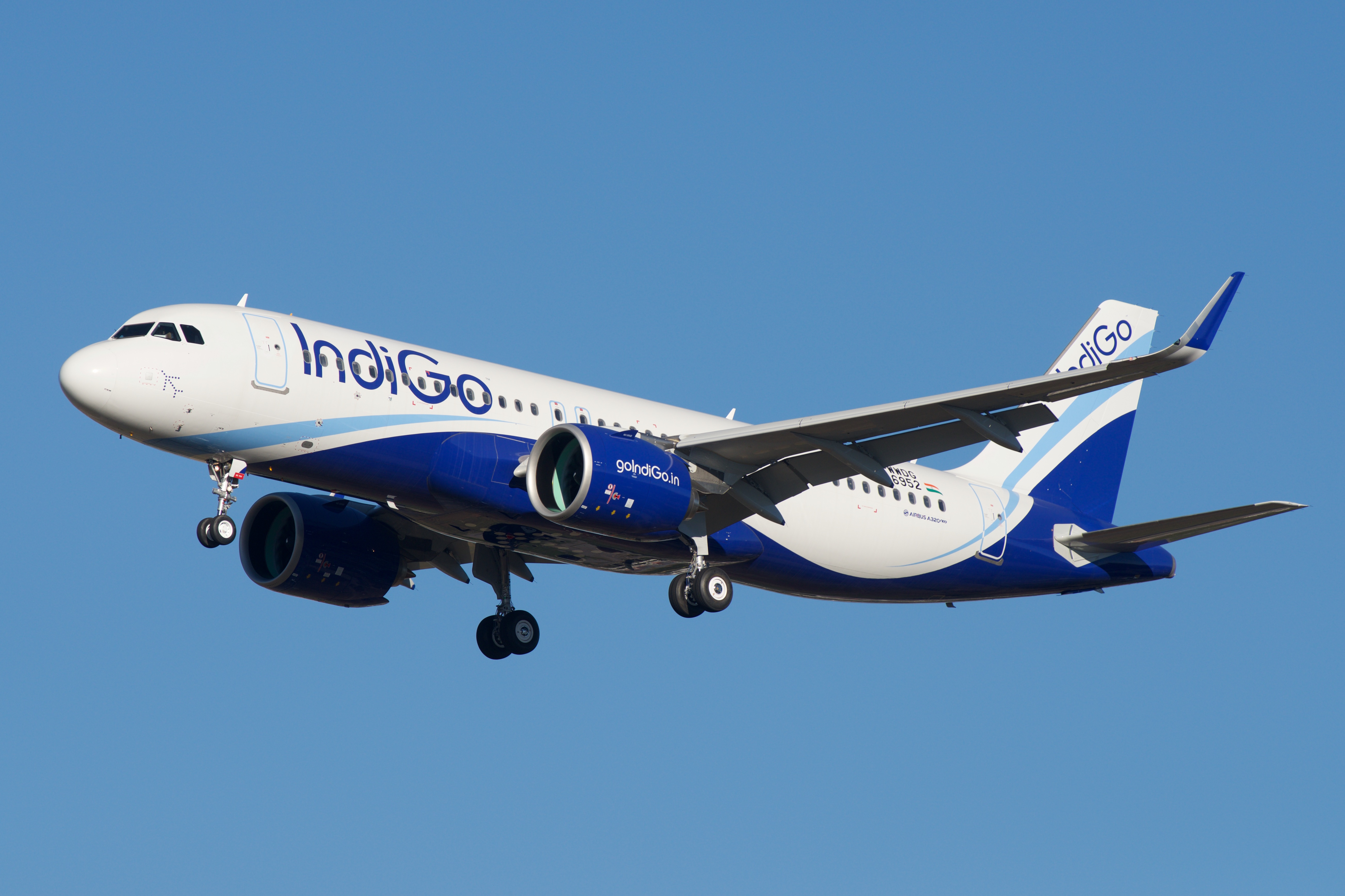
The Airbus A320neo, an acronym for "new engine option", represents a milestone in the evolution of single-aisle commercial aviation. Born from the need to modernize the already iconic A320ceo family, launched with great success in the 1980s, the program was officially launched by Airbus in December 2010. The primary objective was to respond to the market's pressing need for more fuel-efficient aircraft with less impact on the environment.
The predecessor, the A320ceo, was already a huge commercial success, but ever-increasing fuel costs and growing global ecological concerns required a technological leap forward. The A320neo has emerged as the ideal solution to extend the competitiveness of the A320 family, offering significant improvements without having to design an entirely new aircraft.
Its development was rapid and efficient, culminating in the first flight of this revolutionary machine on September 25, 2014, an event that marked the beginning of a promising new era for commercial aviation. This approach has allowed Airbus to maintain its leadership in the competitive single-aisle market segment.
Architecture & Technological Design
The heart of the A320neo innovation lies primarily in its propulsion and refined aerodynamics, key elements for its extraordinary efficiency. The aircraft can be equipped with two next-generation, ultra-high-bypass engine options: the CFM LEAP-1A or the Pratt & Whitney PW1100G. These cutting-edge powertrains guarantee an impressive 15% fuel saving, a significant reduction in CO2 emissions and a noise reduction of approximately 10-15 decibels.
In addition to the engines, the A320neo benefits from the introduction of Sharklets, large and distinctive wing devices that further improve aerodynamic efficiency, reducing induced drag and contributing to fuel savings on every flight. The integration of updated avionics systems and structural optimization have allowed performance to be maximized, whilst maintaining significant parts commonality with the A320ceo family, easing the transition for operators.
Onboard Specifications
- ◆New generation engines (CFM LEAP-1A or Pratt & Whitney PW1100G), which guarantee up to 15% reduction in fuel consumption and lower emissions.
- ◆Sharklets (composite wing devices), optimize the aerodynamics of the wing, improving efficiency and autonomy.
- ◆Airbus Cabin Flex (ACF), an innovative configuration that offers greater flexibility in seating arrangements and optimization of space on board.
Operational Career & Operators
The entry into service of the Airbus A320neo took place in January 2016 with the German airline Lufthansa, which had the honor of inaugurating the era of passenger flights with this new generation of aircraft. Since then, its rise in the global market has been meteoric, with an unprecedented rate of adoption by flag and low-cost airlines around the world.
Hundreds of carriers have chosen the A320neo, attracted by its undeniable operational and economic advantages, including fuel efficiency and greater flight autonomy. Aviation giants such as Air China, the dynamic low-cost Indigo and Wizz Air, and the North American Spirit Airlines and American Airlines are among the main operators, testifying to its versatility and reliability.
Legacy & Cultural Impact
The Airbus A320neo is not only a highly efficient aircraft; it is a tangible symbol of modernization and sustainability in modern commercial aviation. It has set ambitious new efficiency standards for single-aisle aircraft, pushing the entire competition to innovate and accelerating the global transition to greener, less polluting fleets.
Its impact extends far beyond just flight metrics, positively influencing public perceptions of air travel. With significantly quieter flights, more comfortable interiors and a smaller carbon footprint, the A320neo contributes to an overall more pleasant travel experience for passengers and a far more responsible future for our planet. It represents the ongoing pursuit of European engineering excellence and serves as a guiding light for future generations of aircraft.
Telemetria Specs (HUD)
Hangar Trivia & Curiosità
- 💡The 'neo' in A320neo stands for 'new engine option', highlighting its primary upgrade feature.
- 💡It is a direct competitor to the Boeing 737 MAX family in the narrow-body aircraft market.
- 💡The A320neo family introduced two new engine types: the CFM LEAP-1A and the Pratt & Whitney PW1100G, offering airlines a choice.
Archivio Avvistamenti Spotter
Immagini scattate dalla community in tutto il mondo
Vettori Rilevati (Flotta Attiva)


Turkish Airlines
In Flotta: x20 u.

EasyJet
In Flotta: x66 u.

Lufthansa
In Flotta: x29 u.
AirAsia
In Flotta: x29 u.

Spirit Airlines
In Flotta: x33 u.
JetBlue Airways
In Flotta: x16 u.

Qatar Airways
In Flotta: x15 u.
Frontier Airlines
In Flotta: x82 u.
British Airways
In Flotta: x17 u.
LATAM Airlines Group
In Flotta: x20 u.

Air China
In Flotta: x18 u.
Wizz Air
In Flotta: x40 u.
IndiGo
In Flotta: x97 u.