A300-600R
Airbus
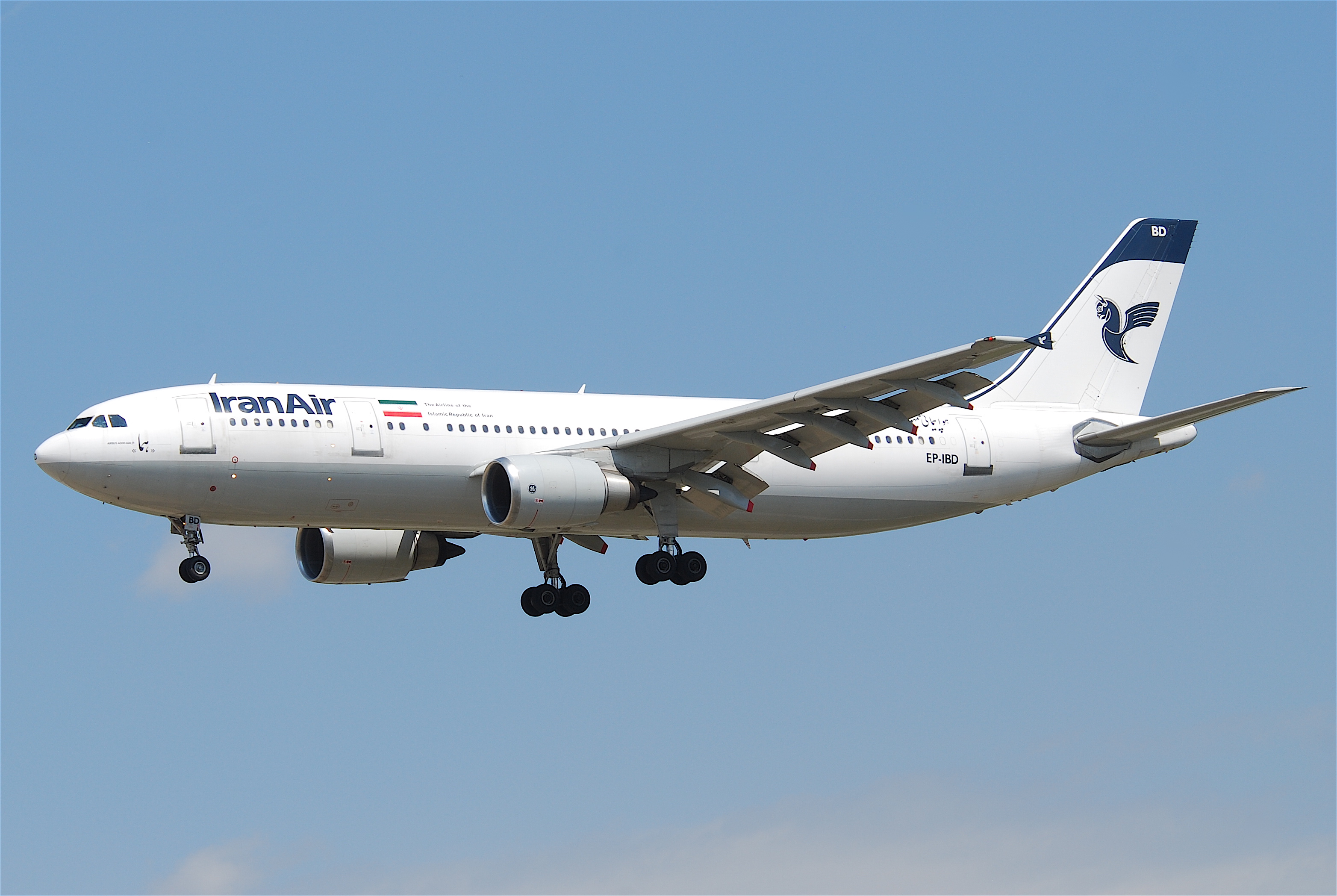
Historical Context & Origins
The Airbus A300, born in the 1960s from a pan-European vision, was the world's first twin-jet wide-body, a bold concept that aimed to revolutionize medium-range air transport. Its initial success laid the foundation for the rise of the Airbus consortium, demonstrating the feasibility of a modular and innovative approach to aeronautical design.
As the market evolved, the need for greater autonomy and operational versatility grew to compete on transcontinental and intercontinental flights. From here the Airbus A300-600R was born, where the "R" stands for "Range", a deeply updated and enhanced version. Its first flight was in 1987, marking a major expansion of the capabilities of the original A300.
This variant was not limited to a simple upgrade, but represented a significant step in aeronautical engineering, designed to offer carriers a flexible and cost-effective solution. The objective was to combine the reliability of the predecessor with superior performance, consolidating Airbus' presence in the medium-long haul flight segment.
Architecture & Technological Design
The A300-600R integrated an advanced architecture, inheriting significant innovations from the A310 program, particularly regarding avionics and cockpit configuration. This synergy between models allowed not only an optimization of development costs, but also a substantial modernization of the working environment for pilots, which was cutting edge for the time.
The design included a redesigned wing with an optimized aerodynamic profile and the addition of a fin box for the installation of additional fuel tanks in the tailplane, the key element for increasing range. The extensive use of advanced composite materials, such as CFRP (Carbon Fiber Reinforced Polymer), contributed to a substantial reduction in structural weight, improving overall efficiency.
Powered by new generation engines, such as the General Electric CF6-80C2 or the Pratt & Whitney PW4000, the A300-600R offered greater thrust, lower fuel consumption and reduced noise emissions. These improvements made it an extremely competitive and versatile aircraft, capable of tackling a wide variety of routes with efficiency and reliability.
Onboard Specifications
- ◆Digital Two-Crew Cockpit: A key innovation that reduced the flight crew from three to two members, thanks to the adoption of an advanced EFIS (Electronic Flight Instrument System) and flight management computer.
- ◆Increased range with additional tanks in the tail section: The distinguishing feature of the "R" version, which allowed non-stop flights over distances well beyond the capabilities of previous A300s, up to approximately 7,500 km (4,050 nautical miles).
- ◆Extensive use of composite materials and lightweight alloys: Contributed to significant weight savings, improving fuel efficiency and payload capacity, a crucial economic advantage for airlines.
Operational Career & Operators
The Airbus A300-600R quickly entered service, gaining the trust of major airlines globally. Prominent airlines such as American Airlines, Japan Airlines (JAL) and Lufthansa were among the first and largest operators, taking advantage of its reliability and flexibility on transcontinental routes in the United States and between Asia and Europe.
Its exceptional ability to carry a high number of passengers and a considerable volume of cargo in its large lower cargo compartment also made it ideal for cargo operations. Many examples have been converted into freighters (A300-600F), further extending their operational life and demonstrating the inherent robustness and adaptability of the design.
Although gradually replaced by newer, more efficient models, such as the A330, the A300-600R has maintained a significant presence in cargo fleets and some regional passenger operations until recently. This longevity testifies to its lasting engineering validity and its economical operation, a true workhorse of aviation.
Legacy & Cultural Impact
The A300-600R has had a profound impact, not only on the market, but also on aeronautical engineering. It demonstrated the effectiveness of Airbus' "commonality" concept, allowing crews to more easily transition between different Airbus models, a competitive advantage that characterized all subsequent aircraft families of the consortium.
Its success consolidated Airbus' reputation as an innovator capable of challenging the historical duopoly, paving the way for the development of subsequent successes such as the Airbus A330 and A340. Many of the technologies and design philosophies introduced or refined on the A300-600R have since been replicated and improved in more recent models, influencing entire generations of aircraft.
Today, the A300-600R is remembered as a versatile workhorse and a key pillar of Airbus' global growth and success. Its legacy lives on in the trust that carriers place in Airbus products and its continued operation in the cargo sector, a true aviation classic that has profoundly shaped the modern sky.
Telemetria Specs (HUD)
Hangar Trivia & Curiosità
- 💡The 'R' in A300-600R stands for 'Range-extended', referring to its greater fuel capacity and increased operational range over the standard A300-600.
- 💡It was the first Airbus aircraft to achieve 180-minute ETOPS (Extended-range Twin-engine Operational Performance Standards) certification, allowing it to fly routes further from diversion airports.
- 💡Many A300-600R passenger aircraft have been converted into dedicated freighters, continuing their operational life by transporting cargo globally due to their ample capacity and robust design.
Archivio Avvistamenti Spotter
Immagini scattate dalla community in tutto il mondo
Vettori Rilevati (Flotta Attiva)



Vettori Rilevati (Flotta Storica / Dismessa)

China Airlines
Stato: Dismesso

American Airlines
Stato: Dismesso

Lufthansa
Stato: Dismesso

Emirates
Stato: Dismesso

Air France
Stato: Dismesso
EgyptAir
Stato: Dismesso
Thai Airways
Stato: Dismesso
Korean Air
Stato: Dismesso

Saudia
Stato: Dismesso

China Eastern Airlines
Stato: Dismesso
Kuwait Airways
Stato: Dismesso

Japan Air System
Stato: Dismesso