A300-600
Airbus
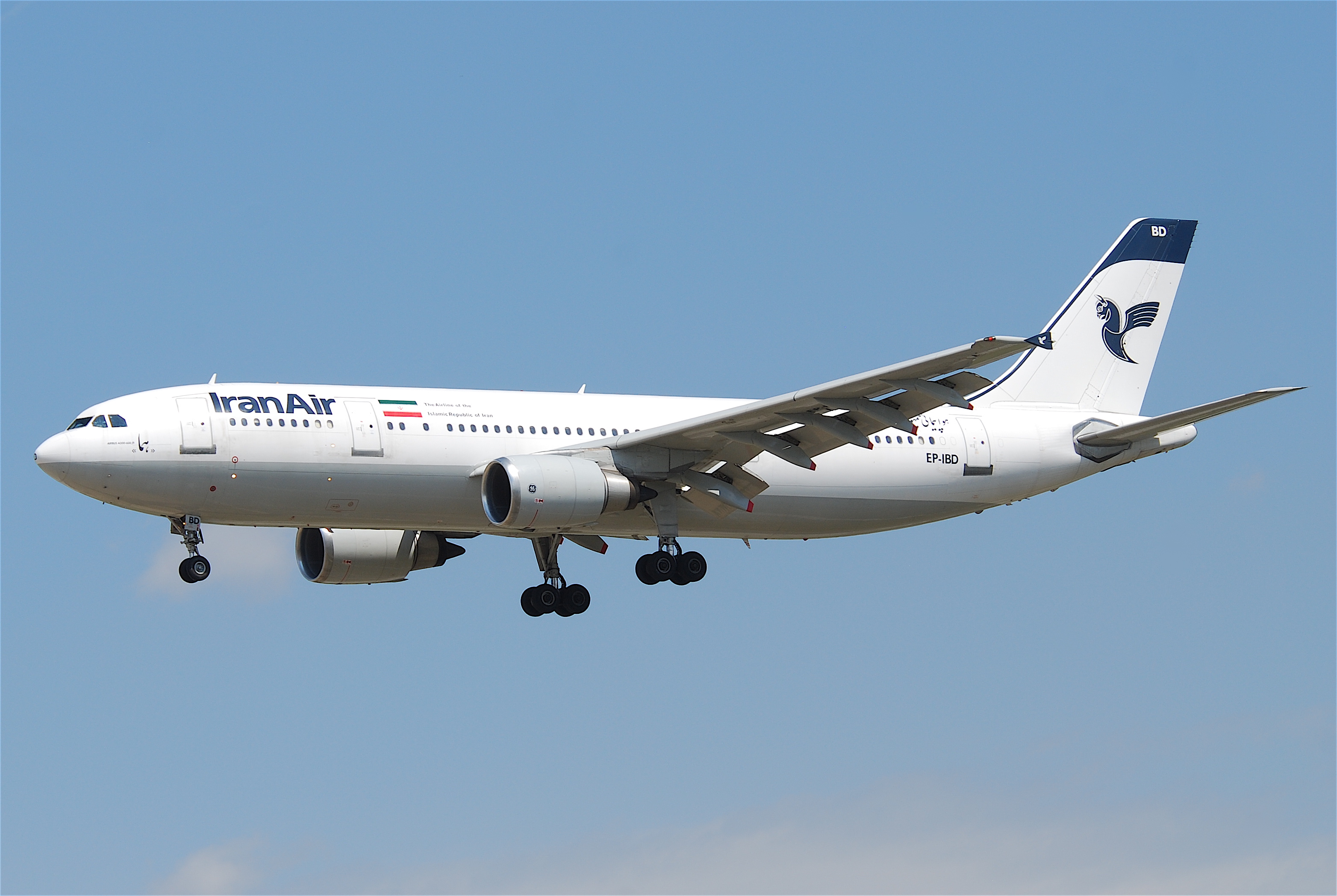
Historical Context & Origins
The Airbus A300, conceived in the 1970s, was the world's first twin-engine wide-body airplane. Born from European collaboration to challenge American dominance, it offered an efficient alternative for medium-range routes, paving the way for a new family of aircraft.
The A300-600 emerged as a necessary evolution, responding to market needs. Its first flight in 1983 marked the beginning of a new era, consolidating the reputation of the European consortium and laying the foundations for future technological developments.
This model brought significant improvements in operational efficiency and capacity. It represented a fundamental step in Airbus' design philosophy, anticipating future innovations and standards in the aeronautical sector.
Architecture & Technological Design
The Airbus A300-600 embodied a technological leap with cutting-edge solutions. Keeping the wide fuselage, it introduced revisions to the on-board systems and propulsion, with more powerful and efficient engines such as the General Electric CF6-80C2 or the Pratt & Whitney PW4000.
The design focused on aerodynamic optimization and the integration of advanced digital systems, significantly improving overall efficiency. The reduction of the structural weight and the adoption of new materials extended autonomy and load capacity, crucial characteristics.
The cockpit was radically modernized, moving to a "two-crew" configuration thanks to EFIS (Electronic Flight Instrument System). This reduced operating costs and set a new standard for future Airbus airliners.
Onboard Specifications
- ◆"Two-crew" cockpit (EFIS): A revolution that allowed the flight crew to be reduced from three to two pilots, optimizing costs and inaugurating the era of electronic instrumentation.
- ◆Increased range and load capacity: Thanks to additional fuel tanks in the center of the wing and a reinforced structure, the A300-600 could cover longer distances with a higher payload.
- ◆Winglets: Introduced to improve aerodynamic efficiency, reducing induced drag and contributing to greater fuel economy and range.
Operational Career & Operators
The Airbus A300-600 quickly earned a reputation for reliability and versatility, becoming a workhorse for many airlines. Launch company was Saudi Arabian Airlines, followed by American Airlines, Japan Air System and Lufthansa.
Its spacious configuration made it ideal not only for passengers, but also as an efficient cargo aircraft, with many units converted into "freighters". This significantly extended its career, demonstrating the inherent flexibility of the Airbus design.
Even today, several A300-600s continue to fly, mainly in the cargo sector, with operators such as FedEx Express and UPS Airlines. Its longevity in service is a clear testament to the robustness and foresight of the initial design.
Legacy & Cultural Impact
The Airbus A300-600 was a fundamental pillar in Airbus' establishment as a global leader. Its innovative "two-crew" cockpit became the standard for subsequent models, including the A330 and A340, promoting "commonality" among fleets.
This concept of common crew and similar instrumentation dramatically reduced training and maintenance costs. The A300-600 paved the way for a series of successes, demonstrating that a European consortium could innovate and set new standards in the industry.
Its legacy is visible in every modern Airbus, from the cabin configuration to the flight systems, making it a true trailblazer and symbol of European capability. Its cultural impact lies in demonstrating that bold innovation and collaboration can shape the future of aviation.
Telemetria Specs (HUD)
Hangar Trivia & Curiosità
- 💡La serie A300 è stata il primo aereo di linea a fusoliera larga bimotore al mondo, pioniere di questa configurazione.
- 💡L'A300-600 ha introdotto una cabina di pilotaggio a due persone, eliminando la necessità di un ingegnere di volo e riducendo significativamente i costi operativi.
- 💡Molti A300-600 sono stati convertiti in cargo, continuando a servire le operazioni di trasporto merci a livello globale grazie al loro design robusto e alla capacità.
Archivio Avvistamenti Spotter
Immagini scattate dalla community in tutto il mondo
Vettori Rilevati (Flotta Attiva)





Vettori Rilevati (Flotta Storica / Dismessa)

China Airlines
Stato: Dismesso

American Airlines
Stato: Dismesso

Lufthansa
Stato: Dismesso

Air France
Stato: Dismesso
EgyptAir
Stato: Dismesso
Thai Airways
Stato: Dismesso
Korean Air
Stato: Dismesso

Saudia
Stato: Dismesso

Japan Airlines
Stato: Dismesso