787-9
Boeing
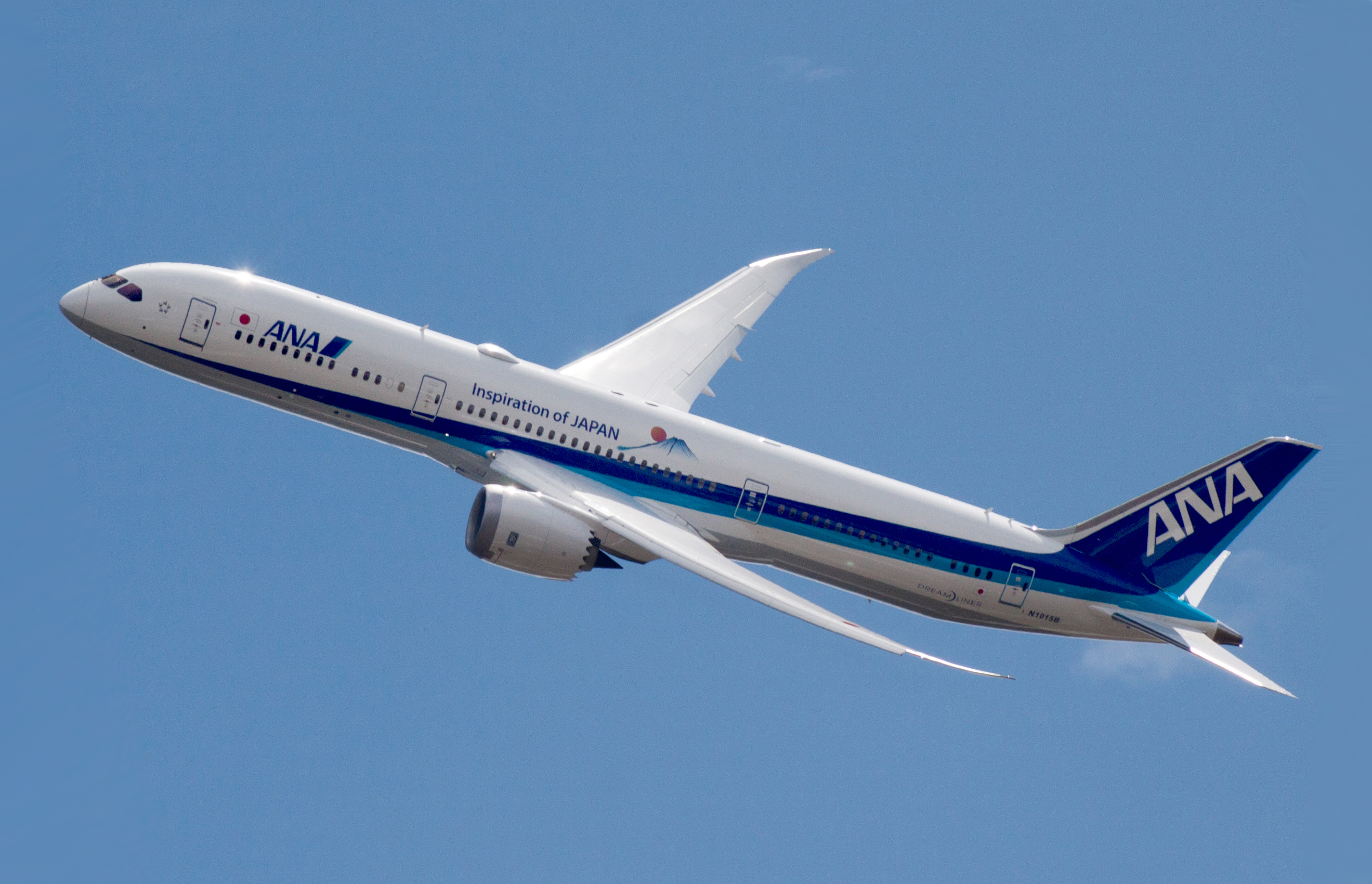
Historical Context & Origins
The Boeing 787 Dreamliner represents a milestone in the history of commercial aviation, a project born from the need for a revolutionary aircraft that would overcome the limitations of traditional designs. The idea of a lighter, more efficient and more comfortable aircraft for passengers took shape in the early 2000s, culminating in the launch of the 787-8, the original variant.
The Dreamliner family was designed to deliver unprecedented efficiency, pushing the boundaries of engineering and materials innovation. The success of the 787-8 quickly generated demand for a version with greater capacity and range, leading to the development of the 787-9 variant.
The Boeing 787-9, which made its first flight in 2013, has emerged as the perfect answer to this need. It represents a stretched version of the basic model, designed to cover long-haul routes with a greater number of passengers and an increased payload, solidifying its position as a key element in the network strategies of global airlines.
Architecture & Technological Design
The heart of the innovation of the Boeing 787-9 lies in its pioneering architecture, dominated by the extensive use of advanced composite materials. Over 50% of its primary structure is made of carbon fiber reinforced polymer (CFRP), including the entire fuselage and wings. This allowed a significant reduction in weight, translating into lower fuel consumption and greater operational autonomy.
The aerodynamic design of the 787-9 has been meticulously optimized to maximize efficiency. The steeply tapered wings with raked wingtips reduce drag, while the latest generation engines – Rolls-Royce Trent 1000 or GE GEnx-1B – guarantee powerful and eco-friendly propulsion. The passenger cabin has been redesigned for superior comfort, with an internal pressure equivalent to 6,000 feet and higher humidity.
The adoption of a "more-electric" architecture has revolutionized the approach to on-board systems, replacing many hydraulic and pneumatic systems with electric equivalents. This simplified maintenance, reduced weight and further improved the overall efficiency of the aircraft, cementing the 787-9 as a symbol of futuristic engineering.
Onboard Specifications
- ◆Advanced Composite Structure: Fuselage and wings constructed mainly in carbon fiber, for unprecedented lightness and resistance.
- ◆"More-Electric" Electrical Systems: Significant reduction of hydraulics and pneumatics, in favor of advanced electrical systems for greater efficiency and reliability.
- ◆Revolutionary Electrochromic Windows: Windows that are 65% larger than traditional aircraft, featuring adjustable electronic dimming that eliminates physical shades.
Operational Career & Operators
Since its introduction into service, the Boeing 787-9 has quickly conquered global routes, becoming a workhorse for countless airlines. Vettori come Air New Zealand, il suo cliente di lancio, hanno sfruttato la sua straordinaria autonomia e capacità per inaugurare collegamenti diretti a lungo raggio, ridisegnando le mappe dei network aerei.
Its operational flexibility and ability to carry up to 290 passengers (in typical configuration) over distances of up to 14,140 km have made it ideal for connecting cities previously unreachable with direct flights. This has opened up new business opportunities and improved the travel experience for millions of passengers by eliminating intermediate stops.
The 787-9 is known for its high reliability and low operating costs, which have made it extremely popular among airlines. Its fuel efficiency has a positive impact on both airline balance sheets and the environment, reinforcing its reputation as a cutting-edge aircraft.
Legacy & Cultural Impact
The Boeing 787-9 is not just a plane, but a tangible symbol of aeronautical progress and the vision of a more sustainable future. Its introduction has set new standards for fuel efficiency, noise emissions and passenger comfort, pushing the entire industry towards the adoption of more innovative and environmentally friendly solutions.
It demonstrated that it is possible to combine exceptional performance with environmental awareness, serving as a catalyst for the development of future aircraft by Boeing and its competitors. Its sleek, futuristic silhouette is instantly recognizable and symbolizes the modern era of aviation, capable of connecting distant worlds with ease and style.
The legacy of the 787-9 lies in its ability to transform the air travel experience, making it more accessible, comfortable and environmentally responsible. It cemented Boeing's reputation as a leader in innovation and continues to inspire future generations of engineers and aviation enthusiasts, marking an unforgettable chapter in the history of flight.
Telemetria Specs (HUD)
Hangar Trivia & Curiosità
- 💡Il 787-9 ha stabilito un record per il volo passeggeri senza scalo più lungo in un servizio regolare, operato da Qantas tra Perth e Londra nel 2018.
- 💡Circa il 50% della struttura primaria del 787-9, inclusi fusoliera e ali, è realizzata con materiali compositi, contribuendo significativamente alla riduzione del peso e all'efficienza.
- 💡Il 787-9 può trasportare tra 250 e 290 passeggeri in una configurazione tipica a due classi, ma può arrivare a oltre 400 in configurazioni ad alta densità.
Archivio Avvistamenti Spotter
Immagini scattate dalla community in tutto il mondo
Vettori Rilevati (Flotta Attiva)


Turkish Airlines
In Flotta: x20 u.

American Airlines
In Flotta: x25 u.

Lufthansa
In Flotta: x10 u.

Air France
In Flotta: x10 u.

Etihad Airways
In Flotta: x30 u.
Air New Zealand
In Flotta: x14 u.

Qatar Airways
In Flotta: x30 u.

British Airways
In Flotta: x18 u.
United Airlines
In Flotta: x40 u.

Qantas
In Flotta: x14 u.

KLM Royal Dutch Airlines
In Flotta: x18 u.

Japan Airlines
In Flotta: x20 u.
LATAM Airlines Group
In Flotta: x20 u.