787-10
Boeing
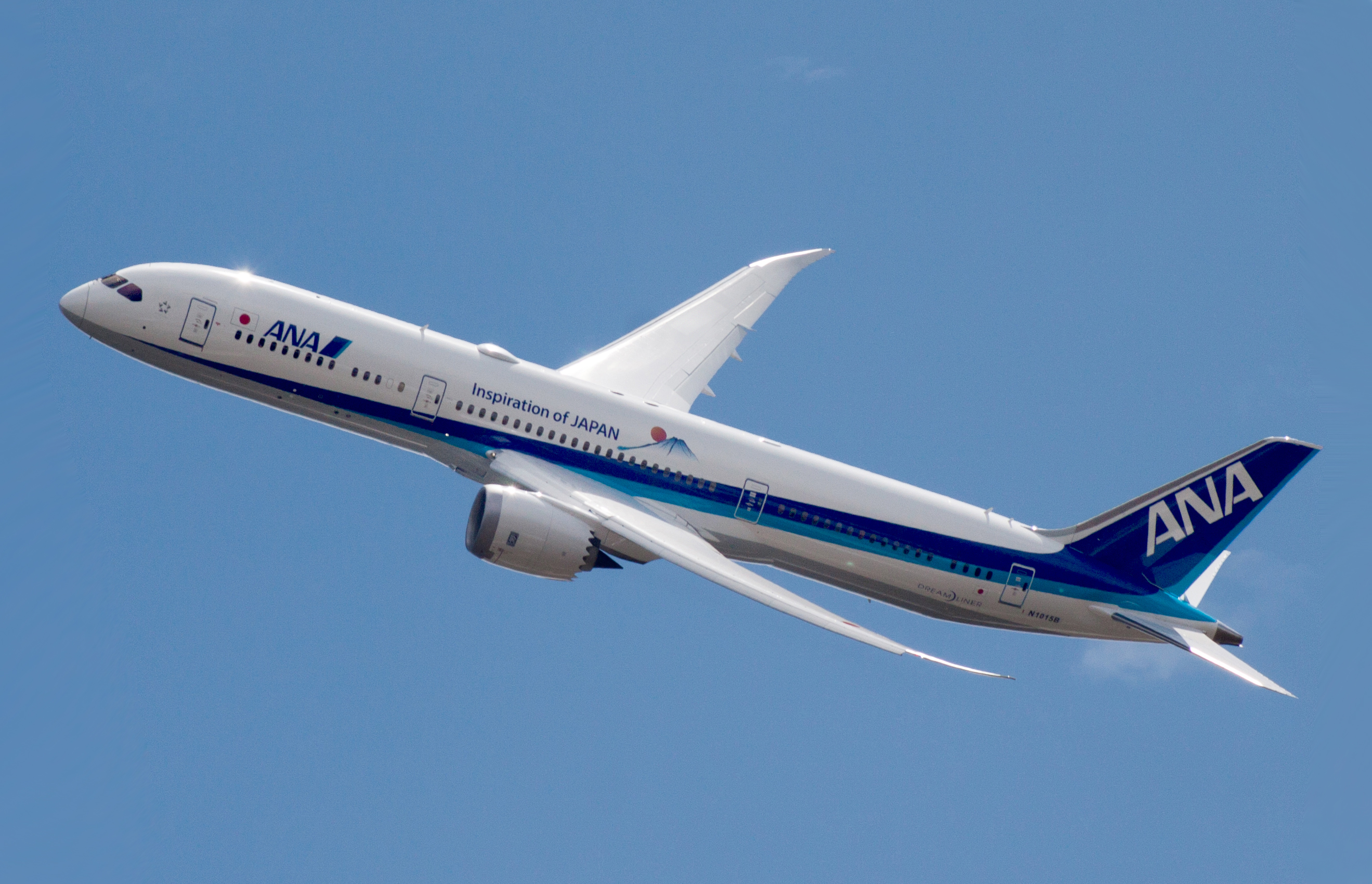
Historical Context & Origins
The Boeing 787-10 emerges as the pinnacle of the Dreamliner family, a bold Boeing design to redefine long-haul flight. Conceived to respond to the growing demand for wide-body, fuel-efficient aircraft capable of operating on medium-long haul routes, the 787-10 represents the third and largest variant of this revolutionary series.
Its genesis is rooted in the success of the previous models, the 787-8 and the 787-9, which had already demonstrated the effectiveness of the extensive use of composite materials and cutting-edge propulsion technology. However, the market required a version with greater passenger and cargo capacity, while maintaining the exceptional operational efficiency and distinctive comfort of the Dreamliner.
Thus, the Boeing 787-10 was developed as a direct response to this need, aiming to bridge the gap between the 787-9 and larger four-engine aircraft, but with significantly lower operating costs. Its first flight on March 31, 2017 marked the beginning of a new era for high-density, long-haul air travel.
Architecture & Technological Design
The architecture of the 787-10 is a triumph of modern engineering, designed to maximize efficiency and comfort. Its distinguishing feature is the significantly lengthened fuselage, making it the largest variant of the Dreamliner, optimized to accommodate a greater number of passengers without compromising range for designated routes.
This giant of the skies uses an extraordinary percentage of advanced composite materials (approximately 50% by weight) for its main structure, including fuselage and wings. This engineering choice dramatically reduces the overall weight of the aircraft, contributing to a significant reduction in fuel consumption and emissions of approximately 25% compared to previous generation models of similar size.
The aerodynamic design has been further refined for the 787-10, with high-aspect ratio wings featuring optimized tapers for greater lift and lower drag. Its propulsion is entrusted to latest generation engines, the General Electric GEnx-1B or the Rolls-Royce Trent 1000 TEN, both synonymous with power, silence and exceptional efficiency.
Onboard Specifications
- ◆Fuselage extended by 5.5 meters compared to the 787-9, the largest variant of the Dreamliner.
- ◆Advanced motorization with General Electric GEnx-1B or Rolls-Royce Trent 1000 TEN, ensuring unprecedented efficiency.
- ◆Cabin Airworthiness Comfort System (ACCS) maintains superior humidity and pressurization equivalent to 6,000 feet, reducing passenger fatigue.
Operational Career & Operators
With its first flight in 2017, the Boeing 787-10 quickly entered service, with Singapore Airlines as the launch carrier in 2018. It was immediately appreciated for its ability to serve high-density routes over medium to long distances, becoming a crucial asset for airlines aiming to optimize efficiency without sacrificing capacity.
Many major global carriers have integrated the 787-10 into their fleets, including United Airlines, Etihad Airways, All Nippon Airways (ANA) and British Airways. These operators use it on strategic transcontinental and intercontinental routes, where its passenger and cargo transport capacity combines perfectly with excellent fuel efficiency.
The 787-10 has proven particularly suitable for connections between busy metropolitan hubs, where the volume of passengers justifies its greater capacity. Its versatility and low operating costs make it a prime choice for modernizing airline fleets globally.
Legacy & Cultural Impact
The Boeing 787-10 embodies the evolution of commercial aviation, setting new standards for efficiency, comfort and sustainability. Its introduction has allowed airlines to open new routes and increase frequency on existing ones, further democratizing long-haul travel and making it more accessible.
Its legacy is deeply rooted in its ability to deliver a superior travel experience, with its spacious cabin, larger windows with electronic dimming and an interior environment that reduces jet lag. These attributes have helped solidify the Dreamliner's image as a symbol of modernity and innovation in the industry.
The 787-10 is not just an airplane, but a symbol of human ingenuity and the continuous pursuit of excellence in the aeronautical field. It represents a significant step towards a greener and more comfortable future of air travel, confirming Boeing's position as a leader in innovation and leaving an indelible imprint on the collective imagination of aviation enthusiasts.
Telemetria Specs (HUD)
Hangar Trivia & Curiosità
- 💡The 787-10 is too long for its fuselage sections to be transported by the Dreamlifter cargo aircraft, a method used for other 787 variants.
- 💡It shares 95% commonality with the 787-9, simplifying pilot training, maintenance, and spare parts management for airlines operating both types.
- 💡The 787-10 was specifically designed to replace older wide-body jets like the Boeing 777-200ER and Airbus A330-300, offering superior fuel efficiency and lower operating costs.
Archivio Avvistamenti Spotter
Immagini scattate dalla community in tutto il mondo
Vettori Rilevati (Flotta Attiva)

EVA Air
In Flotta: x9 u.

Etihad Airways
In Flotta: x9 u.
Vietnam Airlines
In Flotta: x4 u.

British Airways
In Flotta: x12 u.

United Airlines
In Flotta: x21 u.

Saudia
In Flotta: x2 u.

KLM Royal Dutch Airlines
In Flotta: x10 u.

Singapore Airlines
In Flotta: x15 u.