777-300
Boeing
Historical Context & Origins
The Boeing 777 program, officially launched in 1990, was born from the pressing market need for a large twin-engine aircraft, capable of covering intercontinental and high-density routes. The goal was to bridge the gap between the 767 and the iconic 747, while offering efficiency and the flexibility required by the ETOPS regulation.
The 777-300 variant, whose first flight took place in 1997, was a direct response to the growing demand for aircraft capable of replacing older tri-jets (such as the MD-11) and early 747 models on high-traffic routes. This extended version aimed to maximize passenger and cargo capacity on regional and medium-range connections, optimizing operating costs.
Architecture & Technological Design
The Boeing 777-300 stands out for being a lengthened version of the 777-200, with an increase in length of as much as 10.13 metres, bringing its grandeur to a total of 73.86 metres. This extension made it the longest twin-engine aircraft in the world at the time, optimized to accommodate significantly greater numbers of passengers and cargo.
Its design incorporated advanced aerodynamics and extensive use of composite materials in the secondary structures, contributing to significant weight reduction and improved fuel efficiency. A milestone was the adoption of a fly-by-wire control system, the first on a Boeing commercial aircraft, which ensured unprecedented piloting precision and operational safety.
Onboard Specifications
- ◆Powerful and Efficient Engines: Equipped with the largest and most powerful engines available, such as the General Electric GE90-115B, Pratt & Whitney PW4000 or Rolls-Royce Trent 800, which provided exceptional thrust and excellent fuel efficiency.
- ◆Spacious "Boeing Signature Interior" Cabin: Offered a superior passenger experience with a spacious interior, high ceilings, generous luggage compartments and a flexible modular design, capable of accommodating up to 550 passengers in a high-density configuration.
- ◆Advanced Digital Avionics: The cockpit was equipped with an advanced fully digital avionics suite with multi-function LCD screens, reducing pilot workload and significantly improving situational awareness and flight management.
Operational Career & Operators
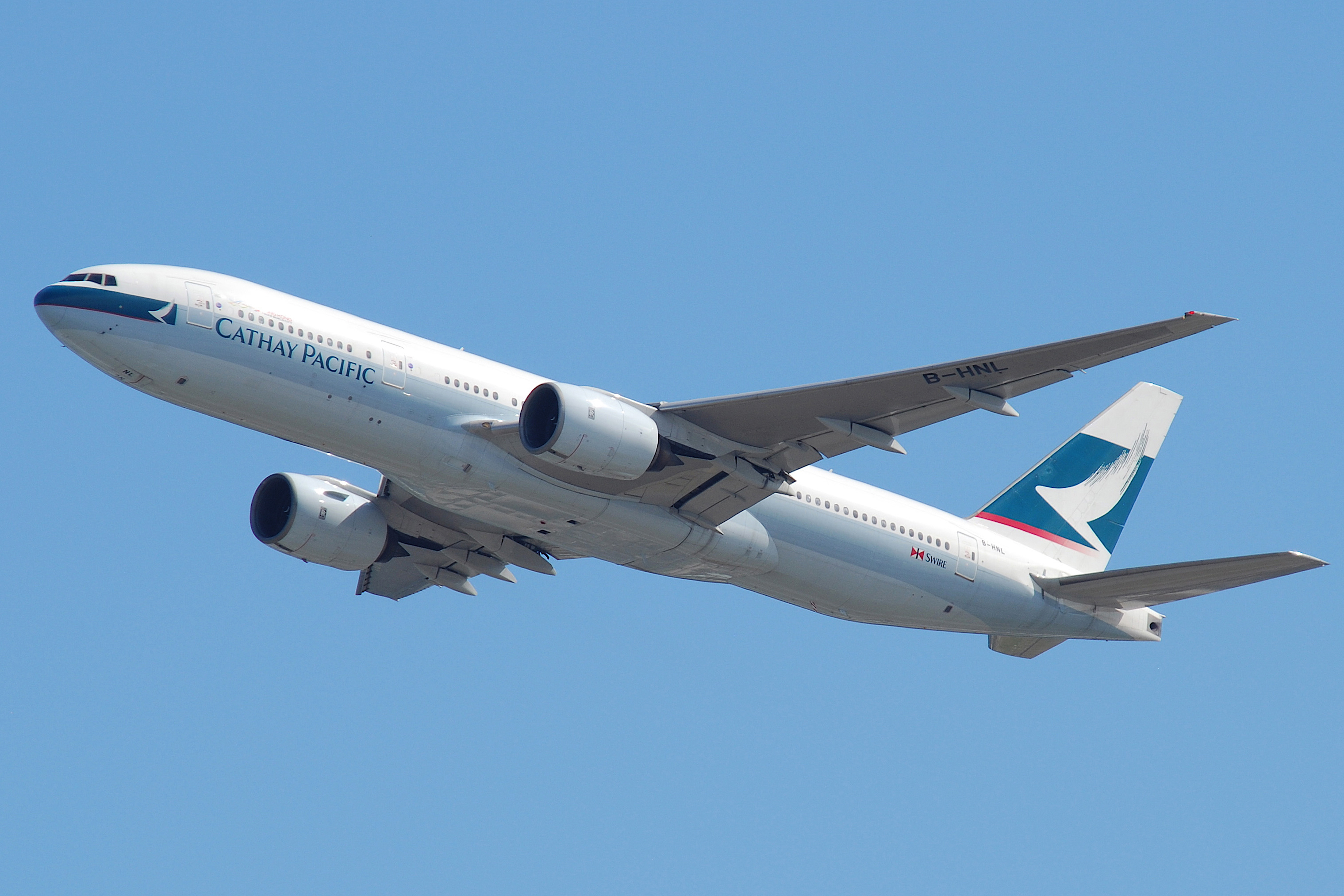
The 777-300 quickly gained favor with major airlines globally, demonstrating its extraordinary efficiency and reliability on high-demand routes. Leading carriers such as Cathay Pacific, All Nippon Airways (ANA) and Emirates were among the first and largest operators, taking full advantage of its high capacity.
The aircraft has established itself as an irreplaceable pillar for many fleets, successfully managing regional and medium-range flights characterized by intense passenger traffic. Its combination of operational reliability, high load capacity and competitive operating costs has made it a prime choice for network expansion.
Legacy & Cultural Impact
The Boeing 777-300 profoundly redefined the high-capacity, long-range twin-engine aircraft segment, paving the way for its most successful evolution, the 777-300ER (Extended Range). It materialized the idea that a twin-engine aircraft could effectively operate routes previously exclusive to four-engine aircraft, solidifying Boeing's leadership.
With its imposing aesthetics, characterized by the massive engines that earned it the nickname "Triple Seven", and its omnipresence at international airports, the 777-300 has become an undisputed icon of modern aeronautical engineering. It is a symbol of technological progress, loved by pilots, enthusiasts and millions of travelers around the world.
Telemetria Specs (HUD)
Hangar Trivia & Curiosità
- 💡The 777-300 is a stretched variant of the 777-200, making it one of the longest commercial aircraft in the world upon its introduction.
- 💡Due to its extended fuselage and potential for tail strikes during takeoff, the 777-300 was originally equipped with a retractable tailskid, a unique feature among modern Boeing aircraft.
- 💡It was specifically developed to offer similar passenger capacity to early Boeing 747-100 and 747-200 models, but with significantly improved fuel efficiency due to its twin-engine design.
Archivio Avvistamenti Spotter
Immagini scattate dalla community in tutto il mondo
Vettori Rilevati (Flotta Attiva)

Vettori Rilevati (Flotta Storica / Dismessa)


Emirates
Stato: Dismesso

China Southern Airlines
Stato: Dismesso
Thai Airways
Stato: Dismesso
Korean Air
Stato: Dismesso

Saudia
Stato: Dismesso
Malaysia Airlines
Stato: Dismesso

Singapore Airlines
Stato: Dismesso

Japan Airlines
Stato: Dismesso
All Nippon Airways
Stato: Dismesso
Air China
Stato: Dismesso
