767-400ER
Boeing
Historical Context & Origins
The Boeing 767, conceived in the mid-1970s as a twin-aisle wide-body for the medium-long haul market segment, has seen numerous evolutions. The 767-400ER (Extended Range) variant represents the culmination of this family, developed to meet specific market needs at the end of the 20th century. It loomed as a modern, more efficient replacement for lower-performing, fuel-hungry tri-jets, such as the McDonnell Douglas DC-10 and Lockheed L-1011 TriStar.
The 767-400ER project was officially launched in 1997, with firm orders from Delta Air Lines and Continental Airlines (later merged into United Airlines). This version aimed to offer greater capacity and range than the 767-300ER, positioning it between the existing 767 and the larger Boeing 777. Its first maiden flight occurred on 9 October 2000, marking a major milestone in Boeing's aeronautical engineering.
Architecture & Technological Design
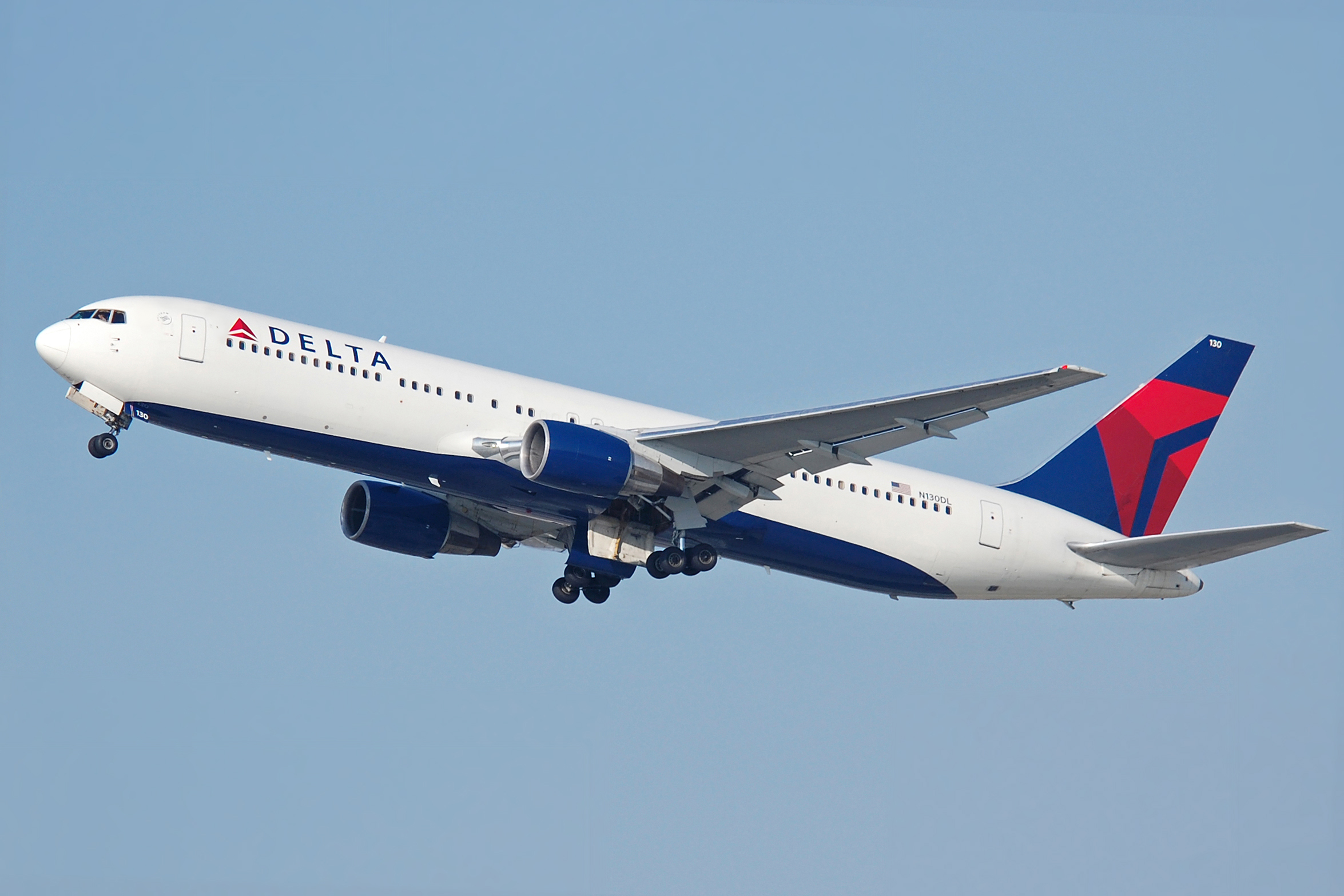
The 767-400ER is instantly recognizable by its lengthened fuselage, making it the largest variant of the 767 family. The fuselage has been lengthened by an impressive 6.43 meters (21 feet 1 inch) compared to the 767-300ER, significantly increasing passenger and cargo carrying capacity. This extension required structural strengthening and longer, reinforced landing gear to handle the increased weight and different geometry.
Another distinctive design feature is its raked wingtips, wing extensions designed to improve aerodynamic efficiency, reducing induced drag and optimizing fuel consumption over long distances. The cockpit has been updated with advanced technologies, incorporating many elements of the more modern Boeing 777, including LCD displays and a more integrated avionics architecture, easing pilots' transition between the two types.
Onboard Specifications
- ◆Raked wingtips: Distinctive wing components that improve fuel efficiency and long-range aerodynamic stability.
- ◆Common Cockpit Cockpit: Innovative integration of LCD displays and advanced avionics architecture, derived from the Boeing 777 for greater operational familiarity.
- ◆Extended passenger capacity and range: Typically configured for 245-375 passengers, it offers a maximum range of approximately 10,450 km (5,645 nautical miles).
Operational Career & Operators
The operational career of the Boeing 767-400ER has been characterized by its well-defined market niche. The main operators of this model were Delta Air Lines and the then Continental Airlines, who used it mainly on medium-long haul transatlantic and intercontinental routes. Its ability to perform ocean flights thanks to ETOPS (Extended-range Twin-engine Operational Performance Standards) certification has made it a valuable asset.
Despite its advanced capabilities, the 767-400ER had relatively limited production, with a total of just 38 units built. This reflected its specific positioning, as a “bridge” aircraft between the smaller 767-300ER and the larger, more versatile 777. It served its primary operators well, offering a balance of efficiency, comfort and capacity that was a perfect fit for their route networks.
Legacy & Cultural Impact
The Boeing 767-400ER represents not only the evolutionary pinnacle of the 767 program, but also a prime example of Boeing's ability to extend and modernize existing platforms to meet new market needs. While it hasn't achieved the mass deployment of other variants, its advanced engineering and purposeful design have made it a true workhorse for its operators.
Its role as a "bridge" aircraft was crucial, bridging the gap between medium- and large-capacity wide-body aircraft before the large-scale advent of the Boeing 787 Dreamliner. His legacy lies in demonstrating that innovation can also flourish through the evolution of established designs, rather than just by creating new models from scratch. It remains a symbol of robustness and adaptability in modern commercial aviation.
Telemetria Specs (HUD)
Hangar Trivia & Curiosità
- 💡Only 38 Boeing 767-400ERs were ever built, making it the rarest variant of the 767 family and one of the least produced Boeing wide-bodies.
- 💡It was the first Boeing aircraft to feature distinctive raked wingtips, a design element later incorporated into the Boeing 777-200LR/300ER and 747-8 for improved aerodynamic efficiency.
- 💡The 767-400ER's cockpit shares significant commonality with the Boeing 777, including similar display units, which aided pilot transition between the two types.
Archivio Avvistamenti Spotter
Immagini scattate dalla community in tutto il mondo