767-300ER
Boeing
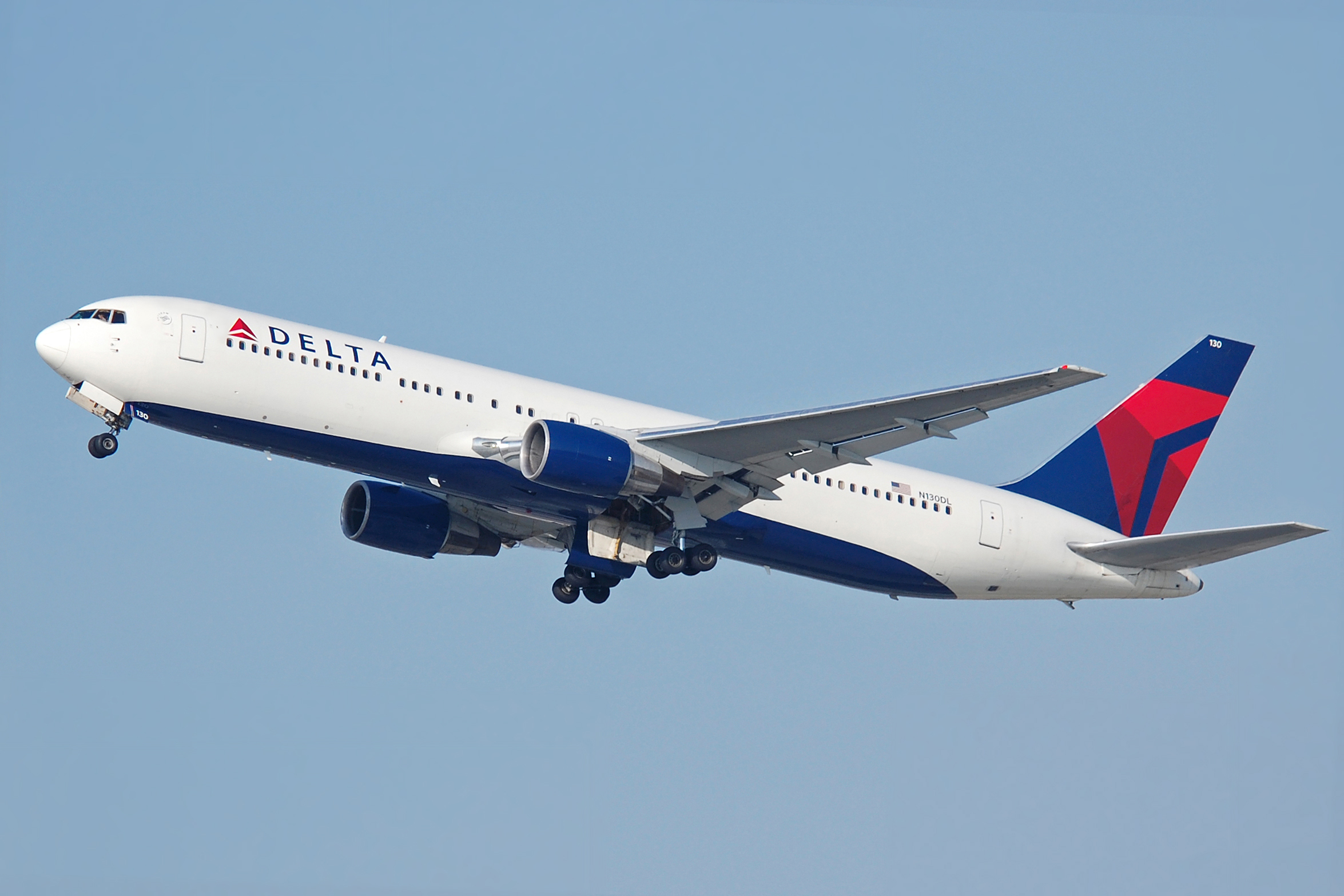
Historical Context & Origins
The Boeing 767, launched in 1978, was created to bridge the gap between narrow-body and wide-body aircraft, focusing on efficiency and reduced operating costs. Designed as a versatile twin-engine aircraft, it represented a bold bet by Boeing on the future of aviation, initially aimed at medium-range routes.
The -300 variant of the 767, with a fuselage lengthened by 6.43 meters, first flew in 1986. This extension significantly increased passenger and cargo capacity, responding to market demand for greater profitability on longer routes.
The real turning point was the introduction of the Boeing 767-300ER (Extended Range), whose first flight took place in 1988. Thanks to additional fuel tanks and greater structural strength, this upgraded version could cover transoceanic distances with twin-engine efficiency, revolutionizing long-range flights and opening new global routes.
Architecture & Technological Design
The 767-300ER was notable for its advanced aircraft architecture, particularly the adoption of the twin-engine design. This, supported by advances in engine reliability, allowed the obtaining of ETOPS certifications, a revolution that authorized prolonged flights on oceanic routes.
The fuselage offered a double aisle configuration, typically 2-3-2, maximizing passenger comfort while maintaining an efficient width. The aircraft's aerodynamic design, with high aspect ratio wings, ensured excellent fuel efficiency and optimal performance at altitude.
The cockpit, a cutting-edge "glass cockpit" for its time, integrated digital displays and a sophisticated flight management system (FMS). This reduced pilot workload and improved operational safety, cementing the 767's reputation as a technologically advanced and reliable aircraft.
Onboard Specifications
- ◆ETOPS certification: Allowed long-duration transoceanic flights, with extended diversion times, opening new direct routes.
- ◆Twin-Aisle Cabin (2-3-2): Offered superior comfort and facilitated boarding/disembarking, improving the passenger experience.
- ◆High Efficiency Engines: It used Pratt & Whitney PW4000, General Electric CF6 or Rolls-Royce RB211 engines, guaranteeing power and notable fuel savings.
Operational Career & Operators
The Boeing 767-300ER quickly became a mainstay of global airline fleets, prized for its remarkable versatility and reliability. Leading carriers such as Delta Air Lines, American Airlines, United Airlines and British Airways used it extensively to connect continents.
Its ability to operate on long-range routes with the efficiency of a twin-engine aircraft made it cost-effective. It allowed airlines to open up markets previously served only by larger, less efficient planes, proving a true workhorse.
Even today, the 767-300ER continues to fly in large numbers, including in cargo configurations or as military tankers (the KC-46 Pegasus). Its longevity is a testament to the robustness of the original design and its ability to adapt to the changing needs of the industry, a true engineering triumph.
Legacy & Cultural Impact
The legacy of the Boeing 767-300ER runs deep, having played a crucial role in the democratization of long-haul air travel. It proved that twin-engine aircraft could operate safely and efficiently on extended routes, laying the foundation for the development of giants such as the Boeing 777 and the Airbus A330.
This iconic aircraft marked an era, becoming synonymous with convenient and comfortable transoceanic flights for millions of passengers. Its reliability and exceptional performance have made it a favorite among pilots and airline executives alike.
The 767-300ER represents a seminal chapter in the history of commercial aviation, a symbol of innovation and resilience. Its influence on modern aircraft design and global connectivity is undeniable, cementing its status as a legend of the skies.
Telemetria Specs (HUD)
Hangar Trivia & Curiosità
- 💡The 767-300ER had its first flight on December 19, 1986, preceding its service entry, making it an early pioneer in extended-range twin-engine operations.
- 💡It was the first twin-engine aircraft to be approved for 180-minute ETOPS (Extended-range Twin-engine Operational Performance Standards) flights, significantly expanding its operational flexibility over oceans.
- 💡Many 767-300ER passenger aircraft have been successfully converted into dedicated freighters after their commercial passenger service, highlighting their robust airframe and economic viability for cargo operations.
Archivio Avvistamenti Spotter
Immagini scattate dalla community in tutto il mondo
Vettori Rilevati (Flotta Attiva)

Aero Cóndor
In Flotta: x16 u.
Ethiopian Airlines
In Flotta: x7 u.
Austrian Airlines
In Flotta: x6 u.

United Airlines
In Flotta: x37 u.
UPS Airlines
In Flotta: x85 u.
Atlas Air
In Flotta: x20 u.
Delta Air Lines
In Flotta: x68 u.
FedEx Express
In Flotta: x100 u.