767-300
Boeing
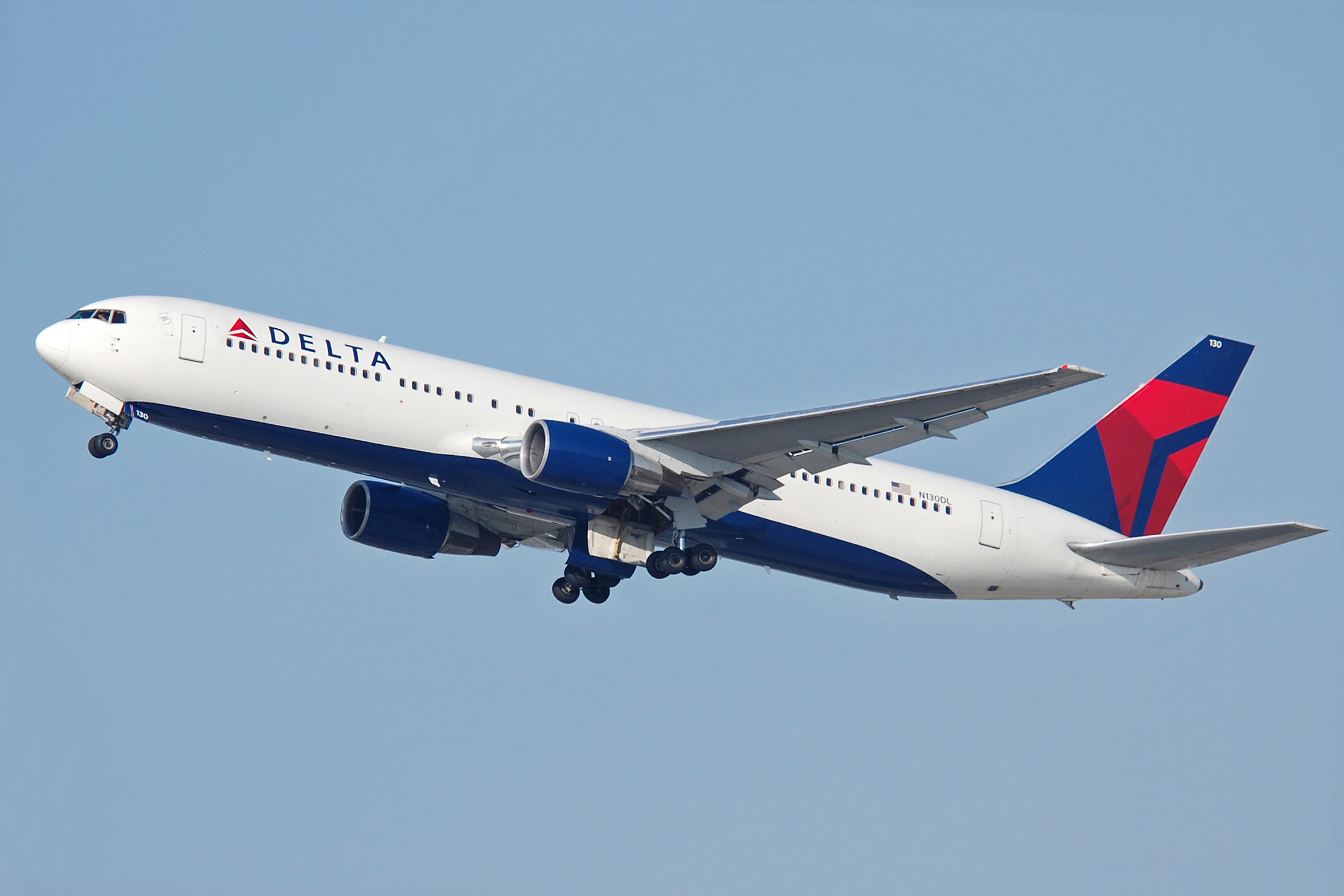
Historical Context & Origins
The Boeing 767-300 emerged as a strategic response to evolving global air transportation needs, joining Boeing's twin-aisle wide-body family. Designed in the 1970s to bridge the gap between narrow-body planes and four-engine giants, the original 767 design aimed to deliver unprecedented efficiency on medium-to-long-haul routes.
The 767-300 variant, an extension of the -200 version, made its first flight in 1986, introducing significantly increased passenger and cargo capacity. This model represented a crucial evolution, allowing airlines to optimize operating costs and expand their network on routes where a trijet or four-engined aircraft would have been uneconomical.
Its development was driven by the growing demand for flexible aircraft, capable of operating with high reliability over considerable distances, including the first transoceanic flights based on the ETOPS (Extended-range Twin-engine Operational Performance Standards) regulation. The 767-300 quickly established itself as the standard for efficiency on long-haul flights.
Architecture & Technological Design
The heart of the 767-300's success lay in its advanced architecture, which combined sophisticated aerodynamic design with the integration of lightweight materials and efficient propulsion systems. Its twin-aisle fuselage, while narrower than that of the 747, offered superior comfort compared to single-aisle aircraft, often with a 2-3-2 or 2-2-2 configuration in economy class.
The aircraft was powered by a pair of latest generation turbofan engines, selectable between Pratt & Whitney JT9D/PW4000, General Electric CF6 or Rolls-Royce RB211, guaranteeing high performance and low fuel consumption. This twin-engine configuration was critical to obtaining ETOPS certification, which allowed extended flights over ocean routes, revolutionizing global route planning.
The cockpit, or "glass cockpit", was cutting-edge for its time, featuring multifunction CRT screens that replaced traditional analog gauges. This innovation, shared with the Boeing 757, simplified the transition for pilots and dramatically improved situational awareness and flight management.
Onboard Specifications
- ◆ETOPS Certification: Pioneering, it allowed the 767-300 to fly ocean and remote routes with a single engine shut down for up to 180 minutes from the nearest alternate airport.
- ◆Cockpit "Glass Cockpit": Fully digital, with six multifunction screens, shared with the Boeing 757 for a significant reduction in pilot training costs.
- ◆Maximum range of over 10,000 km: It made it possible to connect distant cities with direct flights, reducing travel times and increasing operational efficiency.
Operational Career & Operators
The Boeing 767-300 has been a true workhorse for countless airlines around the world, standing out for its reliability and versatility. Leading carriers such as Delta Air Lines, United Airlines, American Airlines, All Nippon Airways (ANA) and British Airways have used it extensively for decades.
Its ability to carry large numbers of passengers and significant cargo over long distances with low operating costs has made it ideal for a wide range of routes, from transatlantic and Eurasian connections to high-density domestic flights. The 767-300ER (Extended Range) version in particular has opened up new possibilities, becoming a pillar for the global expansion of networks.
Even today, despite the introduction of newer models, the 767-300 continues to actively operate in passenger, cargo and even military versions, as a transport and in-flight refueling aircraft, a testament to its robustness and timeless design. Its operational longevity is a commendation to its engineering.
Legacy & Cultural Impact
The Boeing 767-300 left an indelible mark on the history of commercial aviation, unequivocally demonstrating the feasibility and efficiency of twin-engine aircraft for long-haul flights. It paved the way for future twin-engine giants like the Boeing 777 and 787 Dreamliner, redefining the safety and performance standards for transoceanic flights.
For millions of passengers, the 767-300 was the symbol of the first flights to exotic destinations or long journeys home. Its comfortable cabin and reputation for reliability helped democratize long-haul travel, making it accessible to a wider audience.
His legacy is not only technical but also cultural. It represents an era in which aeronautical engineering has made great strides, offering a perfect balance between capability, comfort and operating costs. The 767-300 will remain an icon of resilience and innovation, a true pillar of modern aviation.
Telemetria Specs (HUD)
Hangar Trivia & Curiosità
- 💡Molti 767-300 vengono convertiti in aerei cargo dopo il servizio passeggeri, prolungando significativamente la loro vita operativa.
- 💡La variante 767-300ER (Extended Range) è una delle più diffuse, permettendo voli a lunghissimo raggio non-stop.
- 💡Condivide una certificazione di tipo comune con il Boeing 757, consentendo ai piloti di essere qualificati per entrambi i modelli con formazione minima.
Archivio Avvistamenti Spotter
Immagini scattate dalla community in tutto il mondo
Vettori Rilevati (Flotta Attiva)

Icelandair
In Flotta: x4 u.
Aero Cóndor
In Flotta: x16 u.
Austrian Airlines
In Flotta: x6 u.

United Airlines
In Flotta: x38 u.
UPS Airlines
In Flotta: x80 u.
Delta Air Lines
In Flotta: x55 u.

Japan Airlines
In Flotta: x40 u.
FedEx Express
In Flotta: x130 u.